
HEALTH & FITNESS
Sleep Disorders by the Numbers: How Poor Rest Manifests as Physical Health Problems


You want to know how serious this sleep crisis really is?
Check out the numbers. Just how your sleep — or lack thereof — directly translates to pain throughout the rest of your body.
Sleep disorders don’t just leave you groggy on Monday morning. They’ve been linked to heart disease, obesity, diabetes, and an increasingly lengthy list of painful physical conditions that most people struggle to realize are tied to bedtime in the first place.
Bruxism is one of them.
Bruxism is the medical term for grinding your teeth and clenching your jaw. And for most people who suffer from it, bruxism happens completely while they’re asleep. Undetected. Untreated. Causing serious damage night after night.
When it comes to treating bruxism, understanding the sleep disorder connection is half the battle. If you don’t know where it’s coming from, you can’t design an effective non-surgical bruxism treatment plan.
Keep reading to learn:
- Exactly how many people are affected by sleep disorders
- Why poor sleep becomes a physical condition
- How bruxism (teeth grinding) fits into that picture by the numbers
- The types of physical damage bruxism creates
- Non-surgical treatment options that provide real results
Sleep Disorders By the Numbers
Here’s a stat to let sink in…
Approximately 50 to 70 million adults in the United States suffer from a sleep disorder. That’s not a small chunk of the population. That is entirely too many people quietly suffering from a problem that directly causes and intensifies others.
And it’s only getting worse.
In a recent year-long study, the prevalence of obstructive sleep apnea increased by 41%. Hypersomnia was up 32%. Rapid eye movement sleep behaviour disorder increased by 64%.
Again… These aren’t small statistics. These are millions of people entering a cycle of sleep destruction.
Most of these people don’t even know they have a problem.
It’s estimated that around 90% of sleep apnea cases — the most common sleep disorder — go undiagnosed.
Why Does Poor Sleep Become A Physical Condition?
This is where it starts to get good.
Sleep is not simply the act of passing your night horizontally. Your body is busy healing from the day, regulating stress hormones, limiting inflammation, and locking in memories while you snooze. When you take away the quantity and/or quality of that sleep, you open the door to inflammation, hypertension, hormonal imbalances, and a host of other problems.
Scientists have studied this direct connection for years and the conclusions are clear.
People who sleep an average of five hours per night have a 16% increased risk of developing type 2 diabetes than those who clock seven to eight hours. Sleep shortened to three to four hours increases that risk by 41%. Sleep also increases your risk of cardiovascular disease, obesity, metabolic syndrome, and even mortality.
Sleeping less than seven hours each night also makes you:
- More likely to be overweight (33%)
- Physically inactive (27%)
- More likely to smoke cigarettes (23%)
- More likely to drink alcohol excessively (19%)
Poor sleep doesn’t just exacerbate existing issues. It creates new ones.
Bruxism (Teeth Grinding) By the Numbers
Time to dive into the conditions at the intersection of sleep disorders and physical pain.
Bruxism affects 22.22% of people worldwide according to a 2024 systematic review and meta-analysis. Further review concluded sleep bruxism affected approximately 21% of the population. North Americans experience sleep bruxism at a significantly higher rate than the rest of the world at 31%.
This means 1 in every 5 people grinds/clenches their teeth while sleeping on a regular basis.
Bruxism is also highly prevalent in those who suffer from other sleeping disorders. Those with obstructive sleep apnea were found to have a higher incidence of sleep bruxism when compared to the general population. The same goes for those suffering from high levels of stress and anxiety. Two of the leading causes of poor sleep.
Not convinced yet?
Sleep bruxism is often undiagnosed.
People who suffer don’t know they’re doing it.
The Damage Created By Bruxism
And this is what makes bruxism such a dangerous sleep condition.
It happens while you’re asleep. For hours. The force exerted onto your teeth each time they clamp together is significantly higher than what would normally be used to chew food. Over time, that continuous pressure against your teeth and gums leads to very real problems.
Including:
- Worn teeth that are more susceptible to decay and damage
- Thickening of the jaw muscles (masseters) which changes the shape of your lower face
- Temporomandibular joint disorder (chronic jaw pain, clicking, and locking)
- Tension headaches, often upon waking
- Neck and shoulder pain as the tension from your jaw travels up the body
These are things that’ll cause pain outside of just waking up with a sore jaw.
And if left untreated, bruxism will only continue to get worse.
Non-Surgical Treatment Options for Bruxism That Work
The good news is you don’t have to live with bruxism. There are non-surgical treatment options that help provide relief.
Most oral specialists will recommend one or a combination of the following:
- Occlusal splints (aka “night guards”): A nighttime mouthguard that provides a buffer between your teeth but doesn’t stop the grinding itself.
- Botulinum toxin type A (aka Botox) injections: One of the most effective non-surgical bruxism treatments. Botox injections into the masseter effectively reduce the ability to contract those muscles as hard. This not only provides relief from the grinding but most patients experience jaw pain relief and — as a secondary benefit — a slimmer facial appearance as the muscles become less overdeveloped. Results are typically 3–6 months.
- Cognitive behavioural therapy: Stress and anxiety are the number one drivers of bruxism. Managing these triggers can have a significant effect on the severity of bruxism episodes.
- Improve your sleep hygiene: Because bruxism is a sleep disorder, treating the underlying issue — sleep apnea devices, cutting out caffeine, sticking to a regular sleep schedule — can have a direct impact on the severity of bruxism.
As with anything, the best results come from treating both the cause and the symptom.
Sleeping with a mouth guard at night won’t help with jaw enlargement from bruxism. And while Botox may help with jaw pain and teeth grinding, it isn’t going to fix underlying anxiety or stress.
The full picture matters.
The Case Against Skimping On Sleep: Wrapping Things Up
There are literally dozens of articles out there that try to explain what you lose when you don’t sleep. Friends. Romance. The ability to drive.
But sleep disorders do more than keep people from living their best life. They contribute to some of the most severe health problems on the planet.
And bruxism is no different. Bruxism begins as a sleep disorder. It creates chronic physical damage to your teeth, jaws, and head. And it ties into every other sleeping problem under the sun. All while most patients have no idea it’s happening to them.
Let’s review:
- Between 50–70 million Americans suffer from a sleep disorder
- 22.22% of people across the world suffer from bruxism — including 31% of North Americans
- Sleep deprivation is directly linked to diabetes, heart disease, and obesity
- Non-surgical options for treating bruxism exist and they work
If the body isn’t being given the rest it needs, it will eventually make that known.
Take care of it — before it forces the issue.

Want to build a sobriety that actually sticks?
Quitting your addiction is difficult. Remaining drug free permanently is even more difficult. But wait… there’s good news… It’s possible with proper tooling.
In reality, recovery is much more common than many believe. SAMHSA’s most recent survey revealed that of the 31.7 million adults who reported ever having an alcohol or drug problem, 74.3% now view themselves as recovered. Millions of success stories.
So what’s the secret?
When it’s broken down, recovery is about evidence-based treatment. Effective addiction recovery therapy offered at https://www.innervoyagerecovery.com/ provides you with tangible skills you can use to cope with cravings, triggers and stress without relapsing. That’s exactly what you get with a reputable drug treatment program. Self-help just doesn’t have the backbone of care that professional drug treatment does.
This guide breaks down the techniques that actually work…
What You’ll Uncover:
- What Makes Addiction Recovery Therapy Work?
- The Top Evidence-Based Therapy Techniques
- How To Make Your Sobriety Last
What Makes Addiction Recovery Therapy Work?
Here’s the thing about addiction…
It’s not that you don’t have willpower. It’s a disease that alters brain function. This is why “cold turkey” rarely if ever works by itself.
Drug relapse is also far more common than most people will admit. According to the National Institute on Drug Abuse, 40% to 60% relapse following treatment. That’s about the same rate as other chronic diseases, such as asthma or hypertension.
That statistic should not discourage you. It should motivate you to seek treatment that is evidence-based.
Evidence-based is one thing. It works. It’s proven because it has been tried on actual people in real studies. These are not the latest fads or quick fixes. This is the stuff the best treatment centers use day in and day out.
Ready to see them? Here they are…
Cognitive Behavioral Therapy: Rewiring Your Triggers
CBT is the heavyweight champion of addiction recovery therapy.
Why? Because it gets to the root of the problem — your thoughts.
Think about it. Before every single use, there’s a thought. It could be stressful. It could be a whispered “this is the only way to cope.” CBT helps you recognize those thoughts, dispute them, and replace them.
You develop coping skills over time. You learn how to deal with the very specific situations that triggered you before — sober.
And here is the best part… You will not lose these skills when you graduate from treatment. You will have them for a lifetime.
That’s why so many programs build their entire approach around it.
Dialectical Behavior Therapy: Riding Out The Storm
What happens when emotions feel way too big to handle?
Enter dialectical behavior therapy, better known as DBT. Originally developed for individuals with borderline personality disorder who experience intense emotions, DBT is also effective for those struggling with addiction.
DBT focuses on four key skills:
- Mindfulness — staying calm and present in the moment
- Distress tolerance — getting through a craving without acting on it
- Emotion regulation — managing big feelings before they take over
- Healthier relationships — handling people without slipping into old habits
Cravings are like waves. They build, they crest, and they fall away. DBT shows you how to surf the waves.
Motivational Interviewing: Finding Your Reason
Here’s an honest truth…
No one can make you decide to get sober. You have to want it.
Motivational interviewing can help you find that reason. Instead of preaching or judging, the therapist will ask strategic questions that guide you to find your personal “why.”
It could be your children. It could be your health. It could just be wanting your life back.
Whatever the case may be, this method converts that small flicker into genuine momentum. Momentum that sustains itself because it comes from within.
Contingency Management: Small Wins That Add Up
Want to know one of the most underrated techniques out there?
It’s called contingency management — and it’s surprisingly simple.
The concept is simple. Clean time equals prizes. Take a drug test? You receive a voucher, a reward, or an opportunity. Simple idea. Massive amounts of science support it.
How does it work so well? Addiction takes over your brain’s reward center. Contingency management requires that center to enjoy being clean instead of using.
Small wins build momentum. And momentum is what keeps you moving forward.
Medication-Assisted Treatment: A Helping Hand
Here’s something a lot of people get wrong…
Using medication in recovery isn’t “cheating.” It’s smart, proven medicine.
Medication-assisted treatment (MAT) is when you take FDA-approved medications along with counseling and therapy. The medications help reduce cravings and relax withdrawal symptoms so you can concentrate on recovering.
It works particularly well for opioid and alcohol addictions. Combined with quality therapy, you have the greatest chance of staying on track.
Think of it as a support beam — not a crutch.
Trauma-Informed Therapy: Healing The Root
For a lot of people, addiction isn’t really about the substance at all.
It’s about pain.
Addiction often covers up unresolved trauma – abuse, loss or severe stress. If the trauma isn’t addressed, relapse is far more likely.
Trauma-informed treatment addresses both issues simultaneously. It allows you to feel safe confronting the difficult things so you no longer need substances to numb them.
Heal the root, and the whole tree grows stronger.
Aftercare: The Part Most People Skip
Here’s the mistake that trips up so many people…
They think recovery ends the moment treatment ends. It doesn’t.
The immediate weeks and months following treatment are when a person is most at risk for relapse. This is why aftercare is so important.
A strong aftercare plan usually includes:
- Ongoing therapy sessions
- Support groups and sober communities
- A clear plan for handling triggers
- Regular check-ins with a counselor
Recovery is a marathon. Aftercare is how you cross the finish line…and stay there.
Bringing It All Together
There you have it – evidence based therapy techniques used in addiction recovery that work.
Individually, none of them are magic. In fact, the best combination is several of them bundled into a plan that’s unique to you.
A quick recap of what works:
- CBT to rewire your triggers
- DBT to handle the big emotions
- Motivational interviewing to find your reason
- Contingency management to reward your wins
- MAT and trauma therapy to heal body and mind
- Aftercare to make it all stick
Permanent sobriety isn’t about being “perfect.” It’s about having the proper tools and having the right people behind you.
Look at the facts — recovery is happening every day to millions of people and treatment works.
Your turn could be next.
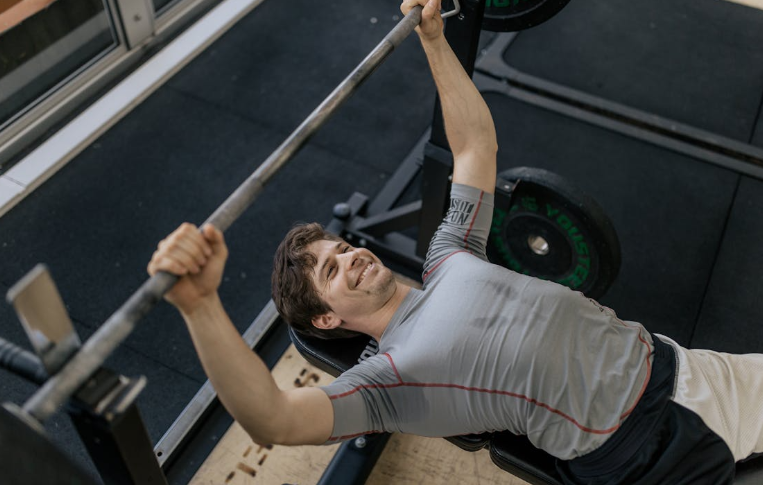
Walking into a gym for the first time can feel terrifying.
The banging weights, the mirrors on every wall, the seasoned physique rats … who wants to deal with this? Sounds like a recipe for a drive straight home.
But here is the truth:
Nearly every newbie that walks into a gym feels like this. The good news is gym anxiety doesn’t have to be permanent. Follow this guide and a couple healthy habits, and you can create a workout routine that lasts — panic attacks included.
This guide breaks it down step by step.
What’s Coming Up:
- Why Gym Anxiety Is So Common
- Build A Solid Nutrition And Fitness Strategy
- Why Off-Peak Hours Are Your Best Friend
- Master 5 Basic Moves Before Anything Else
- The Two-Set Rule For Beating Overwhelm
- Track Progress (Don’t Compare It)
Why Gym Anxiety Is So Common
Gym anxiety is way more common than most people think.
Recent studies found that around 7 in 10 people will feel gym anxiety at some point in their lives. That’s not just the newbielets that feel awkward…. That’s the majority of people. And first timers feel it even more.
The good news is? Anxiety diminishes after about 3-4 weeks of regular visits. The challenge is getting through week 1-3 without wanting to give up. This is where having a solid plan helps.
Build A Solid Nutrition And Fitness Strategy
The biggest mistake new gym-goers make is showing up with no plan.
They walk through the door, browse around, do some half-hearted exercises, and then leave feeling more discouraged than when they came in. Doesn’t that sound like something you would do? It’s easy to correct. Figure out an actual game plan for nutrition and fitness BEFORE you even go into the gym.
A solid nutrition and fitness strategy includes:
- Clear goals: Are you building strength, losing weight, or improving stamina?
- A weekly schedule: Pick the days and times you will show up.
- A meal plan: Fuel matters just as much as the workout itself.
- A starter routine: 4-6 exercises you can repeat each week.
And you do not have to figure all of this out alone.
Partnering with a top-rated gym in Central PA will allow you to create a personalized nutrition and fitness plan that aligns with your goals, fitness level and time constraints. Let a professional design your beginner program and take the guesswork (& most of the stress) out of the equation.
When you walk in with a written plan…
You walk in with confidence.
Why Off-Peak Hours Are Your Best Friend
This tip is a complete game-changer.
Peak gym time is generally from 5pm to 7pm weekdays. That’s when there are the most people, busiest equipment, and your gym anxiety is at its peak.
The solution? Avoid those hours like the plague.
The best off-peak times to hit the gym are:
- Early morning (5am-7am)
- Mid-morning (10am-12pm)
- Mid-afternoon (1pm-3pm)
- Late evening (8pm-10pm)
Working out off-peak allows you time to figure out how equipment works, move at your own pace, and concentrate on form. There’s no one rushing you or staring. You don’t have to wait for equipment. And the other off-peak souls are usually there to work out, not socialize, so they won’t bug you either.
It’s a win on every level.
Master 5 Basic Moves Before Anything Else
Forget the fancy stuff.
If you’re just getting started in the gym you shouldn’t be doing 30 different exercises. You should be mastering 5 foundational movements. These are the exercises every legit diet and workout plan revolves around:
- Squat: Builds your legs and core
- Deadlift: Works your whole posterior chain
- Bench Press: Builds chest, shoulders, and arms
- Row: Strengthens your back and improves posture
- Overhead Press: Hits shoulders and core stability
Pick one of these every session and practice it.
Lift less weight than you think you should. Form over weight every time. If you want a visual demonstration of each exercise there are thousands of free videos on youtube from certified trainers.
Don’t mess with these 5 basic moves until they feel natural. Then you can play with some variations/additional accessory movements. Until then… Just basics.
The Two-Set Rule For Beating Overwhelm
Here is a sneaky little trick that works wonders.
The Two-Set Rule: You only have to do two sets of one exercise to “win” that exercise for the day. Period. Why does this work? Showing up is the hard part.
When you get to the gym and complete two sets you WILL 95% of the time want to continue your workout. What about the days you DON’T want to? …You still walk out having completed something by showing up. That creates momentum. Momentum builds confidence.
Within weeks of implementing the Two-Set Rule the worry goes WAY down and your routine becomes a habit.
Track Progress (Don’t Compare It)
Here is one of the worst habits that new gym-goers fall into…
Comparing themselves to others lifting heavier or running on the treadmill beside them. One study found that Gym-goers who go four times or more per week are 263% more likely to feel confident going to the gym than those who go only once per week.
The lesson? Comparison kills progress. Consistency builds it.
Use a simple app or notebook to track:
- The exercises you did
- The weight you used
- The reps you completed
- How you felt during the workout
Weekly check your previous week’s numbers and try to beat them by a little. Fewer reps, a little more weight, better form.
That is the only competition that matters… You vs. last week’s you.
When you put your mind on your OWN improvement, others around you aren’t competition. They don’t matter. The gym is yours…your time…your game plan.
The Final Rep
Starting a gym routine doesn’t have to feel like a horror movie.
Yes, gym intimidation exists. But it’s also only temporary and completely overcome-able with the proper game plan. The right nutrition and exercise plan, focusing on basics, going at the right time, and an easy tracking method can all help you create a sustainable fitness routine.
Here is the quick recap:
- Build a real plan before stepping in the building
- Hit off-peak hours to skip the crowds
- Master 5 basic moves before going fancy
- Use the Two-Set Rule on tough days
- Track progress instead of comparing yourself to others
The hardest workout will always be the first one.
Afterwards it’s a piece of cake. Just do it for 3-4 weeks and that thing you feel like you’ll panic over today will become part of your weekly routine. Your future self, 6 months from now, is already grateful you started.
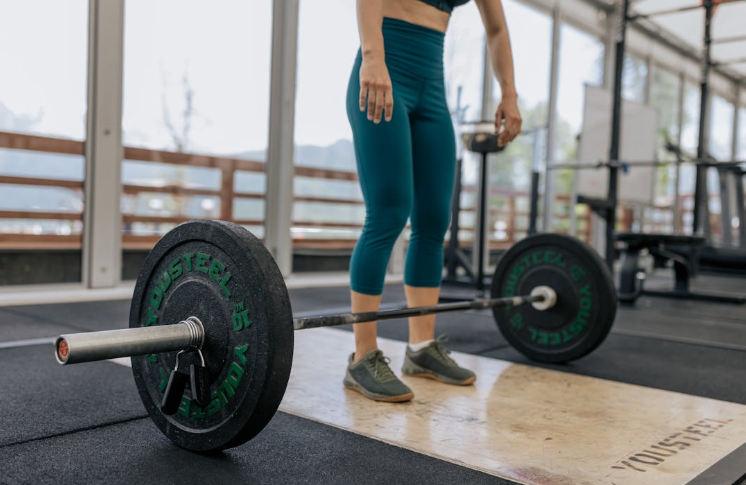
Ever finished a brutal workout and wondered why the soreness sticks around for days?
That dull, achy feeling is your body telling you it needs repair. Plus: how quickly you recover often determines how powerful you become.
The good news?
Peptides are definitely having a moment in the spotlight as of late. Promoting recovery is one of their many benefits.
Let’s get into it…
Here’s what’s covered:
- Why Soreness Happens In The First Place
- Where Peptides Fit Into Recovery
- The Repair Cycle Explained
- Popular Peptides For Repair Support
- Things To Keep In Mind Before You Start
Why Soreness Happens In The First Place
That post-workout ache has a name — delayed onset muscle soreness, or DOMS.
DOMS peaks between 24-72 hours after intense training, and can linger on longer than many realize. DOMS will typically dissipate in 7 days without direct intervention, but those seven days can be painful — particularly if you have scheduled workouts.
Here’s what’s actually happening inside your muscles:
When you exercise beyond your usual capacity you stress your muscle fibres. They develop microscopic tears. White blood cells swarm to repair the damage. Inflammation begins. Your body rebuilds the damaged tissue bigger and stronger than before.
This is the whole point of training. No damage, no growth.
But there’s a catch…
The longer you remain sore and inflamed, the longer it takes to return to optimal fitness. Damage to muscles can decrease performance over the course of days, impacting both workouts and games.
That’s where peptides start getting interesting.
Where Peptides Fit Into Recovery
Peptides are small strings of amino acids — proteins your body is made of. They signal particular cells to perform certain functions.
Some homeostatic meds signal your pituitary gland to release GH. Others signal damaged tissue to initiate healing. Either way you have direct access to your bodies repair mechanisms.
Prominent examples of recovery research subjects include growth hormone releasing peptides such as CJC-1295 and Ipamorelin that scientists rely on when conducting tissue growth, lean mass maintenance, and recovery period studies. Because peptides like these can be obtained in high purity grades for research from quality peptide suppliers, they are commonly used in labs to uncover more about the bodies signaling mechanism behind muscle recovery.
Why does this matter?
Since the right peptide signal can basically “kick-start” your body back into recovering like it used to when you were younger. It’s not magic — it’s signalling.
Think about it:
- Faster cleanup of damaged tissue = less time being sore
- Better signalling for protein synthesis = stronger rebuild
- More efficient hormone release = better overall recovery
Pretty cool, right?
The Repair Cycle Explained
Recovery isn’t just resting on the couch and waiting for the pain to fade.
Whenever you train intensely, your body undergoes a predictable series of events. Learn what they are and you’ll understand which recovery methods work…and which don’t.
The repair cycle looks something like this:
- Inflammation phase — Your body floods damaged tissue with white blood cells
- Cleanup phase — Damaged proteins and cells get broken down and removed
- Rebuilding phase — New muscle proteins are synthesised to replace the damaged ones
- Strengthening phase — The repaired tissue becomes denser and more resilient
Every phase requires proper signalling from your body in order to operate efficiently. Hormones, growth factors, and amino acids are all involved in this process. When one (or more) of those signals are low (or absent) the entire cycle suffers.
That’s why folks in their 40’s and 50’s feel like recovery lasts forever. This also why athletes are seeking out more intelligent forms of support for each phase.
Popular Peptides For Repair Support
Peptides aren’t all the same. They each serve a different aspect of recovery.
Here are some of the most talked-about options in research circles right now.
Growth Hormone-Releasing Peptides
They stimulate the pituitary gland to release additional natural growth hormone. Growth hormone is responsible for tissue growth and repair, lean muscle growth, and recovery from training.
The cool thing? They work with your body’s natural rhythms instead of overriding them.
That makes them a popular topic in research for studying age-related recovery decline.
BPC-157
BPC-157 has become one of the most discussed peptides in tissue repair research.
BPC-157 completely restored gastrocnemius crush injury muscle function and regeneration in rats. Published in Medical Science Monitor
It’s important to note though…
Most of this data comes from animal studies. Human clinical trials are still limited.
Collagen Peptides
These are your most “day to day” options. They have the most human research supporting them. A meta-analysis of 19 studies showed positive results in favor of collagen peptide supplementation and fat free mass.
Consumed with resistance exercise collagen peptides have delivered tangible results regarding body composition and recovery.
Things To Keep In Mind Before You Start
Peptides aren’t a shortcut. And they’re not for everyone.
Here are a few things worth understanding before getting too excited.
The research is still ongoing. While we have promising early data on many of these peptides, most of the ones used for recovery have not yet been studied very thoroughly in humans. Animal testing doesn’t always equate 1:1 to humans.
Quality is important — don’t skimp on it. You can find cheap junk everywhere, full of who-knows-what or sometimes lacking what it says on the label. If you are ordering peptides for research purposes, make sure you deal with reliable companies.
Legal status: depends. Some peptides are only sold for research use. Some peptides are banned substances in sport. Make sure you know which applies in your country.
They complement the fundamentals. If you sleep poorly, eat junk and over train… no peptide is going to bail you out. Peptides enhance what’s already there.
[The truth is:]{.underline}
When recoveries are fastest, it’s always because the foundations have been stacked first. Sleep. Protein. Smart programming. Then…only then, do recovery “enhancers” come into play.
Final Thoughts
Going from soreness to strength is what training is all about.
The human body is designed to recover from damage, but how quickly it repairs itself is influenced by many factors — age, stress, sleep, diet. Peptides are getting attention in the recovery space because they assist with the signalling aspect of the repair cycle.
To recap:
- DOMS is normal but slows progress when it lingers
- The repair cycle has multiple phases — each one matters
- Peptides act like messengers supporting natural recovery
- Quality, sourcing, and legality should always be checked first
- Nothing beats sleep, food, and smart training
Recovery is one of the most neglected aspects of becoming strong. Focus on it, and you will change how you train.
-

 BLOG10 months ago
hanime1: The Ultimate Destination for Anime Lovers
-

 ENTERTAINMENT1 year ago
Sflix: How It’s Changing the Way We Watch Movies and TV Shows
-

 ENTERTAINMENT11 months ago
Crackstreams 2.0: The Future of Free Sports Streaming?
-

 BILLS1 year ago
Why Does My Instagram Reel Stop Getting Views After One Hour? How to Fix It?
-

 BLOG11 months ago
Imginn: The Ultimate Tool to View Instagram Content Anonymously
-

 Technology1 year ago
Simpcitt: The Rise of a Unique Online Community
-

 BLOG1 year ago
NHentai.nef: Understanding the Popular Hentai Archive
-

 BLOG10 months ago
ThisVid: What Makes It Stand Out in the World of Online Videos