
BLOG
The Benefits of DIY Ductless Mini-Split Systems for Homeowners

Introduction to Ductless Mini-Split Systems
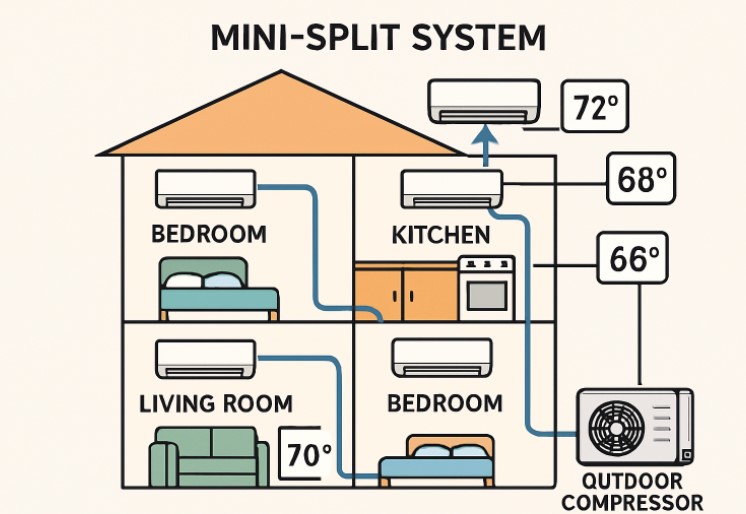
Modern homeowners are increasingly turning to ductless mini-split systems as an alternative to traditional heating and cooling solutions. These units, which consist of an outdoor compressor partnered with one or more indoor air-handling units, offer flexibility and efficiency. By connecting each indoor unit directly to the outdoor compressor via a narrow conduit through the wall, ductless mini-split systems eliminate the space, expense, and energy loss associated with large ductwork installations. This approach is particularly advantageous for retrofits, older homes, and add-on rooms where ductwork may be infeasible or costly. For those interested in a leading solution, the MRCOOL DIY Mini Split offers an approachable and reliable option for DIY enthusiasts.
Unlike conventional HVAC systems, which treat the whole house as a single climate zone, ductless systems allow for more precise temperature regulation, room by room. The two-part design also means that installation requires less invasive remodeling, making mini-splits especially attractive for those looking for a quick and efficient upgrade to their home’s heating and cooling capabilities, notes BanCal Properties experts.
Energy Efficiency and Cost Savings
Ductless mini-split systems stand out primarily for their remarkable energy efficiency. Traditional HVAC units can lose up to 30% of their conditioned air due to leaks and inadequate insulation in duct systems. By delivering air directly to individual rooms, ductless mini-splits sidestep this energy loss. Moreover, many modern mini-split models are equipped with inverter-driven compressors, which automatically adjust their power output based on real-time heating or cooling needs. This results in lower energy consumption and often translates into significant savings on monthly utility bills over time. According to the U.S. Department of Energy, high-efficiency ductless systems can significantly reduce overall energy use when replacing electric resistance heating or conventional air conditioning.
Homeowners should keep in mind that, while the initial investment may be higher compared to some traditional options, the long-term reduction in energy bills can make mini-splits a cost-effective choice. Furthermore, local rebates and incentives are often available, encouraging the use of energy-efficient systems.
One of the principal advantages of ductless mini-split systems is zoned temperature control. Each indoor air-handler can be programmed independently, allowing you to customize the comfort settings in every area or room of your home. Do you prefer your living room to be cool during the day but want your bedrooms warmer at night? Zoned control makes these customizations effortless, ensuring efficient use of energy by heating or cooling only the spaces in active use. This tailored approach reduces waste, enhances comfort, and accommodates the varying needs of family members or home layouts.
Ease of Installation
Unlike the sometimes disruptive process of installing or retrofitting ductwork, ductless mini-split systems are designed for straightforward installation and setup. With basic DIY skills, many homeowners can mount the indoor units, install the outdoor compressor, and run the conduit through a small hole in the wall—often within a single day. Most modern systems, such as the MRCOOL DIY model, come with user-friendly instructions and all the necessary components, making the installation process accessible and convenient.
It’s essential to follow the manufacturer’s detailed instructions carefully to ensure both system efficiency and safety. However, if you are uncertain at any stage, professional assistance is always available to ensure a smooth, hassle-free setup.
Improved Indoor Air Quality
Traditional ducted HVAC systems can exacerbate indoor air pollution by accumulating and circulating dust, allergens, mold spores, and other particulates. Ductless mini-split units circumvent this problem by employing advanced, multi-stage filtration that removes airborne particles before they can enter the living space. With regular cleaning—usually just a simple rinse or replacement of filters—these systems help maintain fresh, healthy air. Clean air filtration is vital for households with allergy sufferers, children, or pets, and can dramatically improve overall indoor environment quality. The New York Times Wirecutter guide on cleaning AC units provides actionable steps to maintain optimal system health and indoor air quality.
Quiet Operation
Noise pollution from HVAC systems can disrupt sleep, concentration, and relaxation. Ductless mini-split systems are engineered for quiet operation, with most indoor units operating at decibel levels comparable to a whisper (as low as 19–25 dB). This makes them well-suited for bedrooms, nurseries, offices, and any spaces where tranquility is paramount. Even the outdoor compressors are much quieter than traditional HVAC options, making them neighborhood- and family-friendly.
Environmental Impact
Energy-efficient home systems not only save money but also help reduce your household’s environmental footprint. Most modern ductless mini-split systems employ refrigerants with lower global warming potential and are designed to minimize power consumption, aligning well with contemporary sustainability goals. By heating and cooling only necessary zones, these systems further reduce energy waste, supporting broader efforts to mitigate climate change. According to the U.S. Department of Energy, ductless mini-splits are an excellent solution for those seeking ways to make their homes greener without sacrificing comfort.
Maintenance and Longevity
Maintenance for ductless mini-split systems is typically uncomplicated. Regular tasks involve cleaning or replacing air filters, wiping down the indoor unit, and ensuring that the outdoor compressor is kept free from leaves and debris. With consistent upkeep, these systems can match or exceed the lifespan of traditional HVAC units, often delivering reliable service for 15 to 20 years. Routine care not only preserves efficiency and performance but also upholds the investment value of your home comfort system.
Conclusion
DIY ductless mini-split systems have become a go-to solution for homeowners seeking flexible, energy-saving, and easily installed climate control. Their ability to provide zoned comfort, paired with a track record of efficient operation and improved air quality, makes them especially attractive for those looking to modernize their heating and cooling setup. Carefully assess your space, climate needs, and installation readiness to discover if a DIY mini-split is the perfect fit for your home.

When your cultured cells do not attach correctly, spread out, or leave the surface in a non-uniform manner, then your experiment may prove hard to interpret. The adhesion may be poor, and this may impact cell shape, growth, viability, as well as reproducibility.
The cause is not always obvious. You might require another culture medium or a more appropriate surface, or exert greater control over the environmental conditions on your cells.
To enhance your culture system, you can align each of its elements with the requirements of your cell model.
Culture media offer nutrients and other biochemical factors that help the cells remain healthy. Meanwhile, surfaces of culture provide adherent cells with a surface on which to grow. When the two are appropriate, it is possible to establish more stable and predictable cell behavior.
Here, you will learn what tissue culture means and how specialized media and surfaces support cell adhesion and healthy cell growth.
Defining Tissue Culture
Tissue culture refers to the culturing and sustenance of cells or tissues in an unnatural and experimental microclimate. Cell culture is one form of tissue culture that focuses on isolated cells. These systems are used to investigate the behavior of cells, the pathophysiology of diseases, as well as responses to drugs, toxicity, and many other biological processes.
When creating a culture, you have to replicate a few of the conditions that cells are getting within the body. These include nutrients, temperature, pH, osmolarity, gases, and suitable physical support. In addition, your culture system should also be devoid of microbial contamination.
The adherent cells also need another consideration, that is, adhesion to an appropriate surface. If the cells are not able to attach properly, they might either remain rounded, easily detach, or exhibit abnormal morphology. Therefore, selecting suitable products for your model is an important part of tissue culture work.
How Specialized Media Support Cells
Culture media provide the chemical environment your cells need to survive and function. Depending on the formulation, media can contain glucose, amino acids, vitamins, inorganic salts, minerals, and other essential nutrients. Some cultures also require serum, growth factors, hormones, or other supplements.
Media composition can influence cell adhesion as well as general cell health. Healthy cells are better able to maintain their cytoskeleton, produce cellular proteins, and respond to signals that support spreading and attachment. An unsuitable formulation can reduce viability or alter cell behavior, which may indirectly weaken adhesion.
You should select media according to your cell type and experimental purpose. Primary cells, immortalized cell lines, and specialized cell models can have different nutritional requirements. Serum-containing, serum-reduced, and serum-free formulations may also produce different responses. A suitable medium helps create a stable biological environment for your culture.
Why Surface Properties Matter
For adherent cells, the culture surface provides the physical foundation for attachment. Treated polystyrene is commonly used because surface modification improves the ability of proteins to adsorb to the plastic. Cells can then interact with those proteins through adhesion receptors.
Surface chemistry can influence how well cells attach and spread. Some cell types attach effectively to standard tissue culture-treated plastic. Others require an extracellular matrix coating. Collagen, fibronectin, and laminin are examples of matrix proteins that can support attachment for particular cell models.
You should choose the surface according to the biology of your cells. A coating that works well for one cell type may not provide the same results for another. Following an established coating protocol also matters. Concentration, incubation time, storage, and handling can all affect surface performance.
How Media and Surfaces Work Together
Cell adhesion does not depend on the culture surface alone. Your cells must also remain metabolically healthy enough to attach, spread, and maintain normal functions. Suitable media provide nutrients and biochemical signals, while the surface provides the physical and molecular interface required for attachment.
The interaction becomes especially important when cells depend on extracellular matrix proteins. Culture surfaces can bind matrix proteins from serum or added coatings. Cells then recognize those proteins through membrane receptors called integrins. Integrin signaling helps connect the extracellular environment with the cell cytoskeleton.
If either part of the system is unsuitable, adhesion can suffer. Poor media conditions can weaken cell health and spreading. An incompatible surface can prevent adequate attachment even when the medium is appropriate. Considering media and surfaces together gives you a more reliable way to troubleshoot adhesion problems.
Which Factors Affect Cell Adhesion
Your cell type plays a major role in how well cells attach. Some cells naturally form adherent monolayers, while others grow better in suspension. Even cell lines from the same tissue can have different attachment needs. Knowing your cell model helps you choose suitable cultureware and surface treatments.
Seeding density can also affect attachment and subsequent growth. Very low densities may reduce cell-cell interactions, while excessive densities can cause overcrowding and changes in cell morphology. Passage number and overall cell health matter as well. Healthy cells generally attach and spread more consistently after seeding.
Your culture conditions also influence adhesion. Temperature, pH, carbon dioxide levels, osmolarity, nutrient availability, and contamination control can all affect cell behavior. If cells suddenly show poor attachment, assess the entire culture system rather than blaming the medium or surface alone.
Conclusion
Successful tissue culture requires more than providing nutrients. Your cells need a suitable biological environment and, for adherent models, a surface that supports attachment and spreading. Specialized media help maintain cell health and provide signals that can influence adhesion, while treated or coated surfaces provide the physical and molecular conditions cells need to attach.
For your next culture experiment, evaluate the medium, surface, cell type, seeding density, and environmental conditions as one system. If adhesion is poor, change one variable at a time and monitor morphology and viability. This approach can help you identify the source of the problem and establish more consistent cell culture conditions.

Your home works hard through every season, facing changing temperatures, moisture, storms, and everyday wear. A seasonal maintenance routine helps you catch small issues before they become expensive repairs while keeping your living space comfortable and efficient. From inspecting the roof in spring to preparing pipes for winter, knowing what to check throughout the year makes homeownership more manageable and protects your investment.
Spring Maintenance: Repair Winter Damage and Refresh Your Home
Spring is an ideal time to inspect your home after months of cold temperatures, rain, and strong winds. Start outdoors by examining the roof for missing or damaged shingles, loose flashing, or areas where water may have entered. Clean gutters and downspouts, making sure water flows away from the foundation rather than collecting beside your home. Check exterior walls, windows, doors, and seals for cracks or gaps that could allow moisture or pests inside.
Inside the house, replace or clean HVAC filters and schedule routine air-conditioning maintenance before temperatures rise. Test smoke and carbon monoxide detectors, replace batteries if necessary, and check fire extinguishers for signs of damage or expiration. Spring is also a useful time to inspect plumbing fixtures for leaks, especially around sinks, toilets, and water heaters.
Give Your Outdoor Areas Attention
Walk around the property and look for winter-related damage to fences, decks, patios, walkways, and drainage areas. Trim branches that are touching the roof or siding, and inspect trees for dead or weakened limbs that could become hazardous during storms. If your home has a sprinkler system, turn it on gradually and check for broken heads, leaks, or uneven coverage.
Summer Maintenance: Focus on Cooling, Water, and Outdoor Wear
Summer heat can place additional stress on your cooling system and exterior materials. Replace HVAC filters regularly and make sure vents are unobstructed so conditioned air can circulate efficiently. If your air conditioner struggles to maintain a comfortable temperature, produces unusual sounds, or causes unexplained increases in energy use, have it inspected rather than waiting for a complete breakdown.
Summer is also a good season to inspect windows and doors for worn weatherstripping. Proper seals help keep hot outdoor air from entering and make it easier to maintain indoor comfort. Check attic ventilation as well, since excessive heat buildup can affect roofing materials and increase the workload on your cooling system.
Outdoor plumbing and drainage deserve attention, too. Look for dripping faucets, standing water, slow drains, or damp areas around the foundation. If your property relies on a septic system, monitor for unusual odors, unusually wet drain fields, or slow household drains. Depending on your household size, system design, and usage, professional septic tank pumping services in Spanish Fork may also be part of an appropriate long-term maintenance schedule.
Protect High-Traffic Exterior Features
Summer activities can increase wear on decks, fences, garages, patios, and outdoor equipment. Inspect wooden surfaces for soft spots, loose boards, peeling finishes, or signs of insects. Clean outdoor surfaces as needed and address minor damage before moisture can make the problem worse.
Fall Maintenance: Prepare for Cold Weather
Fall is the season to prepare your home for lower temperatures and winter weather. Begin by cleaning gutters and downspouts after leaves begin to fall. Clogged drainage can cause water to back up beneath roofing materials or collect near the foundation. Extend downspouts far enough from the house to direct water safely away from the structure.
Inspect the roof once more before winter arrives. Look for damaged shingles, deteriorated flashing, clogged vents, and areas where previous repairs may have failed. Examine exterior caulking around windows and doors and replace cracked or deteriorated material. Sealing small openings can help prevent drafts, moisture intrusion, and unwanted pests.
Inside, have your heating system inspected before you depend on it during cold weather. Replace filters, clean accessible vents, and make sure heating equipment has adequate clearance. Test smoke and carbon monoxide detectors again, particularly if your heating equipment burns fuel.
Check Plumbing Before Temperatures Drop
Frozen pipes can cause serious water damage, so identify vulnerable plumbing before freezing weather arrives. Insulate exposed pipes in unheated areas such as garages, crawl spaces, and exterior walls where appropriate. Disconnect and drain outdoor hoses, shut off exterior water supplies if your system allows it, and repair dripping faucets.
Take a few minutes to locate your home’s main water shutoff valve. Every household member who may need to respond to a plumbing emergency should know where it is and how to operate it. A quick response can significantly reduce damage if a pipe leaks or bursts.
Winter Maintenance: Monitor Your Home During Harsh Weather
Winter maintenance focuses on preventing weather-related damage and monitoring systems that work harder in cold conditions. During storms, check your roof and gutters when it is safe to do so, watching for ice buildup, blocked drainage, or visible damage. Keep pathways and exterior steps clear of snow and ice to reduce the risk of falls.
Inside the home, watch for drafts around windows, doors, and other openings. If rooms feel unusually cold or you notice condensation, investigate the source rather than simply turning up the heat. Check heating equipment regularly for unusual noises, odors, or performance changes, and keep vents and returns unobstructed.
Watch for Moisture and Winter Damage
Cold weather can make small leaks and ventilation problems more noticeable. Check ceilings, walls, cabinets, and floors periodically for discoloration, dampness, or musty odors. Pay particular attention to areas around plumbing fixtures and exterior walls.
If you leave home during an extended winter trip, take precautions appropriate to your climate and plumbing system. Keep necessary heat running, protect vulnerable pipes, and consider having someone check the property periodically. These simple steps can help identify problems before they become major emergencies.
Year-Round Maintenance: Stay Ahead of Small Problems
Some home maintenance tasks should not wait for a particular season. Check for plumbing leaks, unusual electrical behavior, pest activity, foundation changes, and water intrusion throughout the year. A small stain on a ceiling or a slowly dripping faucet may seem insignificant, but early attention can prevent more extensive structural or water damage.
Keep records of inspections, repairs, filter replacements, appliance servicing, and other maintenance tasks. A simple calendar or home-maintenance log makes it easier to remember recurring responsibilities and identify patterns. For example, repeated leaks or unusually high utility costs may indicate an underlying issue that deserves professional evaluation.
Build a Practical Maintenance Routine
Break larger projects into manageable tasks rather than trying to complete everything at once. At the start of each season, walk through your property with a short inspection routine. Look at the roof, gutters, exterior walls, windows, doors, plumbing, HVAC equipment, and drainage areas, then prioritize anything that needs attention.
Safety should remain a priority during every inspection. Avoid climbing onto roofs or handling electrical equipment if you are not properly equipped or trained. For complex plumbing, heating, electrical, structural, or septic issues, bringing in a qualified professional can help ensure the work is completed correctly and safely.
Conclusion
Seasonal home maintenance is less about completing a massive list of chores and more about building consistent habits. Spring repairs, summer system checks, fall preparation, and winter monitoring each help protect your home from preventable damage. By scheduling routine inspections and addressing small problems early, you can improve comfort, preserve efficiency, and reduce the likelihood of costly emergency repairs throughout the year.

Feeling cramped in your home is a frustratingly common experience. As families grow, hobbies evolve, or work-from-home arrangements become permanent, square footage suddenly feels in short supply. However, with unpredictable real estate markets, high interest rates, and moving expenses climbing into thousands of dollars, buying a larger house isn’t always practical or desirable.
The good news? You likely have far more usable space than you realize.
Creating extra living and storage areas doesn’t require a moving truck or an overwhelming structural renovation. By optimizing your current footprint, rethinking room functionality, and looking beyond your exterior walls, you can unlock hidden square footage. Here is how to create extra space without moving.
1. Start with High-Impact Decluttering
Quick Answer: The fastest, most cost-effective way to create physical space is by removing items you no longer use, need, or love before buying new storage products.
Before spending money on organizers or remodeling projects, conduct a thorough audit of your possessions. Over time, closets, cabinets, and garages naturally become magnets for disused items.
Implement targeted decluttering strategies for small spaces by working through one room at a time. Categorize items into four piles: keep, donate, sell, and discard. Be honest about duplicate kitchen appliances, unworn clothing, and outdated electronics. Clearing out physical clutter instantly breathes new life into your rooms and reveals floor space you forgot existed.
2. Capitalize on Vertical and Forgotten Architectural Space
Quick Answer: Utilize wall height, doors, and underutilized architectural nooks to draw the eye upward and free up valuable floor real estate.
When horizontal floor space is limited, look up. Most homes feature several feet of unused vertical wall space that can be converted into functional storage.
- Floor-to-Ceiling Shelving:Install floating shelves or tall bookcases to store books, decor, or pantry goods without expanding a room’s footprint.
- Over-Door Racks:Mount organizers over pantry, closet, or bathroom doors for shoes, cleaning supplies, and toiletries.
- Staircase Cavities:Convert the empty cavity under your main staircase into a cozy reading nook, a pull-out shoe drawer, or a compact home office desk.
Lifting items off the floor creates cleaner sightlines, making small rooms feel noticeably larger.
3. Incorporate Multi-Functional Furniture
Quick Answer: Swap single-use furniture for pieces that offer built-in storage or transform based on your daily activities.
Furniture that serves only one purpose takes up precious real estate. Replacing rigid traditional pieces with flexible alternatives is a game-changer for compact layouts.
Explore dual-purpose furniture ideas such as storage ottomans that hide extra blankets, coffee tables with lift-top workspaces, or bench seating with hidden shoe compartments. In tight bedrooms or flex spaces, Murphy beds allow a room to function as a bright home office by day and a comfortable guest bedroom by night. Nesting tables and drop-leaf dining tables also allow you to expand surface area only when hosting.
4. Reclaim and Convert Underutilized Indoor Areas
Quick Answer: Finishing an unfinished basement, attic, or attached garage transforms neglected square footage into high-value living areas.
Instead of building an expensive room addition, look at the underutilized square footage already protected by your roof.
Unfinished areas hold immense potential for expansion. Reviewing popular attic and basement conversion tips can help you evaluate insulation needs, ceiling height requirements, and moisture control. A finished basement can serve as a family media room or home gym, while a dormered attic makes an ideal primary suite or quiet home office.
5. Expand Outward with Detached Backyard Structures
Quick Answer: When indoor space is maxed out, placing a detached shed or metal building in your yard creates dedicated space for vehicles, workshops, or heavy storage.
Sometimes, internal reorganization isn’t enough—especially if your home lacks a basement or spacious attic. When you need major storage or a dedicated workshop, looking out into your yard is the most effective solution.
Adding a detached structure keeps lawn equipment, seasonal gear, or bulky power tools out of your main living quarters. If you need heavy-duty, weather-resistant protection for vehicles, lawn tractors, or large DIY projects, exploring options like portable metal buildings for sale in Lafayette, LA provides a durable, low-maintenance footprint without the disruption of traditional construction. These structures assemble quickly and easily adapt into hobby workshops, specialized storage hubs, or outdoor utility spaces.
Indoor Conversion vs. Outdoor Detached Structures
| Feature | Indoor Room Conversion | Detached Backyard Building |
| Best For | Bedrooms, living rooms, home offices | Heavy storage, workshops, equipment, vehicles |
| Disruption | High (foot traffic inside the house) | Low (work stays isolated in the yard) |
| Permit Needs | Interior building, electrical, & plumbing | Local setback & zoning compliance |
| Cost Scale | Moderate to High (framing, drywall, HVAC) | Predictable, modular pricing |
6. Common Space-Creating Mistakes to Avoid
- Over-Furnishing:Choosing oversized couches or bulky entertainment centers that block natural walkways.
- Poor Lighting Choices:Relying on a single overhead fixture, which leaves corners dark and makes rooms feel cramped.
- Ignoring Local Building Codes:Starting a conversion or adding an outdoor building without checking local zoning laws, setback rules, or HOA covenants.
Frequently Asked Questions
What is the most affordable way to create extra space at home?
Radical decluttering and maximizing vertical wall space with floating shelves are the most budget-friendly methods, costing very little while immediately freeing up usable room.
How do I make a small room feel bigger instantly?
Use light paint colors, hang large mirrors to reflect natural light, choose furniture with raised legs to show floor space, and keep window treatments light and airy.
Unlocking Your Home’s Full Potential
Creating extra space in your home doesn’t require packing up boxes, negotiating real estate deals, or taking on a massive new mortgage. By decluttering thoroughly, utilizing vertical wall space, investing in multi-functional furniture, and leveraging detached outdoor buildings, you can significantly expand your usable square footage. Thoughtful organization and smart spatial planning allow your current home to evolve alongside your lifestyle.
-

 BLOG1 year ago
hanime1: The Ultimate Destination for Anime Lovers
-

 Technology1 year ago
GLAADVoice.com: How You Can Get Involved and Make a Difference
-

 ENTERTAINMENT1 year ago
Sflix: How It’s Changing the Way We Watch Movies and TV Shows
-

 BILLS1 year ago
Why Does My Instagram Reel Stop Getting Views After One Hour? How to Fix It?
-

 BLOG1 year ago
Imginn: The Ultimate Tool to View Instagram Content Anonymously
-

 BLOG1 year ago
NHentai.nef: Understanding the Popular Hentai Archive
-

 ENTERTAINMENT1 year ago
Crackstreams 2.0: The Future of Free Sports Streaming?
-

 BLOG1 year ago
ThisVid: What Makes It Stand Out in the World of Online Videos