
BUSINESS
Why Rigid Boxes Work for Luxury Retail and Gifting?


Walk into a premium retail store and packaging quickly becomes part of the shopping environment.
Some boxes disappear into the background. Others invite customers to pick them up.
That difference usually comes from a combination of structure, proportion, material, and restraint. A rigid box has an inherent advantage here because its firm construction creates a more substantial physical presence than lightweight folding packaging.
For luxury retail and gifting, that quality can matter before the product is even opened.
The Box Can Shape the Perceived Value
Customers do not evaluate products through specifications alone.
They also respond to physical cues.
Weight, surface texture, crisp edges, and the way a lid opens can influence whether an item feels ordinary or considered. This is particularly relevant when the purchase involves gifting, celebration, or a premium price.
A rigid package can support that positioning because the structure feels intentional.
However, simply making a box thicker does not create luxury. Poor proportions, weak finishing, or excessive graphics can undermine the effect.
The details have to work together.
Different Opening Styles Create Different Experiences
The opening mechanism deserves more attention than it usually receives.
A simple lift-off lid offers a clean, familiar presentation. A magnetic closure can create a satisfying opening motion and keep the package securely closed between uses. A drawer-style design slows the reveal and can make the product feel more like an object being presented.
Sleeve constructions introduce another visual layer.
This means brands can choose a structure based on the emotional pace they want.
A corporate gift may benefit from simplicity. A jewelry item may call for a more ceremonial reveal. A subscription product may need a structure that survives repeated opening.
The construction should follow the use case.
Rigid Boxes Are Also Practical
Luxury does not have to mean impractical.
Rigid structures can provide strong protection for products that need support during storage and handling. The firm walls help maintain shape and can create a stable platform for custom inserts.
For delicate items, stability becomes particularly useful.
A fitted insert can keep a product from moving inside the package while also creating a deliberate presentation when the lid opens.
This is where Custom Rigid Boxes can outperform generic formats. The dimensions and interior layout can be developed around the actual product instead of forcing the product into a predetermined structure.
A Strong Design Starts on the Inside
Many packaging projects focus heavily on the exterior.
The interior receives less attention even though it may be the first thing the customer sees after opening.
Interior color, printed messages, lining, inserts, and the position of the product can all contribute to the experience.
For example, a restrained exterior can reveal a bold interior when the lid is lifted. Alternatively, a premium brand might carry the same neutral visual language from outside to inside.
The important point is consistency.
The inside should feel like part of the same brand rather than an afterthought.
Printed Branding Needs Restraint
A logo is useful, but more branding does not automatically create more recognition.
Printed rigid boxes with logo can establish ownership of the package and reinforce a visual identity. The challenge is deciding where that mark belongs.
A logo centered on a lid creates a different impression from a small mark positioned near an edge. Metallic foil produces another effect compared with a simple printed mark.
Consider the product category.
A jewelry brand may benefit from subtle foil. A skincare company might prefer a clean embossed logo. A gift company could use a more expressive printed pattern.
The finish should support the brand personality.
Choose Finishes Based on How the Box Will Be Handled
Packaging is touched.
That means surface selection should consider fingerprints, abrasion, lighting, and repeated handling.
A high-gloss surface can create strong visual impact but may reveal marks more readily. A soft-touch finish provides a different tactile experience. Foil can create a sharp focal point, while embossing adds dimension without relying on color.
When reviewing samples, do not inspect them only under studio lighting.
Handle them.
Open the box. Touch the surface. View it from different angles. Place it under normal retail lighting if possible.
The customer’s environment matters more than a computer rendering.
Wholesale Projects Need a Different Mindset
Ordering packaging at volume changes the risk profile.
A small design flaw may be manageable when testing 50 units. It becomes expensive when thousands of boxes have already been produced.
That is why businesses should work with a supplier that treats sampling and approval seriously.
When comparing rigid packaging boxes, request information about board construction, dimensions, finishes, inserts, production timing, and quality control.
Ask for physical samples when the product warrants them.
The goal is to catch problems before mass production, not after delivery.
Storage and Freight Deserve Attention
Traditional rigid boxes arrive assembled, which can consume significant warehouse space.
For businesses with limited storage or long-distance freight requirements, collapsible constructions may offer an alternative. They retain the structured appearance of rigid packaging while arriving in a more space-efficient form.
That can make a meaningful difference for growing brands.
The decision should include more than manufacturing price. Calculate storage volume, shipping dimensions, handling time, and the space required at fulfillment locations.
A package that looks efficient on a unit-price spreadsheet may be expensive once logistics enter the picture.
Selecting the Right Supplier
A good rigid box packaging supplier should be comfortable discussing both aesthetics and manufacturing constraints.
That includes:
- Board thickness and construction
- Internal dimensions
- Closure style
- Insert requirements
- Printing method
- Surface treatments
- Sampling
- Production lead times
- Packaging for shipment
- Quality checks
Communication matters because rigid packaging involves several connected decisions. Changing one part can affect another.
For example, a thicker insert may reduce available internal space. A different finish may alter the production schedule. A magnetic closure can affect the construction of the lid.
A supplier that explains these relationships helps the buyer make better decisions.
When the Investment Makes Sense
Rigid packaging is not automatically justified by the word “luxury.”
It makes the most sense when the package itself contributes to the value proposition.
That could mean a premium gift, a jewelry collection, a high-end cosmetic set, an electronics product, or a product intended to remain in the customer’s home after purchase.
The box may also have a second life.
Customers often reuse sturdy packaging for storage, keepsakes, or organization. That extends the physical presence of the brand beyond the initial purchase.
The Practical Conclusion
Luxury packaging succeeds when it feels deliberate rather than excessive.
A strong rigid structure gives the product presence. A thoughtful insert keeps it secure. A suitable finish adds character. Well-placed branding reinforces recognition. Efficient dimensions keep the economics under control.
That combination is what makes Custom Rigid Boxes useful for premium retail and gifting.
The objective is not to make the largest or most expensive package possible. It is to create a package that feels right for the product, the customer, and the way the item will actually be sold and used.

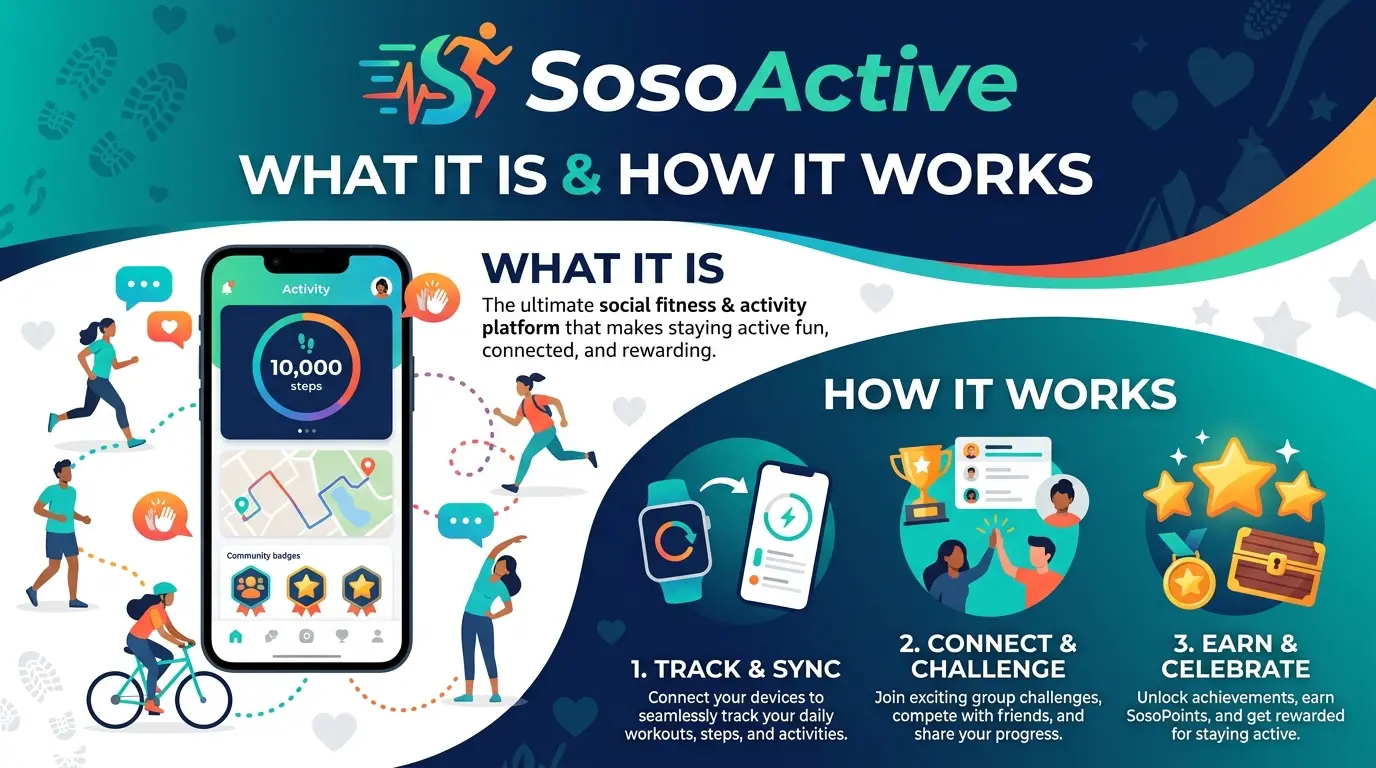
SosoActive is a name that can appear in searches related to digital media, online publishing, lifestyle content, and business-related websites. Because the name has been used across different online properties, it is important to look at the specific SosoActive website or platform being discussed rather than assuming they are all the same business.
For someone researching the term, understanding its online presence, content focus, and purpose is a useful starting point.
What Is SosoActive?
SosoActive is an online name associated with digital content and web publishing. Depending on the website or context, the term may refer to a publication, content platform, or website offering information across several categories.
This is why a search for SosoActive can produce different types of results. The exact domain matters when trying to determine what a particular SosoActive website does.
What Type of Content Can You Find?
SosoActive-related websites can cover a broad range of subjects rather than focusing on a single narrow topic.
Common areas associated with the name include:
- Lifestyle
- Business
- Technology
- Marketing
- Fashion
- Entertainment
- Online trends
- General informational content
The mix of categories can change over time as a website develops its editorial direction.
Why Does SosoActive Appear in Online Searches?
Names such as SosoActive can appear in search results for several reasons. A website may publish new articles regularly, target different informational topics, or build visibility through references from other websites.
Search visibility also depends on factors such as content quality, technical SEO, website structure, backlinks, and how closely individual pages match what people are searching for.
For this reason, simply finding a website in Google does not automatically indicate its overall authority or credibility.
SosoActive and Digital Publishing
The broader SosoActive name is particularly interesting from a digital publishing perspective because online publications can use multiple categories to attract readers with different interests.
A well-organized publishing website typically benefits from:
- Clear categories
- Useful original content
- Consistent publishing
- Descriptive page titles
- Easy navigation
- Strong internal linking
- A clear editorial purpose
These fundamentals can help a site build a stronger organic search presence over time.
Is SosoActive a Single Website?
Not necessarily.
One of the most important things to remember when researching SosoActive is that the name can be associated with different online properties. A domain such as SosoActive.com should not automatically be treated as identical to another website using the SosoActive name.
Checking the exact domain, current content, About page, authorship, and website history can help avoid confusion.
How to Research SosoActive
If you are evaluating a SosoActive website for business, publishing, or SEO purposes, start with the basics.
1. Check the Exact Domain
The domain is the first thing to verify. Similar names can belong to completely different websites.
2. Review Recent Content
Look at the latest articles and identify which topics the website is actually publishing.
3. Examine Website Categories
Categories can reveal whether the site has a focused editorial direction or covers many unrelated subjects.
4. Check Authors and About Information
Author pages and About sections can provide useful context about who operates the website and how it presents itself.
5. Look at Its Search Presence
Search the domain and individual article titles to see how consistently the website appears in search results.
Final Thoughts
SosoActive is an online name that can refer to different digital properties, making the exact website important when researching the term. Rather than judging the name alone, look at the domain, content, categories, authorship, and overall website activity.
For SEO or publishing research, this approach provides a more accurate picture than relying on the name or search ranking alone.
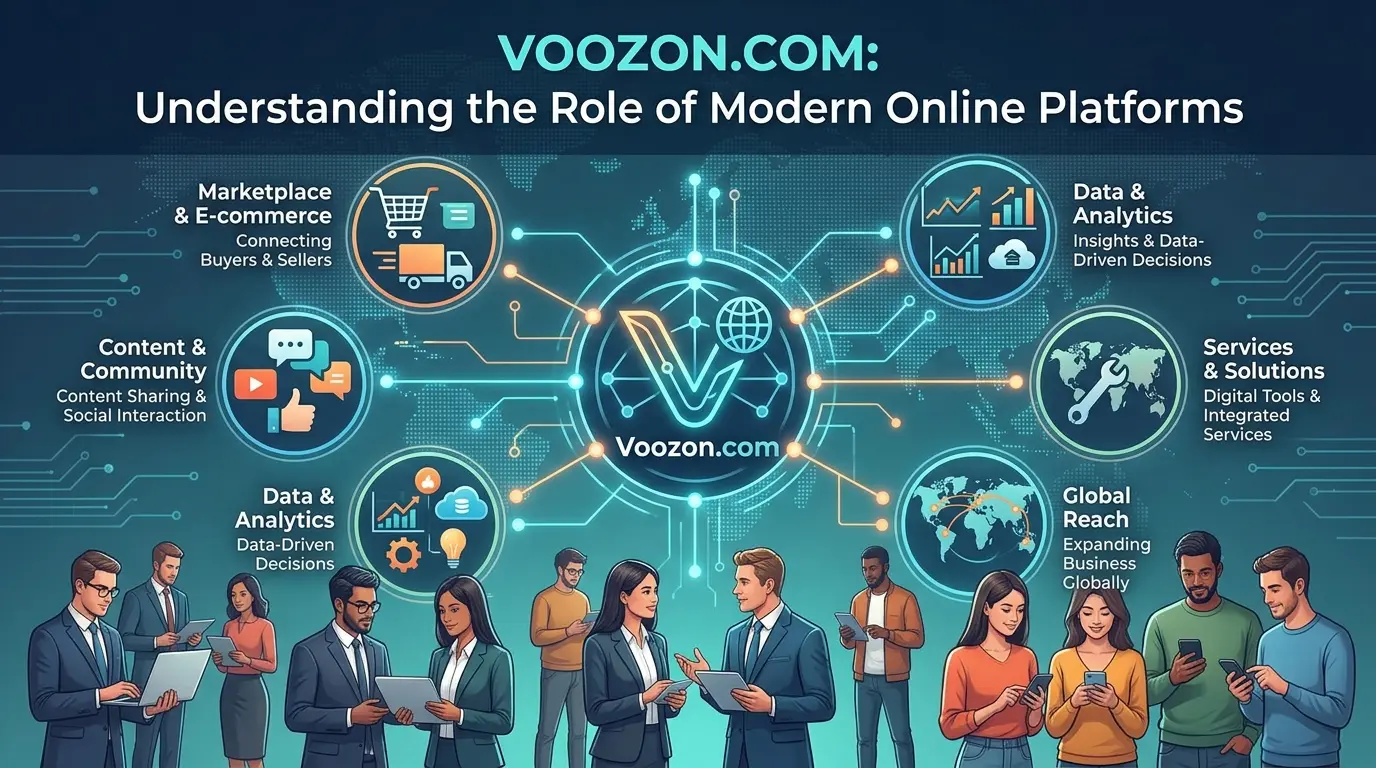
The internet has changed the way people discover websites, explore information, and interact with digital platforms. Every day, users come across new websites through search engines, social media, recommendations, and online communities.
In this environment, a website needs to offer more than a memorable domain name. It needs a clear purpose, useful content, and an experience that makes sense to the people visiting it.
Voozon.com is one of the names that can attract attention in this growing digital landscape. Like many modern online platforms, its value depends not only on being discoverable but also on how effectively it serves visitors and communicates what it offers.
Why Website Discovery Matters
Finding a useful website is often the first step in a much longer online journey.
A person may discover a domain while searching for a specific topic, clicking a shared link, or browsing recommendations. If the website immediately communicates its purpose, visitors can decide whether the content is relevant to them.
This is why clarity matters so much in digital publishing.
A simple navigation structure, readable content, descriptive page titles, and a consistent design can make it easier for visitors to understand a website without having to search through multiple pages.
What Makes an Online Platform Useful?
A successful online platform usually solves a problem or provides something people want.
That could be information, entertainment, educational material, tools, community features, or access to a particular type of service. The exact purpose can vary, but the principle remains the same: visitors need a reason to stay.
For websites such as Voozon.com, building a clear digital identity is therefore important. A visitor should be able to understand the website’s purpose without unnecessary explanations.
The easier that process becomes, the more comfortable users are likely to feel while exploring the site.
The Importance of User Experience
User experience is sometimes treated as a design issue alone, but it affects almost every part of a website.
Consider a typical visitor. They may be using a phone, have limited time, and arrive from a search result without knowing anything about the website beforehand.
If the page is difficult to navigate, overloaded with distractions, or slow to communicate its main purpose, the visitor may simply leave.
A better experience usually starts with simple fundamentals:
- Clear navigation
- Readable typography
- Logical page structure
- Mobile-friendly layouts
- Useful and relevant content
- Fast access to important information
These elements do not need to be complicated. In many cases, simplicity makes a website easier to use.
How SEO Helps People Find Websites
Search engine optimization plays an important role in website discovery.
When someone searches for Voozon.com, the intent is different from a person searching for a general topic related to the website. A branded search often indicates that the user already knows the name and wants to find the correct destination.
This makes accurate branding particularly important.
For broader searches, however, a website needs content that answers specific questions and matches the reason behind the search. That means creating useful pages around real topics instead of producing articles simply to insert keywords.
Writing Content for Real People
One of the biggest mistakes in SEO writing is forgetting who will actually read the page.
Keywords are useful because they help describe a topic, but they should not control every sentence.
Natural writing usually performs better from a reader’s perspective. Instead of repeating Voozon.com unnecessarily, a well-written article can mention the name where it is genuinely relevant and then use natural variations when discussing the broader topic.
The result is easier to read and feels more like editorial content than an advertisement.
Why Content Quality Still Matters
A website can have excellent technical SEO and still struggle to keep visitors if the content provides little value.
Useful content should answer questions, explain concepts clearly, or help readers make sense of something they are interested in.
For publishers, this means avoiding unnecessary filler. A longer article is not automatically a better article. What matters is whether each section contributes something useful.
This approach also makes content easier to update because every section has a clear purpose.
Building Trust Online
Trust is another important part of the modern web.
Visitors are more comfortable with websites that clearly explain who they are, what they offer, and how their content should be understood.
Consistent branding, accurate information, transparent navigation, and professional presentation can all contribute to a more trustworthy experience.
For any growing platform, these details can matter just as much as attracting the initial visitor.
The Future of Online Platforms
The internet continues to become more crowded, but that does not mean there is no room for new websites.
What has changed is the standard visitors expect.
People have become accustomed to finding information quickly. They expect websites to work well on mobile devices, understand what a page is about almost immediately, and provide a straightforward path to useful information.
This creates an opportunity for platforms such as Voozon.com to establish a recognizable presence by focusing on clarity, usability, and relevant digital content.
Final Thoughts
A strong online presence is built over time. A memorable domain can help people recognize a platform, but useful content and a positive user experience give them a reason to return.
Voozon.com fits into a broader digital environment where discoverability, content quality, usability, and clear communication all play an important role.
For website owners and publishers, the lesson is straightforward: SEO should help people find useful content, not replace the need for it. When search visibility and genuine reader value work together, a website has a stronger foundation for long-term growth.

Moving into a first commercial property is a big change for any growing business. New owners often focus on the monthly rent and overlook expenses that come with operating a larger space. Businesses considering industrial properties from Industrial Realty Solutions should build a realistic budget before deciding how much space they can comfortably afford.
Rent Is Only the Starting Point
The advertised rental rate is usually the first number a business owner notices. However, the lease may require the tenant to pay other property expenses in addition to basic rent. Understanding those charges can prevent an affordable looking building from stretching the budget too far.
Owners should ask exactly what the quoted rent includes before comparing properties. Taxes, insurance, maintenance, and common area expenses may be handled differently from one lease to another. Looking at the estimated total monthly cost provides a much more useful comparison.
Utilities Can Be Surprisingly Expensive
A small home office does not prepare most owners for the utility costs of a commercial building. Warehouses, workshops, and other industrial spaces can require considerable electricity for lighting, equipment, ventilation, heating, or cooling. Water, internet, waste removal, and other services can further increase the monthly bill.
Utility costs can vary considerably depending on the building and type of operation. Owners can ask about previous usage, but remember another tenant may have operated very differently. Estimating expected consumption based on the company’s own activities gives the budget a more realistic starting point.
Improvements Can Eat Into the Moving Budget
A vacant property rarely fits a new tenant perfectly on the day the lease begins. The business might need shelving, additional electrical outlets, office partitions, security equipment, signage, or changes to loading areas. Even relatively simple improvements can add up quickly when several are needed at once.
Owners should decide which improvements are essential before signing a lease. They can also ask whether the landlord will complete certain work or provide an allowance toward approved improvements. The lease should clearly address any agreement about improvements rather than leaving it to an informal conversation.
Moving Costs Add Up Quickly
Moving a business involves much more than hiring a truck for a few hours. Equipment may need professional handling, inventory has to be transported, and employees can lose productive time while everything is being moved. You may also need new furniture, shelving, packaging supplies, and storage equipment.
Some businesses will experience slower operations during the transition. Orders can take longer to fill while products are being moved and new work areas are organized. Leaving room in the budget for these disruptions can make the move less financially stressful.
Deposits Require Cash Up Front
First time tenants sometimes concentrate so heavily on monthly costs that they overlook the amount needed before moving in. Security deposits, initial rent, utility deposits, insurance payments, and other charges may all be due around the same time. That can put significant pressure on the company’s available cash.
Owners comparing industrial leasing opportunities should calculate how much money they’ll need before the first normal month of operation begins. Spending nearly all available cash on the move can leave little room for payroll, inventory, or unexpected repairs. Keeping a reserve provides some breathing room during the transition.
Insurance Needs May Change
Moving a business out of the home can change the kind of insurance it needs. A commercial lease may require certain coverage before the business can even move into the building. The company may also need to think about protecting its equipment and inventory, along with risks involving employees, customers, and vehicles used for work.
It is worth talking to an insurance professional while working out the budget rather than waiting until the lease is ready to sign. Getting a few figures early makes it easier to see how much insurance will add to the monthly expenses. It also helps avoid a last minute surprise that could make the move more expensive than planned.
Maintenance Responsibilities Need Attention
When something breaks in a commercial building, the landlord isn’t always responsible for fixing it. The lease may put certain repairs on the landlord while making the tenant responsible for routine upkeep or specific parts of the property. Business owners who assume every repair is included in the rent could end up facing costs they never planned for.
That is why the maintenance section of the lease deserves a close look before anything is signed. Responsibilities for plumbing, heating, doors, landscaping, parking areas, and other parts of the building can vary from one property to another. Knowing what the business must maintain makes it much easier to set aside enough money for those expenses.
Final Thoughts
The monthly rent is only one part of what a business will spend when moving into its first commercial property. Deposits, utilities, insurance, repairs, improvements, and other expenses can add up quickly and put more pressure on the budget than expected. Before choosing industrial properties from Industrial Realty Solutions, owners should have a clear idea of what the entire move will cost and what they can comfortably afford each month.
-

 BLOG1 year ago
hanime1: The Ultimate Destination for Anime Lovers
-

 Technology1 year ago
GLAADVoice.com: How You Can Get Involved and Make a Difference
-

 BILLS1 year ago
Why Does My Instagram Reel Stop Getting Views After One Hour? How to Fix It?
-

 ENTERTAINMENT1 year ago
Crackstreams 2.0: The Future of Free Sports Streaming?
-

 ENTERTAINMENT1 year ago
Sflix: How It’s Changing the Way We Watch Movies and TV Shows
-

 BLOG1 year ago
NHentai.nef: Understanding the Popular Hentai Archive
-

 BLOG1 year ago
ThisVid: What Makes It Stand Out in the World of Online Videos
-

 BLOG1 year ago
Imginn: The Ultimate Tool to View Instagram Content Anonymously