
HEALTH
Why Functional Blood Testing Is Essential for Holistic Health Assessment

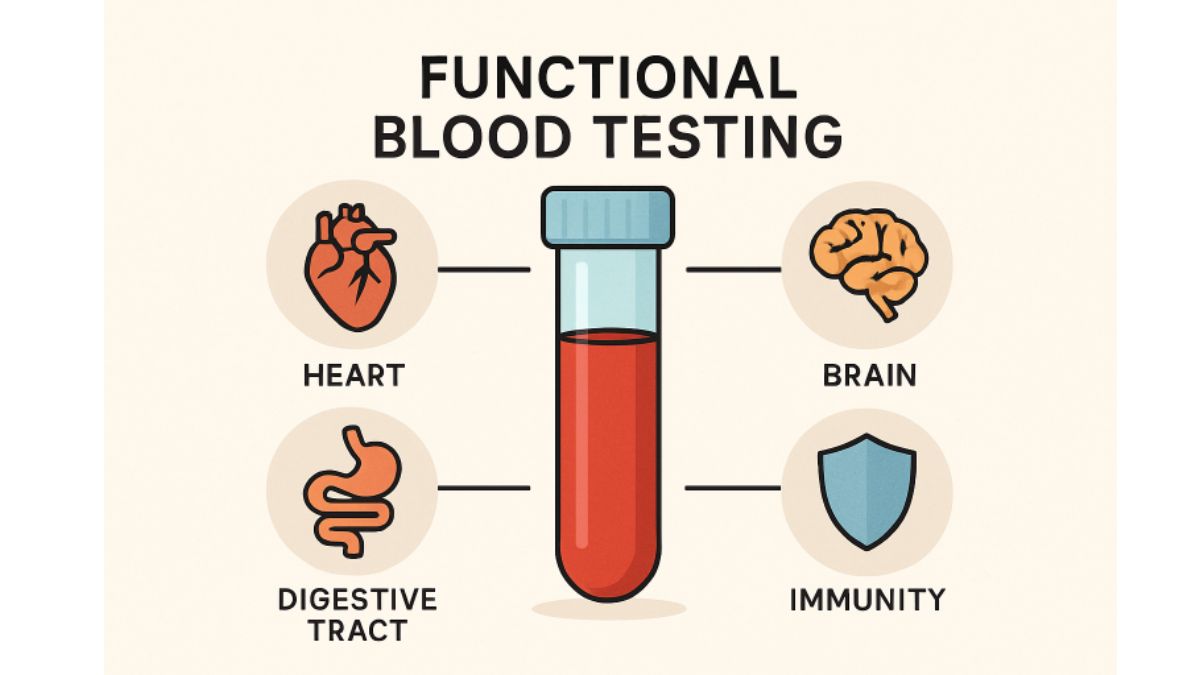
Understanding Functional Blood Testing
In the realm of modern wellness, understanding our bodies more deeply has become increasingly important. Functional blood testing has emerged as a powerful tool for those looking to go beyond surface-level diagnostics and uncover the intricacies of their underlying health. Unlike standard lab tests that merely screen for diseases, this comprehensive testing approach evaluates how well the body’s physiological systems function and interact, pinpointing subtle imbalances before they escalate.
Functional blood testing seeks to answer the “why” behind symptoms, not just the “what.” This holistic testing method captures the dynamic relationships among organs, nutrient levels, hormones, and immune markers, enabling health practitioners to identify root causes and develop more precise care strategies.
With its focus on prevention and optimization, functional blood testing empowers individuals to be proactive about their health by highlighting areas for intervention. This sort of insight can be particularly valuable for people experiencing chronic symptoms that don’t fit neatly into traditional diagnostic boxes. Standard lab work might miss early warning signs, but functional assessments reveal imbalances far earlier.
By informing clients with carefully analyzed data, functional blood tests bridge the gap between basic checkups and truly personalized wellness plans. This comprehensive approach supports long-term health, providing clues not only to avert potential diseases but to enhance daily well-being.
Key Benefits of Functional Blood Testing
- Personalized Health Insights: Functional blood tests assess a range of biomarkers, delivering tailored information for each individual. The resulting insights enable targeted recommendations, such as nutritional adjustments, lifestyle shifts, or supplementation, tailored to a client’s unique physiology.
- Early Detection of Imbalances: These tests are calibrated to catch deviations from optimal functioning long before they manifest as chronic illnesses or acute symptoms. This enables early intervention, reducing risk and supporting sustained vitality.
- Holistic Health Evaluation: A key hallmark of functional blood assessments is their inclusion of interconnected body systems, including the thyroid, adrenal, immune, digestive, and more. By viewing these systems as a whole, practitioners help clients understand how imbalances in one area can ripple through the body, influencing its overall harmony.
Applications in Holistic Health
Functional blood testing can guide a wide variety of wellness pathways. In digestive health, these tests often measure markers of inflammation and gut microbiome balance, key indicators of conditions like leaky gut syndrome or irritable bowel syndrome (IBS). For hormone health, advanced panels measure thyroid hormones, cortisol, and sex hormones, which can reveal hidden imbalances linked to fatigue, weight changes, or mood disorders.
Nutritional status is another common area of focus. Detailed blood panels illuminate deficiencies in vitamins, minerals, and key amino acids—factors that can manifest as brain fog, low immunity, hair loss, or muscle weakness. Similarly, markers of systemic inflammation, such as C-reactive protein (CRP), are pivotal in predicting future risk for heart disease, metabolic syndrome, and autoimmune conditions. Proactive assessment here can help guide tailored dietary, supplement, and lifestyle choices.
Functional Blood Testing vs. Standard Blood Work
Traditional blood tests have long been the cornerstone of conventional healthcare, providing valuable information for diagnosing acute illnesses or monitoring obvious symptoms. Their primary focus is on detecting disease rather than optimizing wellness, and their reference ranges are often broad. This means that subtle imbalances—early indicators of potential health concerns—may go unnoticed. Functional blood testing, by contrast, applies narrower, evidence-based ranges and examines patterns across multiple biomarkers. This approach can identify risks such as nutrient deficiencies, hormone imbalances, or early metabolic changes long before they manifest as disease. For example, standard testing might classify a vitamin D level of 30 ng/mL as “normal,” yet functional medicine research suggests that levels closer to 50–70 ng/mL may better support optimal immune function, bone health, and mood regulation. By shifting the focus from merely preventing disease to promoting optimal functioning, functional blood testing provides a proactive roadmap for long-term wellness.
Moreover, functional testing often includes panels not routinely assessed in conventional labs, such as oxidative stress markers, inflammatory cytokines, or micronutrient cofactors. By analyzing how these markers interact, practitioners can uncover hidden stressors affecting energy, sleep, and overall resilience. This integrative approach also empowers individuals to make data-driven lifestyle changes, such as tailored nutrition, supplementation, or stress management strategies, creating a truly preventive healthcare strategy rather than a reactive one.
Integrating Functional Blood Testing into Your Health Routine
Incorporating functional blood testing into a regular health routine can transform how individuals understand and care for their bodies. Most practitioners recommend assessments every six to twelve months, providing a longitudinal view of how interventions—dietary adjustments, supplements, exercise, or sleep optimization—impact key biomarkers over time. This repeated monitoring allows for early detection of shifts in nutrient status, hormone balance, or metabolic function before they become problematic.
Choosing the right practitioner is equally essential. Functional medicine-trained providers are equipped to interpret complex biomarker patterns rather than isolated results. They can translate the data into actionable steps, designing personalized wellness plans that address root causes rather than merely treating symptoms. For example, an individualized plan may involve a combination of dietary tweaks, targeted supplementation, and lifestyle adjustments tailored to support adrenal health, gut function, or cardiovascular efficiency.
The integration of functional blood testing also aligns with broader wellness trends that emphasize preventive and personalized care. By understanding unique physiological patterns, individuals can set realistic, evidence-based goals—whether aiming to increase energy, improve mental clarity, optimize hormones, or prevent long-term disease. Over time, this personalized, data-driven approach fosters sustainable health improvements, giving individuals tangible insights into how lifestyle choices impact their well-being at a molecular level.
Conclusion
Functional blood testing represents a paradigm shift in healthcare, bridging the gap between traditional diagnostics and holistic, proactive wellness. Unlike standard tests that focus on detecting disease, functional analysis emphasizes understanding how the body functions optimally, catching imbalances early, and addressing them at their root cause. Its integrative philosophy empowers individuals to take control of their health, supporting not only prevention but also enhancement of physical, mental, and emotional well-being.
By viewing health as a dynamic equilibrium rather than a binary state, functional blood testing provides actionable insights that inform decisions on nutrition, supplementation, stress management, and lifestyle interventions. As technology advances and research continues to uncover the nuances of human physiology, functional blood testing is poised to play an increasingly central role in personalized healthcare. For those committed to proactive self-care, it offers an unprecedented depth of understanding and a clear roadmap toward sustained vitality and resilience.

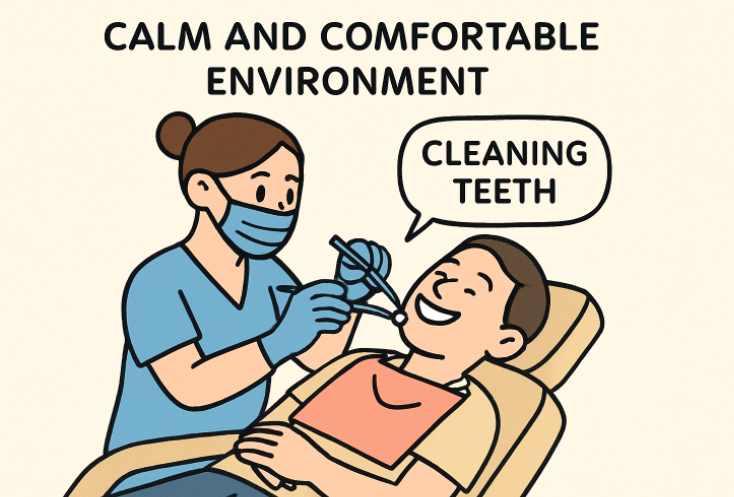
Visiting the dentist for a routine dental cleaning is one of the most important steps you can take to ensure a healthy smile. For many, the idea of sitting in the dental chair can create uncertainty, but understanding the process can make the experience much more comfortable. Routine cleanings are straightforward, painless, and play a crucial role in keeping your teeth and gums healthy. If you are looking for more information on how to prepare for your next visit or to schedule a cleaning, explore the services available at dentistsofhinsdalelake.com
Dental cleanings are recommended every six months for most individuals. These appointments not only help remove built-up plaque and tartar but also provide your dentist with the opportunity to catch dental concerns before they develop into more serious problems. Regular cleanings are an easy way to preserve your oral health and your smile.
Despite the familiarity of a regular dental visit, many patients are not fully aware of what happens during a routine cleaning. The process can be broken down into several stages, each contributing to your overall dental health. Knowing what each step entails can help ease any anxiety you might feel and ensure you get the most from your appointment.
Dental cleanings are not just about aesthetics. They play a vital role in preventing gum disease, cavities, and other oral health issues. When plaque and tartar are allowed to build up, they can lead to inflammation and infection that compromise not only your mouth but your overall health as well.
Table of Contents
- The Initial Examination
- Scaling and Removal of Plaque and Tartar
- Polishing and Flossing
- Fluoride Treatment
- Oral Health Advice and Next Steps
- Conclusion
The Initial Examination
Your dental cleaning begins with a thorough examination performed by either a dental hygienist or your dentist. This examination involves checking your mouth, gums, and teeth for any visible issues. The hygienist uses a small mirror to closely inspect around teeth and gums for signs of inflammation or concern, such as gingivitis or clear cavities. During this inspection, your dentist might also evaluate your bite, review your recent medical history, and discuss any symptoms you’ve noticed since your last visit.
Scaling and Removal of Plaque and Tartar
After the initial check, the hygienist will use specialized dental instruments to remove plaque and tartar from your teeth. This stage, called scaling, involves gently scraping these deposits from both above and below the gum line. Plaque is a sticky film of bacteria, and if not removed, it hardens into tartar, which can only be cleaned professionally. Attention is given to troublesome areas where plaque builds up most quickly, such as between teeth and behind molars. The hygienist takes care to work precisely and comfortably, allowing you to ask for short breaks if needed.
Polishing and Flossing
Once the scaling is complete, the next step is polishing the teeth. Using a high-powered electric toothbrush and gritty polishing paste, the hygienist thoroughly cleans and shines each tooth. This not only makes your teeth look and feel smooth but also helps remove surface stains. After polishing, the hygienist will floss your teeth to remove any remaining debris and to ensure that every area between your teeth is clean. This step helps demonstrate proper flossing technique that you can use at home.
Fluoride Treatment
Many routine cleanings conclude with a fluoride treatment, which helps to strengthen tooth enamel and prevent cavities. Fluoride may be applied as a sticky gel, foam, or varnish, and is typically left on the teeth for one to several minutes. Patients are usually asked to avoid eating or drinking for 30 minutes after this treatment to allow full absorption. Fluoride treatment is especially beneficial for children and those at higher risk of tooth decay, as recommended by the American Dental Association.
Oral Health Advice and Next Steps
Before you leave, the dental hygienist or dentist will often discuss their observations and offer personalized oral health advice. This may include recommendations for brushing and flossing techniques, dietary suggestions, or advice on products such as mouthwash. You may also discuss scheduling your next cleaning or follow-up treatments if the dentist spots issues such as cavities, gum disease, or dental alignment problems during the cleaning.
Conclusion
Routine dental cleanings are essential for maintaining oral health and catching potential problems early. By understanding each step of the cleaning process—from examination and scaling to fluoride treatment and professional advice—you can approach your appointment with confidence. Regular dental visits support healthy teeth and gums for life, making them a non-negotiable part of your wellness routine.

Seeing your child injured by a dog is a parent’s worst nightmare. The shock is visceral, and the panic is immediate. In that moment, it is completely normal to feel overwhelmed, scared, and unsure of what to do next. You might be worried about the severity of the wound, the infection risk, or how to handle the situation if the dog belongs to a neighbor or friend.
You are not alone in this experience. Children are the most common victims of the 4.5 million dog bites that occur annually in the U.S. However, knowing that statistics exist doesn’t make the trauma any easier to process.
Phase 1: Immediate Medical Action (The First Hour)
Your focus in the first hour is purely physical. The goal is to minimize damage to the tissue and drastically reduce the risk of infection.
Stop the Bleeding & Clean
Before you rush to the car, take a moment to treat the wound site. If the wound is bleeding, apply direct, firm pressure with a clean cloth or sterile gauze. Elevate the injured area above the heart if possible.
Once bleeding is controlled, flush the wound immediately. Use mild soap and warm running water for at least five to ten minutes. This isn’t just about removing dirt; it’s about reducing the bacterial load introduced by the dog’s saliva.
The Infection Risk
Do not skip professional care, even for wounds that look minor. Dog mouths carry a variety of bacteria that can cause severe complications. According to the CDC, approximately 1 in 5 dog bites becomes infected.
This high rate of infection makes a visit to the ER or Urgent Care mandatory. A doctor needs to assess the depth of the puncture, which often extends deeper than it appears on the surface, trapping bacteria against bone, muscle, or connective tissue. Facial injuries are particularly concerning—bites to the eyes, nose, or mouth can require reconstructive surgery and may result in permanent disfigurement. Head trauma from bites can also cause concussions, skull fractures, or even traumatic brain injuries with long-term cognitive or developmental effects. In rare but severe cases, untreated infections or extreme injuries can be life-threatening, underscoring the need for urgent medical evaluation.
Because of these risks, prompt medical attention is essential—but it’s also critical to understand your legal options. Consulting dog bite lawyers can help ensure that medical costs, reconstructive procedures, long-term care, and even critical or fatal injury considerations are fully addressed, protecting both your child’s health and future.
To Stitch or Not to Stitch
Parents are often surprised when a doctor decides not to stitch a dog bite wound. It might feel like they aren’t “fixing” it, but this is often the standard of care.
According to the American Academy of Pediatrics, many bite wounds should be left open to heal. Closing a puncture wound with sutures can trap bacteria inside, creating an abscess or serious infection. Exceptions are usually made for severe wounds or those on the face where cosmetic scarring is a major concern. Trust the medical team’s judgment on this, but ask questions if you are unsure.
Rabies Assessment
You must confirm the dog’s vaccination status immediately. If the dog is a stray or the owner cannot provide proof of a current rabies vaccination, your child may need to undergo a series of preventative rabies shots. These are painful and expensive, so locating the vaccination record is a top priority during this first hour.
Phase 2: Preserving Evidence & Legal Rights (Hours 2–12)
Once your child is medically stable and the immediate health crisis is managed, your role shifts. You are no longer just a caregiver; you are the lead investigator in your child’s case.
The Ticking Clock on Evidence
Evidence is temporary. Physical signs of the attack at the scene can be cleaned up, rain can wash away blood, and witness memories become fuzzy within hours. If the dog owner is a neighbor, they may attempt to fix a broken fence or hide the dog to change the narrative of how the attack happened. You cannot wait until tomorrow to document what happened today.
Report the Incident
You must create an official paper trail. Call Animal Control or the local Police Department to file a report. This applies even if the dog belongs to a friend, relative, or neighbor.
Without an official report, the incident becomes a “he said, she said” situation. An official report documents the dog’s history, the owner’s details, and the circumstances of the bite, which is crucial for any future insurance claim.
Documentation Checklist
While the details are fresh, gather the following:
- Photos of Injuries: Take clear, high-resolution photos of your child’s injuries before they are bandaged, if possible. Continue to take photos throughout the healing process.
- The Scene: Photograph the location where the attack happened. Look for gaps in fences, open gates, or lack of “Beware of Dog” signs.
- The Dog: If safe to do so, get a picture of the dog involved.
- Owner Information: Collect the name, address, phone number, and homeowner’s insurance information of the dog owner.
- Witnesses: Get names and contact info for anyone who saw the attack.
Phase 3: Handling the Dog Owner and Insurance (Hours 12–24)
As the first day winds down, the reality of the situation sets in. This is often when external pressures begin to mount, and mistakes are easily made.
The “Neighbor Trap”
If the dog owner is a neighbor, they may approach you with an apology and an offer to pay your medical bills “out of pocket” to avoid getting insurance involved. They might beg you not to report the dog to Animal Control.
Do not agree to this. You cannot predict the future costs of your child’s recovery. If your child develops a keloid scar requiring plastic surgery five years from now, a neighbor’s handshake deal will not cover it. “Settling privately” almost always results in the victim being undercompensated. Consulting a dog bite lawyer usually comes at no cost, giving you a chance to get informed first.
The Financial Reality
A dog bite is a major financial event. It is rarely a matter of a few hundred dollars for stitches. The average cost of a dog bite claim rose to $69,272 in 2024.
This figure reflects the skyrocketing cost of medical care, specialized surgeries, and liability. Insurance companies are aware of these costs, and their primary goal is to pay you as little as possible to protect their bottom line.
Silence is Safety
You will likely be contacted by the dog owner’s insurance adjuster very quickly. They may sound friendly and concerned, asking for a recorded statement to “clear things up.”
Do not give a recorded statement.
Insurance adjusters are trained to ask leading questions that shift blame onto the victim. They may try to get you to say your child “provoked” the dog or that the injury “isn’t that bad.” Anything you say can be used to devalue your claim. Direct all communication to your dog bite attorney.
Conclusion
The first 24 hours after a dog bite are chaotic, but they are also decisive. By prioritizing immediate medical safety, securing evidence before it fades, and obtaining legal protection, you are doing everything in your power to mitigate the harm done to your child.
Remember, filing a claim is not about “suing a neighbor” or being difficult. It is about protecting your child’s future and ensuring the resources are there for whatever recovery looks like—physically, emotionally, and financially.

Understanding Chronic Pain
Chronic pain is a long-term condition that persists for at least 12 weeks and often results from issues such as arthritis, spinal injuries, or ongoing stress. For millions, it restricts movement, disrupts sleep, and leads to emotional distress. Unfortunately, many conventional approaches to pain management focus primarily on medication. These solutions may only provide temporary relief and often fail to address the source of the pain, potentially leading to dependency and side effects.
As a result, those living with chronic pain frequently feel frustrated by stalled progress, diminished activity levels, and recurring symptoms. Without an effective strategy that targets the underlying cause, regaining optimal health and autonomy becomes a continuous struggle. This is where specialized chiropractic care stands apart: targeting root issues rather than merely covering up discomfort.
Freedom Chiropractor is a trusted healthcare provider based in Southern New Jersey, deeply committed to helping patients throughout the region reclaim their quality of life through precise, non-invasive chiropractic solutions. As leaders in chiropractic care, Freedom Chiropractor has built a reputation for compassionate, effective treatments founded on scientific principles and a patient-centered approach. Their experienced team specifically addresses both chronic pain and overall wellness, making them an authority in the field for those seeking lasting relief.
Chiropractic Care as a Solution
Unlike many standard medical approaches, which often rely on prescription medications, chiropractic care focuses on the musculoskeletal and nervous systems, especially the spine. Licensed chiropractors use spinal adjustments alongside other manual therapies to align the body and restore balance. This technique reduces nervous system interference and supports the body’s innate healing processes, making it a practical, holistic path to pain relief.
By identifying and correcting misalignments, chiropractic care aims to address the root cause of discomfort. This means targeting not just the pain itself but also improving mobility, posture, and overall bodily function. As a result, it is widely used to manage chronic back pain, neck pain, headaches, joint problems, and even issues such as poor sleep or fatigue stemming from persistent musculoskeletal imbalances.
Services Offered by Freedom Chiropractor
Freedom Chiropractor’s array of services is designed to serve patients with diverse needs and health backgrounds. Individualized care plans are developed following thorough assessment and diagnostic imaging, allowing for highly tailored interventions.
- Spinal Adjustments: These hands-on techniques improve spinal alignment, decrease nerve irritation, and optimize nervous system function. Patients often experience immediate improvements in posture and mobility.
- Decompression Therapies: Non-surgical spinal decompression gently relieves pressure on herniated or degenerated discs, making it especially beneficial for those struggling with sciatic pain or disc conditions.
- Electrical Stimulation Therapies: Controlled electrical impulses help reduce muscle spasms and provide targeted pain relief, offering an adjunct for those with muscle tension or nerve-related discomfort.
- On-Site X-Rays: Diagnostic imaging is performed to gain a clear picture of spinal health and underlying structural concerns, ensuring an accurate and safe approach to treatment.
- Massage Therapy: Licensed therapists complement chiropractic care by releasing muscular tension, increasing circulation, and promoting relaxation, which supports overall healing and stress reduction.
Each of these services is crafted to address patient-specific challenges. Whether managing pain from injury, chronic misalignment, or lifestyle stressors, Freedom Chiropractor’s multidisciplinary approach ensures that care is both effective and enduring.
Evidence Supporting Chiropractic Care
Extensive research highlights the value of chiropractic care in chronic pain management. According to a national survey, a large majority of adults who visit chiropractors report substantial relief, particularly for back and neck pain. In several independent studies, patients under chiropractic care experience measurable improvements in pain severity, flexibility, and daily functionality, including a reduced need for prescription pain medications.
Leading health organizations, such as the Mayo Clinic, acknowledge the safety and efficacy of chiropractic adjustments when performed by licensed professionals. Evidence indicates that regular chiropractic care can also help manage headaches, sports injuries, and even some postural or balance concerns, making it a versatile option for those seeking comprehensive, non-invasive pain relief.
Final Thoughts
Chronic pain doesn’t have to control your life. Freedom Chiropractor offers a holistic, non-invasive approach that targets the root causes of discomfort rather than just the symptoms. By combining evidence-based techniques such as spinal adjustments, decompression therapy, and massage with individualized care plans, patients can regain mobility, reduce pain, and improve overall well-being. With a focus on long-term health, education, and personalized support, Freedom Chiropractor empowers individuals to reclaim their quality of life and maintain lasting wellness.
Frequently Asked Questions
Is chiropractic care safe?
Chiropractic care is recognized as safe and effective for a wide range of conditions when delivered by licensed professionals. Risks are minimal, and practitioners use thorough assessments and gentle, evidence-based techniques.
How many sessions are typically needed?
The number and frequency of treatment sessions vary based on each patient’s unique needs, health history, and goals. A customized plan is created during your first visit after a comprehensive assessment.
Can chiropractic care help with conditions other than back pain?
Yes. Chiropractic care addresses not just back pain but also neck pain, headaches, joint problems, postural challenges, and even recurring issues such as fatigue caused by misalignment or nerve interference.
Do I need a referral to see a chiropractor?
Often, no referral is needed. You can contact a licensed chiropractor directly for an evaluation and care plan.
Will my insurance cover chiropractic treatments?
Coverage depends on your insurance provider and policy type. Verifying with your insurance carrier before booking can clarify out-of-pocket costs and ensure coverage for your care.
-

 BLOG7 months ago
hanime1: The Ultimate Destination for Anime Lovers
-

 ENTERTAINMENT10 months ago
Sflix: How It’s Changing the Way We Watch Movies and TV Shows
-

 ENTERTAINMENT9 months ago
Crackstreams 2.0: The Future of Free Sports Streaming?
-

 BILLS10 months ago
Why Does My Instagram Reel Stop Getting Views After One Hour? How to Fix It?
-

 Technology10 months ago
Simpcitt: The Rise of a Unique Online Community
-

 BLOG8 months ago
Imginn: The Ultimate Tool to View Instagram Content Anonymously
-

 80s10 months ago
Favorite 100 Songs of the 80s: (#1) Michael Jackson – Billie Jean
-

 BLOG10 months ago
NHentai.nef: Understanding the Popular Hentai Archive