
BLOG
How to Match Living Room Rugs With Your Home Decor Style ?


A rug is one of those pieces you don’t always notice right away, until it’s wrong. Then, suddenly, the whole room feels a little off. Your sofa may be perfect, the paint color may be lovely, and the coffee table may be doing its job, but if the floor feels bare or disconnected, the room can still look unfinished. Nearly 29% of surveyed U.S. households planned to buy an area rug in the first half of 2023. So yes, you are definitely not the only one staring at rug samples and wondering which one actually works.
Transform Your Space With Rug Ideas That Match Your Decor
A good rug does more than keep your feet cozy. It pulls the seating area together, repeats colors from the room, softens hard surfaces, and gives the space a sense of purpose. Honestly, it can be the difference between “nice furniture” and “wow, this room feels done.”
If you want a quick feel for what’s out there, browsing living room rugs can help you compare shapes, colors, textures, and styles before you commit to one direction.
Color, Pattern, and Texture Set the Mood
Start with mood. Do you want calm and airy? Try a pale wool rug or a soft neutral flatweave. Want the room to feel warmer and more dramatic? A darker, patterned rug can instantly add depth.
When you’re matching rugs with decor, look at the items already carrying visual weight. That might be your sofa, artwork, curtains, or accent chairs. The rug should feel like part of that conversation, not like someone walked in and changed the subject.
Rug Trends That Define Modern Living Rooms
Once you understand the mood you want, trends can give you helpful direction. In 2024, organic shapes, vintage washes, clean geometric lines, and gentle neutral palettes are all showing up in stylish living rooms.
Handwoven and sustainable rugs are popular too, and for good reason. They feel a little more soulful than something overly perfect. Those tiny irregularities? They’re not flaws. They’re what make a room feel lived in.
How to Use Trends Without Overdoing It
The easiest way to use a trend is to let one feature lead. Choose a bold pattern in quiet colors, or pick a subtle pattern in a richer, moodier tone.
Trends should support your home, not take it hostage. If a rug works with the way you actually live, that’s the sweet spot.
Best Rugs for Living Room According to Decor Styles
The best rugs for living room spaces are not chosen by color alone. You also have to think about furniture shape, flooring, traffic, lifestyle, and the general feeling you want when you walk in.
Let’s break it down by decor style so the choice feels less like a guessing game.
Matching Rugs With Minimalist Decor
Minimalist rooms need warmth, but not clutter. A rug can bring softness without making the space feel busy. Look for ivory, beige, stone, taupe, or soft gray with a quiet texture.
Flatweave rugs, low-pile wool, and looped styles are all strong choices here. They keep the room clean and simple while preventing it from feeling cold or too staged.
Vibrant Rug Choices for Bohemian Interiors
Bohemian rooms can handle more personality. Think Moroccan-inspired motifs, faded jewel tones, layered textures, and rugs that feel collected rather than overly coordinated. A thoughtfully chosen rug is one of the easiest ways to refresh a room, adding warmth, character, and visual interest without replacing larger furniture pieces. It helps tie together different colors, patterns, and textures while enhancing the relaxed, eclectic feel that defines bohemian interiors.
Classic, Traditional, Farmhouse, and Scandinavian Rooms
Traditional rooms love a rug with history. Persian, Oriental, and medallion designs are reliable options when you’re choosing a rug for home decor with a classic look.
Farmhouse and Scandinavian spaces lean lighter and more natural. If you’re wondering how to match rugs with furniture, pair linen sofas, pale woods, and rustic tables with wool, jute, sisal, or muted vintage-style rugs. The goal is comfort without fuss.
Actionable Tips for Matching Rugs With Your Living Room Decor
Inspiration is great, but your rug still has to work in your actual room. Your walls, flooring, furniture layout, pets, kids, sunlight, and snack habits all matter. Yes, snack habits count.
When picking a rug, think about how it connects the room from the ground up.
Color Coordination Strategies That Look Intentional
Color is the quickest way to make a rug feel intentional. Choose one shade from your art, pillows, curtains, or throw blankets, then echo it in the rug.
It does not need to be an exact match. A navy sofa can look beautiful with a cream rug that has tiny navy details. Or you can go warmer with rust, camel, or terracotta for contrast.
Patterned Rugs and Furniture Balance
A pattern can bring a room to life fast. It can also make the room feel chaotic if everything is competing.
If your sofa is solid, you have more freedom to choose a lively patterned rug. If your curtains or chairs already have prints, go with a rug that has larger, softer shapes. Mixing scale keeps the room from feeling jumpy.
Materials Matter for Everyday Living
A gorgeous rug that wears badly will not stay gorgeous for long. In busy living rooms, material matters.
Wool is a favorite because it is durable, resilient, and fairly forgiving when spills are handled quickly. For homes with kids or pets, washable rugs and indoor-outdoor fibers can be very practical. Jute looks beautiful and relaxed, though it may not be the best choice for frequent spills or sensitive bare feet.
Innovative Rug Placement Ideas for Unique Living Rooms
Placement can completely change how a rug feels. Even the perfect color and pattern can look strange if the rug is floating in the middle of nowhere.
Do not assume everything has to be perfectly centered. Some rooms need a little flexibility.
Use Rugs to Define Zones
In open-plan spaces, a rug can create a living area without adding walls. Place the front legs of the sofa and chairs on the rug so everything feels connected.
For a reading nook, use a smaller rug under the chair and side table. It gives that corner its own quiet identity, which is lovely if you like having a little escape spot at home.
Try Asymmetry When the Room Allows It
Not every room needs perfect symmetry. An angled rug can soften a boxy space. An off-center rug can help balance a fireplace, large sectional, or awkward walkway.
The secret is confidence. If the placement looks intentional, people usually read it as stylish. If it looks accidental, well, they notice that too.
Quick Rug Size Reference
| Seating Layout | Rug Size That Usually Works | Best Placement Tip |
| — | —: | — |
| Small sofa and two chairs | 6′ x 9′ | Keep front legs on the rug |
| Standard sofa setup | 8′ x 10′ | Anchor the full seating group |
| Large sectional | 9′ x 12′ | Let the rug extend beyond the chaise |
| Open-plan living area | 10′ x 14′ | Use the rug to mark the zone |
Once the rug size and placement feel right, the room is ready for the fun part: personality.
Creative Ways to Personalize Your Living Room With Rugs
The rooms people remember usually feel personal, not copied straight from a showroom. Rugs are perfect for adding that personal layer because they bring color, texture, history, and mood all at once.
Here are a few ways to make your rug choice feel more like you.
Custom and Vintage Finds
A custom rug is helpful when standard sizes just do not work. Maybe your sectional is extra long, or your room has an odd shape. Custom sizing, borders, and colors can solve those tricky gaps.
Vintage rugs are another beautiful option. Their faded colors tend to be easier to live with than crisp, brand-new patterns, and they add instant character.
Layering for Character
Layering rugs works best when one rug is simple, and the other has more personality. A large jute rug under a smaller patterned rug is a classic move for boho, farmhouse, and relaxed modern rooms.
Keep the top rug centered near the coffee table. That one small choice makes the whole layered look feel tidy instead of tossed together.
DIY and Tech-Forward Options
If you like hands-on projects, consider binding a carpet remnant or giving an older rug a professional cleaning. Sometimes a piece with character just needs a little help.
For tech-friendly homes, heated rugs and washable smart-fiber styles are becoming more common. Not everyone needs them, of course, but in a chilly room, they can feel like a tiny luxury.
Expert-Approved Do’s and Don’ts When Choosing a Rug
Most rug mistakes come down to scale, size, or trying a little too hard to match everything. Before you buy, pause and look at how the rug will relate to your biggest furniture pieces.
A few simple checks can save you from an annoying return.
Do Choose the Right Scale
A rug that is too small can make the furniture look scattered. When in doubt, larger is usually better, especially with sectionals.
Good living room rug ideas usually begin with layout. Measure the seating area, not just the open floor space.
Don’t Match Everything Too Closely
It is tempting to match the rug directly to the sofa, curtains, and walls. But too much matching can make a room feel flat.
Instead, repeat colors in smaller ways. That is the quiet trick behind matching rugs with decor that feels natural rather than forced.
Do Test Before You Commit
Use painter’s tape to mark the rug size on the floor. Leave it there for a day. Walk around it. Sit with it. See if the room feels better or boxed in.
If samples are available, order them. Rug colors can shift a lot from morning light to evening light.
Final Thoughts on Matching Rugs With Decor
The right rug does not just cover the floor. It gives your living room shape, warmth, rhythm, and a sense of intention. Start with size, then think through color, pattern, material, and placement. Keep your decor style in mind, but leave room for a small surprise. A traditional rug can soften a modern room. A natural fiber rug can calm a busy one. When choosing a rug for home decor, the best choice is the one that makes the whole room feel settled.
Common Questions About Matching Living Room Rugs
- When choosing living room rugs, you may wonder: should a rug be lighter or darker than a couch?
A rug can be either, depending on the mood you want. Lighter rugs make a room feel open and airy, while darker rugs add contrast, warmth, and practicality, especially in homes with kids or pets.
- Should a rug match the sofa or walls?
Not too closely. A rug usually looks best when it relates to the sofa or walls through shared undertones, accent colors, or texture, while still offering enough contrast to define the seating area.
- What size rug works best with a sectional sofa?
Most sectionals need an 8′ x 10′ or 9′ x 12′ rug, depending on the room size. Ideally, the rug should sit under the front legs and extend beyond the chaise for a grounded look.


Faibloh is an unusual search term that invites questions about how unfamiliar words gain attention in today’s digital environment. As people encounter new names through websites, social media, online communities, and digital publications, they often turn to search engines to discover their meanings. Faibloh provides an opportunity to explore this behavior and understand why distinctive terms can attract interest even when their background is not immediately clear.
The internet introduces countless new expressions every day. Some represent businesses or products, while others originate from usernames, creative projects, or emerging online communities. Without reliable information, it can be difficult to determine which category an unfamiliar word belongs to.
Understanding faibloh therefore begins with curiosity and research rather than assumptions. Examining how people discover unfamiliar terms, how search engines organize information, and how publishers respond to emerging queries offers a clearer picture of the modern digital landscape.
What Makes Faibloh an Interesting Online Term?
Unfamiliar words often attract attention because they do not provide an obvious explanation. A recognizable name may suggest a product, place, or service, but an unusual expression can leave established service what it represents.
Faibloh has this characteristic of an unfamiliar keyword. Its spelling alone does not establish a particular meaning, origin, or connection to an established organization. Additional context is necessary before any specific interpretation can be considered reliable.
People encountering such terms may search for their definitions, look for websites using the same spelling, or compare references across different platforms. Their goal is usually straightforward: to replace uncertainty with useful information.
However, the presence of a word in search results does not automatically establish its popularity or legitimacy. A meaningful explanation requires supporting evidence, consistent references, and a clear understanding of where the term appears.
Faibloh and the Psychology of Online Curiosity
Curiosity influences many everyday internet activities. People investigate unfamiliar subjects because they want answers, clarification, or a better understanding of something they have encountered.
Why unfamiliar terms attract attention
An unfamiliar word creates an information gap. Readers recognize that something has caught their attention, but they may not know enough to understand its purpose.
Faibloh may prompt this response among people who encounter it without an explanation. Some may wonder whether it refers to a website, while others may simply want to understand the word itself.
This behavior demonstrates why specific search queries can develop around unusual expressions. People often investigate a term before deciding whether it deserves further attention.
How repeated exposure affects recognition
Seeing a name several times can make it seem familiar. A person who initially overlooks an unfamiliar expression may eventually search for it after encountering it in different contexts.
Nevertheless, familiarity should not be confused with credibility. Repeated references may come from independent sources, but they can also result from copied content or automated publishing.
Readers should examine the quality of the sources rather than relying on repetition alone. Reliable information depends on evidence, not simply on how frequently a phrase appears online.
Faibloh and Search Engine Optimization
Search engine optimization, commonly known as SEO, helps publishers organize information so that search engines and readers can understand its subject.
Understanding the search intent behind Faibloh
Search intent refers to the reason someone enters a particular query. A person searching for faibloh might want a definition, background information, a website reference, or clarification about something encountered online.
When the exact meaning remains uncertain, useful content should explain that limitation honestly. Inventing a detailed history or claiming that the term belongs to a specific company without evidence can mislead readers.
Publishers should investigate the available context and determine which questions can be answered accurately. This approach helps produce content that addresses genuine curiosity instead of simply repeating a keyword.
Using Faibloh naturally in an article
A target keyword can appear in the title, opening paragraph, and relevant headings. These placements make the subject clear without requiring excessive repetition.
Related expressions such as digital discovery, unfamiliar search terms, online research, and search behavior can expand the discussion naturally.
Keyword density is only one consideration in SEO. Clear writing, useful information, grammatical accuracy, and a good match with reader expectations are more important than forcing the same phrase into every section.
How to Research Faibloh Effectively
Research becomes particularly important when a term has an unclear or limited public background. A careful process can help distinguish reliable information from speculation.
Start with an exact search
Search for faibloh using its precise spelling. Examine whether the results refer to a consistent subject or several unrelated uses.
If the results are limited, avoid treating that absence of information as proof that the term has a particular meaning. It simply indicates that further evidence may be necessary.
Look for credible original sources
If the term appears to identify a business, website, or product, look for an official website, a verified profile, or reliable documentation.
Primary sources can help establish how an organization describes itself. Independent reporting and relevant public records may provide additional context.
A website’s existence alone does not prove that its claims are accurate or that its services are trustworthy. Readers should verify important details before relying on them.
Compare information and publication dates
Online information changes over time. An older page may describe a project that no longer operates, while a recent article may contain unverified claims.
Check publication dates, compare supporting evidence, and distinguish confirmed details from assumptions. If the meaning of faibloh remains unclear, acknowledge that uncertainty instead of manufacturing an explanation.
Common Mistakes When Writing About Faibloh
One common mistake is assigning an unsupported identity to an unfamiliar keyword. A writer might describe it as a technology platform, business, or popular service without having evidence to support those claims.
Another mistake is confusing online visibility with public recognition. Search results may contain references to a term without demonstrating that it has a substantial audience or established reputation.
Excessive keyword repetition can also weaken an article. Readers generally want meaningful explanations, not paragraphs that repeat the same phrase without adding information.
A stronger approach focuses on research, transparent wording, and relevant context. Every section should answer a useful question or explain an important aspect of the subject.
The Future of Digital Discovery and Faibloh
The internet continues to introduce unfamiliar names through creative projects, online communities, digital businesses, and social platforms. Some names gradually become recognizable, while others remain obscure or disappear from public attention.
Search engines make these expressions easier to investigate, but their long-term significance depends on context, actual usage, and the availability of reliable information.
For publishers, unfamiliar keywords can offer opportunities to answer specific questions. However, sustainable content strategies prioritize accuracy and relevance rather than producing articles based solely on a name.
Faibloh illustrates the importance of understanding a search term before making claims about it. Research can reveal whether the word has an established meaning, several possible uses, or very little documented context.
Conclusion
Faibloh offers a useful starting point for examining how unfamiliar words encourage curiosity and digital exploration. People often search for unusual terms because they want to understand their meaning, identify their source, or clarify a reference encountered online.
However, an unfamiliar name does not automatically represent a recognized brand, established service, or popular trend. Determining its significance requires credible sources, careful verification, and an honest assessment of the available evidence.
For website owners, the lesson is straightforward: effective SEO content should answer genuine questions, use keywords naturally, and provide useful information without relying on unsupported claims.
Ultimately, exploring faibloh demonstrates how online curiosity can lead to meaningful research. When accuracy and transparency guide that process, readers receive more value than they would from speculation alone.
Frequently Asked Questions
1. What does faibloh mean?
The exact meaning of faibloh has not been established by the information available for this article. A reliable source or additional context would be needed to confirm a specific definition.
2. Why might people search for faibloh?
People may encounter the term on a website, social platform, or online discussion and search for further information to understand its context.
3. Is faibloh a website or a brand?
The keyword alone does not establish whether faibloh identifies a website, brand, product, or another type of entity. Verification is necessary.
4. How can I research faibloh online?
Start with an exact-match search, review credible sources, check publication dates, and compare the context in which the term appears.
5. Can faibloh be used as an SEO keyword?
Yes. It can be a target keyword when the article provides relevant, accurate information and uses the phrase naturally.
6. What makes content about faibloh useful?
Useful content provides context, answers relevant questions, separates verified information from uncertainty, and avoids presenting unsupported assumptions as facts.
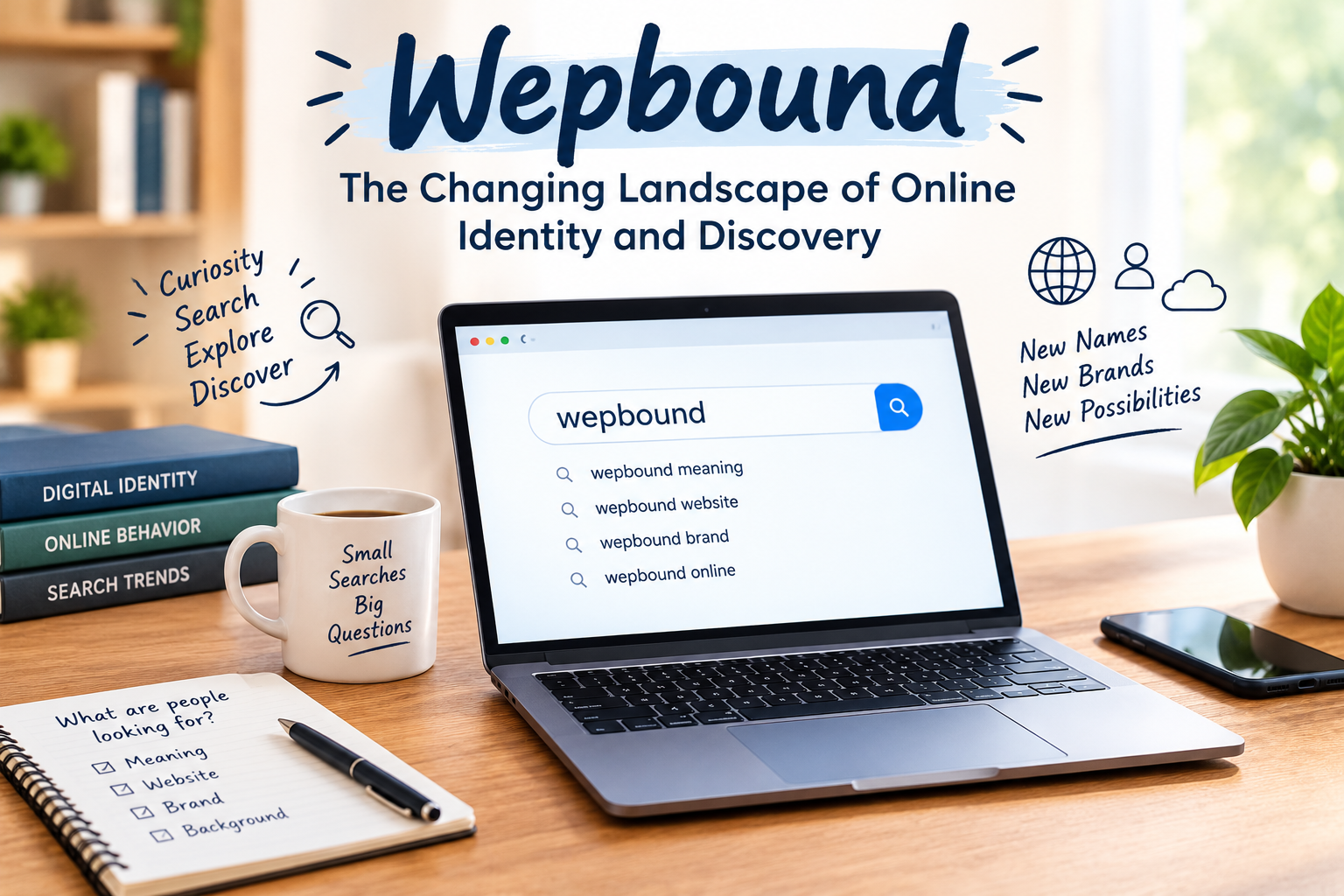
Wepbound is an unusual search term that offers an interesting starting point for understanding how people discover unfamiliar names across the internet. As new websites, digital projects, online communities, and creative brands emerge, distinctive words can attract attention even when their meanings are not immediately clear. The growing use of search engines makes it easier for people to investigate these expressions and look for reliable explanations.
The internet contains millions of recognizable names alongside countless unfamiliar terms. Some represent established businesses, while others belong to individual creators, experimental projects, or niche online communities. Wepbound should be approached with the same curiosity and caution as any unfamiliar keyword. Its spelling alone does not establish its origin, purpose, or connection to a particular service.
Exploring this term provides an opportunity to examine online discovery, digital identity, and search engine behavior. It also highlights why reliable research matters when readers encounter a name without enough context to understand its meaning.
What Makes Wepbound Interesting in Online Searches?
An unfamiliar name can raise several questions. Is it connected to a website? Does it identify a business, product, or online community? Could it be a newly created expression? These possibilities encourage people to investigate rather than rely on assumptions.
Wepbound has a distinctive appearance, but its precise meaning cannot be confirmed from the word alone. Establishing its identity would require relevant sources, documented usage, or additional context showing where and how it appears.
This distinction matters because search terms do not always correspond to established brands or services. Some originate from usernames, project names, creative experiments, or isolated online references. Others may have multiple meanings depending on the community using them.
For readers, the most useful approach is to examine the evidence before reaching a conclusion. Search results can provide starting points, but their presence does not automatically establish credibility or widespread recognition.
Wepbound and the Psychology of Online Curiosity
Curiosity plays a major role in internet browsing. People frequently investigate unfamiliar expressions because they want to resolve uncertainty, identify a reference, or understand something they have encountered elsewhere.
Why unfamiliar terms attract attention
Recognizable words often provide immediate clues about their meaning. Unusual expressions, however, may offer little information about their purpose. That uncertainty can encourage users to search for explanations.
Someone encountering wepbound might look for its definition, search for an associated website, or investigate whether it appears in discussions elsewhere. Different users may have different motivations, even when they enter exactly the same query.
This behavior illustrates an important feature of digital discovery: the search process often begins before a person knows precisely what they are looking for.
How repeated exposure influences recognition
Repeated exposure can make an unfamiliar expression seem more recognizable. A person who sees the same term on different occasions may become increasingly interested in discovering its background.
However, familiarity is not the same as credibility. Several websites might repeat identical information without independently verifying it. Automated pages and copied articles can also create the impression that a term has a larger presence than the evidence supports.
Readers should therefore examine source quality, consistency, and context rather than judging a term’s significance solely by how often it appears.
Wepbound in Search Engine Optimization
Search engine optimization, commonly known as SEO, helps publishers organize content so that search engines can understand its subject and connect it with relevant queries.
Understanding search intent behind wepbound
Search intent refers to the reason someone enters a particular query. A person searching for wepbound might want a definition, background information, a related website, or clarification about a name encountered online.
When the term’s identity is unclear, useful content should explain the uncertainty instead of manufacturing a confident definition. This approach gives readers a more accurate starting point for further research.
Publishers can also investigate the context in which a keyword appears to determine whether readers are seeking informational, navigational, or commercial content.
Using the keyword naturally
A well-structured article can include its main keyword in the title, introduction, and relevant headings. These placements make the subject clear without requiring excessive repetition.
For wepbound, related phrases such as digital discovery, unfamiliar online terms, search behavior, and internet identity can support the discussion naturally.
Keyword density should not become the only measure of SEO quality. Search relevance, factual accuracy, readability, and useful information are essential components of a strong article.
How to Research Wepbound and Verify Its Meaning
Researching an unfamiliar term requires a methodical approach. Rather than assuming that the name represents a particular service, readers can follow several steps to establish what the available evidence actually shows.
Start with an exact-match search
Search for the precise spelling first. This helps identify pages that use the same term and reveals whether the results consistently refer to one subject.
If the results point toward several unrelated topics, the name may have multiple uses or lack a single established meaning.
Look for reliable primary sources
If wepbound appears to identify a company, product, or digital platform, look for an official website, verified social profile, or credible documentation.
Primary sources can explain how an organization describes its own activities. Independent reporting and relevant public records may provide additional evidence when available.
Avoid assuming that a website is legitimate simply because it uses the keyword or appears in search results.
Check dates and supporting evidence
Online information can become outdated, especially when it concerns digital services and businesses. Publication dates, current website details, and independent references can help establish whether a claim remains relevant.
When reliable information is unavailable, acknowledging that limitation is more useful than inventing an origin story. Responsible research separates confirmed details from possibilities and unanswered questions.
Common Mistakes When Exploring Wepbound
One common mistake is assigning a specific meaning to an unfamiliar word without evidence. An attractive explanation might make an article sound complete, but unsupported claims can mislead readers.
Another mistake is assuming that search visibility demonstrates popularity or legitimacy. A name appearing across several pages does not prove that it represents a successful business or widely used service.
Publishers can also weaken content by repeating the same keyword in every heading and paragraph. Such repetition makes articles less natural and provides little additional value.
A better approach emphasizes original research, relevant context, and straightforward explanations. Each section should answer a meaningful question rather than restating information that readers already know.
The Future of Digital Discovery and Wepbound
Online discovery continues to evolve as search engines, social networks, and artificial intelligence tools change how people find information. New terms emerge through creative projects, online communities, product launches, and individual experimentation.
Some unfamiliar names eventually become recognizable brands or established expressions. Others remain obscure or disappear from public attention. Their development depends on actual usage, credible references, community interest, and the availability of meaningful information.
Wepbound illustrates why context is essential when investigating a distinctive search term. Its future significance, if any, cannot be determined from its spelling alone. Reliable evidence is needed to establish what it represents and how people use it.
For publishers, this environment creates an opportunity to answer genuine questions while maintaining clear standards for accuracy and transparency.
Conclusion
Wepbound provides a useful starting point for exploring how unfamiliar names encourage online searches and digital curiosity. People regularly encounter expressions that prompt questions about meaning, origin, and identity.
However, an unusual keyword does not automatically identify a recognized company, platform, or product. Understanding its significance requires careful research, credible evidence, and a willingness to acknowledge uncertainty.
For readers, these habits support better digital judgment. For website owners, they demonstrate why effective SEO should prioritize useful information over speculation and excessive keyword repetition.
Ultimately, the value of researching wepbound lies in the process of discovering reliable context. Accurate explanations and transparent research remain more valuable than assumptions when navigating an increasingly crowded digital landscape.
Frequently Asked Questions
1. What does wepbound mean?
Its precise meaning has not been established from the information available for this article. Additional context or a reliable source is needed to identify a specific definition.
2. Is wepbound a website or a brand?
The keyword alone does not confirm that it represents a particular website, product, or business. An official source would help establish its identity.
3. Why might people search for wepbound?
People may encounter the term online and search for its meaning, background, or connection to a particular digital resource.
4. How can I research wepbound?
Use an exact-match search, review credible sources, check publication dates, and compare the context in which the term appears.
5. Can wepbound be used as an SEO keyword?
Yes, provided the content addresses the search query meaningfully. Natural keyword placement and accurate information are preferable to excessive repetition.
6. What makes content about unfamiliar terms trustworthy?
Trustworthy content distinguishes verified facts from uncertainty, relies on credible sources, answers relevant questions, and avoids presenting speculation as established information.
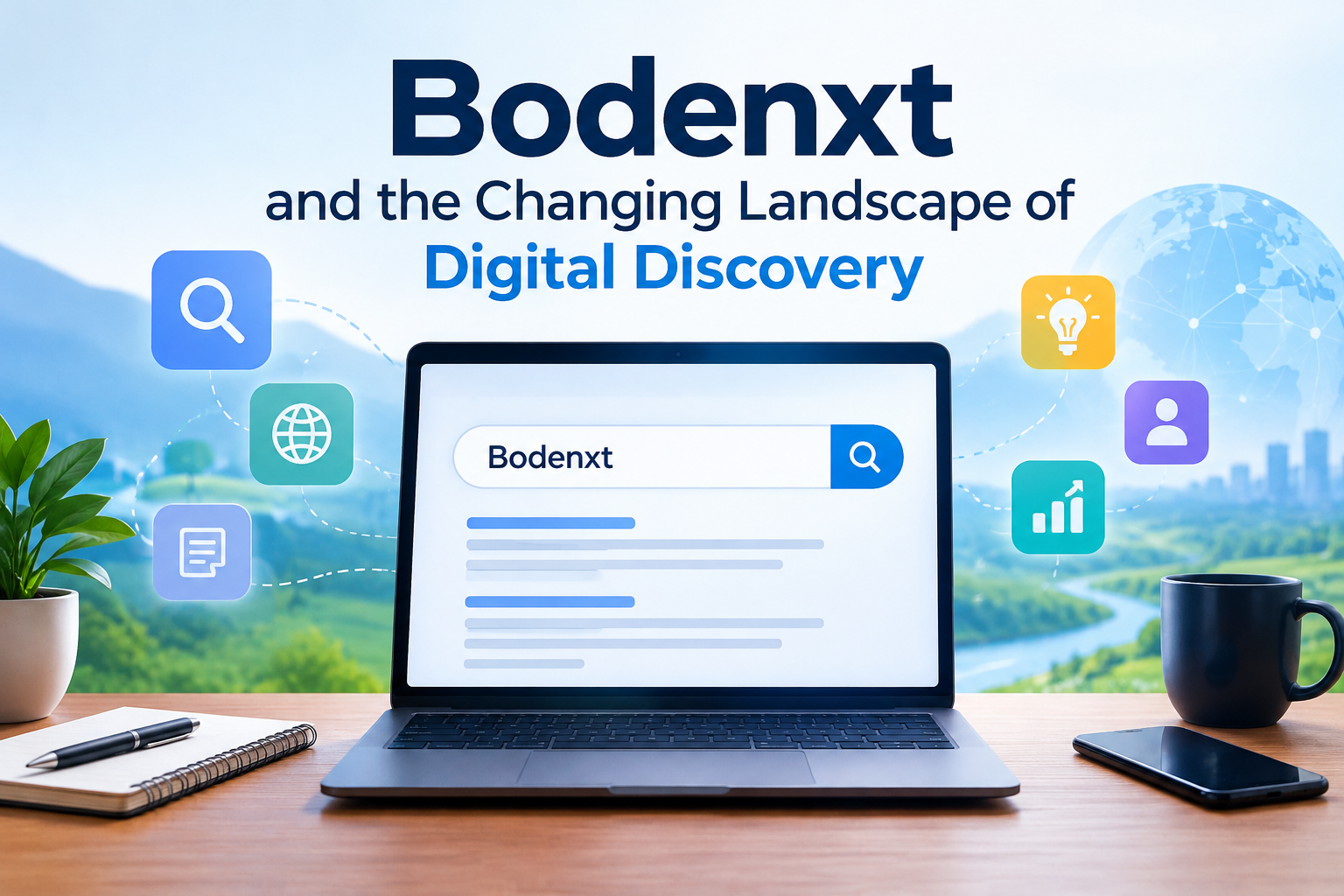
Bodenxt is an unusual search term that offers an opportunity to explore how unfamiliar names attract attention across the internet. As digital platforms continue to introduce new brands, creative projects, online identities, and expressions, people regularly encounter words they cannot immediately identify. Bodenxt raises questions about this process and highlights the importance of understanding the context behind unfamiliar search queries.
The internet makes discovering new information easier than ever, but not every term has a clear definition or established public background. Some names belong to emerging businesses, while others appear in limited discussions or are created for specific online communities. Without reliable evidence, it is important not to assign Bodenxt a meaning that has not been confirmed.
Examining this term from a digital perspective provides useful insight into search habits, online curiosity, and the ways publishers can create informative content. It also demonstrates why accurate research matters when an unfamiliar keyword becomes the focus of an article.
What Makes Bodenxt Worth Exploring?
Unfamiliar words can attract attention because they leave room for questions. When readers encounter a name they do not recognize, they may wonder whether it represents a website, product, company, username, or newly developed concept.
Bodenxt has the characteristics of a distinctive search phrase, but its spelling alone cannot establish its origin or purpose. Identifying its actual meaning requires relevant context, reliable references, and evidence connecting the term to a specific subject.
This uncertainty is not unusual in the digital world. New names appear frequently, and some remain difficult to identify until their creators or users provide more information.
For readers, investigating such terms can be an exercise in digital literacy. Instead of accepting the first explanation they encounter, they can compare sources and determine whether the available information supports a consistent conclusion.
Bodenxt and the Psychology of Online Curiosity
Curiosity influences how people interact with digital information. A strange name, unfamiliar phrase, or unexpected reference can encourage someone to open a search engine and investigate further.
Why unfamiliar terms attract attention
People often search for information when something does not fit their existing knowledge. A familiar word may immediately suggest a meaning, while an unfamiliar expression creates uncertainty.
Bodenxt may prompt questions about its identity, background, or relevance. Someone might have seen it in a discussion, encountered it on a webpage, or received it from another person. Each situation creates a different reason to investigate.
This behavior illustrates an important feature of internet usage: searches are not always driven by a practical need. Sometimes, people simply want to understand something they have noticed.
How repeated exposure affects recognition
A term can become more recognizable when people encounter it repeatedly. Seeing the same expression across different pages may encourage further investigation.
However, repetition does not automatically establish credibility. Multiple websites may reproduce identical information without independently verifying it. A name appearing in search results therefore does not prove that it belongs to a reputable company or widely used service.
Readers should examine the origin of claims and look for independent confirmation before drawing conclusions.
Bodenxt in Search Engine Optimization
Search engine optimization, commonly known as SEO, helps publishers make relevant information easier to discover. A well-organized article communicates its subject clearly while addressing the questions readers are likely to ask.
Understanding search intent
Search intent refers to the reason someone enters a particular query. A person searching for Bodenxt may want to understand its meaning, identify a possible website, or discover where the term originated.
A useful article should respond to these possibilities without pretending to know more than the evidence supports. When a term has an unclear background, acknowledging that uncertainty is more valuable than inventing a detailed explanation.
Publishers can improve their content by researching the available context and identifying the most reasonable questions behind the search.
Using Bodenxt naturally in content
Including the target keyword in the title, opening paragraph, and relevant headings helps establish the article’s subject. However, repeating it in every sentence can make the writing feel artificial.
Related phrases such as online discovery, unfamiliar search terms, digital visibility, and search behavior can expand the discussion naturally.
Good SEO writing prioritizes clarity and usefulness. Keyword placement should support the article rather than determine every sentence. Readers should finish the page with a clearer understanding of the subject and the limitations of the available information.
How to Research Bodenxt Effectively
Research is especially important when an unfamiliar term lacks a well-established meaning. A few practical steps can help readers identify reliable information.
Start with the exact term
Search for the precise spelling of Bodenxt before exploring variations. Exact searches can reveal whether the term appears consistently across different sources or is associated with several unrelated subjects.
Pay attention to the context surrounding each result. A relevant article, an official business page, and an unrelated discussion do not provide the same kind of evidence.
Look for original sources
If Bodenxt appears to represent a company, service, or product, search for an official website or credible documentation. Original sources can clarify how a name is used and what an organization claims to offer.
Independent reporting and relevant public records may provide additional confirmation. Nevertheless, an official page should not automatically be treated as proof of every claim about security, reputation, or business performance.
Check the accuracy of published information
Publication dates matter because websites and online identities can change. Older pages may describe services that are no longer available or provide details that have since become inaccurate.
Compare important claims, check their sources, and distinguish confirmed facts from speculation. If reliable information about Bodenxt remains limited, state that limitation clearly.
Common Mistakes When Discussing Bodenxt
One mistake is inventing a definition simply because a keyword needs an explanation. Although this approach can produce a detailed article, it risks misleading readers and undermining trust.
Another mistake is assuming that an unusual name represents a successful digital brand. A distinctive spelling does not confirm commercial activity, public recognition, or an established online service.
Some publishers also focus too heavily on keyword density. Repeating the same phrase throughout an article may satisfy a superficial checklist, but it does not necessarily improve readability or search performance.
A stronger approach combines relevant keyword placement with useful explanations, careful research, and transparent language. Each section should add information rather than restate earlier points.
The Future of Digital Discovery and Bodenxt
The digital landscape continues to evolve as new websites, applications, businesses, and online communities emerge. Distinctive names can gain attention through social sharing, creative projects, product launches, or simple curiosity.
Some unfamiliar terms eventually develop recognizable identities. Others remain associated with a small audience or disappear from public attention. Their long-term significance depends on how people use them and whether credible information becomes available.
Bodenxt provides an opportunity to consider these patterns without assuming a particular outcome. For publishers, unfamiliar keywords can inspire useful research, provided that the resulting content answers genuine questions and avoids unsupported claims.
As search technology improves, the distinction between simply mentioning a keyword and genuinely explaining a subject will remain important. Content that combines relevance, accuracy, and context is more useful than pages created solely to capture search traffic.
Conclusion
Bodenxt illustrates how an unfamiliar online term can encourage questions about meaning, identity, and digital visibility. Investigating such a keyword requires more than examining its spelling or counting the number of pages that mention it.
Reliable research involves checking original sources, comparing evidence, and recognizing when information remains uncertain. These habits help readers navigate the internet more confidently and allow publishers to create content that deserves their audience’s trust.
For SEO professionals, the broader lesson is straightforward: successful content should address real search intent, use keywords naturally, and provide meaningful information. An unfamiliar term may inspire curiosity, but accurate explanations are what make that curiosity worthwhile.
Ultimately, the most responsible way to approach Bodenxt is to investigate its available context rather than assign it an unsupported identity. Clear communication and credible evidence remain essential to meaningful online discovery.
Frequently Asked Questions
1. What does Bodenxt mean?
The exact meaning of Bodenxt has not been established by the information available for this article. Additional context or a reliable source would be necessary to identify a specific definition.
2. Why might people search for Bodenxt?
People may search for unfamiliar terms after encountering them on websites, social media, online discussions, or other digital platforms.
3. Is Bodenxt a website or a brand?
The keyword alone does not confirm that Bodenxt represents a particular website, company, or product. Reliable documentation would be needed to establish its identity.
4. How can I research Bodenxt online?
Start with an exact-match search, review credible sources, check publication dates, and compare the contexts in which the term appears.
5. Can Bodenxt be used as an SEO keyword?
Yes. It can serve as a target keyword when the content addresses the subject meaningfully and avoids excessive repetition or unsupported claims.
6. What makes content about unfamiliar keywords valuable?
Valuable content explains the available context, answers relevant questions, distinguishes verified facts from uncertainty, and helps readers find trustworthy information.
-

 BLOG1 year ago
hanime1: The Ultimate Destination for Anime Lovers
-

 Technology1 year ago
GLAADVoice.com: How You Can Get Involved and Make a Difference
-

 BILLS1 year ago
Why Does My Instagram Reel Stop Getting Views After One Hour? How to Fix It?
-

 ENTERTAINMENT1 year ago
Crackstreams 2.0: The Future of Free Sports Streaming?
-

 ENTERTAINMENT1 year ago
Sflix: How It’s Changing the Way We Watch Movies and TV Shows
-

 BLOG1 year ago
ThisVid: What Makes It Stand Out in the World of Online Videos
-

 BLOG1 year ago
NHentai.nef: Understanding the Popular Hentai Archive
-

 BLOG1 year ago
Imginn: The Ultimate Tool to View Instagram Content Anonymously