
BLOG
ETF Swap: Maximizing Returns with Innovative Techniques

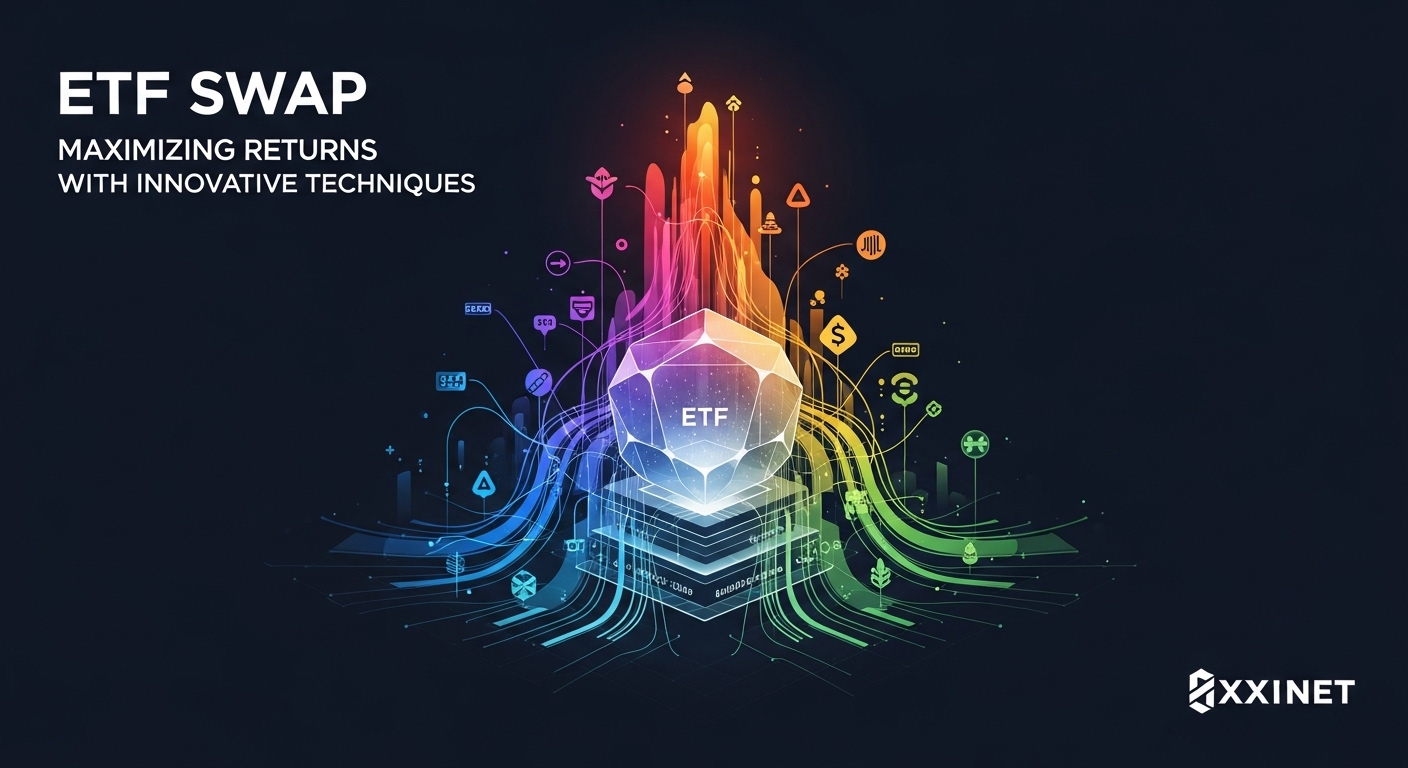
Are you looking for fresh ways to boost your investment returns? If so, the world of ETFs might just hold the key. Exchange-traded funds have revolutionized how we invest, offering flexibility and diversification at lower costs than traditional methods. But what if there was a technique that could elevate your ETF game even further? Enter the concept of ETF swapping—an innovative strategy designed to maximize gains while minimizing risks. Whether you’re a seasoned investor or new to the scene, understanding how ETF swaps work can unlock opportunities you never knew existed. Let’s dive into this exciting arena and explore how you can enhance your investment portfolio with smart strategies!
Understanding ETFs and Their Benefits
Exchange-traded funds, or ETFs, are investment vehicles that blend the best features of stocks and mutual funds. They trade on exchanges like shares while holding a diverse array of underlying assets such as stocks, bonds, or commodities.
One major benefit of ETFs is their liquidity. Investors can buy and sell them throughout the trading day at market prices, unlike traditional mutual funds which only settle at the end of each trading session.
Cost-effectiveness is another appealing aspect. Many ETFs have lower expense ratios compared to mutual funds, making them an attractive option for cost-conscious investors.
Additionally, diversification comes built-in with ETFs. By investing in a single ETF, you gain exposure to multiple securities within a specific sector or index. This approach helps spread risk across various investments while keeping your portfolio balanced and dynamic.
The Concept of ETF Swapping
ETF swapping is a strategic technique that allows investors to exchange one exchange-traded fund for another, usually without incurring capital gains taxes. This method offers flexibility and can enhance portfolio performance.
Investors often use ETF swaps to adjust their asset allocation or pivot towards more favorable market conditions. By swapping, they can maintain exposure while potentially capturing better returns.
The process hinges on identifying ETFs that track similar indexes or sectors. This enables seamless transitions without triggering tax liabilities that come with standard selling and buying practices.
Moreover, this strategy allows investors to avoid the pitfalls of traditional investing by reducing transaction costs associated with frequent trading. As markets fluctuate, ETF swapping becomes a dynamic tool in an investor’s arsenal, promoting both growth and efficiency in investment management.
Advantages of ETF Swapping over Traditional Investing Strategies
ETF swapping offers several distinct advantages compared to traditional investing strategies. One of the primary benefits is enhanced tax efficiency. Unlike mutual funds, ETFs typically generate fewer capital gains taxes due to their unique structure.
Liquidity is another strong point for ETF swaps. Investors can buy and sell shares throughout the trading day, allowing for more strategic timing than with conventional investments that are only priced at market close.
Flexibility also stands out in this approach. With a vast array of ETFs available, investors can easily shift their focus from one sector or asset class to another without incurring hefty fees.
Cost-effectiveness plays a vital role too. Lower expense ratios associated with many ETFs mean more money stays invested and works for you over time. This contrasts sharply with higher management fees found in actively managed funds.
These features make ETF swapping an attractive option for those looking to maximize returns while minimizing risks.
Risks to Consider with ETF Swapping
While ETF swapping offers exciting opportunities, it’s essential to be aware of potential risks. Market volatility can impact the performance of your swapped ETFs significantly. Sudden price changes may lead to unexpected losses.
Liquidity is another concern. Not all ETFs have the same trading volume, which could result in slippage during swaps. This might affect your overall returns if you’re not careful.
Tax implications are also worth considering. Swapping one ETF for another can trigger capital gains taxes, depending on how long you’ve held the investments and their current value.
Timing plays a crucial role in successful ETF swapping. If executed poorly or at an unfavorable moment, what initially seems like a strategic move can quickly turn into a misstep that erodes profits instead of enhancing them.
Techniques for Successful ETF Swapping
Successful ETF swapping requires a strategic approach. Start by identifying your goals. Are you looking to enhance returns, reduce risk, or diversify? Clarifying your objectives helps streamline decision-making.
Next, conduct thorough research on the ETFs in question. Understand their underlying assets and performance history. This knowledge can guide you in selecting the right swaps that align with market trends.
Timing is crucial too. Monitor market conditions closely to capitalize on optimal swap opportunities. Economic indicators and sector performances can significantly impact outcomes.
Utilize tax-efficient strategies during the process as well. Understanding capital gains implications can make a big difference in net returns after swaps.
Consider using automated tools or platforms for better execution of trades. These resources often provide real-time data and insights that facilitate informed decisions swiftly, enhancing overall effectiveness in ETF swapping endeavors.
Case Studies: Real-Life Examples of Successful ETF Swaps
One notable case of ETF swapping involved a tech-focused investor who transitioned from a high-fee active fund to a low-cost technology ETF. This strategic move led to greater exposure to innovative companies while significantly reducing management fees. The result? Enhanced returns over three years as the tech sector surged.
Another example comes from an environmentally-conscious investor who swapped traditional energy ETFs for green alternatives. By making this shift, they not only aligned their portfolio with personal values but also capitalized on the rising demand for sustainable investments, reaping impressive gains during the renewable energy boom.
In both instances, investors demonstrated how thoughtful swaps could optimize portfolios and adapt to market trends effectively. These real-life examples showcase that with careful planning, ETF swaps can be game-changers in achieving financial goals.
Conclusion: Is ETF Swapping Right for You?
When considering whether ETF swapping is a suitable strategy for you, it’s essential to evaluate your investment goals and risk tolerance. This innovative technique can offer substantial advantages, such as tax efficiency and flexibility in responding to market changes. However, it also comes with its own set of risks that need careful assessment.
Before diving into the world of etfswap, take time to familiarize yourself with how different ETFs align with your financial objectives. Are you looking for long-term growth or short-term gains? Understanding your priorities will help guide your decisions.
Engaging in ETF swaps requires not just knowledge but also the right tools and strategies at your disposal. Success often hinges on timing and market conditions. If you’re prepared to stay informed and adapt quickly, this method could enhance your portfolio’s performance.
As you weigh the benefits against potential pitfalls, consider consulting a financial advisor who understands ETFs well. They can provide personalized insights tailored to your unique situation.
Whether ETF swapping fits into your investing style depends on various factors specific to you as an investor. Take the time needed to explore this innovative approach fully before making any commitments that could impact your financial future significantly.

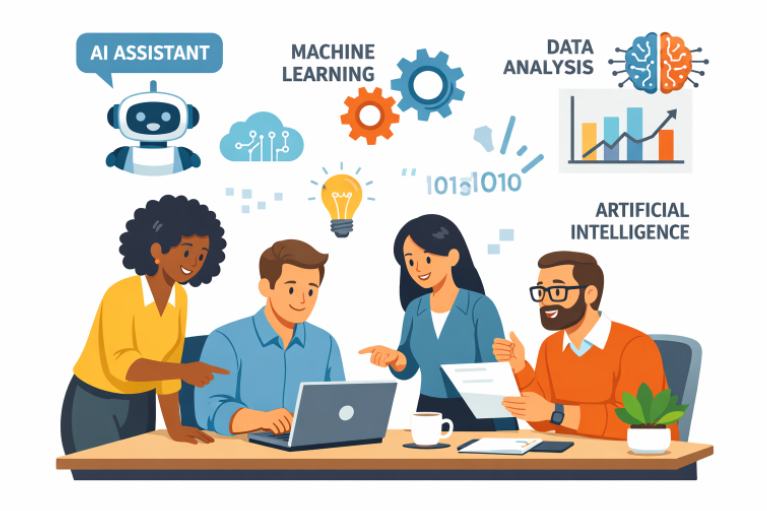
Artificial Intelligence (AI) is rapidly transforming the modern workplace. Companies are increasingly turning to AI-powered technologies to automate routine processes, streamline workflows, and empower human creativity. In this age of digital transformation, solutions such as an AI presentation maker help professionals quickly design polished, effective presentations, further illustrating how AI integrates into real-world tasks. With AI, teams can devote more energy to meaningful, strategic activities, driving a surge in overall productivity. AI’s reach extends beyond routine office tasks. From data analysis to project management, these tools can help employees handle complex processes and make smarter decisions. The integration of AI has become essential, not just for efficiency but also for improving the quality of work life, enabling workers to focus less on repetitive chores and more on creative problem-solving.
Business leaders increasingly recognize that investing in AI-driven solutions can deliver a competitive edge in a crowded global market. Embracing these technologies means organizations can scale operations, adapt to new challenges, and even unlock new business opportunities. As AI becomes more accessible, leaders must weigh both its promises and the potential hurdles it introduces.
Boosting Productivity
AI tools are revolutionizing the way organizations accomplish tasks and measure productivity. One prominent example comes from a Stanford and MIT study, which revealed that customer support agents assisted by AI experienced a 14 percent increase in issues resolved per hour. The same study found that less-experienced, or novice, employees reaped even greater benefits, improving their efficiency by up to 35 percent. These results underscore AI’s unique ability to flatten learning curves and make advanced skills more widely accessible throughout organizations. Beyond customer service, AI-powered automation is enhancing productivity in fields such as marketing, finance, and logistics. Machine learning models can instantly analyze massive datasets, enabling teams to quickly identify trends and make data-driven decisions. As a result, companies are embracing these advancements to shorten timelines and boost overall output, freeing up time for strategy and innovation.
Enhancing Employee Engagement
While AI brings measurable improvements to productivity, its impact in the workplace goes deeper. Employee engagement is a significant driver of organizational success, and AI tools offer unique opportunities to improve workers’ job satisfaction. According to a PwC survey, more than 80 percent of employees who regularly use generative AI anticipate increased efficiency and expect their work experience to become more fulfilling in the coming year. This sentiment reflects AI’s ability to relieve team members from mundane, repetitive tasks and allow them to concentrate on work that demands critical thinking and creativity. When businesses deploy AI with a focus on collaboration, transparency, and upskilling, employees feel supported rather than threatened by technological change. This encourages an agile, motivated, and innovative workforce that is better equipped to drive business value in a rapidly changing environment.
Bridging the Skills Gap
As AI adoption accelerates, there is a growing need for professionals who can implement, manage, and optimize these intelligent systems. Data from Amazon Web Services shows that 73 percent of employers now consider hiring talent with AI expertise a top priority, but 75 percent report difficulty finding qualified candidates. This talent shortage highlights why organizations must invest in upskilling and reskilling their workforce to keep pace with technological change. Comprehensive training programs, partnerships with educational institutions, and on-the-job learning are just a few approaches to closing the skills gap. Fostering a culture of continuous learning ensures employees stay ahead of emerging technologies while boosting individual job security and satisfaction. Bridging the skills gap not only benefits the organization but also helps reduce turnover and attract top talent in competitive industries.
Addressing Challenges
Despite AI’s broad benefits, its adoption is not without obstacles. According to a Gallup survey, only 12 percent of U.S. workers currently use AI daily, largely due to trust and data privacy concerns. Additionally, the influx of low-quality, automatically generated content (“workslop“) can overwhelm knowledge workers, diminishing rather than enhancing productivity. This underscores the importance of strong safeguards, transparent communication, and rigorous quality control processes in any AI initiative. As companies integrate AI into their workflows, leadership must openly address these hurdles with employees, ensuring everyone understands both the value and the limitations of these new tools. Focusing on ethical deployment and responsible use is critical to building trust and getting the most from these innovations.
Future Outlook
The future of workplace productivity is inseparable from AI. Forecasts from Access Partnership and AWS suggest that 92 percent of U.S. organizations will be utilizing AI-powered solutions by 2028. This growth will continue to drive automation, streamline communication, and transform business models. However, with this transformation comes an imperative for both leaders and employees to remain adaptable and proactive in learning. AI is poised not just to automate existing processes but also to open uncharted avenues for collaboration, creativity, and strategic decision-making. By thoughtfully implementing AI, organizations can maximize its positive impact, preparing their teams for a new era of innovation and growth.
In summary, AI tools are fundamentally reshaping workplace productivity by automating repetitive functions, boosting employee engagement, and driving the need for continuous learning. Both organizations and employees have much to gain from the thoughtful, ethical, and strategic adoption of AI-powered technologies.
Conclusion
Artificial intelligence is redefining productivity and engagement in the modern workplace. By automating routine tasks, AI frees employees to focus on creative, strategic, and high-impact work, improving efficiency and job satisfaction simultaneously. These tools also help bridge skills gaps by enabling less-experienced workers to perform at higher levels, underscoring the need for ongoing upskilling and reskilling initiatives. At the same time, organizations must address challenges such as trust, data privacy, and content quality to ensure AI adoption is responsible and effective. Looking ahead, AI’s integration will continue to transform business operations, communication, and decision-making. Companies that strategically implement AI, foster a culture of continuous learning, and prioritize ethical deployment will gain a competitive edge, driving sustainable growth and preparing their workforce for the evolving digital era.


Welcome to the world of Jable, a dynamic platform that has been making waves across various industries. Whether you’re a business owner looking for innovative solutions or an individual curious about what this platform offers, you’re in the right place. Jable is more than just another tool; it’s a game-changer designed to elevate your experience and streamline processes. Let’s dive into everything Jable has to offer and discover how it can benefit you!
Features of Jable
Jable stands out with its intuitive interface. Users can easily navigate through features without a steep learning curve. It’s designed for efficiency, making tasks quick and straightforward.
Social media integration is another strong point of Jable. This allows users to connect their profiles effortlessly, expanding reach and engagement across platforms.
Analytics tools are robust yet user-friendly. Businesses can track performance metrics in real-time, allowing for data-driven decisions that enhance strategies.
Customization options let users tailor their experience according to specific needs. From branding elements to functionality tweaks, Jable provides flexibility that sets it apart from competitors.
Collaboration features foster teamwork seamlessly. Teams can share resources, communicate effectively, and work toward common goals within the platform itself.
Security measures are top-notch as well, ensuring user data remains protected without sacrificing accessibility or ease of use.
How to Use Jable for Business
Using Jable for your business can be a game-changer. Start by creating an account and setting up your profile. Focus on showcasing what makes your brand unique.
Once set up, explore the platform’s tools. Utilize analytics to track engagement and understand your audience better. Tailor your content based on what resonates most with users.
Engage consistently by posting updates, promotions, or behind-the-scenes glimpses of your operations. Interaction is key; respond promptly to comments and messages to build relationships with potential customers.
Consider using Jable’s advertising options to reach a broader audience. Target specific demographics based on interests and behaviors that align with your brand values.
Monitor performance regularly. Adjust strategies as needed based on insights from user interaction data to ensure growth and visibility in the marketplace.
Tips and Tricks for Maximizing Jable
To get the most out of Jable, start by customizing your profile. Make it visually appealing and informative. A well-crafted profile attracts more attention.
Engage with your audience regularly. Post updates or insights that resonate with them. Interaction fosters community and keeps followers interested in what you have to say.
Utilize analytics features to track performance. Understanding which content works best allows for strategic adjustments over time.
Don’t hesitate to experiment with different types of posts—videos, polls, or infographics can all enhance engagement levels significantly.
Collaborate with others on the platform too. Partnerships can widen your reach and bring fresh perspectives into the mix.
Maintain consistency in your posting schedule. Regularity builds anticipation among followers and strengthens loyalty toward your brand on Jable.
Success Stories from Businesses Utilizing Jable
Many businesses have found great success using Jable to enhance their operations. One small e-commerce store reported a 40% increase in sales after integrating the platform for customer engagement and retention.
Jable’s analytics tools helped identify trends that drove this growth. The business owner tailored promotions based on data insights, leading to more personalized marketing efforts.
Another case involves a local restaurant that utilized Jable for its online ordering system. They streamlined processes and improved customer satisfaction significantly. This shift resulted in shorter wait times and repeat customers, boosting overall revenue.
A tech startup leveraged Jable’s collaboration features to improve team communication during project launches. This led to faster turnarounds on crucial tasks, allowing them to stay ahead of competitors.
These examples showcase how diverse enterprises can harness the power of Jable for tangible results across different industries.
Comparison with Other Platforms
When exploring Jable, it’s essential to see how it stacks up against similar platforms. Many competitors offer a range of features, but few match the user-friendly interface that Jable provides.
Other platforms often come with steep learning curves and complex layouts. In contrast, Jable prioritizes ease of navigation. Users can quickly find what they need without feeling overwhelmed.
Additionally, Jable’s integration capabilities stand out. While some alternatives require cumbersome processes for third-party tool connections, Jable makes it seamless and efficient.
Pricing is another significant factor. Several competing services charge hidden fees or monthly subscriptions that add up over time. With Jable’s transparent pricing model, businesses can budget more effectively without unexpected costs cropping up.
While various options exist in the market today, many users find themselves gravitating towards Jable for its simplicity and value-driven approach.
Conclusion and Final Thoughts
Jable stands out as a versatile and user-friendly platform that caters to various business needs. With its robust features, it enables users to enhance their operations efficiently. From seamless integration options to powerful analytics tools, Jable offers everything you need to elevate your business strategy.
Utilizing Jable can lead to significant improvements in productivity and engagement. By implementing the tips shared throughout this guide, you can maximize the benefits of using Jable for your organization. The success stories highlighted demonstrate how businesses have thrived by leveraging this platform effectively.
When compared with other platforms, Jable holds its ground with unique offerings that cater specifically to modern business challenges. Its intuitive interface makes it accessible for everyone from beginners to seasoned professionals.
As more enterprises turn towards digital solutions like Jable, staying updated on best practices will be crucial. Embracing innovation through platforms such as these could very well define future success in an ever-evolving marketplace. If you’re considering making a shift or enhancing your current processes, exploring what Jable has to offer might just be the next step forward in achieving your goals.

Imagine a world where our perspectives are constantly shifting, influenced by a concept that encourages deeper understanding and connection. Welcome to the realm of Iganony. This intriguing idea is transforming how we perceive ourselves and others, offering fresh insights into relationships, culture, and personal growth. As we dive into what Iganony means and how it shapes modern life, you’ll discover its profound implications for everyday experiences. Let’s explore this fascinating concept together!
The origin and meaning of Iganony
Iganony traces its roots back to ancient philosophies that emphasized interconnectedness. The term itself combines elements from various languages, reflecting a tapestry of cultural influences.
At its core, Iganony represents the idea of unity in diversity. It suggests that every individual and experience contributes to a larger whole. This perspective encourages people to see beyond their own realities, fostering empathy and understanding.
Historically, Iganony has been linked to movements promoting social harmony and collective growth. It challenges conventional notions of individuality by advocating for collaboration over competition.
As societies evolve, the meaning of Iganony continues to adapt. Modern interpretations encourage inclusivity while celebrating uniqueness. Each person’s journey is seen as essential in weaving together our shared narrative—one where everyone plays a vital role in shaping our world.
How
Iganony manifests in various ways, influencing thoughts and behaviors. It starts with self-awareness. Individuals begin to recognize their biases and limitations.
Next comes the shift in perspective. Embracing Iganony encourages openness to new ideas. This leads to more inclusive dialogues within communities.
In practice, organizations adopt Iganony by fostering diverse teams. They create spaces where every voice is valued equally.
Education plays a crucial role too. Schools introduce curricula that integrate these principles early on, shaping future generations’ understanding of empathy and respect.
Social media platforms are also adapting, promoting content that aligns with the values of Iganony, encouraging users to think critically about what they consume online.
This multifaceted approach creates a ripple effect across society, paving the way for deeper connections and understanding among individuals from all walks of life.
Examples of
Iganony can be seen in various aspects of contemporary life. One example is the integration of technology into mental health practices. Apps that promote mindfulness and meditation reflect this shift towards a more holistic understanding of well-being.
In education, schools are adopting Iganony principles by encouraging collaborative learning environments. Students engage in discussions that foster critical thinking rather than rote memorization.
The workplace is also embracing this concept. Companies are implementing flexible work policies that recognize individual needs and promote work-life balance.
Even in art, creators are exploring themes around personal identity and shared experiences, allowing audiences to connect on deeper levels. These examples illustrate how Iganony influences multiple facets of society today, reshaping our interactions and perceptions for the better.
The impact of
The impact of Iganony is profound and far-reaching. This concept challenges traditional norms and invites fresh perspectives.
In various sectors, such as education and business, it fosters innovation. People are encouraged to think outside the box, leading to creative problem-solving methods.
Socially, Iganony shapes how communities interact. It promotes inclusiveness and understanding among diverse groups. As a result, collaboration thrives in settings that embrace this idea.
Moreover, mental health benefits arise from adopting an Iganonous mindset. Individuals experience reduced stress levels when they perceive life through a more flexible lens.
Its influence extends beyond individual growth; it reshapes collective attitudes towards progress and change in society at large.
Ways to incorporate
Incorporating Iganony into daily life can be both simple and rewarding. Start by embracing mindfulness in your routine. Take a moment each day to reflect on your thoughts and feelings without judgment.
Another way is through community engagement. Join local groups that align with the principles of Iganony, fostering connections that are meaningful.
Creative expression also plays a crucial role. Whether it’s writing, painting, or music, use these outlets to explore the depths of your understanding and experiences related to this concept.
Consider setting intentions for personal growth as well. By establishing clear goals aligned with Iganony’s values, you foster an environment conducive to development.
Share insights with others. Conversations about Iganony can spark inspiration in those around you while reinforcing your own understanding of its impact on modern perspectives.
Conclusion
The concept of Iganony continues to evolve, resonating with diverse audiences across various domains. As society grapples with rapid technological advancements and shifting cultural landscapes, Iganony offers a unique lens through which we can interpret our experiences.
Looking ahead, its influence is likely to expand further into areas such as mental health, education, and community building. Embracing this concept may encourage more inclusive dialogues about identity and belonging in an increasingly interconnected world.
As individuals and communities integrate Iganony into their daily lives, it fosters understanding and empathy among different perspectives. The potential for growth in this area remains vast. Those who engage with the principles of Iganony will help shape a future where shared values create stronger bonds within societies.
With ongoing exploration and adaptation, the impact of Iganony could lead us toward richer interactions that celebrate diversity while promoting unity across various spheres of life.
-

 BLOG7 months ago
hanime1: The Ultimate Destination for Anime Lovers
-

 ENTERTAINMENT10 months ago
Sflix: How It’s Changing the Way We Watch Movies and TV Shows
-

 ENTERTAINMENT9 months ago
Crackstreams 2.0: The Future of Free Sports Streaming?
-

 BILLS10 months ago
Why Does My Instagram Reel Stop Getting Views After One Hour? How to Fix It?
-

 Technology10 months ago
Simpcitt: The Rise of a Unique Online Community
-

 BLOG8 months ago
Imginn: The Ultimate Tool to View Instagram Content Anonymously
-

 80s10 months ago
Favorite 100 Songs of the 80s: (#1) Michael Jackson – Billie Jean
-

 BLOG10 months ago
NHentai.nef: Understanding the Popular Hentai Archive