
BLOG
Catfish: Tales from the Depths of Freshwater Habitats

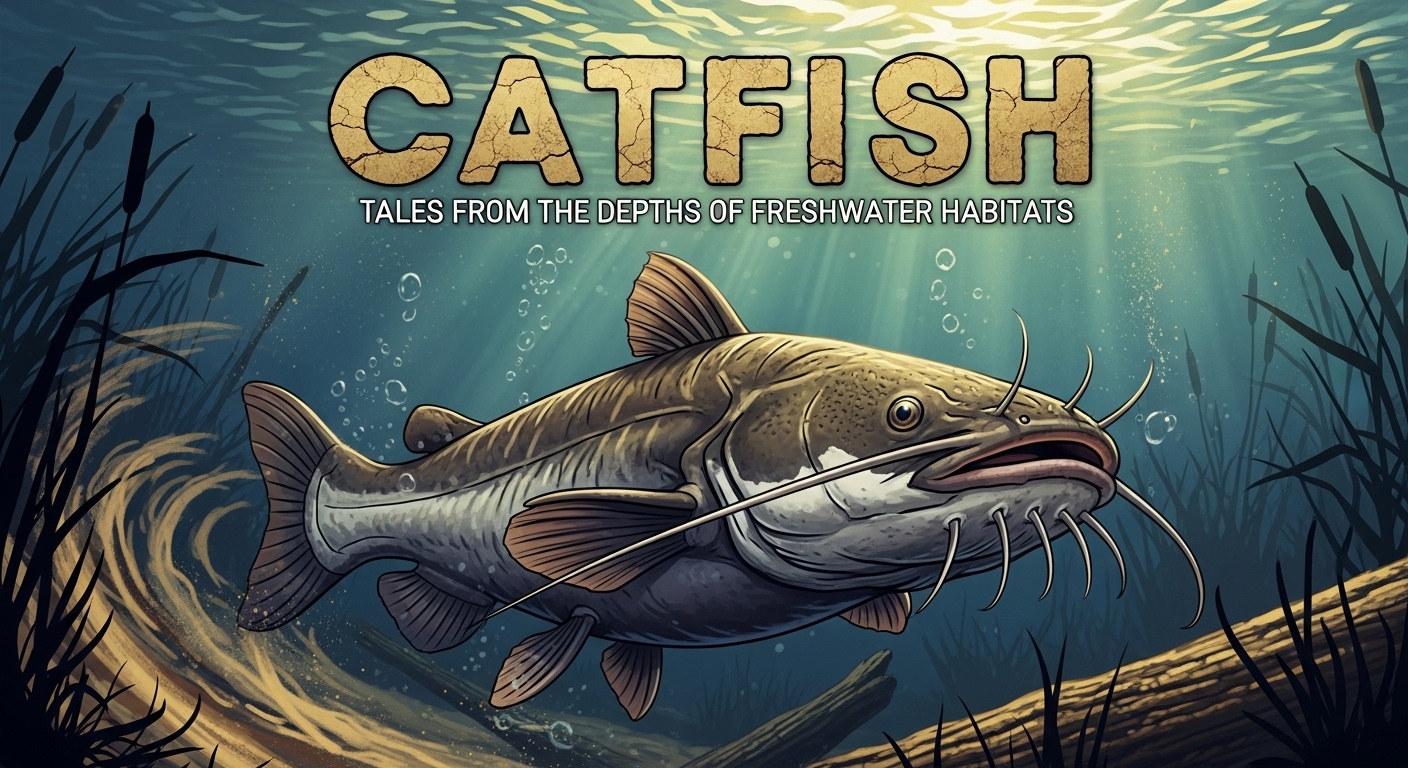
Deep within the winding rivers and serene lakes of our planet lurks a fascinating creature that has captured the hearts of many: the catfish. With their unique appearance, intriguing behaviors, and adaptability to various environments, these freshwater dwellers are more than just fish—they’re a testament to nature’s ingenuity. Whether you’re an angler seeking your next big catch or simply someone interested in aquatic life, there’s so much to uncover about this remarkable species. Join us as we dive into the depths of freshwater habitats to explore the captivating world of catfish.
Evolution and Habitat Diversity
Catfish have a rich evolutionary history that dates back over 200 million years. This ancient lineage has allowed them to adapt successfully to various freshwater habitats worldwide.
From murky rivers and serene lakes to swamps and floodplains, catfish thrive in diverse environments. Their remarkable ability to endure low oxygen levels makes them particularly resilient.
Many species exhibit unique adaptations based on their habitat. For instance, the armored Catfish can withstand harsher conditions than most fish due to its protective bony plates.
Some catfish prefer slow-flowing waters filled with debris, while others enjoy fast-moving streams. Each niche offers specific challenges and resources, fueling the evolution of distinct traits within these fascinating creatures.
This adaptability is a testament to nature’s intricate design, showcasing how life evolves in response to environmental demands. The variety among catfish serves as an example of resilience and diversity within aquatic ecosystems.
Types of Catfish Found in Freshwater Habitats
Freshwater habitats teem with diverse species of catfish, each with unique characteristics. The channel catfish is one of the most recognizable. Known for its forked tail and whisker-like barbels, it thrives in rivers and lakes across North America.
The flathead catfish stands out due to its broad head and flattened shape. It prefers warmer waters, often lurking near submerged structures where it ambushes prey.
Another fascinating variety is the blue catfish. This large fish can weigh over 100 pounds and boasts a distinctive bluish tint on its back that blends perfectly into deeper waters.
For those interested in smaller species, the bullhead catfish provides an intriguing option. These hardy fish are typically found in ponds and streams, making them ideal for amateur anglers seeking easy catches.
Each type contributes uniquely to freshwater ecosystems while captivating enthusiasts worldwide.
Unique Adaptations and Behaviors of Catfish
Catfish are truly remarkable creatures, showcasing a variety of unique adaptations that help them thrive in freshwater environments. One standout feature is their whisker-like barbels. These sensitive appendages aid in locating food in murky waters where visibility is limited.
Their ability to breathe air sets catfish apart from many other fish species. Some can gulp oxygen directly from the surface, allowing them to inhabit low-oxygen areas without much trouble. This adaptation grants them an advantage during challenging conditions.
Moreover, catfish have impressive camouflage skills. Their skin often mimics the colors and textures of their surroundings, making it easier for them to ambush prey or evade predators.
In terms of behavior, many catfish are nocturnal hunters. They venture out at night when they can hunt more effectively, taking advantage of the cover provided by darkness while searching for tasty morsels along riverbeds and lakeshores.
Threats to Catfish Populations
Catfish populations face a myriad of threats in today’s world. Habitat destruction is one of the most pressing issues, driven by urbanization and agriculture. Wetlands and riverbanks are often transformed for development, leaving catfish with fewer places to thrive.
Pollution also plays a significant role in their decline. Chemicals from agricultural runoff can contaminate waterways, harming fish health and disrupting ecosystems. High levels of toxins can lead to reduced reproductive success among catfish species.
Overfishing presents another challenge. While catfish are popular targets for anglers, unsustainable fishing practices have put immense pressure on some populations. Without proper management strategies, we risk depleting these valuable aquatic resources.
Invasive species complicate matters further, competing with native catfish for food and habitat space. The introduction of non-native predators can upset the delicate balance within freshwater environments where catfish reside.
Conservation Efforts and Success Stories
Across the globe, dedicated organizations are stepping up to protect catfish populations. These efforts aim to restore habitats and ensure sustainable fishing practices.
In the United States, initiatives like habitat restoration projects have shown promise. Rivers and lakes that once suffered from pollution are being cleaned up. This allows native catfish species to thrive again.
Internationally, awareness campaigns educate communities about the importance of preserving these fish. Local fishermen learn how responsible practices can boost both their livelihoods and local ecosystems.
Some regions have seen remarkable recoveries. For example, in parts of Southeast Asia, community-led programs have revitalized river systems. Catfish numbers are rebounding as a result of these collaborative approaches.
Success stories inspire hope for future conservation endeavors. They highlight the potential for positive change when people unite for a common cause—a healthier environment benefiting all species involved.
The Fascinating World of Catfish Angling
Catfish angling is a thrilling pursuit, drawing enthusiasts from all walks of life. With their elusive nature and impressive size, these fish provide an exhilarating challenge for anglers.
One popular method involves using bait like worms or chicken livers to attract these bottom dwellers. The anticipation builds as you wait for that signature tug on the line.
Night fishing adds another layer of excitement. Under the moonlight, catfish become more active, making it prime time for catching larger specimens.
Each region offers unique opportunities too. From riverbanks to lakeshores, different habitats host distinct species with varying behaviors and feeding patterns.
The camaraderie among fellow anglers enhances the experience further. Sharing tales of epic catches creates bonds that last beyond the water’s edge.
Whether you’re a seasoned pro or just starting out, catfish angling promises an adventure filled with surprises at every cast.
Conclusion: Why We Should Appreciate and Protect Catfish Species
Catfish are more than just intriguing creatures lurking beneath the surface of our freshwater habitats. They play a vital role in maintaining ecological balance, contributing to nutrient cycling and serving as both predator and prey within their ecosystems. Their unique adaptations allow them to thrive in diverse environments, from murky rivers to serene lakes.
Yet, these remarkable fish face numerous threats that jeopardize their populations. Habitat destruction, pollution, and overfishing are pressing concerns that require immediate attention. Protecting catfish means safeguarding not only their existence but also the health of entire aquatic ecosystems.
Conservation efforts have shown promise, showcasing successful initiatives aimed at restoring habitats and implementing sustainable fishing practices. Community involvement is crucial for these endeavors; education about the importance of preserving catfish species can inspire action on local and global scales.
The world of catfish angling offers an exciting way for enthusiasts to connect with nature while appreciating these fascinating fish. Catch-and-release practices help ensure that future generations can enjoy the thrill of fishing for catfish without depleting their numbers.
Recognizing the value of catfish extends beyond recreational interests—it’s about understanding our responsibility toward biodiversity. Every species we protect contributes to a richer planet where ecosystems flourish together. Embracing this perspective is essential as we move forward into a future where harmony between humans and nature prevails.


Current trends and biological realities
In the 21st century, attitudes towards starting a family and having children have undergone significant changes. According to official statistics from the US Centres for Disease Control and Prevention (CDC), the average age of women at the birth of their first child has been rising steadily: whilst in 1970 it stood at just 21.4 years, by 2017 this figure had risen to 26.8 years. A similar pattern is observed in Europe. In the UK, for example, the average age of first-time mothers rose from 25.6 years in 1920 to 29 years in 2018.
Today, having a first child after the age of 30 is viewed by society as the norm, driven by a woman’s desire to pursue education, build a career and achieve financial independence. However, it is important to understand that these changes affect exclusively the social and psychological aspects of life, whilst human biology remains conservative.
Female physiology does not adapt to the pace of modern life. A woman’s body functions according to a biological programme laid down by nature, which is incapable of ‘pausing’ the ageing process whilst awaiting professional achievements or personal fulfilment. This is precisely why reproductive specialists emphasise the importance of making decisions about having children during the period when fertility and the genetic quality of gametes are at their peak.
Biological and medical aspects of age-related changes
The impact of age on fertility
The main factor determining the ability to conceive is ovarian reserve. Over the years, the number of antral follicles in the ovaries inevitably decreases, and with this, the quality of the eggs themselves declines. This is a natural, genetically determined and, unfortunately, irreversible process. Unlike in the male body, where sperm are regularly renewed, a woman’s supply of eggs is formed even before her birth, during the embryonic period. Thus, as a woman ages, so do her gametes, accumulating genetic errors.
Menopause and the decline of reproductive function
As menopause approaches and sets in, fundamental changes occur in a woman’s body:
- Depletion of the oocyte reserve: the number of cells available for fertilisation approaches zero.
- Cessation of menstrual cycles: signals the end of the reproductive period.
- Absence of ovulation: the release of an egg from the follicle no longer occurs.
- Involution of the endometrium: the lining of the uterus undergoes age-related changes that hinder embryo implantation.
Nevertheless, even after menstruation ceases, the ovaries continue to retain residual hormonal function. This is necessary for the body to adapt smoothly to its new state, to protect the cardiovascular system from sudden fluctuations in blood pressure, and to maintain overall vitality during the ageing process.
Optimal age range and potential risks
Recommended age for childbearing
The medical community agrees that the most favourable period for having a first child is between the ages of 20 and 28. For the birth of a second and subsequent children, the optimal age is considered to be up to 35 years. These parameters are determined not only by the high quality of the eggs, but also by the female body’s ability to cope more easily with the physical strain associated with pregnancy, as well as the minimal risk of complications for both the mother and the foetus.
Key risks of late pregnancy (after 35–40 years of age)
When planning a pregnancy in later life, the following factors must be taken into account:
- Genetic risks: it has been statistically proven that the likelihood of chromosomal abnormalities (such as Down’s syndrome) increases significantly with the mother’s age.
- Cardiovascular system: after the age of 36, the strain on the heart and blood vessels during pregnancy becomes critical, which can lead to an exacerbation of chronic conditions.
- Gestational complications: the risk of developing pre-eclampsia (a dangerous rise in blood pressure), gestational diabetes and foetal hypoxia (oxygen deprivation) increases.
- Obstetric complications: older women are more likely to experience weak labour, which often requires emergency surgical intervention (Caesarean section).
Preparing for pregnancy after the age of 35
If a woman decides to become a mother after the age of 35, preparation should be as thorough as possible and include:
- Genetic screening: karyotype analysis of both partners to identify hidden hereditary risks.
- Weight management: being overweight or obese directly reduces the chances of successful conception and increases the likelihood of complications.
- Medical support: prescription of medication to regulate hormone levels, normalise blood clotting and remove immunological barriers.
- Surgical treatment: where necessary, removal of fibroids, polyps or endometrioid cysts, which may prevent the fertilised egg from implanting.
- Counselling: mental health and a positive mindset play a vital role in a successful pregnancy.
The possibilities of modern medicine: pregnancy after 40
Thanks to advances in assisted reproductive technologies (ART), motherhood is now possible even in cases where natural conception is difficult. After the age of 40, the following are commonly used:
- IVF using your own eggs: the classic procedure for artificial insemination.
- Innovative methods: pronuclear transfer (PNT) or mitotic spindle transfer (MST) to improve embryo quality.
- IVF with egg donation and double egg donation IVF: the use of donor eggs or embryos if the woman’s own cells are no longer suitable for fertilisation.
- Surrogacy: a last resort used when the woman is unable to carry a pregnancy to term herself.
Indications for the use of donor eggs:
- A critical decline (depletion) in ovarian reserve.
- Consequences of previous ovarian surgery.
- A high risk of transmitting severe hereditary conditions.
A key prerequisite for such procedures is a healthy endometrium and the physical capacity of the uterus to accept and sustain an embryo.
Comparative analysis: late and early motherhood
Advantages of conscious (late) motherhood:
- Maximum level of responsibility and readiness for change.
- Psychological stability and maturity in relationships.
- A solid foundation: housing, career and accumulated capital.
Advantages of young motherhood:
- High biological quality of gametes.
- Minimal likelihood of foetal abnormalities at the genetic level.
- An easy pregnancy and a quick recovery after childbirth.
- No burden of accumulated chronic illnesses.
Recommendations for those postponing motherhood
If you are planning to have children in the future, there are several steps you should take right now:
- Assess your fertility reserve: have regular ultrasound scans of the pelvic organs and get tested for anti-Müllerian hormone (AMH).
- Consider ‘freezing’: cryopreservation of oocytes before the age of 30–35 allows you to preserve young and healthy cells for use in 5–10 years’ time.
- Timely treatment: do not ignore gynaecological conditions, as inflammatory processes directly affect fertility.
- A healthy lifestyle: giving up harmful habits and eating a balanced diet are key to ensuring high-quality genetic material.
Conclusion
From a natural perspective, the ‘gold standard’ for childbirth is considered to be the age between 20 and 35. Nevertheless, modern medicine and ART technologies allow women to become mothers at a later age, successfully overcoming biological barriers.
It is important to remember that every body is unique. The team at the Natuvitro reproductive medicine clinic provides comprehensive support to patients at every stage of their journey – from the initial consultation to the successful birth of a healthy baby. An individualised approach and expert medical care make it possible to realise the dream of motherhood at virtually any age.
FAQ: Frequently Asked Questions
- What is the maximum age for IVF? In most countries, the age limit is set at 50–55 years, either by law or for ethical reasons. However, the main criterion is the mother’s state of health and her ability to carry a child to term without risk to her life. After the age of 45, donor eggs are most commonly used.
- What is anti-Müllerian hormone (AMH) and why should it be tested? AMH is an indicator of your ovarian reserve (egg supply). Unlike other hormones, it does not fluctuate with the menstrual cycle. A low level is a sign that you should not delay having a baby.
- Is it possible to conceive naturally during the menopause? During the pre-menopausal period (when periods become irregular), the chances are extremely slim, but they do exist, as spontaneous ovulation is still possible. Once the menopause has fully set in (no periods for over a year), natural conception is impossible.
- Does lifestyle affect the egg reserve? Lifestyle cannot increase the number of eggs (this is determined at birth), but it can accelerate their depletion. Smoking, stress and environmental toxins impair egg quality and bring forward the onset of the menopause.
- What tests are essential after the age of 40 before planning a pregnancy? In addition to standard tests, a consultation with a cardiologist, a vascular health check, a mammogram and comprehensive genetic screening are essential.

Welcome to the world of BrassSmile, where dental care meets innovation! Imagine a place that not only makes oral health easy but also accessible and affordable. That’s exactly what BrassSmile is striving for—transforming how we think about dental visits with just one click. Gone are the days of long waits and surprise bills. Here at BrassSmile, we’re committed to reshaping your experience in the dentist’s chair while ensuring you leave with a brighter smile. Join us on this journey as we explore how we’re tackling current challenges in dental care and making it better for everyone!
The current state of dental care and its challenges
Dental care has always been a crucial aspect of health, yet many face obstacles in accessing it. High costs and limited insurance coverage often deter individuals from seeking necessary treatment.
Long wait times for appointments can leave patients feeling frustrated and anxious. The fear of dental procedures further complicates matters, leading to avoidance rather than proactive care.
Additionally, there’s a noticeable gap between technological advancements and their implementation in everyday practices. Many clinics still rely on outdated methods that don’t serve the needs of modern patients.
As awareness grows about oral health’s connection to overall well-being, these challenges become more apparent. People want solutions that are both effective and convenient but often find themselves falling short amidst systemic issues within traditional dental systems.
How BrassSmile is revolutionizing the dental industry with technology
BrassSmile is reshaping the dental landscape through cutting-edge technology. By integrating telehealth capabilities, patients can now receive consultations from the comfort of their homes. This approach eliminates long waits and makes oral care more accessible.
The platform harnesses advanced AI tools for personalized treatment plans. These intelligent systems analyze patient data, ensuring tailored recommendations that meet individual needs effectively.
Moreover, BrassSmile’s user-friendly app allows seamless appointment scheduling and reminders. Patients can track their treatment progress with just a few taps.
Innovative payment solutions make dental services affordable for everyone. With transparent pricing and flexible financing options, high-quality dental care becomes attainable without breaking the bank.
With these advancements, BrassSmile is not just improving convenience; it’s fostering a new era in dental health management where technology meets compassionate care.
Convenient and affordable dental services offered by BrassSmile
BrassSmile is all about making dental care accessible for everyone. They’ve designed services that fit seamlessly into busy lifestyles, ensuring you don’t have to sacrifice your health for convenience.
From virtual consultations to in-person visits, BrassSmile offers various options tailored just for you. Their user-friendly platform allows patients to book appointments with ease, eliminating the usual hassle associated with scheduling a dental visit.
Affordability is another cornerstone of BrassSmile’s mission. They provide transparent pricing without hidden fees and offer flexible payment plans. This means quality dental care doesn’t have to break the bank.
Whether it’s routine check-ups or specialized treatments, every service is designed with patient comfort in mind. With tools and technology that streamline processes, visiting the dentist can now be a stress-free experience.
Testimonials from satisfied patients
Patients are raving about their experiences with BrassSmile. Many highlight the ease of booking appointments online through brasssmile.com. This seamless process takes away the stress often associated with dental visits.
One patient shared how welcoming and friendly the staff was upon arrival. They felt comfortable from the moment they walked in, which is essential for anyone anxious about dental care.
Another testimonial emphasized affordability without compromising quality. Patients appreciate that top-notch services don’t have to break the bank.
A young mother mentioned how grateful she was for her children’s positive experience at BrassSmile. The pediatric-friendly approach made all the difference, turning a task often filled with dread into an enjoyable outing.
These stories reflect just a fraction of what patients feel after visiting BrassSmile—transforming their perception of dental care one smile at a time.
Expansion plans and future goals of BrassSmile
BrassSmile is on an ambitious journey to expand its reach. The vision is clear: bring quality dental care closer to communities in need.
Plans are underway to open new clinics across major urban areas. This will make access easier for countless patients who may face challenges getting traditional dental services.
Additionally, BrassSmile aims to enhance its digital platform further. By integrating advanced features, they’ll streamline appointment scheduling and patient consultations even more.
The goal isn’t just growth; it’s about building a community-focused ecosystem around oral health. They want every patient to feel valued and supported throughout their dental experience.
With ongoing partnerships with local organizations, BrassSmile seeks to promote awareness of oral health initiatives as well. Education will be at the forefront of their efforts, ensuring everyone understands the importance of maintaining a healthy smile.
Conclusion: A brighter smile and a healthier future with BrassSmile
BrassSmile is on a mission to reshape the dental care landscape. By addressing common challenges and barriers faced by patients, they’re making dental health more accessible than ever. With an innovative approach that combines technology with personalized care, BrassSmile is leading the charge toward a brighter smile for everyone.
The future looks promising as BrassSmile continues to expand its services and reach new communities. Their commitment to quality and affordability ensures that every patient can achieve optimal oral health without breaking the bank. The voices of satisfied patients echo this sentiment, proving that positive change is happening.
As we look ahead, it’s clear that BrassSmile isn’t just about transforming smiles; it’s about fostering healthier futures for individuals everywhere. Embracing modern technology while prioritizing patient-centric care sets them apart in the crowded dental industry. A visit to brasssmile.com opens doors not just to treatments but also opportunities for better overall wellbeing.
With ongoing innovations and expansion plans, there’s much to anticipate from this trailblazing company. Trusting your dental care needs with BrassSmile means investing in both your smile today and your health tomorrow—one click at a time.
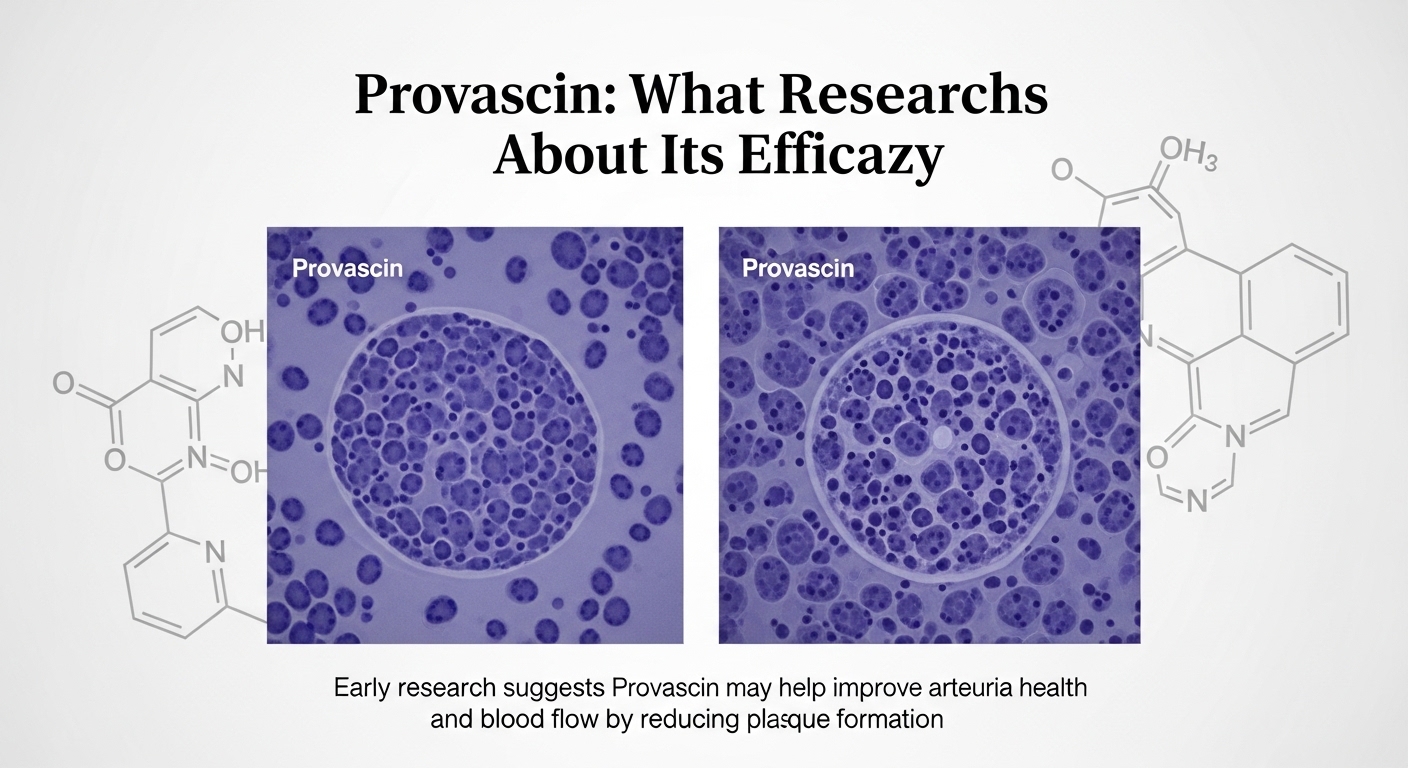
Provascin is making waves in the health and wellness community, but what exactly is it? This supplement claims to offer a variety of benefits that have piqued the interest of many. With so much information available, separating fact from fiction can be challenging.
As curiosity grows around Provascin, research into its efficacy becomes increasingly important. Are people really experiencing positive results? What does science say about this product? In this blog post, we will delve deeper into Provascin, exploring its origins, potential advantages, and any risks involved. Whether you’re considering trying it or simply curious about its reputation, let’s uncover what you need to know about Provascin.
The Science Behind Provascin
Provascin operates on the principles of advanced phytotherapy. Its formulation includes a blend of herbal extracts and natural compounds, designed to target specific bodily functions.
At the core of its efficacy is a synergy between ingredients that support metabolic processes. Research highlights how these components may enhance circulation and promote better nutrient absorption.
Key active ingredients are believed to possess antioxidant properties, which can combat oxidative stress. This action might help in maintaining cellular health while promoting overall well-being.
Studies suggest that Provascin could have an impact on hormonal balance as well. By regulating certain hormones, it aims to improve mood and energy levels throughout the day.
Understanding these mechanisms offers insights into why many users report positive experiences with Provascin. The science behind it is continually evolving, encouraging further investigation into its potential benefits.
Benefits of Provascin
Provascin is gaining attention for its potential benefits. Many users report enhanced energy levels, which can lead to improved productivity throughout the day.
Another appealing aspect of Provascin is its role in promoting mental clarity. Users often describe a sharper focus and better cognitive function after incorporating it into their routines.
Additionally, some studies suggest that Provascin may support mood stabilization. This could be particularly beneficial for individuals looking to manage stress or occasional anxiety effectively.
Weight management is another area where Provascin shows promise. Initial research indicates that it might aid in metabolic regulation, contributing to healthier body composition over time.
Many appreciate how easy Provascin fits into various lifestyles, making it an accessible option for those seeking holistic wellness solutions.
Possible Side Effects and Risks
Like any supplement, Provascin comes with its own set of potential side effects and risks. While many users report positive experiences, it’s important to be aware of what could happen.
Some common side effects include mild gastrointestinal discomfort, such as bloating or nausea. These symptoms usually subside as the body adjusts to the product.
Allergic reactions are also possible. If you notice itching, rashes, or swelling after taking Provascin, discontinue use immediately and consult a healthcare professional.
Additionally, individuals on certain medications should exercise caution. There could be interactions that may affect efficacy or safety.
Pregnant or breastfeeding women are advised to seek medical guidance before trying this supplement. Safety during these periods is paramount for both mother and child.
Being informed about these risks can help you make better decisions regarding your health journey with Provascin.
Effectiveness of Provascin in Clinical Studies
Clinical studies exploring the effectiveness of Provascin have generated considerable interest. Researchers aimed to determine its impact on various health conditions, particularly those related to cardiovascular function.
In several trials, participants experienced notable improvements in blood circulation and heart health markers. These studies often included a control group for more accurate comparisons. The results indicated that Provascin could enhance vascular response and overall wellness.
Moreover, some investigations focused on specific demographics, revealing varying efficacy based on age or pre-existing conditions. This nuanced understanding suggests that individual responses may differ significantly.
The rigorous methodology employed in these clinical trials provides a strong foundation for evaluating Provascin’s potential benefits. As researchers continue their work, the insights gained will likely shape future recommendations regarding this supplement’s use in daily health regimens.
Customer Reviews and Feedback
Customer reviews of Provascin paint a varied picture. Many users report positive experiences, often highlighting improvements in their overall well-being. Some mention enhanced energy levels and improved focus throughout the day.
On forums and social media, individuals share personal stories that resonate with others. These anecdotes can create a sense of community among those exploring similar health goals.
However, it’s not all glowing feedback. A segment of users expresses skepticism about the product’s efficacy. They question whether the benefits truly outweigh potential risks or side effects.
A common theme is that results can vary significantly from one person to another. This diversity in experience underscores the importance of individual factors when evaluating Provascin’s effectiveness for different people.
Should You Try Provascin?
Considering Provascin? It’s essential to weigh your options carefully. This supplement claims various benefits, including enhanced cognitive function and improved mood.
Before diving in, think about your health history. If you have underlying conditions or take other medications, consulting with a healthcare professional is advisable. They can provide tailored advice based on your individual circumstances.
User experiences vary widely. Some report significant improvements, while others see minimal effects. Research indicates that results can depend on personal biology and lifestyle factors.
If you’re curious but uncertain, starting with a smaller dose might be wise. Monitor how your body reacts before committing to consistent use.
It’s about finding what works best for you and making informed choices along the way.
Conclusion
The landscape of dietary supplements is vast and ever-evolving. Provascin has garnered attention for its potential benefits, particularly in the realm of weight management and metabolic health. Research indicates that it may have a positive impact on certain aspects of body function.
While many users report favorable outcomes, it’s essential to approach any supplement with caution. The side effects and risks associated with Provascin should not be overlooked. Consulting healthcare professionals before starting any new regimen is always advisable.
Clinical studies offer insights into the efficacy of Provascin, yet more research is needed to draw definitive conclusions about its long-term effectiveness. Customer reviews provide a mixed bag; some praise its results while others express concerns over side effects or limited effectiveness.
If you’re considering trying Provascin, weigh both the positive feedback and potential drawbacks carefully. Making informed decisions based on comprehensive information will lead you toward what best suits your needs and goals in wellness.
-

 BLOG8 months ago
hanime1: The Ultimate Destination for Anime Lovers
-

 ENTERTAINMENT10 months ago
Sflix: How It’s Changing the Way We Watch Movies and TV Shows
-

 ENTERTAINMENT9 months ago
Crackstreams 2.0: The Future of Free Sports Streaming?
-

 BILLS10 months ago
Why Does My Instagram Reel Stop Getting Views After One Hour? How to Fix It?
-

 Technology10 months ago
Simpcitt: The Rise of a Unique Online Community
-

 BLOG8 months ago
Imginn: The Ultimate Tool to View Instagram Content Anonymously
-

 80s11 months ago
Favorite 100 Songs of the 80s: (#1) Michael Jackson – Billie Jean
-

 BLOG10 months ago
NHentai.nef: Understanding the Popular Hentai Archive