
BLOG
How Copper Supports Key Body Functions

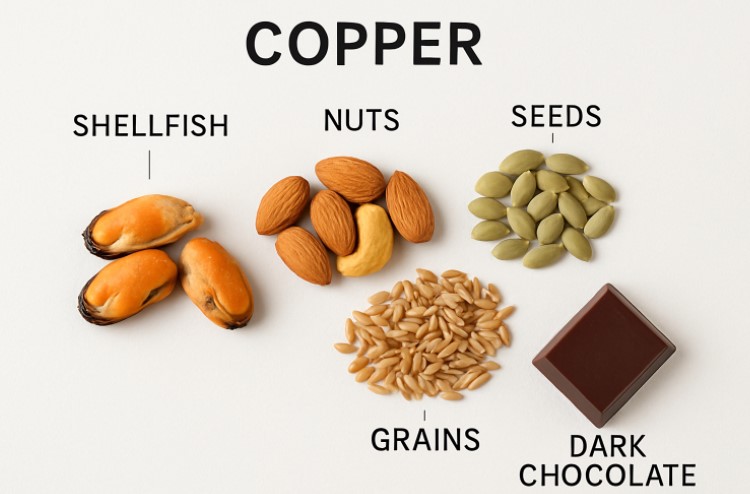
Copper is an often-overlooked yet crucial mineral in human nutrition. Vital for numerous physiological functions, copper helps the body operate efficiently at multiple levels, including energy production and cellular health. Despite its significance, many people may not fully understand how copper affects health or why consuming the right amount is so important, an area of growing interest in wellness-focused formulations such as those from MitoSynergy.
Although a variety of foods can provide sufficient copper, both deficiency and excess present unique health challenges. This article explores copper’s roles, recommended intake, top dietary sources, and the signs and risks of imbalance. Understanding copper intake is essential for supporting the body’s core systems and long-term well-being.
Getting the right balance depends not only on diet but also on individual factors such as age, pregnancy, and possible medical conditions. Monitoring copper intake becomes important, as too little or too much can affect health in substantial ways. Becoming familiar with the symptoms of copper imbalance is the first step toward maintaining good overall health, and guidance from a healthcare provider can help tailor copper intake to your needs.
Understanding Copper’s Role in the Body
Copper is involved in key physiological functions, each of which contributes to overall health. One of its primary roles is in energy production. Within cells, copper participates in biochemical reactions that release energy from food, allowing the body to function optimally. Without sufficient copper, energy production in cells is hampered, impacting vital processes.
The mineral also plays a significant role in the formation and maintenance of connective tissues. Copper-dependent enzymes are necessary for producing collagen and elastin, two proteins that keep skin, bones, and blood vessels strong and elastic. Additionally, copper is integral for iron metabolism, helping the body absorb and use iron to prevent anemia and promote healthy red blood cell production.
Beyond structural roles, copper is vital for nervous system development and function. It supports the formation of neurotransmitters required for brain health and the insulation of nerves. The mineral is also a component of the immune system, aiding enzymes that protect against infection and oxidative damage.
Recommended Daily Intake of Copper
The National Institutes of Health (NIH) outlines recommended daily copper intakes depending on age, gender, and life stage. Adults are advised to get 900 micrograms (mcg) daily. Pregnant women should aim for 1,000 mcg, while breastfeeding women require even more due to increased needs, up to 1,300 mcg daily. Following these guidelines supports the range of copper-dependent functions within the body and reduces the risk of imbalance.
Dietary Sources of Copper
Diet plays a central role in maintaining optimal copper levels. Many everyday foods are naturally high in copper, making copper deficiency relatively rare among people with varied diets. Top sources include shellfish such as oysters and lobster, as well as organ meats like liver and kidney. For those seeking plant-based options, nuts, seeds, whole grains, legumes, and even dark chocolate provide meaningful amounts of copper. Incorporating these foods can help meet daily copper requirements. Since cooking methods and soil composition can influence copper levels in plant foods, diversifying your diet increases your chances of meeting your daily requirements.
Risks of Copper Deficiency
Copper deficiency is uncommon but can arise in people with restricted diets or certain medical conditions that impair absorption, such as celiac disease or Menkes disease. Deficiency can manifest as anemia, due to copper’s role in iron utilization, and may also result in bone abnormalities or weakened connective tissues. The nervous system may be affected, with symptoms potentially including numbness, poor coordination, or even neurological disorders.
The immune response can also be compromised, making individuals more prone to infections and slower to recover from illness. Recognizing such symptoms early and discussing them with a healthcare professional helps prevent complications resulting from long-term deficiency.
Potential for Copper Toxicity
While copper deficiency poses a real risk, excessive copper can be dangerous too. Copper toxicity may result from over-supplementation, contaminated water, or rare genetic conditions like Wilson’s disease. Common symptoms include nausea, vomiting, abdominal pain, and diarrhea. Chronic copper toxicity can harm the liver, with severe cases leading to organ failure.
Symptoms often mimic other common ailments, so medical testing may be necessary if copper toxicity is suspected. Monitoring intake and avoiding high-dose supplements without guidance can help prevent toxic effects.
Balancing Copper Intake
A diverse, balanced diet provides most people with enough copper. However, individuals with nutritional deficiencies, certain genetic disorders, or ongoing gastrointestinal problems may need periodic assessment of copper status. Pregnant or breastfeeding individuals face higher requirements, so extra care is warranted when meeting recommendations. Consulting with a healthcare provider enables tailored advice and, if needed, supervised supplementation.
Final Thoughts
Copper plays many vital roles in supporting the body’s structure, metabolism, and immune function. Recognizing the signs of under- or over-consumption, and knowing which foods to include, can help individuals maintain good health throughout life. As with all nutrients, balance is key with copper. Healthcare professionals provide valuable advice for those with unique nutritional needs or concerns about copper intake.


Motorcycling represents the ultimate feeling of freedom on two wheels. Whether you are navigating winding canyon roads, cruising along open highways, or tackling rugged off-road dirt trails, nothing quite compares to the thrill of the open air. However, a successful and enjoyable ride is never just about turning the ignition key and twisting the throttle. Every great adventure begins long before you hit the pavement—it starts in the garage.
Proper preparation, reliable safety gear, effective maintenance tools, and smart transport solutions form the foundation of responsible motorcycle ownership. Having the right essentials ensures that every journey is safe, smooth, and stress-free. Here is a comprehensive guide to the motorcycle essentials every rider should integrate into their setup.
1. Riding Gear: Safety and Comfort First
Your personal protective equipment (PPE) is your first line of defense on the road or trail. Investing in high-quality gear tailored to your riding style is a non-negotiable step toward long-term riding safety.
- Certified Helmet: A full-face or modular helmet certified by DOT, ECE, or SNELL provides maximum head protection while shielding your eyes and face from wind, debris, and changing weather conditions.
- Abrasion-Resistant Jacket and Pants:Durable leather or heavy-duty textile apparel fitted with CE-rated armor at the shoulders, elbows, knees, and back guards against impact forces and road rash.
- Riding Gloves:Look for full-finger gloves featuring reinforced palms, knuckle protection, and secure wrist closures to preserve grip strength and hand dexterity.
- Sturdy Boots:Over-the-ankle motorcycle boots with slip-resistant soles and reinforced toe boxes safeguard your feet and ankles from engine heat, flying gravel, and sudden foot dabs.
Comfort plays a vital role in fatigue reduction during long rides. Dressing in weather-appropriate layers, using thermal liners during colder seasons, and choosing breathable mesh gear in the summer keep you sharp and focused on the road ahead.
2. Essential Garage Tools for Routine Maintenance
A well-equipped garage gives you the confidence to perform routine checks and basic servicing, keeping your motorcycle performing at its peak.
- Precision Tire Pressure Gauge: Maintaining correct tire pressure is critical for traction, cornering stability, and tread life. Always check tire pressure when the rubber is cold before setting out.
- Torque Wrench and Socket Set:Essential for tightening axle nuts, handlebars, and drain bolts to precise manufacturer torque specifications without damaging threads.
- Chain Maintenance Kit:A clean, properly lubricated, and correctly tensioned chain prevents premature sprocket wear and ensures smooth power delivery to the rear wheel.
- Paddock Stand or Lift:Elevating the front or rear wheel makes chain cleaning, wheel removal, and oil changes dramatically easier and safer.
Developing a consistent pre-ride inspection habit—checking tires, controls, lights, oil levels, fluids, and chassis fasteners—helps catch potential mechanical issues before they turn into costly trailside breakdowns.
3. On-the-Road Emergency Kits
Even with thorough garage preparation, unexpected situations happen on the road. Carrying a compact emergency kit in your saddlebags, tail bag, or backpack keeps minor issues from cutting your ride short.
Pack a portable tool roll equipped with multi-use wrenches, hex keys, screwdrivers, zip ties, and safety wire. Add a tire plug kit along with a mini CO2 inflator or compact electric air pump to patch tubeless tire punctures on the fly. Finally, never ride without a basic first aid kit containing bandages, antiseptic wipes, gauze, medical tape, and essential medications.
4. Transporting Your Motorcycle Beyond the Garage
Sometimes the best riding destinations require traveling long distances before you roll off the kickstand. Whether you are transporting a sports bike to a track day, hauling dirt bikes to alpine staging areas, or planning a multi-state adventure trip, having a dedicated transport solution makes all the difference.
Using high-quality ratcheting tie-down straps, soft loops, and heavy-duty wheel chocks keeps your bike upright and secure during transit. For longer road trips or weekend getaways to distant trails, loading your bikes into a toy hauler in Utah provides both secure transportation and a comfortable home base on wheels.
Final Thoughts
Transitioning smoothly from the garage to the road requires intention, preparation, and the right equipment. By equipping yourself with protective riding gear, maintaining your motorcycle with quality garage tools, staying prepared with an emergency kit, and securing reliable transport solutions, you set the stage for endless miles of safe, exhilarating adventures. Take the time to audit your motorcycle setup today—your future self on the open road will thank you.

Our homes are much more than physical shelters; they serve as personal sanctuaries where we recharge, connect with family, and unwind after demanding days. However, when indoor temperatures fluctuate unexpectedly, chilly drafts sweep through rooms, or interior air feels stale and heavy, a living space can quickly lose its welcoming charm.
Achieving optimal indoor comfort does not require a massive renovation budget or architectural overhauls. By making a few intentional, high-impact improvements, you can dramatically elevate your daily living experience while maintaining energy efficiency. Here are practical, effective ways to turn your residence into a cozier, more inviting retreat.
1. Fortify Your Thermal Envelope and Insulation
One of the most foundational steps toward year-round comfort is securing your home’s thermal barrier. Conditioned air easily escapes through uninsulated attics, thin exterior walls, and hidden gaps around doors or windows, forcing your heating and cooling systems to work harder than necessary.
Start by inspecting window frames, exterior baseboards, and entryways for subtle air leaks. Applying fresh weatherstripping, caulk, or door sweeps provides an immediate defense against cold winter drafts and summer heat transfer. If drafty rooms or inconsistent temperatures persist throughout the house, partnering with experienced providers of insulation services in West Haven can help pinpoint thermal weak spots and properly fortify your attic or exterior wall cavities. Quality insulation acts as a warm thermal blanket in the winter while blocking scorching heat during summer months.
2. Optimize Airflow and Ventilation
Even with balanced indoor temperatures, poor air circulation can leave living spaces feeling stuffy and uninviting. Enhancing airflow ensures fresh air circulates continuously while preventing uneven hot or cold spots across different rooms.
Make it a routine habit to check that furniture, long drapes, or thick rugs are not blocking supply or return air vents. Ceiling fans are also valuable, energy-efficient tools for improving indoor air movement. Set fan blades to rotate counterclockwise during warmer weather to create a cooling down-draft, and reverse them clockwise at low speed during winter to gently push rising warm air back down into living spaces. Additionally, opening windows on opposite sides of your home whenever weather permits creates natural cross-ventilation, quickly flushing out lingering odors and stale indoor air.
3. Fine-Tune Lighting and Atmospheric Ambiance
Visual warmth plays a major role in how comfortable a room feels to live in. Harsh, bright overhead lights often create a clinical, tense environment, whereas layered, warmer lighting immediately encourages rest and relaxation.
Transition away from intense cool-white bulbs and choose warm LED lighting with a color temperature around 2700K. Instead of relying solely on single overhead fixtures, layer your illumination by placing floor lamps in quiet reading corners and small accent lamps on side tables. Installing dimmer switches offers even greater control, allowing you to soften room illumination as evening approaches.
4. Maintain Your HVAC System and Control Humidity
Your heating and cooling equipment forms the core of physical indoor comfort. Regular, proactive maintenance keeps these systems operating quietly and reliably throughout every season.
Replace HVAC air filters every one to three months to ensure clear airflow, lower mechanical strain, and maintain healthier indoor breathing conditions. Pair regular system maintenance with a programmable or smart thermostat to automate temperature adjustments according to your daily routine, avoiding wasted energy while you are away.
Managing indoor humidity is equally critical to home comfort. Relative humidity levels between 30% and 50% are ideal for respiratory health and thermal stability. Utilizing a humidifier during dry winter months helps prevent dry skin and throat irritation, while running a dehumidifier during humid summers prevents heavy, sticky indoor air.
5. Incorporate Soft Textiles and Natural Touches
Physical texture strongly influences both tactile and acoustic comfort within living spaces. Hard, uniform surfaces tend to reflect sound and feel chilly, leaving rooms feeling hollow and uninviting.
Layer plush area rugs over hardwood or tile floors to anchor seating spaces while insulating cold ground surfaces. Introduce soft knit throw blankets, velvet cushions, and thick window drapery to absorb ambient noise and build visual depth. Finally, adding low-maintenance houseplants—such as snake plants or pothos—brings lively organic color and fresh vitality to your interior decor.
Final Thoughts
Transforming your house into a cozy haven doesn’t require drastic compromises or overwhelming home projects. By addressing core elements like insulation, ventilation, lighting, HVAC care, and cozy decor, you can create a restful, energy-efficient environment tailored to your lifestyle. Small, deliberate upgrades today will yield a noticeably cozier, healthier living space for years to come.


Pargiana is more than just a festival; it’s a vibrant tapestry woven from the threads of tradition, culture, and community. Imagine bustling kitchens filled with the aroma of simmering spices, laughter echoing in the air, and rhythmic music that invites everyone to dance. This celebration honors heritage while bringing people together through food and song. If you’ve never experienced Pargiana before, prepare to embark on a journey that tantalizes your taste buds and stirs your soul. Let’s dive into what makes this extraordinary event so special!
The History and Significance of Pargiana
Pargiana has deep roots in cultural heritage, tracing back centuries. Originating from regions rich in culinary traditions, it reflects the essence of community gatherings and family ties.
Historically, Pargiana was a time for families to unite. Recipes were passed down through generations, each carrying unique stories and flavors. This vibrant celebration honors ancestral customs while fostering connection among participants.
The significance of Pargiana extends beyond food; it embodies respect for tradition and the importance of sharing experiences. Each dish served during this festival represents not just nourishment but also love and unity within families.
As communities evolve, so does the spirit of Pargiana. It remains a vital expression of identity that continues to inspire new generations to embrace their roots while celebrating togetherness through shared meals.
Traditional Pargiana Recipes
Traditional Pargiana recipes are a delightful fusion of flavors and history. Each dish tells a story, often passed down through generations.
One staple is the classic Pargiana eggplant, layered with rich tomato sauce and gooey cheese. This comforting meal captures the essence of home cooking.
Another beloved recipe features chicken or veal coated in breadcrumbs, fried to golden perfection, then smothered in marinara sauce and topped with mozzarella. It’s a crowd-pleaser at family gatherings.
Don’t forget about the sides! Freshly baked bread accompanies almost every meal, perfect for soaking up those delicious sauces.
Herbs like basil and oregano add depth to these dishes, enhancing their authenticity. Cooking methods vary by region but share common roots that connect families across time.
Every bite is infused with love and tradition, celebrating the vibrant culture of Pargiana through its culinary delights.
Music and Dance: A Vital Part of Pargiana Celebrations
Music and dance are at the heart of Pargiana celebrations. They breathe life into gatherings, weaving stories through rhythm and movement. Traditional instruments like the tambourine and flute fill the air with vibrant sounds, inviting everyone to join in.
The dances often tell tales of heritage and community spirit. Each step reflects a rich history, passed down through generations. Participants move together in unison, creating a powerful connection that transcends time.
During these festive occasions, people of all ages come alive on the dance floor. It’s not just about entertainment; it fosters unity among participants. The laughter and joy echo throughout as families celebrate their shared culture.
In essence, music and dance are more than mere activities—they’re expressions of identity. They embody the very essence of Pargiana, making every celebration unforgettable for those who partake in it.
Modern Adaptations and Innovations in Pargiana Cuisine
Modern adaptations of Pargiana cuisine are transforming traditional dishes into contemporary delights. Chefs now experiment with local ingredients, giving classic recipes a fresh twist.
For instance, the beloved Pargiana may incorporate seasonal vegetables or innovative spices. This not only enhances flavors but also caters to diverse dietary preferences. Vegan and gluten-free versions have emerged, ensuring everyone can enjoy this cherished dish.
Technology plays a role too. Home cooks share their unique takes on social media platforms, inspiring others to explore new techniques. Cooking classes focus on both tradition and innovation, bridging generations through shared culinary experiences.
Fusion cuisines blend Pargiana with international tastes—think Mediterranean influences alongside familiar comforts. These innovations keep the spirit of Pargiana alive while inviting creativity in the kitchen. It’s an exciting time for food lovers as they discover how tradition can evolve without losing its essence.
Keeping the Tradition Alive: The Role of Generational Knowledge
Tradition thrives on the wisdom passed down through generations. In Pargiana, this generational knowledge is a treasure trove of culinary secrets and cultural practices.
Elders play a crucial role in sharing recipes that have been perfected over time. They recall family gatherings where every dish tells a story. Each ingredient has significance, steeped in history and love.
Youngsters often gather around kitchen tables, eager to learn the art of crafting traditional dishes. It’s more than just cooking; it’s about connecting with ancestry and understanding heritage.
Music intertwines with these teachings as well. Elders share songs that accompany each celebration, instilling rhythm into every meal prepared together.
This passing of knowledge creates unity within families and communities alike, ensuring that Pargiana remains vibrant for future generations. The tradition isn’t merely preserved; it evolves while staying true to its roots.
Conclusion and Invitation to Experience Pargiana Culture
Pargiana is more than just a celebration; it’s a vibrant tapestry woven from rich traditions and shared experiences. This unique cultural event invites everyone to partake in its warmth, whether through the tantalizing flavors of traditional dishes or the rhythmic beats of music and dance that resonate throughout the festivities.
As you explore Pargiana, you’ll find an atmosphere filled with laughter, storytelling, and genuine connection. The sound of instruments fills the air while families come together to cook age-old recipes passed down through generations. Each dish tells its own story—an invitation to savor not just food but heritage itself.
We encourage you to immerse yourself in this extraordinary culture. Attend local celebrations or host your own gathering featuring Pargiana-inspired cuisine. Share stories with friends over a hearty meal or learn a dance step from someone who has cherished this tradition for years.
Step into the world of Pargiana—a delightful journey awaits those willing to embrace its magic!
-

 BLOG1 year ago
hanime1: The Ultimate Destination for Anime Lovers
-

 Technology1 year ago
GLAADVoice.com: How You Can Get Involved and Make a Difference
-

 BILLS1 year ago
Why Does My Instagram Reel Stop Getting Views After One Hour? How to Fix It?
-

 ENTERTAINMENT1 year ago
Sflix: How It’s Changing the Way We Watch Movies and TV Shows
-

 ENTERTAINMENT1 year ago
Crackstreams 2.0: The Future of Free Sports Streaming?
-

 BLOG1 year ago
NHentai.nef: Understanding the Popular Hentai Archive
-

 BLOG1 year ago
Imginn: The Ultimate Tool to View Instagram Content Anonymously
-

 BLOG1 year ago
ThisVid: What Makes It Stand Out in the World of Online Videos