
BLOG
Revocable Vs Irrevocable Trusts Which Is Right For You

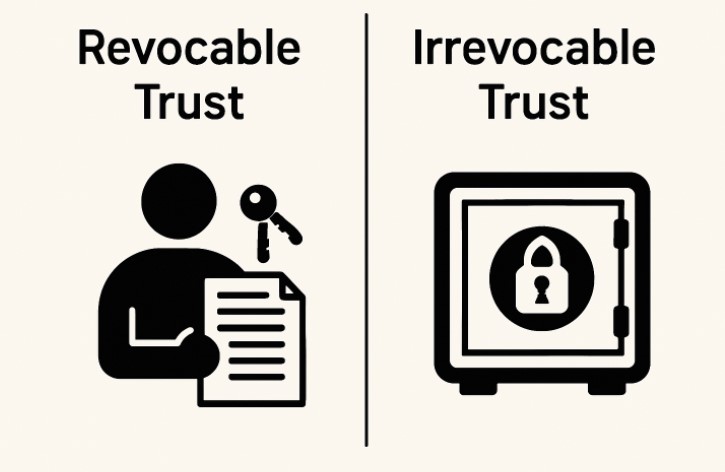
Estate planning is a vital process for securing your financial legacy and ensuring your loved ones are cared for according to your wishes. Among the most powerful tools in estate planning are trusts, which help manage and protect assets both during your lifetime and after. As you build your estate plan, understanding the distinct roles and benefits of revocable and irrevocable trusts is key to making confident, informed decisions about your future. For further insight into choosing effective strategies, visit lisa-law.com.
Both revocable and irrevocable trusts offer unique advantages, and the choice between them depends on your individual goals, family structure, and risk tolerance. Selecting the right trust can save your family time, reduce expenses, enhance privacy, and provide important asset protections. To make the best choice, it is important to understand how these trusts differ in terms of control, flexibility, and financial impact.
Revocable trusts allow the person establishing the trust (the grantor) to retain control of the assets while alive. In contrast, irrevocable trusts remove assets from your personal control, creating new opportunities for tax planning and creditor protection. Carefully weighing these differences ensures your estate plan aligns with both short-term concerns and long-term goals.
Before making your choice, consider factors like your financial priorities, the need for asset protection, and the importance of maintaining privacy and flexibility for future changes. Variables such as estate size, beneficiary needs, and potential tax obligations should be evaluated in consultation with a trusted estate planning advisor.
What Is a Revocable Trust?
A revocable trust (often called a living trust) is established by the grantor, who maintains full authority to change, amend, or even dissolve the trust at any time while alive. The assets held within a revocable trust remain accessible to the grantor. This flexibility is highly valued for those anticipating life changes or evolving family needs.
Revocable trusts are commonly used to facilitate the smooth and private transfer of assets. They help avoid the public and often lengthy probate process that occurs after death. Additionally, if the grantor becomes incapacitated, a revocable trust ensures assets are managed by a trusted individual (the successor trustee) without the need for court intervention.
What Is an Irrevocable Trust?
An irrevocable trust, as the name implies, is permanent. Once assets are transferred into this type of trust, the grantor usually cannot remove them or change the terms without the explicit consent of all beneficiaries. This may at first seem restrictive, but it offers important advantages that may outweigh the reduced flexibility.
Irrevocable trusts are frequently chosen to protect assets from creditors, minimize estate taxes, and qualify for government benefits such as Medicaid. By relinquishing ownership and control, the grantor effectively removes these assets from their taxable estate and from potential legal claims.
Key Differences Between Revocable and Irrevocable Trusts
Control Over Assets
- Revocable Trust: The grantor retains ongoing authority to manage, amend, or revoke the trust.
- Irrevocable Trust: The grantor relinquishes control, and the trustee manages the assets in accordance with the trust’s instructions.
Tax Implications
- Revocable Trust: All assets are considered part of the grantor’s estate for taxation, so there is no reduction in estate tax liability.
- Irrevocable Trust: Assets are no longer included in the grantor’s estate, potentially reducing estate taxes and offering valuable planning opportunities for larger estates.
Creditor Protection
- Revocable Trust: Limited or no protection. Assets remain vulnerable to creditors and legal judgments.
- Irrevocable Trust: Offers stronger protection by removing assets from the grantor’s reach, making it more challenging for creditors or litigants to access them.
Pros and Cons of Revocable Trusts
Pros
- Ability to amend, manage, or dissolve the trust at any point during the grantor’s lifetime.
- Avoidance of probate, saving time, and maintaining privacy for beneficiaries.
- Flexible structure supports changes in family or financial situations.
Cons
- Does not remove assets from the taxable estate, so no income or estate tax advantage is gained.
- Assets held are still accessible to creditors or through legal action.
Pros and Cons of Irrevocable Trusts
Pros
- Ability to reduce estate taxes by removing assets from the taxable estate.
- Superior protection against creditors since assets are deemed out of the grantor’s ownership.
- May allow for Medicaid qualification and other governmental benefits due to asset exclusion.
Cons
- Permanent transfer: the grantor gives up all control over the assets placed in the trust.
- Complex legal and administrative setup, sometimes with high ongoing costs.
Factors to Consider When Choosing Between Trusts
Deciding whether a revocable or irrevocable trust best serves your interests involves careful consideration of your current financial situation, your estate size, the potential benefits of tax planning, and your tolerance for giving up control in exchange for asset protection. Those who require flexibility due to changing circumstances may benefit from a revocable trust, while families with large estates, significant creditor risks, or who require Medicaid planning may find irrevocable trusts more suitable.
Family dynamics, privacy wishes, and the degree of control you want over your assets are also important factors. Consulting with experienced estate planning professionals can help ensure that whichever path you choose, your plan is tailored to your unique needs and provides security for beneficiaries. For a detailed examination of the key differences and practical guidance, reference Britannica Money’s comprehensive comparison.
Conclusion
Understanding the difference between revocable and irrevocable trusts helps you make the best choices for your estate plan. Each trust type has distinct features designed to address specific concerns, such as flexibility, privacy, tax strategy, or creditor protection. No single option fits everyone; your decision should align with your personal goals and the well-being of your beneficiaries. Always seek the guidance of a qualified estate planning attorney to ensure your choices fully reflect your wishes and provide the intended protection and benefits for years to come. For further reading on estate planning tax implications, see NerdWallet’s expert guidance.

Living near the coast brings beach days, scenic drives, and year-round humidity, but it also creates conditions that can be tough on a vehicle. Salt air, sand, intense sun, heavy rain, and occasional flooding all call for a more deliberate maintenance routine. Drivers comparing options for coastal use can learn more about vehicles and features that fit their everyday needs.
Coastal driving does not automatically ruin a car, truck, or SUV. The difference usually comes down to consistent cleaning, timely inspections, and a practical plan for severe weather. A few small habits can help prevent corrosion, preserve comfort, and make the vehicle more dependable when conditions change quickly.
Why Coastal Conditions Are Hard on Vehicles
Salt can settle on paint, wheels, brake components, suspension parts, and the undercarriage. Humidity allows moisture to linger in seams, electrical connectors, and enclosed areas. Sand can scratch the clear coat, clog door tracks, and spread throughout the cabin, while prolonged heat places additional stress on tires, batteries, fluids, and the cooling system.
The goal is not to avoid the coast. It is to remove contaminants before they remain on the vehicle long enough to create trouble.
Vehicle Features That Matter Near the Coast
Choose a vehicle based on actual driving habits rather than appearance alone. Strong air conditioning, effective cabin filtration, durable interior materials, good visibility, and useful cargo space are often more valuable than oversized capability.
Useful Features to Compare
- Ground clearance for uneven access roads and standing water around parking areas.
- All-wheel drive or four-wheel drive for towing, unpaved travel, or specific local needs.
- Cargo room for beach gear, emergency supplies, luggage, and wet items.
- Trailer wiring, hitch equipment, and stable towing capacity for boat owners.
- Cameras, parking sensors, and safety features that help in rain, glare, and crowded lots.
A compact crossover may work well for commuting and weekend trips. A larger SUV or truck may be a better match for frequent towing, heavy cargo, or equipment storage.
How to Reduce Salt Air and Sand Damage
A freshwater rinse after driving on the waterfront is one of the simplest ways to protect a coastal vehicle. Focus on lower body panels, wheels, wheel wells, brake areas, and the undercarriage, where salt spray and wet sand commonly collect.
After Beach or Waterfront Driving
- Rinse exposed exterior surfaces as soon as practical.
- Remove sand from floor mats, cargo areas, door sills, and seat tracks.
- Dry door edges, liftgate seams, and other places where moisture can sit.
- Check paint chips and scratches that could expose bare metal.
- Inspect trailer connectors, tie-downs, and hitch hardware after saltwater exposure.
Preparing for Heat and Humidity
Hot pavement and long summer drives can increase tire heat, especially when tires are underinflated. Check pressure when tires are cold, follow the vehicle placard recommendation, and inspect sidewalls for cracking, bulges, or uneven wear.
Monthly Checks
- Test the battery and clean visible terminal corrosion.
- Check coolant and other fluid levels for signs of leaks.
- Replace worn wiper blades before heavy rain arrives.
- Clean or replace the cabin air filter if airflow becomes weak or musty.
- Confirm that exterior lights, brake lights, and turn signals work properly.
Building a Storm-Ready Vehicle
Storm preparation is most useful before roads become crowded and fuel stations are busy. Keep the fuel tank reasonably full, or maintain a suitable charge level for an electric vehicle, and review local alerts before leaving home. Federal guidance for driving in severe weather also emphasizes checking routes, watching for closures, and avoiding flooded roads.
Keep These Items in the Vehicle
- A phone charger, backup battery, flashlight, and extra batteries.
- Water, shelf-stable snacks, first-aid supplies, and paper emergency contacts.
- Jumper cables, basic tools, a tire inflator, and a tire repair kit.
- Reflective triangles or other roadside warning devices.
What to Do After Floodwater Exposure
Do not restart a vehicle that may have taken on floodwater. Hidden damage can affect electrical systems, brakes, mechanical components, and interior materials. If it is safe, document the water level and visible damage, contact the insurer, and arrange a qualified inspection before driving again.
Flood exposure requires special care for hybrid and electric vehicles because high-voltage components can pose serious hazards. Drivers and used-car shoppers can review steps to identify flood-damaged vehicles by checking title history, water lines, unusual corrosion, or musty odors.
A Simple Coastal Maintenance Plan
After Every Beach Trip
- Rinse salt, sand, and road spray from exposed areas.
- Shake out mats and inspect tires and lower body panels.
Every Month
- Check tire pressure, fluids, lights, wipers, and battery terminals.
- Look for paint chips, rust, damaged trim, and water trapped in seams.
Every Six Months and Before Hurricane Season
- Request an undercarriage, brake, suspension, steering, and cooling-system inspection.
- Refresh paint protection if needed, test the battery, and inspect the spare tire or repair kit.
- Update insurance documents, choose safer parking, and review evacuation routes.
What to Check When Buying a Used Vehicle
Look beyond mileage and shiny paint. Warning signs include musty smells, heavy air freshener use, water lines in the trunk or glove box, fresh, mismatched carpeting, rust beneath the vehicle, corroded connectors, and electrical features that do not work properly. An independent inspection and vehicle-history report are worthwhile safeguards before purchase.
Common Questions About Coastal Car Care
How Often Should a Coastal Vehicle Be Washed?
Wash frequency depends on exposure. Vehicles parked near salt air or used for regular beach trips benefit from more frequent freshwater rinsing than vehicles kept farther inland.
Is Four-Wheel Drive Required?
No. Most paved coastal roads do not require it. Choose it for towing, unpaved travel, weather conditions, and personal driving habits.
Can a Vehicle Drive Through Shallow Floodwater?
It is safer not to enter flooded roads. Water depth is difficult to judge, road surfaces may be damaged beneath the water, and moving water can quickly become dangerous.
Final Takeaway
Coastal car care is built on steady, practical habits. Regular rinsing, tire and battery checks, storm supplies, and prompt inspections can help a vehicle handle salt air, heat, humidity, rain, and sand with greater confidence over the long term.


GoldZeus.com is an online financial publication focused on gold investing, precious metals, market analysis, and financial education. For readers interested in understanding gold prices and exploring different investment options, GoldZeus.com offers articles covering subjects ranging from physical bullion to exchange-traded funds and broader economic developments. As interest in precious metals continues to attract investors, understanding the resources available online can make financial research more accessible.
Gold has played an important role in trade, savings, and wealth preservation for centuries. However, modern gold investing involves more than purchasing coins or bars. Investors also consider inflation, interest rates, currency movements, storage expenses, and alternative investment products. GoldZeus.com explores these connected subjects, giving readers a starting point for learning about the precious metals market and the factors that influence investment decisions.
What Is GoldZeus.com?
GoldZeus.com is a website dedicated to gold market information and investment-related education. Its published content covers investment strategies, physical gold, market developments, and comparisons between gold and other financial assets. The website presents itself as an independent publisher rather than a bullion dealer or brokerage. <Cite refs={[“turn161169search0″,”turn161169search3”]}/>
This distinction matters because financial information websites and investment service providers perform different roles. A publication can explain investment concepts, discuss market movements, and compare financial products without managing a reader’s money or executing transactions.
For beginners, GoldZeus.com can serve as an introductory resource for understanding precious metals. More experienced readers may explore its discussions of portfolio construction, gold-related funds, mining companies, and economic conditions.
As with any financial publication, readers should evaluate the quality of individual articles and confirm important claims through reliable sources before making decisions.
Key Features of GoldZeus.com
1. Gold Market Insights on GoldZeus.com
Gold prices fluctuate in response to several economic and market factors. Inflation expectations, interest rates, currency strength, central bank purchases, and international uncertainty can all influence investor demand.
GoldZeus.com publishes market-related articles that explore these developments and their potential relationship with precious metals. This coverage can help readers understand why gold prices change rather than viewing every price movement as an isolated event.
For example, lower interest rates may make gold more attractive relative to certain interest-bearing investments. However, the relationship is not automatic. Currency movements, investor expectations, and wider economic conditions can produce different outcomes.
Readers should remember that historical market patterns do not guarantee future results. Market commentary is most useful when it explains the evidence behind an argument instead of presenting predictions as certainties.
2. Physical Gold Investment Guides
Physical gold remains an option for people who prefer owning a tangible asset. Common forms include bullion bars and investment coins, although collectible coins can have additional considerations.
GoldZeus.com covers physical gold investing, including subjects related to purchasing, storage, and the practical decisions involved in owning precious metals. <Cite refs={[“turn161169search0″,”turn161169search3”]}/>
Before purchasing gold, buyers should understand the difference between the spot price and the final retail price. Dealers commonly charge premiums that reflect manufacturing, distribution, and other business costs. Selling gold may also involve a discount or transaction fee.
Storage is another important consideration. Keeping gold at home may create security concerns, while professional storage can involve recurring charges. Insurance, authenticity checks, and resale conditions also deserve attention.
Comparing several reputable dealers and understanding the total cost of ownership can help buyers avoid expensive mistakes.
3. Gold ETFs and Mining Stocks
Investors do not always need to purchase physical gold to gain exposure to the precious metals market. Financial products provide alternative ways to participate, although their structures and risks differ.
Gold exchange-traded funds, commonly called ETFs, allow investors to buy and sell shares through a brokerage account. Depending on the fund, its structure may involve physical gold, derivatives, or other arrangements. Investors should examine the fund’s official documentation to understand what it owns and how it operates.
Mining stocks offer another approach. These shares represent ownership in companies involved in gold exploration, production, or related activities. Their performance can depend on gold prices, operating expenses, management decisions, production levels, and political conditions in mining regions.
GoldZeus.com explores gold-related financial products as part of its investment coverage. Readers can use this type of material to compare investment methods and identify questions for further research.
Nevertheless, an ETF and a mining stock are not interchangeable with physical bullion. Each carries different costs, risks, and potential benefits.
4. Economic Trends and Central Bank Activity
Gold markets are closely connected to developments in the global economy. Central banks, for instance, hold gold as part of their reserves, and changes in their purchasing activity can attract attention from investors.
Other important factors include inflation reports, employment figures, government borrowing, currency movements, and decisions about interest rates. These developments can influence investor confidence and change the perceived appeal of precious metals.
GoldZeus.com covers economic factors that help readers understand the wider context behind gold market movements. Its articles can introduce readers to the relationship between monetary policy and precious metals.
However, no single economic indicator explains every price change. Investors should consider multiple sources of evidence instead of assuming that one announcement will determine the direction of gold prices.
Who Can Benefit From GoldZeus.com?
GoldZeus.com may appeal to readers with different levels of financial knowledge.
- Beginners: People new to precious metals can explore basic concepts, investment terminology, and purchasing considerations.
- Individual investors: Readers can investigate gold ETFs, mining stocks, and physical bullion before comparing their options.
- Financial researchers: Students and market enthusiasts can explore how economic developments influence precious metals.
- Long-term savers: People considering portfolio diversification can learn about the potential role and limitations of gold.
- Experienced investors: More knowledgeable readers may find discussions of market conditions and portfolio strategies useful for further analysis.
The website’s usefulness ultimately depends on the information a reader needs. Someone buying a first gold coin will require different guidance from an investor comparing fund expenses or researching mining companies.
Advantages of Using GoldZeus.com
One potential advantage of GoldZeus.com is its focus on a particular area of finance. Instead of treating precious metals as a minor subject, the website organizes its coverage around gold investment, market developments, and related financial products.
Its educational approach may also help readers become familiar with concepts that initially seem complicated. Understanding terms such as spot price, bullion premium, portfolio allocation, and exchange-traded fund can make independent research easier.
Another benefit is the opportunity to explore several investment approaches in one place. Readers can compare physical ownership with financial products and investigate the costs associated with each method.
However, these advantages should not be confused with a guarantee that every article is accurate or suitable for every investor. Readers should check sources, publication dates, and disclosures before relying on specific information.
Limitations and Risks to Consider
GoldZeus.com should be approached as an information resource rather than a substitute for professional financial advice. Its articles can explain investment concepts, but they cannot automatically account for a reader’s income, savings, debt, investment horizon, or financial responsibilities.
Gold itself also carries risks. Its price can decline, and physical ownership may involve storage expenses, insurance costs, and difficulties finding favorable selling prices. Gold ETFs and mining stocks introduce their own structural and market risks.
Readers should also distinguish educational content from personalized recommendations. An article explaining why investors purchase gold does not establish that gold is appropriate for a particular portfolio.
Before acting on financial information, check relevant disclosures and verify important claims through official market data, fund documents, financial regulators, or qualified professionals.
How to Use GoldZeus.com Effectively
Readers can make their research more useful by following a few straightforward practices.
- Define your research goal. Decide whether you want to understand gold prices, compare investment products, or learn about physical bullion.
- Check publication dates. Market conditions and financial regulations can change, making older information less useful.
- Verify important claims. Consult official fund documents, recognized exchanges, central bank publications, and relevant regulatory authorities.
- Compare the costs. Consider premiums, management fees, storage, insurance, and potential selling expenses.
- Understand the risks. No investment guarantees a profit, and gold prices can move against expectations.
- Seek qualified advice when necessary. Tax rules and investment considerations vary by country and personal circumstances.
These steps help readers treat online financial articles as starting points for informed research instead of making decisions based on a single source.
The Future of GoldZeus.com and Online Gold Research
The internet has changed how people learn about financial markets. Investors can now research precious metals, compare financial products, and follow economic developments without depending entirely on traditional financial media.
Specialized websites such as GoldZeus.com operate within this increasingly competitive information environment. Readers benefit most when publications explain complex topics clearly, identify reliable sources, and communicate uncertainty honestly.
As financial information becomes more accessible, transparency and accuracy remain essential. Readers will continue to need resources that distinguish market evidence from speculation and explain both the potential advantages and disadvantages of investment choices.
The long-term usefulness of GoldZeus.com will depend on the quality, relevance, and reliability of its published material.
Conclusion
GoldZeus.com is a financial information website focused on gold investing, precious metals, market developments, and investment education. Its coverage can help beginners understand gold-related concepts while giving more experienced readers additional subjects to investigate.
Nevertheless, successful financial research requires more than reading articles. Verifying information, comparing costs, understanding market risks, and considering personal circumstances are essential parts of responsible investing.
Ultimately, GoldZeus.com is best used as a starting point for exploring the gold market, not as a guarantee of investment success. By combining its educational material with reliable primary sources and careful judgment, readers can develop a clearer understanding of precious metals and their place in the wider financial landscape.
Frequently Asked Questions
1. What is GoldZeus.com?
GoldZeus.com is an online publication covering gold investment strategies, precious metals, market analysis, and related financial topics.
2. What topics are covered on GoldZeus.com?
The website covers physical gold, investment strategies, gold ETFs, mining stocks, economic developments, and comparisons between gold and other assets.
3. Is GoldZeus.com a gold-selling website?
The website describes itself as a publisher rather than a gold dealer. Readers should consult its official website for its current services and disclosures.
4. Can beginners use GoldZeus.com?
Yes, its educational articles may help beginners understand gold investing and related terminology. Important financial claims should still be independently verified.
5. Does GoldZeus.com guarantee investment profits?
No financial publication can guarantee that an investment will generate profits. Gold prices fluctuate, and investors can lose money.
6. Is GoldZeus.com a substitute for financial advice?
No. Its educational content does not replace personalized guidance from a qualified financial professional who understands an individual’s circumstances.

FintechZoom.com is a financial news website that attracts readers interested in stock markets, cryptocurrency, banking, business, and financial technology. In a world where economic developments can influence personal savings, business decisions, and investment strategies, access to understandable financial information has become increasingly important. FintechZoom.com offers readers a place to explore these subjects through news articles, market-related content, and educational resources.
The growing interest in digital finance has also changed how people follow economic events. Instead of relying exclusively on newspapers or television broadcasts, readers can now explore financial developments online. FintechZoom.com fits into this changing environment by bringing together different areas of finance and technology. Understanding its purpose, content, and potential limitations can help readers decide how to use the website effectively.
What Is FintechZoom.com?
FintechZoom.com is an online financial publication covering topics connected to money, markets, technology, and the broader economy. Its content includes discussions about stocks, cryptocurrencies, banking services, business developments, and emerging financial technologies.
The website is relevant to readers who want to understand financial subjects without navigating numerous specialized publications. Someone researching cryptocurrency may also be interested in banking innovations, interest rates, or economic news. Having access to related subjects can make it easier to explore how different financial developments influence one another.
However, readers should distinguish financial journalism from professional investment services. Reading an article can improve general understanding, but it does not replace personalized financial advice or independent research.
Key Features of FintechZoom.com
1. Stock Market News and Financial Updates
Stock market coverage is an important area of interest for people following public companies and economic trends. Investors regularly monitor market movements, company announcements, earnings reports, and changes in investor sentiment.
FintechZoom.com provides financial content that can help readers explore these subjects. Beginners may use market-related articles to understand why share prices fluctuate, while experienced readers may look for broader discussions about industries and economic developments.
Stock prices can change because of several factors, including corporate performance, inflation, interest rates, and unexpected news. Understanding these influences is often more useful than focusing on a single day’s price movement.
Readers should verify important figures through official exchange websites, company announcements, or established financial data providers before making investment decisions.
2. Cryptocurrency and Digital Assets
Cryptocurrency has become a significant topic in modern financial discussions. Bitcoin, Ethereum, blockchain technology, and digital payment systems have attracted attention from investors, businesses, developers, and policymakers.
FintechZoom.com covers financial topics associated with the digital economy, giving readers opportunities to explore cryptocurrency developments and related market discussions.
People researching digital assets should understand that cryptocurrency markets can be highly volatile. Prices may rise or fall sharply within short periods, and digital assets can expose investors to security problems, misleading promotions, and substantial financial losses.
Educational articles can provide useful background, but readers should independently verify claims about particular tokens, exchanges, and investment opportunities. They should also understand the risks before committing money to any digital asset.
3. Banking and Financial Technology
Financial technology, commonly called fintech, describes the use of technology to improve or transform financial services. Examples include mobile banking applications, digital payments, online lending, and automated financial management tools.
FintechZoom.com explores subjects connected to this changing industry. Such coverage can help readers understand how financial institutions adapt to consumer expectations and technological developments.
Digital banking has made certain financial activities more convenient. Customers can often transfer money, review transactions, and manage accounts through mobile applications. Businesses can also use modern payment systems to accept payments and simplify transactions.
Nevertheless, convenience does not eliminate every risk. Consumers should examine account fees, privacy policies, security protections, and applicable regulations before choosing a financial service.
4. Business News and Economic Developments
Financial markets do not operate independently of the wider economy. Changes in employment, inflation, consumer spending, and interest rates can affect businesses and households in different ways.
FintechZoom.com provides a starting point for exploring financial and business developments. Readers can investigate how economic conditions influence company performance, borrowing costs, and consumer confidence.
For example, higher interest rates can make borrowing more expensive for businesses and individuals. Companies may respond by reducing spending or postponing expansion. Similarly, falling borrowing costs can encourage certain businesses to invest, although the effects depend on broader economic conditions.
Understanding these relationships helps readers move beyond headlines and consider the underlying factors influencing financial decisions.
Who Can Benefit From FintechZoom.com?
FintechZoom.com may interest several types of readers, depending on their financial knowledge and research goals.
Beginners: People learning about finance can explore unfamiliar terms, market concepts, and financial technologies.
Investors: Individuals following financial markets may use relevant articles to identify developments that deserve further investigation.
Business owners: Entrepreneurs can research digital payments, banking innovations, and economic trends affecting their industries.
Students and researchers: Readers studying economics, business, or financial technology may find relevant subjects for additional research.
Technology enthusiasts: People interested in blockchain, digital banking, and online payment systems can explore how technology is changing financial services.
The website’s usefulness depends on the reader’s objectives. Someone seeking introductory explanations may have different needs from an experienced investor looking for verified, up-to-date market figures.
Advantages of Using FintechZoom.com
One potential advantage of FintechZoom.com is the range of financial subjects available in one online destination. Readers can explore several connected topics without treating stocks, banking, technology, and cryptocurrency as entirely separate areas.
Another benefit is accessibility. Online financial publications allow readers to research subjects at their own pace and return to topics whenever they need additional context.
The website may also help readers identify questions worth investigating further. An article about changing interest rates, for example, could encourage someone to learn more about mortgage costs, savings accounts, or business financing.
However, convenience should not be confused with guaranteed accuracy. The value of any financial publication depends on the quality of its reporting, the clarity of its sources, and how carefully readers evaluate the information presented.
Limitations to Consider When Using FintechZoom.com
Financial information can become outdated quickly. An article describing a company’s performance or cryptocurrency prices may no longer reflect current conditions after a major market event.
Readers should therefore check publication dates and confirm time-sensitive details before relying on them.
Another consideration is the difference between reporting, commentary, and promotional material. News reports generally describe developments, while opinion articles interpret events. Sponsored content may serve commercial purposes. Understanding these distinctions helps readers assess what they are reading.
Market data also requires careful verification. Unless a page clearly explains its data source and update frequency, readers should not automatically assume that displayed figures are live or suitable for executing trades.
Finally, financial articles cannot account for every reader’s circumstances. Income, savings, debt, investment goals, and tolerance for risk differ considerably. A general article should not be treated as a personalized recommendation.
How to Use FintechZoom.com Effectively
Readers can improve their research experience by following a few practical steps.
First, identify the question they want to answer. This could involve understanding a financial term, researching a company, or learning about a new payment technology.
Second, look for relevant articles and examine their publication dates. Recent developments require especially careful checking.
Third, verify important claims through primary sources. Company investor relations pages, government economic statistics, financial regulators, and official exchange announcements can provide valuable confirmation.
Fourth, compare different perspectives. Reading more than one credible source can reveal missing context, disagreements, or uncertainty surrounding a financial development.
Finally, separate learning from decision-making. Research can improve financial knowledge, but important decisions may require a qualified financial professional who understands the reader’s individual circumstances.
The Future of Financial Information and FintechZoom.com
The financial information industry continues to change as artificial intelligence, digital payments, and online financial services develop. Readers increasingly expect accessible explanations, timely reporting, and information that connects technological innovation with everyday financial decisions.
These developments create opportunities for financial publications to make complex subjects easier to understand. They also increase the importance of accurate reporting, transparent sourcing, and responsible explanations of financial risks.
FintechZoom.com operates within this broader information environment. Its relevance to individual readers will depend on the usefulness of its coverage, the reliability of its published information, and its ability to help audiences understand changing financial topics.
As financial technology continues to evolve, readers who combine accessible online resources with independent verification are better positioned to develop informed perspectives.
Conclusion
FintechZoom.com provides an online destination for exploring financial news, stock market discussions, cryptocurrency, banking, business, and financial technology. Its broad subject coverage can help beginners, investors, entrepreneurs, and students investigate developments shaping the modern financial landscape.
Nevertheless, readers should approach financial information thoughtfully. Checking publication dates, verifying figures, distinguishing commentary from reporting, and consulting qualified professionals when necessary are important habits.
Ultimately, FintechZoom.com is best approached as a resource for financial awareness and further research rather than a substitute for independent analysis. By combining online reading with reliable primary sources and careful judgment, readers can build a stronger understanding of the financial world.
Frequently Asked Questions
1. What is FintechZoom.com?
FintechZoom.com is an online financial publication covering subjects such as stock markets, cryptocurrency, banking, business, and financial technology.
2. What topics does FintechZoom.com cover?
Its coverage includes financial markets, digital assets, banking services, economic developments, business news, and emerging financial technologies.
3. Is FintechZoom.com useful for beginners?
It may help beginners explore financial concepts and current topics. New readers should verify important information and research unfamiliar terms before making financial decisions.
4. Can I rely on FintechZoom.com for live stock prices?
Do not assume that every displayed price is live. Check the page’s data disclosures and verify time-sensitive figures with an official exchange or trusted market data provider.
5. Does FintechZoom.com replace financial advice?
No. General financial content does not account for an individual’s income, financial obligations, goals, or risk tolerance. A qualified financial professional can provide advice tailored to personal circumstances.
6. How can I use FintechZoom.com safely?
Check article dates, verify claims through reliable sources, recognize potential promotional content, and avoid making investment decisions based on a single article or unverified prediction.
-

 BLOG1 year ago
hanime1: The Ultimate Destination for Anime Lovers
-

 Technology1 year ago
GLAADVoice.com: How You Can Get Involved and Make a Difference
-

 BILLS1 year ago
Why Does My Instagram Reel Stop Getting Views After One Hour? How to Fix It?
-

 ENTERTAINMENT1 year ago
Crackstreams 2.0: The Future of Free Sports Streaming?
-

 ENTERTAINMENT1 year ago
Sflix: How It’s Changing the Way We Watch Movies and TV Shows
-

 BLOG1 year ago
ThisVid: What Makes It Stand Out in the World of Online Videos
-

 BLOG1 year ago
NHentai.nef: Understanding the Popular Hentai Archive
-

 BLOG1 year ago
Imginn: The Ultimate Tool to View Instagram Content Anonymously