
BLOG
A Corporate Leader’s Guide to Hiring a Private Investigator


Modern boardrooms face an evolving landscape of internal and external risks. While external security often dominates corporate strategy, internal vulnerabilities are quietly eroding organizational stability. According to the 2022 Ponemon Cost of Insider Threats Global Report, insider threat incidents have risen by 44% over the past two years. Relying solely on standard human resources or internal departments to handle these complex, high-stakes issues is a failing strategy.
When an internal dispute, fraud allegation, or security risk crosses the line from a simple policy violation to a severe corporate threat, internal teams often lack the specialized training required to respond safely. They are ill-equipped to gather court-admissible evidence or navigate the complex privacy laws surrounding surveillance. Pushing your teams beyond their capabilities can inadvertently expose your company to massive legal liability and reputational damage.
When corporate threats escalate beyond standard internal capabilities, leadership teams need a legally sound framework to hire a professional private investigation service. This guide provides corporate counsel and C-suite executives with a clear roadmap for recognizing escalation points, vetting intelligence firms, and managing third-party investigations compliantly.
The Shift to Threat Mitigation
Traditional corporate security operates almost entirely in the rearview mirror. It functions as damage control, launching investigations only after funds have been embezzled, or an employee has already suffered harassment. By the time the security team begins gathering facts, the organization has already sustained financial loss and reputational damage.
Forward-thinking leadership teams realize that waiting for an incident to occur is no longer an acceptable strategy. Instead, they are integrating a protective intelligence model. This modern methodology allows organizations to proactively identify and mitigate security threats before they escalate into full-blown crises. Protective intelligence focuses on continuous monitoring, behavioral analysis, and early intervention.
To justify this shift, organizations must calculate the return on investment (ROI) differently. The ROI of proactive intelligence is measured by what does not happen. You are calculating the prevention of costly litigation, the avoidance of workplace violence, and the overall company protection.
Connecting this approach to a licensed private investigation service gives your organization a distinct advantage. Specialized investigators possess the field experience and technical tools necessary to gather actionable intelligence discreetly. They move your security posture from a defensive stance to an active, intelligence-driven operation.
Identifying the Escalation Point: Defining the Threats
Not every employee dispute requires a private investigator. Corporate leaders must learn to identify the exact thresholds where an internal issue transforms into a specialized threat.
The warning signs of a severe internal threat are often subtle but highly damaging. You must escalate an issue beyond internal departments if you suspect coordinated corporate fraud, intellectual property theft, or severe executive harassment. Relying solely on internal departments for high-stakes issues severely compromises the investigation.
When internal teams attempt complex investigations, they frequently mishandle evidence or inadvertently violate employee privacy laws. Bringing in a third-party investigator ensures complete objectivity. It protects your employees’ rights while securing evidence that will withstand intense legal scrutiny.
How to Retain a Corporate Private Investigator
Hiring a private investigator is not a routine vendor procurement process. Retaining an unethical or improperly licensed investigator immediately transfers massive legal liability directly to your corporation. If an investigator uses illegal wiretaps, breaches personal privacy boundaries, or trespasses while on your payroll, your company will face the resulting lawsuits and public fallout.
You must build a strict, actionable framework for evaluating investigative firms. This requires looking far beyond standard marketing materials and client testimonials. Corporate counsel must interrogate the firm’s operational ethics and internal governance. Corporate counsel must verify specific licenses and credentials before signing a contract. Depending on your jurisdiction, look for active state licensing, such as Department of Criminal Justice Services (DCJS) certification. This certification ensures the investigators have undergone mandatory background checks, completed standardized training, and operate under strict regulatory compliance.
Request proof of comprehensive liability insurance and ask for redacted examples of past investigative reports. This allows you to evaluate their professionalism, attention to detail, and understanding of corporate legal standards. A reputable firm will gladly supply proof of compliance and welcome detailed questions about their operational boundaries.
Navigating Legal Boundaries and Evidence Admissibility
A successful corporate investigation walks a very fine line between protecting the company and violating individual privacy laws. Private investigators must operate within strict ethical and legal boundaries, particularly concerning surveillance and digital monitoring. While companies generally have the right to monitor employee activity on company-owned networks and devices, monitoring personal devices or off-duty conduct requires navigating a complex web of state and federal privacy regulations.
To structure the engagement securely, corporate counsel should utilize engagement-level Non-Disclosure Agreements (NDAs). These agreements must go beyond standard confidentiality clauses. They should explicitly define the scope of the investigation, the approved methods of intelligence gathering, and the precise handling protocols for all sensitive information. This limits the investigator’s operational scope to exactly what your legal team authorizes.
Gathering intelligence is only half the battle; that intelligence must be court-admissible. If an employee is terminated for fraud and retaliates with a wrongful termination lawsuit, your investigative evidence will be heavily scrutinized.
To ensure admissibility, the investigator must maintain an unbreakable chain of custody for all physical and digital evidence. They must document exactly how, when, and where a piece of information was acquired. Metadata from digital files must be preserved flawlessly, and physical surveillance logs must contain time-stamped, objective observations without subjective assumptions. Properly structured documentation ensures your evidence stands strong in corporate tribunals, arbitration, or federal court.
Establishing a Framework for Oversight and Collaboration
Once a private investigator is retained, corporate leaders cannot simply step back and wait for a final report. Effective threat mitigation requires a collaborative, highly structured oversight framework. The C-suite, directors, and corporate counsel must act as a unified steering committee to manage the ongoing relationship and workflow with the investigative service.
Begin by establishing compartmentalized communication channels. Information regarding the investigation should be restricted to a strict “need-to-know” basis to prevent leaks that could tip off the subject. Set clear reporting expectations with the investigator, such as weekly secure briefings or immediate alerts for critical findings.
- Designate a Point of Contact: Appoint one member of corporate counsel or the executive team as the sole liaison to the investigator.
- Establish a Briefing Cadence: Schedule regular, secure meetings to review interim findings and adjust the investigative scope if necessary.
- Define Action Protocols: Create a clear plan for how the company will respond if the investigator uncovers an immediate physical threat or ongoing financial hemorrhage.
When the executive team receives the gathered protective intelligence, they must interpret and act on it carefully. Avoid taking premature disciplinary action based on partial findings, as this can compromise the integrity of the ongoing investigation. Wait for the investigator to complete the full intelligence picture. By maintaining disciplined oversight, leadership ensures the investigation remains focused, compliant, and ultimately actionable.
Conclusion
The reality of modern corporate risk demands a sophisticated, professional response. As internal vulnerabilities and insider threats continue to rise, leadership teams must recognize the exact points where internal capabilities reach their limits. By recognizing these escalation points, organizations can successfully embrace a proactive, intelligence-driven security posture.
Executing this shift requires absolute diligence. Retaining a third-party investigative firm is a high-stakes decision that requires proper vetting, strict credential checking, and continuous legal oversight. When corporate counsel sets clear boundaries and demands regulatory compliance, the organization is shielded from secondary liabilities and privacy lawsuits.
You have the authority and the responsibility to safeguard your organization’s assets, reputation, and personnel. Do not wait for a suspicion to evolve into a headline-making crisis. By establishing a legally sound framework for hiring and managing a professional private investigator, you empower your leadership team to take decisive, compliant action against any threat that targets your company.

Wholesale businesses sit at a busy point in the supply chain. Products arrive from manufacturers and suppliers, spend time in warehouses or distribution centers, and eventually move to retailers, contractors, institutions, or other commercial customers. At any given moment, a wholesaler may be responsible for significant inventory values, a large warehouse, specialized equipment, employees, customer orders, and goods moving between locations.
That combination creates risks that cannot usually be addressed by a single insurance policy. A warehouse fire can damage inventory and interrupt operations. A customer could make a product-related claim months after goods leave the facility. An employee might be injured while operating equipment, or a cyber incident could make an inventory management system temporarily unavailable. A carefully structured commercial insurance program can help transfer some of these financial risks, although every policy remains subject to its specific limits, deductibles, conditions, and exclusions.
Commercial Property Coverage Protects Inventory and Facilities
Inventory is often one of a wholesaler’s largest assets. A warehouse can contain hundreds or thousands of individual products, and the total value may change dramatically throughout the year. Commercial property insurance is therefore an important starting point for many wholesale businesses.
Depending on the policy, commercial property insurance may cover buildings, inventory, equipment, furniture, computers, shelving, and other business property against specified causes of loss. Fire, theft, vandalism, and certain weather events are examples of risks that may be addressed, depending on how coverage is written.
Wholesalers should pay particular attention to inventory values. If a distributor typically holds $500,000 in merchandise but stocks $900,000 before its busiest season, a limit based solely on average inventory could potentially leave the company underinsured during a major loss.
Some businesses may need coverage designed to account for seasonal increases or fluctuating inventory.
The type of product stored matters too. Electronics may create significant theft exposure, while refrigerated products depend on temperature-control systems. Flammable materials, food products, machinery, and other specialized goods can introduce additional considerations.
Property insurance should reflect what is actually inside the warehouse rather than treating every distribution operation as essentially the same.
Wholesalers Insurance Should Reflect the Entire Operation
The phrase wholesalers insurance can describe a collection of commercial policies selected around the risks faced by wholesale and distribution businesses. Wholesalers insurance may combine property, liability, business income, workers’ compensation, commercial auto, cargo, cyber, crime, and other coverage depending on the company’s operations.
Building an effective insurance program begins with understanding where the company’s financial exposures exist.
Management can consider the value of inventory and equipment, number of employees, warehouse locations, products distributed, customer contracts, vehicle use, transportation responsibilities, and geographic reach.
A distributor operating one small warehouse has a different risk profile from a national wholesaler maintaining several distribution centers and its own delivery fleet. Likewise, a business selling clothing presents different product risks from one distributing electrical equipment, chemicals, food, or industrial machinery.
Insurance should be built around those differences.
General and Product Liability Address Different Claims
Wholesalers regularly interact with customers, suppliers, delivery drivers, contractors, and other third parties. Commercial general liability insurance can protect against certain claims involving bodily injury, property damage, and other covered liabilities arising from business operations.
For example, a delivery driver visiting a warehouse might be injured and claim unsafe premises contributed to the accident. Depending on the circumstances and policy terms, general liability insurance may help address eligible defense costs, settlements, or judgments.
Product liability creates another concern.
A wholesaler may not manufacture the goods it distributes, but that does not necessarily prevent the company from being included in a claim if a product allegedly causes bodily injury or property damage. Distributors can become part of product liability disputes depending on applicable law and the circumstances.
Product liability protection may be included within certain general liability policies, but businesses should confirm the actual coverage rather than assuming it exists.
Product traceability is also useful. Wholesalers should maintain records showing where goods originated, when they were received, and which customers purchased them. If a recall or product issue develops, accurate records can help the company respond more efficiently.
Business Interruption Protects More Than Physical Property
A major property loss can continue costing a company money long after the immediate damage occurs.
Suppose a fire causes extensive damage to a distribution center. Property insurance may help replace covered inventory and equipment, but what happens while the warehouse is being repaired?
Customers still need products. Employees may still need to be paid. Rent, loans, utilities, and other expenses can continue even while normal revenue falls.
Business income insurance, commonly referred to as business interruption coverage, can help replace certain lost income and pay specified continuing expenses when operations are suspended because of a covered cause of loss, subject to the policy.
Wholesalers should consider how long it would realistically take to recover from a serious event. Finding temporary warehouse space, replacing equipment, replenishing inventory, rebuilding systems, and reorganizing distribution could take months.
Businesses heavily dependent on particular suppliers or customers may also want to investigate whether appropriate dependent-property coverage is available for certain interruptions involving those outside organizations.
Employees Create Their Own Insurance Considerations
Warehouses are active workplaces. Employees may operate forklifts, move pallets, load trucks, work around conveyor systems, and lift heavy products throughout a shift.
Workers’ compensation insurance generally provides specified benefits to employees experiencing qualifying work-related injuries or illnesses, subject to applicable state laws.
Coverage should work alongside strong workplace safety practices.
Clearly marked vehicle and pedestrian routes can reduce conflicts between workers and forklifts. Employees should receive appropriate equipment training, while loading docks, storage racks, machinery, and walking surfaces should be inspected regularly.
Employee-related exposures can extend beyond physical injuries. Employment practices liability insurance may protect against certain claims involving employment practices, depending on the policy.
Crime insurance can address another potential exposure. Businesses holding valuable inventory or handling significant financial transactions may want protection against specified losses involving theft, fraud, or employee dishonesty.
Goods Need Protection Outside the Warehouse
A wholesaler’s responsibility for inventory may continue while products are moving.
Goods can be damaged in collisions, stolen from trailers, harmed during loading, or lost during other stages of transportation. Businesses should determine exactly when they assume financial responsibility for merchandise and when that responsibility transfers to a carrier, customer, or supplier.
Cargo or inland marine coverage may help protect certain property while it is moving between locations, depending on the arrangement and policy.
Wholesalers operating their own vehicles may also need commercial auto insurance. Auto liability can address certain third-party claims resulting from covered vehicle accidents, while physical damage coverage can protect eligible company vehicles themselves.
Shipment values should be compared with insurance limits. A wholesaler that occasionally moves unusually valuable loads could exceed its normal cargo limit without realizing it.
Contracts and shipping terms deserve careful review because they can affect who bears responsibility when products are lost or damaged.
Technology Creates New Wholesale Risks
Modern wholesale operations increasingly depend on digital systems.
Warehouse management software controls inventory locations. Customer portals accept orders. Cloud applications coordinate purchasing, shipping, and accounting. Automated equipment may move products through distribution centers.
A technology failure can therefore interrupt operations even when the warehouse itself remains completely intact.
Cyber insurance can help address certain financial consequences associated with qualifying cyber incidents. Depending on the policy, coverage may involve incident response, data restoration, business interruption, notification expenses, or specified third-party claims.
Wholesalers still need strong cybersecurity practices. Multi-factor authentication, access controls, employee training, backups, software updates, and incident-response planning can help reduce exposure.
Equipment breakdown coverage may also be useful for businesses that rely on mechanical, electrical, refrigeration, or other critical systems.
A refrigeration failure in a food distribution warehouse, for example, could create significant inventory losses without a traditional fire or storm occurring.
Choosing Limits That Match Realistic Losses
Purchasing the correct categories of insurance is only part of the process. Limits also need to make sense.
Property limits should reflect realistic replacement values and inventory levels. Liability limits should account for the potential severity of claims associated with the company’s products and operations. Cargo limits should correspond with actual shipment values.
Wholesalers can also consider whether umbrella or excess liability coverage is appropriate when a severe claim could exceed underlying policy limits.
Deductibles deserve similar attention. A higher deductible may sometimes reduce premiums, but the company needs enough liquidity to pay that amount when a loss occurs comfortably.
Contractual requirements can also establish minimum coverage levels. Landlords, lenders, manufacturers, customers, and other business partners may require particular insurance.
Minimum requirements, however, are not automatically the same as adequate protection. Businesses should consider what a realistic severe loss could cost and how much risk they can financially absorb themselves.
Keeping Insurance Aligned With Business Growth
Wholesale businesses rarely remain the same from one year to the next.
Inventory values increase, new products are introduced, employees are hired, warehouses are added, and delivery operations expand. A distributor might begin importing goods or enter markets with completely different product risks.
Insurance should change along with the business.
Regular coverage reviews provide an opportunity to compare policies with current inventory, equipment, payroll, vehicles, product categories, contracts, and operations. Significant changes should be discussed as they occur rather than waiting until the next renewal.
Claims history can also provide valuable information. Repeated forklift incidents, cargo theft, property losses, or employee injuries may reveal areas where stronger risk controls are needed.
Insurance is most effective when it supports a broader approach that includes warehouse safety, inventory controls, cargo security, employee training, equipment maintenance, and cybersecurity.
Wholesale businesses cannot prevent every unexpected event. They can, however, prepare for the financial consequences. When insurance is built around the company’s actual operations and reviewed as those operations change, it can help protect the inventory, people, facilities, and relationships that keep the business moving.

Asset forecasts often appear precise in a market defined by uncertainty. Gold, Bitcoin and oil, however, respond differently to inflation, monetary policy and geopolitical developments.
Recent analyst investing predictions provide a useful starting point for comparing possible price scenarios, the assumptions behind them and the risks that could change each outlook.
Why Do Analyst Predictions Matter for Portfolio Decisions?
For retail investors comparing market outlooks, forecasts are best read as probability maps rather than promises. A well-constructed prediction is not about a single target price — it is about the reasoning behind it: what conditions would need to hold, what risks could derail the thesis, and how confident the underlying assumptions actually are.
Forecasts influence portfolios because they turn complex inputs into usable scenarios. In 2026, the debate centers on three liquid asset groups: precious metals, crypto assets, and energy commodities. Each reacts to a different mix of real yields, liquidity, regulation, and demand.
Market structure also matters. A recent new digital securities trading process approved in regulated venues shows why forecasts increasingly sit alongside questions about access and investor protection.
- Gold forecasts reflect expectations for inflation, central bank demand, and real interest rates.
- Bitcoin calls combine price momentum with liquidity conditions, adoption narratives, and volatility assumptions that can change within hours.
- Oil projections depend on supply discipline, transport flows, refinery demand, and growth expectations across major consuming economies.
Gold at $6,300? JPMorgan’s Bold Forecast and the Skeptics
JPMorgan’s gold outlook has garnered significant market attention, with the firm’s analysts projecting a gold price target reaching $6,300/oz by late 2026, a figure driven by trade uncertainty and sustained demand for safe-haven assets. The $6,300 figure represents an aggressive departure from historical trading ranges, reflecting a specific macroeconomic thesis regarding fiscal policy and reserve diversification..
The skeptical case is equally useful. Gold produces no coupon, dividend, or earnings stream, which means its valuation depends heavily on what buyers are willing to pay per ounce. If real yields rise or risk appetite improves, a bullish target can look stretched quickly.
That tension is why the $6,300 number should be read as a scenario, not a base case. The practical question is whether gold’s role is defensive, tactical, or symbolic. Each role implies a different position size and tolerance for drawdowns.
Bitcoin’s Path Forward: What One Analyst Sees for Late 2026
Bitcoin forecasts carry a different problem: the asset trades continuously, moves fast, and remains sensitive to liquidity cycles. Citigroup reduced its 12-month Bitcoin forecast from $143,000 to $112,000 in March 2026, citing slower progress on US crypto-market legislation. Its scenarios ranged from $58,000 under a recessionary backdrop to $165,000 if investor demand strengthened, illustrating the uncertainty surrounding digital-asset forecasts.
While analysts often highlight price ‘floors’ as levels where selling pressure might abate, these markers are dynamic. In high-volatility markets, technical support levels are frequently tested by sudden shifts in liquidity or macroeconomic conditions.
For general investors, Bitcoin analysis is most useful when it separates adoption narratives from risk management. The asset may attract long-term interest, but price paths can include rapid rallies and steep reversals. A forecast into late 2026 should be tested against liquidity, volatility, and time horizon.
Oil Forecasts Climb as Analysts Adjust Their 2026 Outlook
Oil forecasts continue to shift as analysts reassess how quickly production and transport routes may return to normal. A recent oil-market outlook for 2026 highlighted estimates ranging from an average of around $88 per barrel during the year to approximately $80 by year-end, showing how different supply assumptions can produce different price expectations.
Crude prices are shaped by at least two benchmark markets, Brent and West Texas Intermediate, plus regional transport constraints and inventory swings. A demand upgrade can lift forecasts, while unexpected supply increases can pressure prices even if consumption remains firm.
Oil also feeds back into inflation expectations. Higher energy costs affect transport, manufacturing, and consumer prices, which then influence central bank assumptions. That makes oil forecasts relevant even for investors who never trade energy directly.
How to Use Analyst Predictions Without Letting Them Drive You
Gold, Bitcoin, and oil forecasts share one feature: each compresses many assumptions into a single price path. The $6,300 gold call, the late 2026 Bitcoin view, and the upward adjustment in oil expectations all show how analysts frame uncertainty across different markets.
Analyst predictions can inform portfolio thinking, but should not replace independent risk controls. A forecast is most useful when it clarifies what would need to happen for an asset to rise, fall, or move sideways.
A disciplined approach in 2026 is to compare at least three scenarios for any major position: bullish, neutral, and adverse.
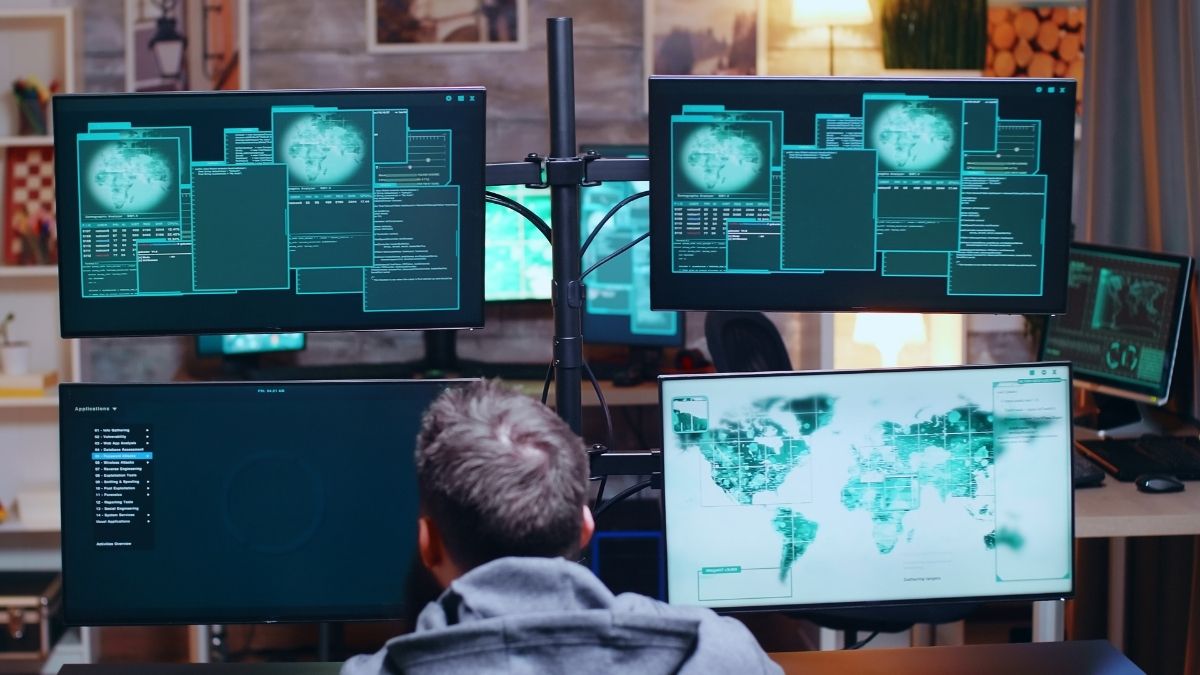
Modern organizations depend on networks for nearly every part of daily operations. Employees access cloud applications, customers interact with online services, remote workers connect from different locations, and enormous amounts of information move between devices every day. This connectivity creates efficiency, but it also gives cyber threats more potential opportunities to enter or move through an organization’s technology environment.
Protecting that environment requires more than simply blocking known malicious files. Security teams also need visibility into what is happening across the network so they can recognize activity that appears unusual, unauthorized, or potentially dangerous. Threat detection technologies help provide that visibility by continuously examining network activity and looking for indicators that something may be wrong. When suspicious behavior is identified, security teams can investigate and respond before a relatively small incident develops into a much larger problem.
What Network Threat Detection Actually Means
Network threat detection refers to the processes and technologies used to monitor network activity for signs of malicious or suspicious behavior. The objective is to identify potential security incidents by examining what is happening as systems, users, devices, applications, and external services communicate.
This differs somewhat from traditional preventive security. A firewall, for example, may apply predetermined rules to permit or block traffic. Threat detection focuses heavily on observing activity and recognizing behaviors that deserve further investigation.
Consider an employee account that normally accesses a limited set of internal resources during regular business hours. If that account suddenly begins communicating with unusual systems, transferring unexpectedly large quantities of information, or behaving very differently from its established pattern, monitoring tools may identify those changes as suspicious.
Not every unusual event represents an attack. Legitimate business activity changes constantly. The role of detection is to provide security professionals with enough context to distinguish routine variations from activity that could indicate a genuine threat.
How Network Monitoring Creates Visibility
Effective threat detection begins with visibility. Security systems need information about network activity before they can identify meaningful patterns.
Organizations can collect different forms of network telemetry, including traffic flows, connection metadata, protocol information, DNS activity, and other indicators describing how systems communicate. The precise information available depends on the organization’s network architecture and security tools.
Detection systems analyze this activity to establish an understanding of normal network behavior. That baseline provides valuable context because unusual activity becomes easier to recognize when the system understands what typically occurs.
For example, a workstation suddenly initiating connections to an unfamiliar destination may deserve attention. An unexpected increase in outbound traffic could also warrant investigation, particularly if the behavior does not match normal operations.
Visibility becomes increasingly important as networks expand beyond traditional office boundaries. Cloud services, remote employees, mobile devices, and distributed applications have made modern environments more complex, requiring security teams to monitor activity across many different locations.
Understanding Network Threat Detection
Effective network threat detection combines continuous monitoring with analytical techniques designed to identify suspicious patterns within network activity. Network threat detection can help security teams recognize behaviors associated with compromised accounts, unauthorized access, malware activity, lateral movement, unusual data transfers, and other potential security incidents.
Rather than relying on one indicator alone, network threat detection is most useful when information from multiple activities can be considered together. A single unusual connection may be harmless, but several suspicious events occurring around the same user or device may provide stronger evidence that investigation is necessary.
The goal is not simply generating alerts. It is helping security teams identify meaningful risks early enough to respond effectively.
Recognizing Known and Unknown Threats
Cybersecurity tools traditionally relied heavily on signatures, which are recognizable patterns associated with known threats. Signature-based detection remains valuable because previously identified malicious activity can often be recognized quickly.
The limitation is straightforward. A completely new attack technique may not match an existing signature.
Modern detection systems therefore use additional approaches, including behavioral analytics and anomaly detection. Instead of asking only whether activity matches something already known to be malicious, these methods can ask whether current behavior differs significantly from what is expected.
Suppose a device that normally communicates only with a few internal applications suddenly attempts connections across many systems. Even without a known malware signature, that behavior could indicate reconnaissance or an attempt to move through the network.
Combining multiple detection methods gives organizations a broader perspective. Known threats can be identified efficiently, while unusual behavior receives additional scrutiny even when it does not fit an established pattern.
The Role of Machine Learning and Analytics
Modern enterprise networks can generate enormous volumes of information. Manually reviewing every connection would be unrealistic, so analytics and machine learning can help identify patterns within that activity.
Machine learning models may examine historical behavior to establish baselines for users, devices, applications, or network segments. Significant deviations can then be surfaced for further investigation.
These technologies can be especially helpful for identifying subtle relationships between events. An individual activity might appear harmless when viewed alone, but a sequence of unusual behaviors may collectively indicate greater risk.
Automation does not eliminate the need for experienced security professionals. Context still matters, and legitimate activity can sometimes look suspicious. Employees travel, applications change, systems are upgraded, and business operations evolve.
The strongest security programs combine automated analysis with human judgment. Technology processes large volumes of information quickly, while analysts investigate context and determine the appropriate response.
Why Lateral Movement Matters
Detecting the initial compromise is only one part of cybersecurity. Attackers who gain access to one device may attempt to move deeper into the network to locate sensitive systems or expand their privileges.
This activity is commonly called lateral movement.
Network-level monitoring can be particularly valuable here because movement between internal systems creates communication patterns that may be visible even when malicious activity bypasses another security layer.
Unexpected authentication attempts, unusual connections between network segments, or access to resources that a device does not normally use may provide clues.
Early detection matters because limiting an incident before an attacker reaches critical systems can substantially reduce its potential impact.
This is one reason organizations increasingly view cybersecurity as a layered process. Preventive controls reduce opportunities for compromise, while monitoring and detection help identify activity that succeeds despite those protections.
Turning Alerts Into Useful Investigations
A detection system that produces thousands of unexplained alerts is not necessarily effective. Security teams need useful information that helps them determine which events deserve immediate attention.
Context improves this process.
An alert becomes more valuable when analysts can see which device was involved, which account was active, where communication originated, what systems were contacted, and whether related suspicious behavior occurred nearby in time.
Organizations can also prioritize alerts according to potential severity. Activity involving a critical server or privileged account may deserve faster investigation than a low-risk anomaly involving a less sensitive system.
Integration with other security technologies can provide additional context. Endpoint security, identity systems, firewalls, cloud security platforms, and security information and event management tools may each contribute information that helps analysts understand the broader incident.
The objective is to turn raw network observations into actionable security intelligence.
Responding When Suspicious Activity Appears
Detection provides value only when organizations have a plan for responding to potential threats.
When suspicious behavior is identified, analysts typically investigate the available evidence to determine whether the event represents legitimate activity, a configuration problem, or a genuine security incident.
If a threat is confirmed, response actions depend on its nature and severity. Teams may isolate affected devices, disable compromised accounts, block malicious communications, preserve evidence, or investigate other systems that could have been affected.
Some environments use automated response capabilities for well-understood scenarios, but organizations should configure these carefully. Automatically blocking legitimate activity can disrupt business operations, so response policies need to balance speed with accuracy.
Documented incident response procedures make this process more consistent. Employees understand their responsibilities, communication becomes clearer, and important investigative steps are less likely to be overlooked during stressful situations.
Building Security Through Multiple Layers
No single cybersecurity technology can protect an organization from every possible threat. Attack techniques change, business networks evolve, and legitimate activity can create complex patterns that make detection challenging.
Network-based threat detection works best as one component of a broader security program. Firewalls, endpoint protection, identity controls, multifactor authentication, software updates, access management, employee education, backups, and incident response planning all contribute different layers of protection.
Network visibility adds something especially valuable to that combination: the ability to observe communication and identify behavior that may indicate an attack is already developing.
Organizations can strengthen this capability by regularly reviewing detection rules, understanding normal network behavior, updating security architecture, and practicing incident response procedures.
Cybersecurity is not a one-time installation. It is an ongoing process of observing, learning, adapting, and improving.
Better Visibility Supports Faster Decisions
Network threat detection helps organizations understand what is happening across increasingly complicated digital environments. By monitoring communication patterns, analyzing behavior, identifying anomalies, and providing security teams with useful context, detection technologies can reveal suspicious activity that preventive controls alone might not stop.
Its greatest value comes from early awareness. The sooner security teams recognize potentially malicious behavior, the sooner they can investigate what happened and determine an appropriate response.
As organizations continue adopting cloud services, remote access, connected devices, and distributed applications, network visibility will remain an important part of cybersecurity. Strong detection does not mean assuming every unusual event is dangerous. It means having enough information to recognize when something deserves attention and enough preparation to respond effectively when a genuine threat appears.
-

 BLOG1 year ago
hanime1: The Ultimate Destination for Anime Lovers
-

 Technology1 year ago
GLAADVoice.com: How You Can Get Involved and Make a Difference
-

 ENTERTAINMENT1 year ago
Sflix: How It’s Changing the Way We Watch Movies and TV Shows
-

 BILLS1 year ago
Why Does My Instagram Reel Stop Getting Views After One Hour? How to Fix It?
-

 BLOG1 year ago
Imginn: The Ultimate Tool to View Instagram Content Anonymously
-

 BLOG1 year ago
NHentai.nef: Understanding the Popular Hentai Archive
-

 ENTERTAINMENT1 year ago
Crackstreams 2.0: The Future of Free Sports Streaming?
-

 BLOG1 year ago
ThisVid: What Makes It Stand Out in the World of Online Videos