
BLOG
10 Best Places to Get Engaged Around the World


Asking the person you love to spend a lifetime with you is one of the most momentous decisions you will ever make. While the commitment you share forms the core of the event, the backdrop provides the atmosphere for a story that will be retold for decades. From dramatic coastal cliffs and tranquil bamboo forests to historic city streets glowing in twilight, the world is full of settings that seem crafted specifically for romance. Here are 10 of the best places to get engaged around the world to inspire your ultimate proposal moment.
1. Santorini, Greece
Perched high above the Aegean Sea, Santorini is globally famous for its dramatic volcanic caldera, white-washed buildings, and cobalt blue domes. Proposing on a private balcony in Oia as the sky transitions into brilliant shades of violet and gold offers an unmatched sunset backdrop. The golden light combined with panoramic ocean views creates a fairy-tale moment for popping the question.
2. Paris, France
No romance guide is complete without mentioning the City of Light. Paris offers a variety of timeless settings, from the sparkling lights of the Eiffel Tower at night to quiet strolls along the Seine. For a more tranquil setting, consider the Trocadéro gardens at sunrise or the steps of Sacré-Cœur overlooking the city skyline.
3. Venice, Italy
Venice feels like a city frozen in time. Gliding through quieter, winding canals on a private gondola while passing centuries-old palazzos creates an extraordinarily intimate mood. The soft sound of water and historical grandeur make it a classic, elegant choice for asking for forever.
4. Kyoto, Japan
For couples who find beauty in quietude and tradition, Kyoto presents a serene alternative to bustling metropolitan capitals. Proposing beneath soft pink cherry blossom pathways in spring or inside the soaring Arashiyama Bamboo Grove provides an emerald cathedral of natural tranquility that feels truly surreal.
5. Banff National Park, Canada
If grand wilderness speaks to your relationship, Banff National Park in Alberta offers incredible scenery. The vibrant turquoise waters of Lake Louise, framed by towering snow-capped peaks and pine forests, form a breathtaking natural stage for an outdoor proposal.
6. The Maldives
For a secluded tropical escape, the Maldives represents paradise on Earth. Picture standing on a private, sun-drenched sandbar surrounded by crystal-clear waters and white sands. Whether during a candlelit dinner on the beach or over water at sunset, the privacy and beauty here are unmatched.
7. Machu Picchu, Peru
Adventurous couples will appreciate the mystery and majesty of Machu Picchu. Set high in the Andes Mountains, this ancient Incan citadel offers sweeping views of lush green valleys and dramatic mist-covered peaks, creating an exhilarating and timeless setting for a proposal.
8. Bora Bora, French Polynesia
Renowned for its turquoise lagoons and iconic overwater bungalows, Bora Bora is the epitome of luxurious island romance. A proposal along a secluded beach or on a private boat floating over calm lagoon waters brings an incredible combination of natural elegance and peace.
9. New York City, USA
For those who love vibrant city life, New York City offers classic proposal landmarks. From the iconic skyline views at the top of the Empire State Building to picturesque stone bridges tucked away in Central Park, the city provides a perfect blend of high energy and quiet romantic pockets.
10. The Isle of Skye, Scotland
For an ethereal, untamed atmosphere, the Isle of Skye in Scotland features landscapes straight out of folklore. The Fairy Pools, with their clear waters flowing against the backdrop of the Black Cuillin mountains, offer a wild and magical environment for couples who love the outdoors.
Crafting Your Perfect Moment
Choosing the ideal location comes down to selecting a destination that mirrors your shared story and personality. Pairing a stunning destination proposal with unique gemstone engagement rings ensures the milestone feels deeply personal, thoughtful, and tailored to your partner’s individual style. Regardless of which corner of the globe you select, the thought and care you put into the setting will make the moment truly unforgettable.
Introduction
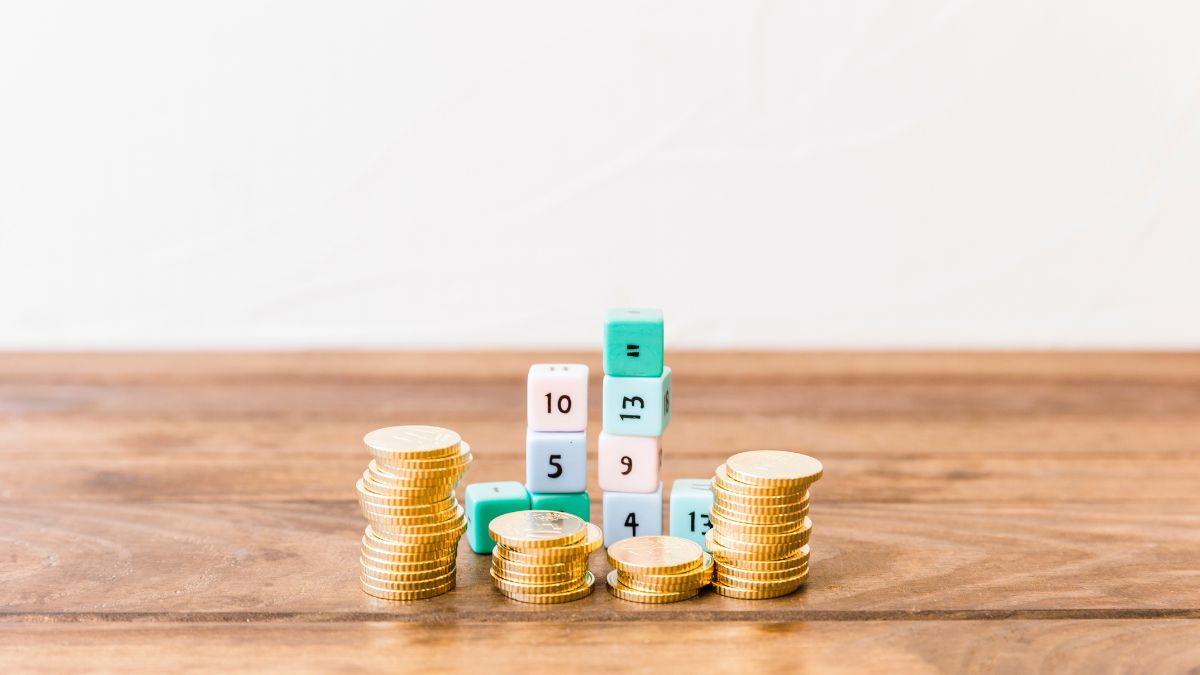
If you have ever asked, how many pounds in a ton?, the most common answer in the United States is simple:
1 ton = 2,000 pounds
If you need to convert tons into pounds, the answer depends on the type of ton being used. This is important because a ton does not always equal the same number of pounds in every measurement system.
In the United States, the most commonly used ton is the short ton, which equals 2,000 pounds. In the United Kingdom and some other contexts, the long ton equals 2,240 pounds. There is also the metric ton, also called a tonne, which equals 1,000 kilograms or approximately 2,204.62 pounds.
Because these three measurements are used in different countries and industries, understanding the differences in how many pounds are in a ton helps prevent confusion when converting weights for shipping, construction, engineering, and other practical applications.
In this article, you will learn how many pounds are in each type of ton, how to convert tons to pounds and pounds to tons, and how these measurements are used in real-world applications.
Quick Answer: How Many Pounds Are in a Ton?
The answer depends on the type of ton.
| Type of Ton | Equivalent in Pounds | Equivalent in Kilograms |
| U.S. Short Ton | 2,000 lb | 907.18 kg |
| Metric Ton or Tonne | 2,204.62 lb | 1,000 kg |
| British Long Ton | 2,240 lb | 1,016.05 kg |
For most everyday calculations in the United States:
1 Ton = 2,000 Pounds
This type is officially called a short ton or U.S. ton.
What Is a Ton?
A ton is a unit used to measure large quantities of weight or mass. Instead of expressing a very heavy object as thousands or millions of pounds, people often use tons to make the measurement easier to understand.
For example, tons are commonly used to measure:
- Steel
- Gravel
- Sand
- Concrete
- Agricultural products
- Coal
- Industrial machinery
- Shipping cargo
- Waste materials
- Vehicles
The meaning of the word ton depends on the measurement system. The three most common types are:
- U.S. short ton
- British long ton
- Metric ton or tonne
That is why it is important to identify which ton is being discussed before making a conversion.
How Many Pounds Are in a U.S. Short Ton?
A U.S. short ton contains:
2,000 pounds
This is the standard definition most people in the United States mean when they use the word ton.
Short Ton to Pounds Formula
Pounds = Tons × 2,000
For example:
- 1 ton = 2,000 pounds
- 2 tons = 4,000 pounds
- 3 tons = 6,000 pounds
- 5 tons = 10,000 pounds
- 10 tons = 20,000 pounds
Example
Suppose you have 4 tons of gravel.
4 × 2,000 = 8,000 pounds
Therefore:
4 tons = 8,000 pounds
How Many Pounds Are in a Long Ton?
A long ton is traditionally associated with the British imperial measurement system.
1 Long Ton = 2,240 Pounds
The long ton is heavier than the U.S. short ton.
The difference is:
2,240 − 2,000 = 240 pounds
Therefore, one long ton weighs 240 pounds more than one U.S. short ton.
Long Ton Conversion Formula
Pounds = Long Tons × 2,240
Here are some examples:
| Long Tons | Pounds |
| 1 | 2,240 lb |
| 2 | 4,480 lb |
| 3 | 6,720 lb |
| 5 | 11,200 lb |
| 10 | 22,400 lb |
How Many Pounds Are in a Metric Ton?
A metric ton is more accurately called a tonne.
One tonne equals exactly:
1,000 kilograms
When converted to pounds:
1 Metric Ton = Approximately 2,204.62 Pounds
The metric ton is widely used internationally because it is based on the metric system.
Metric Ton to Pounds Formula
Pounds = Metric Tons × 2,204.62
For example:
| Metric Tons | Pounds |
| 1 | 2,204.62 lb |
| 2 | 4,409.24 lb |
| 3 | 6,613.86 lb |
| 5 | 11,023.10 lb |
| 10 | 22,046.20 lb |
Short Ton vs Long Ton vs Metric Ton
The easiest way to understand the difference is to compare all three.
| Feature | U.S. Short Ton | Metric Ton | British Long Ton |
| Pounds | 2,000 lb | 2,204.62 lb | 2,240 lb |
| Kilograms | 907.18 kg | 1,000 kg | 1,016.05 kg |
| Common System | U.S. customary | Metric | British imperial |
| Relative Weight | Lightest | Middle | Heaviest |
The short ton is the lightest of the three major ton measurements, while the long ton is the heaviest.
Ton to Pounds Conversion Formula
Converting tons into pounds is easy once you know which type of ton you are using.
U.S. Short Ton
Pounds = Tons × 2,000
British Long Ton
Pounds = Tons × 2,240
Metric Ton
Pounds = Metric Tons × 2,204.62
Always check the type of ton before doing an important engineering, shipping, or commercial calculation.
Tons to Pounds Conversion Chart
The following chart uses the standard U.S. short ton.
| Tons | Pounds |
| 0.25 ton | 500 lb |
| 0.5 ton | 1,000 lb |
| 0.75 ton | 1,500 lb |
| 1 ton | 2,000 lb |
| 1.5 tons | 3,000 lb |
| 2 tons | 4,000 lb |
| 2.5 tons | 5,000 lb |
| 3 tons | 6,000 lb |
| 4 tons | 8,000 lb |
| 5 tons | 10,000 lb |
| 6 tons | 12,000 lb |
| 7 tons | 14,000 lb |
| 8 tons | 16,000 lb |
| 9 tons | 18,000 lb |
| 10 tons | 20,000 lb |
Large Tons to Pounds Conversion Chart
For industrial, construction, and transportation calculations, larger conversions are often useful.
| Tons | Pounds |
| 10 tons | 20,000 lb |
| 15 tons | 30,000 lb |
| 20 tons | 40,000 lb |
| 25 tons | 50,000 lb |
| 30 tons | 60,000 lb |
| 40 tons | 80,000 lb |
| 50 tons | 100,000 lb |
| 75 tons | 150,000 lb |
| 100 tons | 200,000 lb |
| 500 tons | 1,000,000 lb |
| 1,000 tons | 2,000,000 lb |
How to Convert Pounds to Tons
To convert pounds into U.S. short tons, divide the number of pounds by 2,000.
Formula
Tons = Pounds ÷ 2,000
Examples
2,000 ÷ 2,000 = 1 ton
5,000 ÷ 2,000 = 2.5 tons
10,000 ÷ 2,000 = 5 tons
20,000 ÷ 2,000 = 10 tons
100,000 ÷ 2,000 = 50 tons
Pounds to Tons Conversion Chart
| Pounds | U.S. Short Tons |
| 250 lb | 0.125 ton |
| 500 lb | 0.25 ton |
| 1,000 lb | 0.5 ton |
| 1,500 lb | 0.75 ton |
| 2,000 lb | 1 ton |
| 3,000 lb | 1.5 tons |
| 4,000 lb | 2 tons |
| 5,000 lb | 2.5 tons |
| 10,000 lb | 5 tons |
| 20,000 lb | 10 tons |
| 50,000 lb | 25 tons |
| 100,000 lb | 50 tons |
How Many Pounds Are in Half a Ton?
A U.S. short ton contains 2,000 pounds.
Therefore:
2,000 ÷ 2 = 1,000 pounds
Half a Ton = 1,000 Pounds
This conversion is useful for smaller loads of construction materials, agricultural products, and other bulk materials.
How Many Pounds Are in a Quarter Ton?
A quarter ton equals one-fourth of 2,000 pounds.
2,000 ÷ 4 = 500 pounds
Therefore:
One-Quarter Ton = 500 Pounds
How Many Pounds Are in 2 Tons?
Using the U.S. short ton:
2 × 2,000 = 4,000 pounds
2 Tons = 4,000 Pounds
How Many Pounds Are in 5 Tons?
5 × 2,000 = 10,000 pounds
5 Tons = 10,000 Pounds
How Many Pounds Are in 10 Tons?
10 × 2,000 = 20,000 pounds
10 Tons = 20,000 Pounds
This conversion is commonly useful when calculating the weight of large material shipments.
How Much Does One Ton Weigh?
The answer depends on the type of ton.
U.S. Short Ton
2,000 pounds
Metric Ton
Approximately 2,204.62 pounds
British Long Ton
2,240 pounds
Therefore, when someone simply says that an object weighs one ton, you should consider the country and measurement system before assuming the exact weight.
In everyday U.S. usage, the answer is normally:
1 Ton = 2,000 Pounds
Is a Tonne the Same as a Ton?
No, not exactly.
The word tonne specifically refers to the metric unit equal to 1,000 kilograms.
A U.S. short ton equals 2,000 pounds, while a tonne equals approximately 2,204.62 pounds.
The difference is:
2,204.62 − 2,000 = 204.62 pounds
Therefore, a metric tonne is approximately 204.62 pounds heavier than a U.S. short ton.
The difference may seem small for one unit, but it becomes significant when calculating hundreds or thousands of tons.
Why Are There Different Types of Tons?
Different systems of measurement developed in different countries and historical periods.
The United States commonly uses the short ton, while the traditional British imperial system used the long ton. The metric system uses the tonne, which is based on kilograms.
This difference is particularly important in international shipping and trade.
For example, 100 tons could mean:
- 200,000 pounds using U.S. short tons
- 220,462 pounds approximately using metric tons
- 224,000 pounds using long tons
That is a major difference when determining cargo weight, transportation requirements, pricing, and load limits.
Real-World Examples of Ton Measurements
Understanding tons becomes easier when comparing them with familiar objects.
Vehicles
Vehicles provide a practical example of how pounds and tons are used to describe weight. Small passenger cars may weigh around one U.S. short ton, while larger SUVs, trucks, and commercial vehicles can weigh several tons. Actual vehicle weight varies according to factors such as size, construction, engine type, battery capacity, and installed equipment.
For instance, understanding how much a Smart Car weighs can help put the ton-to-pound conversion into perspective. A vehicle weighing approximately 2,000 pounds is equal to one U.S. short ton, while heavier vehicles can easily exceed this figure.
Car Batteries
Individual automotive components are normally measured in pounds rather than tons. However, these weights can still be useful for understanding larger vehicle weight calculations.
For example, a conventional car battery may weigh approximately 25 to 50 pounds, depending on its type and size. Larger electric-vehicle battery packs can weigh hundreds or even thousands of pounds.
Construction Materials
Construction materials such as gravel, sand, concrete, and steel are frequently sold or transported by the ton.
For example:
5 tons of gravel = 10,000 pounds
Using tons makes it much easier to describe large quantities of material.
Shipping and Transportation
Freight companies may use tons when calculating the weight of cargo.
However, the measurement system must always be confirmed, especially in international transportation where short tons, long tons, and metric tonnes may all appear.
Manufacturing
Factories and industrial operations often measure raw materials and finished products in tons because the quantities involved can be extremely large.
Common Mistakes When Converting Tons to Pounds
Several mistakes can cause incorrect weight calculations.
Assuming Every Ton Equals 2,000 Pounds
This is correct only for a U.S. short ton.
A long ton and a metric ton have different values.
Confusing Ton and Tonne
A tonne equals exactly 1,000 kilograms and approximately 2,204.62 pounds.
A U.S. ton equals 2,000 pounds.
Using the Wrong Conversion Factor
Always use the correct formula:
- Short ton: multiply by 2,000
- Long ton: multiply by 2,240
- Metric ton: multiply by 2,204.62
Ignoring the Measurement System
The country, industry, and technical documentation may determine which ton is being used.
This is especially important for engineering specifications, international trade, and shipping documents.
Step-by-Step Method to Convert Tons to Pounds
Follow these simple steps.
Step 1: Identify the Type of Ton
Determine whether you have:
- A U.S. short ton
- A British long ton
- A metric ton
Step 2: Select the Correct Conversion Factor
Use:
- 2,000 for a short ton
- 2,240 for a long ton
- 2,204.62 for a metric ton
Step 3: Multiply
Multiply the number of tons by the appropriate conversion factor.
Example
Convert 8 U.S. tons into pounds:
8 × 2,000 = 16,000 pounds
Therefore:
8 tons = 16,000 pounds
Quick Ton Conversion Formulas
| Conversion | Formula |
| Short tons to pounds | Tons × 2,000 |
| Pounds to short tons | Pounds ÷ 2,000 |
| Long tons to pounds | Long tons × 2,240 |
| Pounds to long tons | Pounds ÷ 2,240 |
| Metric tons to pounds | Tonnes × 2,204.62 |
| Pounds to metric tons | Pounds ÷ 2,204.62 |
These formulas make it easy to convert between tons and pounds for most applications.
Frequently Asked Questions
How many pounds are in a ton?
In the United States, one short ton equals 2,000 pounds.
However, a metric ton equals approximately 2,204.62 pounds, while a British long ton equals 2,240 pounds.
Is 1 ton equal to 2,000 pounds?
Yes. A U.S. short ton equals exactly 2,000 pounds.
Is a ton always 2,000 pounds?
No. A U.S. short ton is 2,000 pounds, but a metric ton is approximately 2,204.62 pounds and a long ton is 2,240 pounds.
How many pounds is half a ton?
Half of a U.S. short ton equals:
0.5 × 2,000 = 1,000 pounds
How many pounds are in 2 tons?
Two U.S. short tons equal:
2 × 2,000 = 4,000 pounds
How many pounds are in 5 tons?
Five U.S. short tons equal:
5 × 2,000 = 10,000 pounds
How many pounds are in 10 tons?
Ten U.S. short tons equal:
10 × 2,000 = 20,000 pounds
What is the difference between a ton and a tonne?
A U.S. ton normally means a short ton equal to 2,000 pounds. A tonne is a metric ton equal to 1,000 kilograms or approximately 2,204.62 pounds.
Which ton is the heaviest?
The British long ton is the heaviest of the three common ton measurements because it equals 2,240 pounds.
How do I convert tons to pounds?
For U.S. short tons, multiply the number of tons by 2,000.
For example:
6 × 2,000 = 12,000 pounds
So, 6 tons equal 12,000 pounds.
Final Thoughts
So, how many pounds in a ton?
The standard answer in the United States is:
1 Ton = 2,000 Pounds
However, you should remember that not all tons have the same weight. A metric ton equals approximately 2,204.62 pounds, while a British long ton equals 2,240 pounds.
The most important step is to identify the type of ton before starting your calculation. This is particularly important when working with engineering projects, shipping, construction materials, industrial equipment, and international measurements.
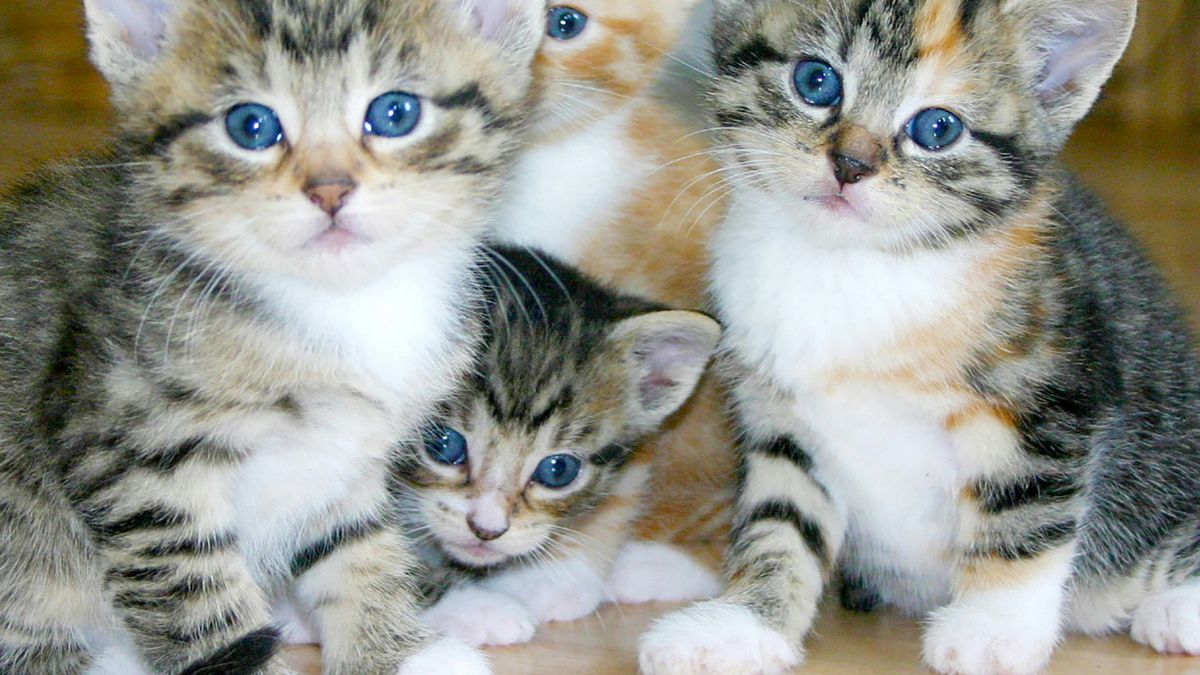
People searching for baby cats for sale may compare breeds and colors without asking how each kitten has been socialized. Early experience influences how a young cat responds to handling, household sounds, grooming, carriers, litter boxes, and unfamiliar people. Genetics matter, but daily care and a thoughtful transition can shape how confidently the kitten enters a new home.
Socialization Is More Than Human Contact
A kitten can enjoy being held and still be unprepared for ordinary routines. Social learning includes play with littermates, boundaries from the mother, exposure to varied surfaces and sounds, gentle handling, nail and coat care, and opportunities to retreat.
Time with littermates teaches communication that humans cannot reproduce exactly. Kittens learn when play becomes too rough, how to pause, and how to read another cat’s signals. This is one reason responsible sellers avoid releasing kittens too early.
Ask What the Kitten Already Knows
Before reservation, request concrete examples rather than a general statement that the kitten is “well socialized.” Ask whether it has experienced:
- regular gentle handling by different people;
- brushing, nail touching, and ear checks;
- a carrier and short periods of confinement;
- normal household sounds at a safe level;
- litter boxes and scratching surfaces;
- play with siblings and individual rest;
- other animals, when appropriate and safely managed.
No kitten needs exposure to every possible situation. The goal is a foundation of safe, positive experiences, not overwhelming stimulation.
Development Continues Until Homecoming
Happy Paws US states that kittens generally stay with their breeders until about 16 weeks, allowing time for vaccinations, immune development, and social learning. Families may reserve a younger kitten and receive updates while preparation continues.
Readiness Is Individual
Two kittens of the same age can react differently. One may explore immediately; another may observe from a hiding place. A cautious kitten is not necessarily poorly socialized. Buyers should ask how the individual responds to new people, play, grooming, and changes in routine.
Use videos as additional evidence when an in-person meeting is impossible. Look for relaxed movement, curiosity, normal play, and recovery after a mild surprise. Do not expect staged perfection.
Prepare a Low-Pressure Arrival
Follow this sequence:
- Allow the kitten to explore the starter room.
- Sit quietly and offer play without pursuing it.
- Keep meals and litter cleaning on a predictable schedule.
- Introduce additional rooms gradually.
- Exchange scents before face-to-face pet introductions.
- Add visitors only after the kitten is eating and using the litter normally.
Consistency helps the kitten understand that the new environment is safe.
Continue Handling and Grooming Positively
Short daily sessions maintain the skills developed by the breeder. Touch paws, inspect ears, brush the coat, and practice entering the carrier. Pair each activity with calm praise, play, or a small reward. Stop before the kitten struggles strongly.
If fear appears, reduce intensity. Place the carrier in the room with bedding rather than bringing it out only for veterinary trips. Let grooming tools become ordinary objects. Socialization works best through repetition and choice, not restraint.
Introduce Children and Pets Carefully
Teach children to sit, use quiet voices, and let the kitten approach. They should not carry the kitten without supervision or disturb it while sleeping or eating. Resident animals require gradual scent exchange, barriers, and separate resources.
Ask a veterinarian or qualified behavior professional for help if there is persistent hiding, aggression, refusal to eat, inappropriate elimination, or conflict between animals. Early support can prevent a temporary adjustment problem from becoming a routine.
Choose the Individual, Not a Stereotype
Breed descriptions can suggest general tendencies, but they do not determine every kitten’s personality. Happy Paws US offers many purebred options and provides individual profiles and specialist guidance. Families should compare actual behavior, grooming needs, activity, health preparation, and household fit.
A smooth transition begins before the kitten leaves the breeder and continues after arrival. Buyers who ask about early experience and create a gradual homecoming give the young cat time to build trust without unnecessary pressure.

A difficult historical subject can become abstract when it is reduced to a date, a definition, and a photograph behind glass. Visitors may understand the words but fail to grasp the human choices behind them. Interactive interpretation addresses that gap by asking people to slow down, compare evidence, hear a voice, or make a deliberate choice about what to examine next.
A well-designed Chicago interactive museum does more than add buttons to an exhibition. It creates a sequence in which participation leads to context, and context leads to reflection. This approach is especially valuable for subjects involving punishment, injustice, fear, and abuse of authority, where spectacle without explanation would be irresponsible.
From Observation to Participation
Why Active Attention Changes the Museum Visit
Traditional display cases are useful when fragile originals require protection. Yet a reconstructed environment can answer different questions: How large was an object? How did a room constrain movement? Why would a public punishment intimidate an entire crowd? Physical scale and spatial relationships make those questions easier to imagine.
Interaction should always have a learning purpose. Touching a replica, entering a staged chamber, or listening to a first-person account can focus attention on function and consequence. The activity is not the lesson by itself; it is the doorway into the lesson.
- The visitor performs a meaningful action rather than pressing a random control.
- The exhibit explains what is reconstructed and what is historically documented.
- The design connects an object to people, institutions, and consequences.
- Participation remains optional for visitors who prefer to observe.
Emotion, Memory, and Historical Context
The Difference Between Shock and Understanding
Emotion can sharpen attention, but it can also overwhelm detail. Responsible museums therefore pair strong environments with labels, narration, and pauses. The aim is to move the visitor from an immediate reaction — fear, disbelief, discomfort — toward specific questions about law, social hierarchy, religion, and the public use of violence.
At the Medieval Torture Museum in Chicago, more than 100 reconstructed devices are presented within immersive sets. An audio guide expands the display through stories about historical use and the experiences of people subjected to punishment. Interactive and photo-oriented elements create engagement, while the documented theme gives the visit a clear educational frame.
What Responsible Interactive Interpretation Looks Like
Sources, Explanations, and Visitor Choice
A museum dealing with human suffering should be transparent about evidence. Some popular torture stories have been repeated for centuries without reliable documentation. Good interpretation distinguishes established practice, later reconstruction, disputed attribution, and legend. That honesty strengthens the experience because it shows how historical knowledge is built.
- State what type of source supports the display, such as a legal record, engraving, or later account.
- Explain the social system around the object, not only its mechanical function.
- Use warnings before graphic content and allow visitors to bypass intense sections.
- End with questions that connect the subject to broader ideas of justice and human rights.
What Visitors Can Expect in Chicago
Audio Guidance, Hands-On Displays, and Immersive Sets
The Chicago museum occupies more than 6,000 square feet in the Loop and combines the central exhibition with an audio guide, interactive features, photo zones, and an optional ghost-hunting activity. Visitors should expect a deliberately dark atmosphere and historically graphic subject matter rather than a conventional art-museum pace.
The format suits adults and older teenagers who enjoy history, theatrical environments, or dark tourism. It can also work for mixed-interest groups because one person may focus on research and labels while another responds more strongly to staging, sound, and spatial design.
A Checklist for Choosing an Interactive Museum
Questions to Ask Before Booking
- Does the subject interest everyone in the group, and are there age or content advisories?
- Do reviews describe the interpretation as informative, not only frightening or photogenic?
- Are the interactive elements included in admission, or do they require separate planning?
- Will you have enough time to use the audio content instead of rushing through it?
Interaction is valuable when it helps visitors notice more, ask better questions, and remember the reasons behind what they saw. Difficult history does not need to be softened into trivia. It needs evidence, humane interpretation, and a format that turns attention into understanding.
-

 BLOG1 year ago
hanime1: The Ultimate Destination for Anime Lovers
-

 Technology1 year ago
GLAADVoice.com: How You Can Get Involved and Make a Difference
-

 ENTERTAINMENT1 year ago
Sflix: How It’s Changing the Way We Watch Movies and TV Shows
-

 BILLS1 year ago
Why Does My Instagram Reel Stop Getting Views After One Hour? How to Fix It?
-

 BLOG1 year ago
Imginn: The Ultimate Tool to View Instagram Content Anonymously
-

 BLOG1 year ago
NHentai.nef: Understanding the Popular Hentai Archive
-

 ENTERTAINMENT1 year ago
Crackstreams 2.0: The Future of Free Sports Streaming?
-

 BLOG1 year ago
ThisVid: What Makes It Stand Out in the World of Online Videos