
BLOG
Sagės: Exploring the Delicate Artistry of Hand-Crafted Silver Brooches

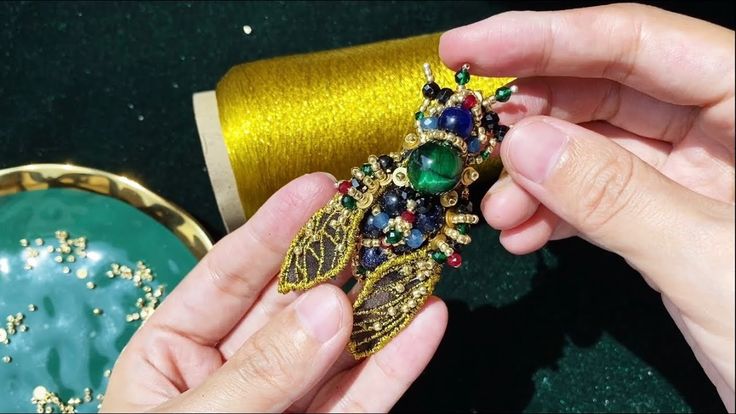
Jewelry often carries stories that go beyond its material value. Sagės, traditionally associated with decorative brooches, reflect a rich connection between craftsmanship, personal expression, and cultural identity. These elegant accessories can transform a simple outfit while preserving artistic traditions that have developed over generations.
Hand-crafted silver brooches are especially admired for their detailed designs and lasting beauty. Some feature nature-inspired patterns, while others display geometric shapes, historical symbols, or modern artistic forms. Each piece can represent the skill and imagination of its maker.
Today, brooches are enjoying renewed interest. They are no longer limited to formal clothing or traditional costumes. Instead, they appear on jackets, scarves, dresses, handbags, and even hats. This growing versatility has helped traditional silver accessories find a place in contemporary fashion.
What Are Sagės?
The word sagės is commonly connected with brooches or decorative pins, particularly within Lithuanian language and cultural contexts. A brooch is designed to fasten clothing while also serving as an ornament. Over time, its practical purpose became closely connected with artistic expression.
Traditional brooches were often made from metals such as silver, bronze, or gold. Their designs could communicate social status, regional identity, family heritage, or personal taste. In many communities, decorative jewelry also appeared during celebrations, ceremonies, and important life events.
Modern pieces continue this tradition in new ways. Some artists follow historical methods, while others experiment with minimalist forms. As a result, contemporary designs can appeal to collectors, fashion enthusiasts, and people who value handmade accessories.
The History Behind Sagės and Decorative Brooches
Brooches have existed for centuries and were originally created as functional clothing fasteners. Before buttons became widely available, people used pins and metal clasps to secure garments. However, these practical objects gradually developed into decorative works of art.
In different European cultures, brooches became symbols of craftsmanship and identity. Their appearance often changed according to local materials, artistic trends, and social customs. Silver became particularly popular because it was durable, attractive, and suitable for detailed metalwork.
Traditional sagės could include engraved patterns, twisted wire, raised decorations, or carefully shaped edges. Many designs drew inspiration from the natural world. Flowers, leaves, birds, and sun-like forms appeared in jewelry because they carried visual and symbolic meaning.
Over time, brooches became family treasures. A carefully made piece could be passed from one generation to another. This connection between jewelry and memory remains one reason handcrafted brooches continue to hold emotional value.
Sagės and the Art of Hand-Crafted Silver
Creating a silver brooch requires patience, technical knowledge, and artistic vision. Unlike mass-produced accessories, handmade pieces often involve several detailed stages. The artist may begin with a sketch before selecting the appropriate silver and shaping the main structure.
The metal can be cut, heated, hammered, engraved, or polished. Some designs include delicate textures created by hand. Others use stones, enamel, or contrasting materials to add color and depth.
The handmade process gives each brooch its own character. Small variations may appear because the work is completed individually rather than produced by a machine. These details can make a piece feel more personal and distinctive.
Craftsmanship also influences durability. A well-made silver brooch can remain attractive for many years when it receives proper care. For this reason, handmade jewelry is often viewed as both a fashion accessory and a long-term keepsake.
Traditional Techniques Used in Silver Brooches
Several metalworking methods may be used to create detailed brooches. Common techniques include:
- Engraving: Fine lines or patterns are carved into the silver.
- Hammering: The surface is shaped to create texture and movement.
- Filigree: Thin metal wires are twisted and arranged into delicate designs.
- Repoussé: Patterns are formed by shaping the metal from the reverse side.
- Oxidation: Selected areas are darkened to highlight decorative details.
These methods require precision. Even a small design may take many hours to complete. The final result often reflects both traditional knowledge and the artist’s individual style.
Why Sagės Remain Popular Today
Modern fashion changes quickly, but certain accessories maintain their appeal because they offer versatility and meaning. Sagės continue to attract attention because they combine history with personal style.
A silver brooch can add character to clothing without changing the entire outfit. It may serve as a subtle detail or become the main visual feature. This flexibility makes brooches suitable for many occasions.
People are also showing greater interest in handmade products. Many buyers want to know who created an item and how it was made. Handcrafted jewelry offers a connection to the creative process that mass-produced accessories may not provide.
In addition, silver has a timeless appearance. Its neutral tone works with many colors and fabrics. A simple silver design can look refined with formal clothing, while a bold piece can add personality to casual wear.
How to Style Sagės with Modern Outfits
Brooches can be worn in many creative ways. Although they are traditionally placed near the shoulder or collar, modern styling allows greater freedom.
A small silver piece can be attached to the lapel of a blazer. This creates a polished look without requiring additional jewelry. A larger design may be placed on a plain dress to create a strong focal point.
Scarves also provide an excellent place for decorative pins. A brooch can secure the fabric while adding visual interest. This combination connects the accessory’s original practical purpose with its modern decorative role.
For a more unusual style, a brooch can be attached to a handbag, beret, or fabric belt. Several smaller pieces may also be grouped together to create a layered appearance.
When choosing a design, consider the clothing’s color and texture. Detailed silver patterns often stand out against dark fabrics. Minimalist designs may work well with bright or patterned clothing.
Choosing High-Quality Sagės
When buying a handmade silver brooch, craftsmanship should be one of the main considerations. Examine the surface carefully. The design should appear balanced, and the edges should feel smooth rather than rough.
The fastening mechanism is also important. A secure pin helps prevent damage or loss. It should open and close easily while remaining strong enough to hold the accessory in place.
If the piece is described as silver, check for information about its metal quality. Sterling silver is commonly marked with “925,” indicating that it contains 92.5 percent silver. However, markings can vary depending on the maker and region.
Buyers may also want to learn about the artist. Knowing the creator’s background can provide useful insight into the design process and inspiration. Handmade work often becomes more meaningful when its story is understood.
Caring for Hand-Crafted Silver Brooches
Silver can naturally develop a darker surface over time. This process is called tarnishing. It does not necessarily mean the jewelry is damaged, but regular care can help maintain its original appearance.
Store the brooch in a dry place when it is not being worn. A soft pouch or lined jewelry box can reduce scratches. Keeping silver away from moisture may also slow tarnishing.
Avoid exposing the piece to perfumes, hairspray, cleaning chemicals, or chlorine. These substances may affect the metal’s surface. It is usually best to put on jewelry after applying cosmetics.
Use a soft polishing cloth for gentle cleaning. If the brooch contains stones, enamel, or intentionally darkened details, avoid harsh products. Strong cleaners may remove finishes or damage delicate materials.
The Cultural Value of Sagės
A handmade brooch can represent more than fashion. It may preserve local artistic traditions and connect people with cultural heritage. Traditional patterns can carry stories that remain meaningful even when they are adapted for modern designs.
Jewelry also creates a link between generations. A family brooch may remind someone of a parent, grandparent, or important celebration. These personal connections can make a small object emotionally valuable.
Contemporary artists help keep traditional craftsmanship active. By combining historical techniques with new ideas, they introduce older art forms to modern audiences. This approach supports creativity while respecting cultural roots.
The Future of Hand-Crafted Silver Brooches
Interest in sustainable and meaningful fashion may encourage more people to choose durable handmade accessories. Instead of purchasing items designed for short-term trends, buyers are increasingly considering quality and long-term value.
Handcrafted silver jewelry fits this shift. A carefully produced brooch can be worn repeatedly, repaired when necessary, and passed down through families. Its value may grow through the memories connected with it.
Digital platforms have also made it easier for independent artists to share their work with international audiences. As a result, traditional designs can reach new communities while maintaining their original character.
Future creations may combine ancient symbols with modern shapes, new materials, and innovative techniques. However, the central appeal will likely remain unchanged: the connection between skilled hands, meaningful design, and personal expression.
Conclusion
Sagės represent a beautiful meeting point between history, craftsmanship, and fashion. From traditional silver designs to modern artistic creations, these brooches continue to offer both decorative and cultural value.
Their appeal comes from more than their appearance. Each handmade piece may reflect careful work, creative vision, and a connection to heritage. Whether worn on a jacket, scarf, dress, or handbag, a silver brooch can make an outfit feel more personal.
As interest in handcrafted accessories continues to grow, these timeless pieces are likely to remain relevant. A carefully chosen brooch is not simply an ornament. It can be a work of art, a cultural symbol, and a lasting reminder of the beauty found in skilled craftsmanship.
BLOG
Best Visual Diagram and Mind Mapping Tools for Education: Features and Collaborative Whiteboard Options for 2026


The best visual diagram and mind mapping tools for education pair a way to organize ideas with a collaborative whiteboard. Adobe Acrobat’s mind map maker covers the organizing step: upload notes or slides as PDF, DOCX, PPTX, XLSX, or TXT files, and it builds a mind map with the source shown behind select branches, with no sign-up required.
Teachers and students who want to turn scattered thoughts into clear visual diagrams usually need three kinds of tool: a shared canvas for live group work, a mind or concept map for structure, and a diagramming tool for exact layouts such as flowcharts. The sections below match tools to each need and note what the free education access includes.
What Collaborative Whiteboard Should You Use in Education?
Pick the whiteboard that fits your school’s existing accounts. Miro’s free plan allows unlimited members but only three editable boards, while its Education plan includes unlimited boards for students, free for two years, and for educators, free indefinitely. FigJam is free for verified students and educators and includes a mind map template. Microsoft Whiteboard has always been free for students and education professionals through the Microsoft 365 A1 offer, includes more than 60 templates, and lets teachers choose read-only or collaboration mode before creating each whiteboard, which helps when you want students to view an example before they edit. Canva’s whiteboard templates include concept maps, and Canva Education is free for K-12 teachers and students.
Best Educational Mind Mapping and Concept Mapping Diagram Tools: Education Features to Look for in 2026
Compare tools on five features: free education access, the way students collaborate, templates, export options, and links back to source material. Adobe Acrobat’s mind map maker shows the original source behind select branches, and CmapTools lets you attach resources to concepts. Miro’s free plan includes 10 AI credits a month, MindMeister’s free plan includes AI map creation in beta, and Mindomo’s free plan includes one AI credit. Exports differ too: Coggle’s free plan includes PDF and image download, while Miro’s free plan allows only low-resolution board exports. Check how each tool treats student accounts before the term starts, because a feature that is free for teachers may be limited for students. The table summarizes the education features of each tool.
| Platform | Education features | Free access |
| Adobe Acrobat mind map maker | Mind map from uploaded files; source shown behind select branches | Free, no sign-up required; files up to 100MB each |
| CmapTools | Concept maps with attached resources | Free for educational use; free Cmap Cloud account |
| Miro | Shared boards; Education plan with unlimited boards | Free plan has 3 editable boards |
| FigJam | Classroom templates, including a mind map | Free for verified students and educators |
| Microsoft Whiteboard | Teacher-controlled read-only or collaboration mode | Free for students and education professionals through Microsoft 365 A1 |
| Lucidchart | Diagrams with 100 templates | Free plan has 3 editable documents; education keeps the same limit |
| Coggle | Real-time mind maps with PDF and image download | Free plan has 3 private diagrams |
| MindMeister | Mind maps with AI creation in beta | Free plan has 3 mind maps |
Best Visual Thinking Diagram Tools for Education Concept Mapping
Concept mapping needs labeled links, so choose a tool that handles lines and text well. CmapTools is built for the job and, according to IHMC, supports linking words that turn each pair of concepts into a statement. It is free for educational use and has a free Cmap Cloud account and a web version. Lucidchart suits cleaner diagrams, with a free plan of three editable documents, 75 shapes each, and 100 templates. diagrams.net is free with no sign-up required, and you choose where files are saved. Canva offers free concept map templates. Adobe Acrobat’s mind map maker makes mind maps rather than labeled concept maps, so use it for a first draft. Start each map with a focus question. Check that students can save their map as a file for assessment.
Education Mind Map Diagram Collaboration: How Do Students Work Together?
Choose a tool that lets the whole group edit one map. Coggle’s free plan includes real-time collaboration, sharing by link or QR code, and full change history, which lets you review how a map developed. MindMeister’s free plan allows unlimited collaborators on up to three maps. Miro’s free plan includes unlimited members, but every board is open to all team members by default. With Adobe Acrobat, signed-in students can create a shared Student Space and invite classmates with a link. Assign roles, such as one person who builds the structure and another who checks sources, and keep one shared map per project so work does not split across versions. Ask each student to add a short note on what they changed.
Frequently Asked Questions
Should a class start with a whiteboard or a mind map?
Start with a whiteboard when the goal is live brainstorming, and a mind map when the goal is organizing what you already know. Use a concept map when relationships matter, since labeled links make each connection explicit. Many classes use two: a whiteboard to gather ideas, then a map to structure them.
How can teachers keep student collaboration on track?
Use the controls each tool offers. Microsoft Whiteboard lets teachers choose read-only or collaboration mode before creating each whiteboard, and Miro’s Education plan gives teachers unlimited boards. Set a focus question, assign roles, and check the map’s change history or board activity before the final discussion.
Are these tools free for schools?
Often, for students and educators. Miro’s Education plan, FigJam, Microsoft Whiteboard, and CmapTools all have free education access, and Canva Education is free for K-12. Free plans still have limits, such as three editable documents on Lucidchart, so confirm the details with your school’s technology team. Miro’s student access lasts two years, so plan for renewal.

You can plan almost every part of an overseas trip before leaving home: flights are booked, accommodation is confirmed, and your suitcase is packed. Yet mobile connectivity is often something travellers only think about once they arrive.
That is when problems can start. Your phone may connect to an unfamiliar network, mobile data may stop working, or your regular UK plan may come with additional roaming charges. Even when roaming is available, the amount of data included and the countries covered can vary depending on your provider and plan.
eSIM io offers an alternative way to stay connected internationally. Instead of relying entirely on the roaming arrangement attached to your regular mobile plan, you can use eSIM io to access mobile data through an eSIM on a compatible smartphone.
The digital setup means there is no physical SIM card to purchase, remove or replace, making it possible to arrange your connectivity before you arrive at your destination.
Why Roaming Can Become Complicated
International roaming allows your regular mobile service to connect to another network when you are outside your home country. However, roaming conditions are not identical for every destination or mobile provider.
Some UK plans may include roaming in selected countries, while others may have data limits or additional charges. If you are visiting several destinations, you may also need to check whether your existing plan covers each country.
This is where having another connectivity option can be useful.
With eSIM io, you can check the available options for your destination and choose an eSIM plan based on your expected data requirements. Rather than discovering the limitations of your roaming arrangement after landing, you can organise your connection before departure.
eSIM io Keeps the Setup Digital
One of the main features of eSIM io is that it uses eSIM technology instead of requiring a physical SIM card.
Once you have a compatible device and select an appropriate plan, the eSIM can be installed digitally. This means there is no need to visit a mobile shop at the airport, wait for a physical SIM to be activated or worry about where you put your original SIM card.
The digital format is particularly convenient for people who want to organise their connectivity before leaving the UK. You can complete the setup while you still have access to your normal internet connection and make sure your phone is ready before you need mobile data abroad.
Keep Your Existing SIM Where Supported
Using eSIM io does not necessarily mean removing your regular UK SIM.
Many modern smartphones support multiple SIM profiles, allowing users to configure their existing SIM alongside an eSIM. Depending on the device and mobile provider, you may be able to keep your normal number available while using eSIM io for mobile data.
This can be useful if you still want access to your usual number while reducing your reliance on your domestic roaming allowance. Before departure, check your phone’s dual-SIM settings and confirm which line is being used for mobile data.
Stay Connected Without Searching for Wi-Fi
Free Wi-Fi can be useful, but it is not always available when you need it. You might leave the airport and immediately need directions to your hotel. You may need to book transport, check a reservation, translate something or contact someone waiting for you.
With eSIM io already set up on your compatible phone, you can have mobile data available without making your plans dependent on finding the next Wi-Fi hotspot.
This is especially useful when arriving somewhere unfamiliar, where getting connected quickly can make the first few hours much easier.
eSIM io Can Make Multi-Country Connectivity Simpler
International trips do not always involve a single destination. A European itinerary, for example, could include France, Italy and Spain. If you rely on separate physical SIM cards, changing countries can mean finding another provider, purchasing another SIM and repeating the setup process.
With eSIM io, you can review the available options for your destinations and choose connectivity according to the countries and data requirements relevant to your trip.
The exact availability and coverage depend on the selected plan, so checking the destination details before purchasing is important.
Choose Around Your Actual Data Usage
Not everyone uses mobile data in the same way. Someone who mainly checks maps, sends messages and looks up travel information may need considerably less data than someone who streams videos, works remotely or regularly joins video calls.
eSIM io allows users to consider their expected usage when selecting an appropriate plan. Thinking about your normal phone habits before purchasing can help you avoid choosing more data than you need or discovering that your allowance is too limited.
You can also use Wi-Fi where convenient and reserve your mobile data for situations where having a connection matters most.
An Extra Benefit for New eSIM io Users
If you are considering eSIM io for your next international trip, there is currently an introductory offer for new users. The code 50BONUS can provide 50% bonus credit, subject to the applicable promotional terms.
Checking the current offer before purchasing can be worthwhile if you are already planning to use eSIM io for international connectivity.
Don’t Wait Until You Arrive to Set Everything Up
One of the easiest ways to avoid connectivity stress is to prepare before leaving home.
First, check that your smartphone supports eSIM technology. Then review the available eSIM io coverage for your destination and select an option that matches your expected data usage.
Install the eSIM while you still have a reliable internet connection and review your phone’s mobile-data settings before departure.
That way, you are not trying to solve a connectivity problem after a long flight, while looking for your accommodation or standing in an unfamiliar airport.
A More Flexible Way to Handle International Connectivity
Roaming can still be a suitable option for some travellers, particularly when their existing mobile plan provides the coverage and data they need. But it is not the only way to stay connected abroad.
eSIM io gives users a digital alternative that can be prepared in advance, used without a physical SIM card and selected according to destination and data requirements.
For people who regularly travel internationally, work while abroad or simply want to avoid depending entirely on public Wi-Fi, having eSIM io ready before departure can make mobile connectivity one less thing to worry about.
The important part is to check your device compatibility, destination coverage and plan details before you leave. Once those are sorted, you can arrive knowing that your phone is ready to connect when you need it.

Creating attractive visuals once required artistic skills, graphic design software, and hours of editing. Today, artificial intelligence has made the process much easier. Anyone can describe an idea in a few sentences and turn it into an image within minutes. This technology is transforming how businesses, content creators, marketers, and designers approach visual content.
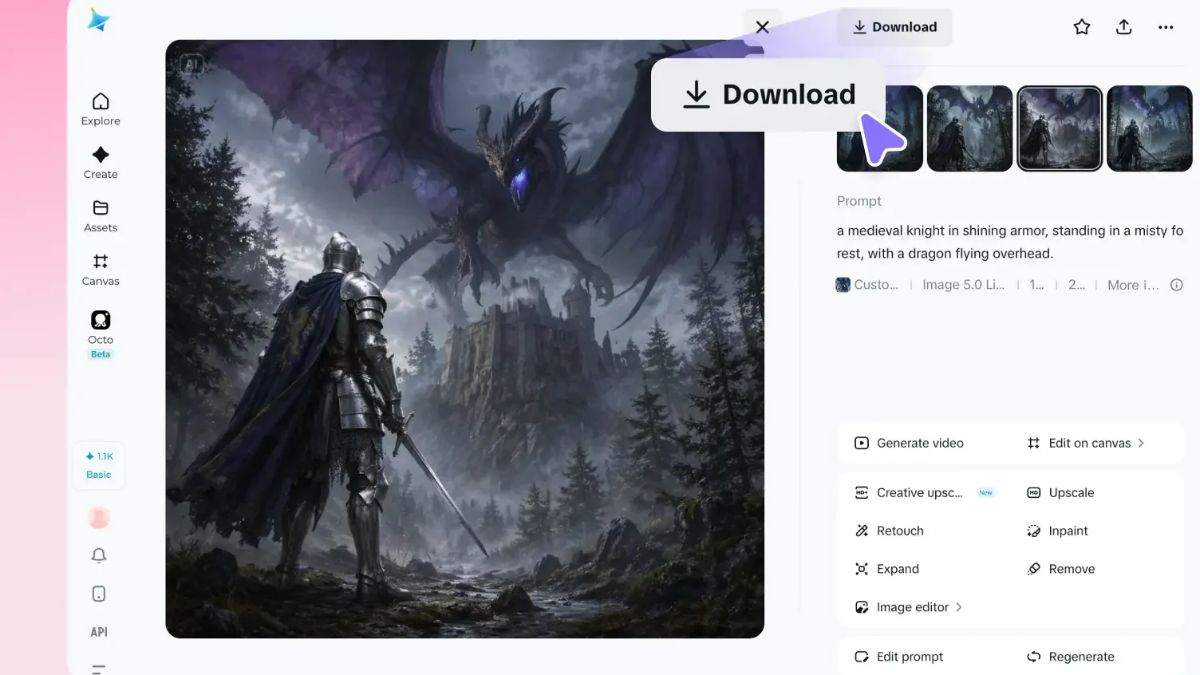
With ai image generation, users can convert written descriptions into illustrations, realistic photographs, digital artwork, and creative designs without starting from a blank canvas. An online ai image generator makes this process even more accessible by allowing users to create images directly through a web browser, eliminating the need for complicated software or advanced technical knowledge.
What Is AI Image Generation?
AI image generation is a technology that uses artificial intelligence models to create images based on text prompts or other visual inputs. Users describe what they want to see, including the subject, background, colors, lighting, composition, and artistic style. The AI then interprets these instructions and produces a corresponding visual.
For example, someone creating a travel blog might enter a prompt describing a peaceful beach at sunset, with golden sunlight reflecting on the water and palm trees along the shoreline. The AI can transform that description into an image that matches the requested atmosphere.
The technology is useful for many creative purposes, including social media graphics, product concepts, website illustrations, advertising materials, and personal artwork. As AI tools become more sophisticated, generating customized visuals is becoming a practical option for people with different levels of creative experience.
How an Online AI Image Generator Works
An online ai image generator simplifies the creative process by turning a written description into a visual output through a few straightforward steps. Instead of manually drawing every element, users communicate their ideas through text.
1. Start With a Text Prompt
The first step is describing the image you want to create. A prompt can be short and simple or detailed enough to specify the entire scene. For instance, a basic prompt might request a modern coffee shop, while a more descriptive version could include wooden furniture, warm lighting, large windows, and a minimalist interior.

Clear descriptions generally help AI systems understand the intended result more effectively. Including details about the subject, setting, mood, and visual style can make the generated image more closely match the original idea.
2. Let AI Interpret Your Idea
Once the prompt is submitted, the AI processes the description and generates an image based on the relationships between words, visual concepts, and patterns learned during training.
This automated process removes many traditional barriers to visual creation. Users do not need to understand advanced illustration techniques or spend hours arranging individual design elements. Instead, they can focus on communicating their creative vision.
3. Review and Refine the Result
The first image may not always match the original concept perfectly. Users can improve their results by adjusting the prompt, adding missing details, or experimenting with different styles and compositions.
This flexibility makes ai image generation particularly useful for brainstorming. Rather than committing to a single design immediately, creators can explore multiple approaches until they discover a visual direction that suits their needs.
Key Benefits of AI-Powered Image Creation
AI image tools offer several advantages that make visual production faster and more convenient.
Faster content creation: Traditional design workflows can involve sketching, editing, sourcing images, and making repeated revisions. AI can generate an initial visual much faster, helping creators move from an idea to a usable concept in less time.
Accessibility for beginners: People without professional design experience can create images by describing their ideas in everyday language. This lowers the learning curve and makes visual creativity accessible to a broader audience.
Greater creative flexibility: Users can experiment with different artistic styles, colors, backgrounds, and compositions without rebuilding an image from scratch. This is especially helpful when exploring concepts for campaigns or creative projects.
Cost-effective experimentation: AI-generated concepts can reduce the time and resources needed to explore early design ideas. Businesses can test different visual directions before deciding which concepts deserve additional professional development.
Support for multiple industries: From e-commerce and education to entertainment and digital marketing, AI-generated visuals can support a wide range of communication and creative tasks.
Practical Ways to Use AI-Generated Images
The usefulness of ai image generation extends beyond producing attractive pictures. It can help solve everyday visual content challenges across different industries.
Marketing and Social Media
Marketers regularly need fresh visuals for advertisements, promotional campaigns, blog posts, and social media updates. AI-generated images allow them to explore creative concepts that align with their messaging and brand identity.
For example, a campaign promoting a summer collection could use AI to develop tropical backgrounds, lifestyle scenes, or colorful product concepts.
E-Commerce and Product Concepts
Online retailers can use AI-generated visuals to brainstorm packaging ideas, develop advertising concepts, and explore possible product presentations. These images can support the early planning process, although realistic product representations should be checked carefully before publication.
Blogging and Website Design
Bloggers and website owners often need images that complement their written content. An AI tool can help create illustrations for articles, landing pages, and educational resources when suitable original visuals are difficult to source.
Personal and Creative Projects
AI tools also make it easier to experiment with imaginative ideas, including fantasy landscapes, character concepts, digital illustrations, and personalized artwork. Users can explore creative possibilities without needing to master professional drawing software.
Choosing the Right AI Image Generator
Selecting an appropriate tool depends on your goals, preferred visual styles, ease of use, and available features. A good platform should make it straightforward to enter prompts, generate images, and refine results when necessary.
It is also worth considering image quality, available customization options, usage limits, and commercial licensing terms. Anyone creating visuals for a business should review the platform’s applicable terms and ensure that the output meets their project’s requirements.
For an accessible starting point, use Dreamina to explore text-to-image creation, experiment with different visual concepts, and discover how simple descriptions can become engaging digital artwork. Trying different prompts can help you understand which details produce results that best match your creative vision.
Tips for Getting Better Results
Although AI can automate much of the image creation process, thoughtful prompting remains important. A few simple practices can improve the outcome.
- Be specific: Describe the main subject, environment, lighting, and mood rather than relying on vague instructions.
- Define the style: Mention whether you want a realistic photograph, watercolor painting, 3D illustration, or minimalist graphic.
- Include composition details: Explain where the subject should appear and whether the image needs space for text.
- Experiment with variations: Change one or two prompt details at a time to understand how they affect the result.
- Review the final image: Check for visual inconsistencies, distorted details, and unintended elements before publishing.
These practices help users communicate their ideas more clearly and make the most of AI-powered creative tools.
Conclusion
Turning written ideas into compelling visuals no longer requires advanced artistic skills or complicated design workflows. An online ai image generator allows users to describe a concept, generate an image, and refine the result through a simple digital process.
As ai image generation continues to develop, it is becoming an increasingly valuable resource for marketers, entrepreneurs, bloggers, designers, and everyday creators. By combining clear prompts with careful review and experimentation, users can produce original visual concepts more efficiently and bring their ideas to life with greater creative freedom.
-

 BLOG1 year ago
hanime1: The Ultimate Destination for Anime Lovers
-

 Technology1 year ago
GLAADVoice.com: How You Can Get Involved and Make a Difference
-

 BLOG1 year ago
Imginn: The Ultimate Tool to View Instagram Content Anonymously
-

 BILLS1 year ago
Why Does My Instagram Reel Stop Getting Views After One Hour? How to Fix It?
-

 ENTERTAINMENT1 year ago
Crackstreams 2.0: The Future of Free Sports Streaming?
-

 BLOG1 year ago
ThisVid: What Makes It Stand Out in the World of Online Videos
-

 ENTERTAINMENT1 year ago
Sflix: How It’s Changing the Way We Watch Movies and TV Shows
-

 BLOG1 year ago
NHentai.nef: Understanding the Popular Hentai Archive