
BLOG
Selling A House Quickly In Raleigh-Durham In 2026: A Clear Guide To Speed, Cost, And Certainty


Selling a home quickly in Raleigh-Durham can be a practical goal when a move, an inherited property, a job change, a financial deadline, or a repair issue creates urgency. The right approach depends on more than the listing price. It also depends on the home’s condition, the time available, the costs of waiting, and the certainty needed before closing. Homeowners who want to sell house for cash in Raleigh, NC, may prioritize convenience and a predictable timeline, while others may prefer to seek broader market exposure.
A fast sale is not automatically the best sale. A traditional listing may produce stronger offers for a well-maintained home, but it can involve showings, negotiations, inspections, appraisals, and buyer financing. A direct sale may simplify some of those steps, although the offer price may be lower. The most useful comparison is the amount the seller receives at closing, not simply the number at the top of an offer.
What Raleigh-Durham Sellers Face In 2026
Raleigh and Durham are not one uniform market. Demand, inventory, price reductions, and days on market can vary substantially by neighborhood, school district, property type, and price range. Buyers generally have more information and more choices than they did during the most aggressive recent seller markets, so accurate pricing matters. A home that enters the market close to its realistic value can attract attention faster than one that starts too high and later requires repeated reductions.
Owners comparing direct-sale options can also review information at https://northshorecashoffer.com/ as part of a broader comparison process. Any option should be measured against the seller’s deadline, repair needs, and estimated net proceeds.
The Main Ways To Sell A House Quickly
Most sellers consider one of three paths: listing with a real estate agent, selling directly to a cash buyer or investment group, or handling the transaction independently as a for-sale-by-owner seller. “Fast” can mean closing quickly, but it can also mean avoiding repairs, frequent showings, financing uncertainty, or a long preparation period.
Selling Through The Traditional Market
A conventional listing usually involves pricing the home, preparing it for photos and showings, marketing it, reviewing offers, completing inspections and appraisal, and closing with the buyer’s lender involved. This route provides broad exposure and may create competition among buyers. It can be especially effective for a move-in-ready property in a desirable location when the owner has flexibility.
However, it also introduces possible delays. A buyer’s loan approval, appraisal result, inspection findings, repair requests, or sale-of-home contingency can affect the timeline. Sellers should include likely commission or service fees, cleaning, staging, landscaping, repair work, concessions, and carrying costs when considering a list price.
Considering A Cash Sale
A cash sale may remove the mortgage underwriting and appraisal requirements that can delay a financed purchase. This route can be useful for homes with major deferred maintenance, tenant occupancy, inherited ownership, or sellers who prefer a more private process. It may also reduce the need for extensive preparation.
The tradeoff is often price. A direct buyer may account for repairs, resale risk, holding costs, and its expected margin when making an offer. Sellers should request proof of funds, read the purchase agreement carefully, and confirm whether the buyer intends to close personally or assign the contract to someone else.
Comparing Costs And Net Proceeds
Use a simple worksheet to compare each path: expected sale price, commissions or fees, repairs, cleaning, moving costs, seller credits, closing charges, lien payoffs, and mortgage, tax, utility, and insurance costs while the property remains unsold. Closing documents should be carefully reviewed because agreed credits and fees can materially affect the final amount received. The Consumer Financial Protection Bureau provides a useful overview of reviewing closing documents before signing.
For example, a $400,000 retail offer may look better than a $365,000 direct offer. Yet if the retail path requires $18,000 in repairs, $24,000 in commissions and fees, $8,000 in credits, and several months of carrying costs, the gap narrows quickly. The better choice depends on verified numbers, not assumptions.
How Property Condition Changes The Timeline
Cosmetic issues such as clutter, worn paint, or dated fixtures can often be addressed with cleaning and focused improvements. Larger concerns, including roof failure, water intrusion, foundation movement, unsafe electrical systems, or code issues, can make a traditional sale more difficult or lead to buyer repair demands. Major renovations do not always return their full cost, particularly when a seller needs to close quickly.
Known defects should be handled honestly. North Carolina sellers of many residential properties have disclosure responsibilities, and known hidden material defects can create legal exposure if withheld or misrepresented. The North Carolina Real Estate Commission explains these seller disclosure considerations in its guidance on latent defects.
How To Review A Fast Offer
- Confirm the buyer’s full legal name or business entity.
- Request written proof of funds and verify the deposit amount.
- Check the purchase price, closing date, and responsibility for costs and liens.
- Review inspection, financing, appraisal, and cancellation contingencies.
- Ask whether the contract can be assigned to another buyer.
- Have unclear terms reviewed by a North Carolina real estate attorney or closing professional.
Red Flags To Watch For
Be cautious when a buyer pressures you to sign immediately, makes promises not in writing, cannot provide proof of funds, requests large upfront payments, or leaves blanks or missing dates in the agreement. Long inspection periods, broad cancellation rights, an unclear buyer identity, or instructions to skip a proper attorney or closing process also deserve scrutiny.
A Simple Decision-Making Process
- Set the deadline: Decide when closing must occur.
- Estimate value: Review nearby comparable sales and active competition.
- List all costs: Include repairs, fees, concessions, and holding expenses.
- Compare at least two paths: Consider a listing plan and a direct-sale proposal.
- Read before signing: Confirm the final price, fees, timeline, and cancellation terms.
Common Questions From Raleigh-Durham Sellers
How Fast Can A House Sell In Raleigh-Durham?
A sale can take days or several months. Pricing, condition, title status, buyer financing, and the contract terms all affect the real timeline.
Is Selling For Cash Always Faster?
Cash can eliminate lender delays, but title issues, probate, liens, inspections, and contract disputes can still slow a closing.
Should A Seller Make Repairs Before Listing?
Small repairs and cleaning may improve presentation. Major work should be weighed against its likely return, cost, and effect on the deadline.
How Can A Seller Avoid A Low Offer?
Gather comparable sales, request a written cost breakdown, compare multiple offers, and focus on net proceeds rather than reacting to urgency or pressure.
Conclusion
The fastest route is not always the strongest financial choice. Raleigh-Durham sellers can make a more confident decision by balancing speed, certainty, convenience, risk, and final proceeds. Compare the numbers, verify the buyer, understand the contract, and choose the process that fits both the property and the deadline.

Trade shows remain one of the most effective ways to connect with potential clients in person. A well-planned exhibit not only attracts visitors but also supports meaningful sales conversations. Understanding how design and strategy work together helps create experiences that encourage genuine engagement.
The Importance of Personal Connection
In a digital-first world, face-to-face meetings still carry unmatched value. They allow sales teams to read expressions, build trust, and adapt their approach in real time. Exhibits serve as the physical environment where these interactions take place, shaping the tone and flow of each conversation.
When an Exhibit Company designs a space that feels open and welcoming, it promotes longer and more productive discussions. Attendees feel comfortable exploring products, asking questions, and sharing feedback directly with representatives.
Design Elements That Encourage Engagement
A successful exhibit design goes beyond aesthetics. It must guide visitors naturally toward conversation areas and product displays. Each visual and structural choice influences how people interact within the booth.
- Clear sightlines allow staff to spot and greet visitors easily.
- Comfortable seating encourages relaxed discussions.
- Interactive features invite participation and curiosity.
- Lighting and color choices help define zones for different types of conversations.
By combining these elements thoughtfully, teams can reduce barriers between staff and attendees, creating a more fluid exchange of ideas and information.
Tailoring the Environment to the Audience
Every industry has a distinct audience, and tailoring the exhibit to their expectations enhances communication. A custom trade show exhibit allows for flexibility in layout, materials, and messaging. This customization ensures that the presentation aligns with the visitor’s interests and the brand’s identity.
Sales representatives benefit from an environment that reflects their talking points. When the space visually reinforces the product story, it becomes easier to explain features, demonstrate value, and strengthen understanding.
Supporting Team Performance
Well-designed exhibits support the team as much as they impress visitors. Strategic placement of storage, technology stations, and demonstration areas keeps operations smooth. Staff can focus on listening and responding rather than managing logistics during busy show hours.
Training teams to use the space effectively further improves results. Knowing where to stand, how to welcome guests, and how to transition into deeper conversations helps maintain energy and professionalism throughout the event.
Measuring the Impact of Better Conversations
Improved conversations often translate directly into measurable outcomes. Higher lead quality, stronger brand recall, and faster follow-up responses are common indicators of success. By analyzing visitor interactions, businesses can refine their future exhibit strategies for even greater impact.
Each interaction within a custom space offers insights into what resonates most with attendees. This feedback loop drives continuous improvement in messaging, layout, and presentation style.
Building Lasting Relationships Through Design
Ultimately, custom exhibits enhance more than short-term sales goals. They create environments that foster lasting relationships through authentic dialogue. When design supports conversation rather than distraction, every visitor encounter becomes an opportunity to build trust and credibility.
By viewing the exhibit as both a visual and interpersonal tool, organizations can transform trade show appearances into meaningful business connections that continue long after the event ends.

Why Some Southaven Home Sales Need a Faster Plan
There are many reasons a homeowner may need to move quickly. A job transfer, an inherited home, a divorce, an unexpected repair bill, a vacant property, or rising monthly costs can create real urgency. If you are considering your options, reviewing a local resource on selling a house fast in Southaven at https://bludoor.com/sell-my-house-fast-in-southaven-ms/ can help you understand one potential path before making a decision.
Still, fast does not have to mean careless. Sellers under pressure sometimes accept the first offer without checking the buyer’s ability to close, the inspection terms, or the actual amount they will receive at the end. The goal is to create a clear plan that protects your timeline while keeping you from agreeing to a deal that does not work for you.
Set a Realistic Timeline Before Listing or Accepting Offers
Start by separating the date you need an offer from the date you need to close. A buyer may submit an offer within a few days, but financing, inspections, title work, repairs, and payoff statements can add weeks. Even cash transactions require a valid contract, title review, and closing paperwork.
Write down three important dates: the day you need a signed contract, your preferred contract-to-close period, and the latest date you need to move out or receive sale proceeds. These dates help you determine whether a traditional listing, a direct buyer, or another sales route is realistic.
For homeowners who want to explore a direct-sale option while comparing timelines and terms, BluDoor in Memphis, TN, is one resource to consider. Whatever route you choose, request clear information about the proposed closing date, fees, repairs, and conditions before signing.
Compare the Main Ways to Sell a Home
Traditional Agent Listing
A traditional listing can place the home in front of more potential buyers. It may be a strong choice when the property is in marketable condition, and you have enough time for photos, showings, negotiations, inspections, and buyer financing. However, sellers should account for commissions, concessions, repair requests, and the cost of continuing to own the property until closing.
For-Sale-By-Owner
Selling without an agent may give you more control over marketing, showings, and negotiation. It can reduce certain selling expenses, but it also places responsibility for pricing, buyer screening, contracts, disclosures, and communication on the owner. A real estate attorney or closing professional can be especially helpful when paperwork is complicated.
Cash Buyer or Direct Sale
A direct cash sale may reduce financing-related uncertainty and can be useful for homes needing substantial work. The trade-off is that an as-is buyer may offer less than a fully marketed retail buyer. Ask for proof of funds, confirm whether there are service fees, and determine whether the buyer can assign the contract to someone else.
Auction or Short Sale
Auctions and short sales may fit specialized situations, but they come with strict rules and deadlines. A short sale generally requires lender involvement when the sale price will not fully pay the mortgage balance. These options deserve careful advice from qualified legal, tax, and housing professionals.
Price the Property for Speed and Fairness
Pricing is often the biggest factor in how quickly a home attracts serious interest. Look at recently sold homes that are similar in location, size, age, layout, lot, condition, and major features. Active listings can be useful context, but they do not prove what buyers have actually paid.
Do not set the price solely around what you owe on the mortgage. Your loan balance affects your proceeds, not necessarily the property’s market value. A price that is too high may lead to fewer showings and repeated price cuts. A realistic starting price can attract stronger early attention and lead to better choices.
Choose Repairs That Save Time and Money
You do not need to renovate every room to sell quickly. Focus first on inexpensive work that makes the property safer, cleaner, and easier to evaluate. Useful steps may include decluttering, deep cleaning kitchens and bathrooms, replacing burned-out bulbs, repairing dripping faucets, trimming overgrown landscaping, and removing obvious trip hazards.
Large projects such as a full kitchen remodel, luxury bathroom renovation, major landscaping overhaul, or custom addition may not return their full cost, especially when time is limited. Instead, be straightforward about the home’s condition and gather records for the roof, HVAC, plumbing, electrical work, permits, and warranties.
Prepare Documents Before Accepting an Offer
Paperwork often determines whether a seemingly fast sale actually closes on schedule. Before accepting an offer, gather your mortgage payoff information, deed, survey, if available, property tax records, insurance information, repair receipts, warranties, HOA documents, and any relevant permits.
If the home is inherited, owned by multiple people, affected by divorce, or subject to a lien, collect the related probate, trust, court, or lien documents early. Missing information can delay title review and create problems close to the scheduled closing date.
Review Every Fast Offer Carefully
Compare the entire offer, not simply the purchase price. Review these points before deciding:
- Cash purchase or financing type.
- Earnest money amount and deposit deadline.
- Inspection, appraisal, and financing contingencies.
- Requested repairs, seller concessions, or closing-cost credits.
- Closing date, possession date, and move-out flexibility.
- Items included with the property.
- Cancellation, default, and contract assignment language.
An offer that is $10,000 higher may be less valuable if it includes a long financing timeline, extensive repair demands, major concessions, and several opportunities for the buyer to cancel. Estimate your likely net proceeds and weigh that amount against speed and certainty.
Check the Buyer Before Signing
Verify who is purchasing the property and how the purchase will be funded. For a cash offer, request proof of funds. If an entity is buying, confirm its legal name. Ask which title company or closing attorney will handle the transaction, and read the purchase agreement carefully before signing.
Be cautious about high-pressure tactics, vague verbal promises, unusual upfront payment requests, or a buyer who refuses to provide basic documentation. Sellers facing liens, tenants, foreclosure, probate, or multiple owners should strongly consider having an attorney review the agreement.
Special Situations That Need Extra Care
Foreclosure Risk
If you are behind on mortgage payments, contact your loan servicer promptly and ask about available options. Selling may be one possibility, but deadlines and lender requirements can vary. The Consumer Financial Protection Bureau provides guidance on how to avoid foreclosure, including contacting your servicer and seeking qualified help. A HUD-approved housing counselor may also help you evaluate options without pressure.
Inherited Property, Divorce, or Major Damage
Inherited homes may require probate authority and agreement among heirs. Divorce may affect who has the authority to sell and how proceeds are divided. Homes with foundation issues, water damage, fire damage, mold, or outdated systems should be evaluated based on repair cost, likely resale value, and realistic as-is offers.
A Seven-Day Preparation Checklist
- Write down your required sale and move-out dates.
- Check the mortgage balance, taxes, and likely selling costs.
- Gather title, insurance, repair, and ownership records.
- Clean, declutter, and address basic hazards.
- List urgent repairs separately from cosmetic upgrades.
- Request more than one pricing opinion or offer when possible.
- Compare net proceeds, timing, buyer strength, and contract terms.
Conclusion
Selling a house fast in Southaven can be a practical solution, but it should remain a careful financial decision. Set a firm timeline, prepare documents early, price realistically, and compare every offer on more than price alone. A thoughtful plan can help you move forward quickly without giving up more money, control, or certainty than necessary.

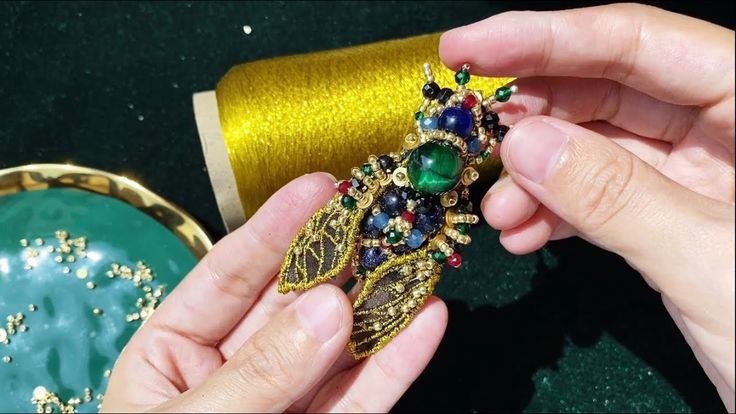
Jewelry often carries stories that go beyond its material value. Sagės, traditionally associated with decorative brooches, reflect a rich connection between craftsmanship, personal expression, and cultural identity. These elegant accessories can transform a simple outfit while preserving artistic traditions that have developed over generations.
Hand-crafted silver brooches are especially admired for their detailed designs and lasting beauty. Some feature nature-inspired patterns, while others display geometric shapes, historical symbols, or modern artistic forms. Each piece can represent the skill and imagination of its maker.
Today, brooches are enjoying renewed interest. They are no longer limited to formal clothing or traditional costumes. Instead, they appear on jackets, scarves, dresses, handbags, and even hats. This growing versatility has helped traditional silver accessories find a place in contemporary fashion.
What Are Sagės?
The word sagės is commonly connected with brooches or decorative pins, particularly within Lithuanian language and cultural contexts. A brooch is designed to fasten clothing while also serving as an ornament. Over time, its practical purpose became closely connected with artistic expression.
Traditional brooches were often made from metals such as silver, bronze, or gold. Their designs could communicate social status, regional identity, family heritage, or personal taste. In many communities, decorative jewelry also appeared during celebrations, ceremonies, and important life events.
Modern pieces continue this tradition in new ways. Some artists follow historical methods, while others experiment with minimalist forms. As a result, contemporary designs can appeal to collectors, fashion enthusiasts, and people who value handmade accessories.
The History Behind Sagės and Decorative Brooches
Brooches have existed for centuries and were originally created as functional clothing fasteners. Before buttons became widely available, people used pins and metal clasps to secure garments. However, these practical objects gradually developed into decorative works of art.
In different European cultures, brooches became symbols of craftsmanship and identity. Their appearance often changed according to local materials, artistic trends, and social customs. Silver became particularly popular because it was durable, attractive, and suitable for detailed metalwork.
Traditional sagės could include engraved patterns, twisted wire, raised decorations, or carefully shaped edges. Many designs drew inspiration from the natural world. Flowers, leaves, birds, and sun-like forms appeared in jewelry because they carried visual and symbolic meaning.
Over time, brooches became family treasures. A carefully made piece could be passed from one generation to another. This connection between jewelry and memory remains one reason handcrafted brooches continue to hold emotional value.
Sagės and the Art of Hand-Crafted Silver
Creating a silver brooch requires patience, technical knowledge, and artistic vision. Unlike mass-produced accessories, handmade pieces often involve several detailed stages. The artist may begin with a sketch before selecting the appropriate silver and shaping the main structure.
The metal can be cut, heated, hammered, engraved, or polished. Some designs include delicate textures created by hand. Others use stones, enamel, or contrasting materials to add color and depth.
The handmade process gives each brooch its own character. Small variations may appear because the work is completed individually rather than produced by a machine. These details can make a piece feel more personal and distinctive.
Craftsmanship also influences durability. A well-made silver brooch can remain attractive for many years when it receives proper care. For this reason, handmade jewelry is often viewed as both a fashion accessory and a long-term keepsake.
Traditional Techniques Used in Silver Brooches
Several metalworking methods may be used to create detailed brooches. Common techniques include:
- Engraving: Fine lines or patterns are carved into the silver.
- Hammering: The surface is shaped to create texture and movement.
- Filigree: Thin metal wires are twisted and arranged into delicate designs.
- Repoussé: Patterns are formed by shaping the metal from the reverse side.
- Oxidation: Selected areas are darkened to highlight decorative details.
These methods require precision. Even a small design may take many hours to complete. The final result often reflects both traditional knowledge and the artist’s individual style.
Why Sagės Remain Popular Today
Modern fashion changes quickly, but certain accessories maintain their appeal because they offer versatility and meaning. Sagės continue to attract attention because they combine history with personal style.
A silver brooch can add character to clothing without changing the entire outfit. It may serve as a subtle detail or become the main visual feature. This flexibility makes brooches suitable for many occasions.
People are also showing greater interest in handmade products. Many buyers want to know who created an item and how it was made. Handcrafted jewelry offers a connection to the creative process that mass-produced accessories may not provide.
In addition, silver has a timeless appearance. Its neutral tone works with many colors and fabrics. A simple silver design can look refined with formal clothing, while a bold piece can add personality to casual wear.
How to Style Sagės with Modern Outfits
Brooches can be worn in many creative ways. Although they are traditionally placed near the shoulder or collar, modern styling allows greater freedom.
A small silver piece can be attached to the lapel of a blazer. This creates a polished look without requiring additional jewelry. A larger design may be placed on a plain dress to create a strong focal point.
Scarves also provide an excellent place for decorative pins. A brooch can secure the fabric while adding visual interest. This combination connects the accessory’s original practical purpose with its modern decorative role.
For a more unusual style, a brooch can be attached to a handbag, beret, or fabric belt. Several smaller pieces may also be grouped together to create a layered appearance.
When choosing a design, consider the clothing’s color and texture. Detailed silver patterns often stand out against dark fabrics. Minimalist designs may work well with bright or patterned clothing.
Choosing High-Quality Sagės
When buying a handmade silver brooch, craftsmanship should be one of the main considerations. Examine the surface carefully. The design should appear balanced, and the edges should feel smooth rather than rough.
The fastening mechanism is also important. A secure pin helps prevent damage or loss. It should open and close easily while remaining strong enough to hold the accessory in place.
If the piece is described as silver, check for information about its metal quality. Sterling silver is commonly marked with “925,” indicating that it contains 92.5 percent silver. However, markings can vary depending on the maker and region.
Buyers may also want to learn about the artist. Knowing the creator’s background can provide useful insight into the design process and inspiration. Handmade work often becomes more meaningful when its story is understood.
Caring for Hand-Crafted Silver Brooches
Silver can naturally develop a darker surface over time. This process is called tarnishing. It does not necessarily mean the jewelry is damaged, but regular care can help maintain its original appearance.
Store the brooch in a dry place when it is not being worn. A soft pouch or lined jewelry box can reduce scratches. Keeping silver away from moisture may also slow tarnishing.
Avoid exposing the piece to perfumes, hairspray, cleaning chemicals, or chlorine. These substances may affect the metal’s surface. It is usually best to put on jewelry after applying cosmetics.
Use a soft polishing cloth for gentle cleaning. If the brooch contains stones, enamel, or intentionally darkened details, avoid harsh products. Strong cleaners may remove finishes or damage delicate materials.
The Cultural Value of Sagės
A handmade brooch can represent more than fashion. It may preserve local artistic traditions and connect people with cultural heritage. Traditional patterns can carry stories that remain meaningful even when they are adapted for modern designs.
Jewelry also creates a link between generations. A family brooch may remind someone of a parent, grandparent, or important celebration. These personal connections can make a small object emotionally valuable.
Contemporary artists help keep traditional craftsmanship active. By combining historical techniques with new ideas, they introduce older art forms to modern audiences. This approach supports creativity while respecting cultural roots.
The Future of Hand-Crafted Silver Brooches
Interest in sustainable and meaningful fashion may encourage more people to choose durable handmade accessories. Instead of purchasing items designed for short-term trends, buyers are increasingly considering quality and long-term value.
Handcrafted silver jewelry fits this shift. A carefully produced brooch can be worn repeatedly, repaired when necessary, and passed down through families. Its value may grow through the memories connected with it.
Digital platforms have also made it easier for independent artists to share their work with international audiences. As a result, traditional designs can reach new communities while maintaining their original character.
Future creations may combine ancient symbols with modern shapes, new materials, and innovative techniques. However, the central appeal will likely remain unchanged: the connection between skilled hands, meaningful design, and personal expression.
Conclusion
Sagės represent a beautiful meeting point between history, craftsmanship, and fashion. From traditional silver designs to modern artistic creations, these brooches continue to offer both decorative and cultural value.
Their appeal comes from more than their appearance. Each handmade piece may reflect careful work, creative vision, and a connection to heritage. Whether worn on a jacket, scarf, dress, or handbag, a silver brooch can make an outfit feel more personal.
As interest in handcrafted accessories continues to grow, these timeless pieces are likely to remain relevant. A carefully chosen brooch is not simply an ornament. It can be a work of art, a cultural symbol, and a lasting reminder of the beauty found in skilled craftsmanship.
-

 BLOG12 months ago
hanime1: The Ultimate Destination for Anime Lovers
-

 ENTERTAINMENT1 year ago
Sflix: How It’s Changing the Way We Watch Movies and TV Shows
-

 BILLS1 year ago
Why Does My Instagram Reel Stop Getting Views After One Hour? How to Fix It?
-

 BLOG1 year ago
Imginn: The Ultimate Tool to View Instagram Content Anonymously
-

 ENTERTAINMENT1 year ago
Crackstreams 2.0: The Future of Free Sports Streaming?
-

 BLOG11 months ago
ThisVid: What Makes It Stand Out in the World of Online Videos
-

 BLOG1 year ago
NHentai.nef: Understanding the Popular Hentai Archive
-

 Technology1 year ago
Simpcitt: The Rise of a Unique Online Community