
BLOG
How to Build a Strong Disability Claim


A disability can affect more than a person’s health. It may limit the ability to complete work duties, maintain a regular schedule, concentrate, communicate, lift objects, stand for long periods, or manage daily responsibilities. Disability insurance benefits may provide financial support when a medical condition prevents someone from working as expected. However, receiving benefits often depends on submitting a complete and well-supported claim. People handling disability insurance claims in Salt Lake City should understand that a diagnosis alone may not be enough to prove disability. Insurance providers often want detailed evidence showing how the medical condition affects the person’s specific occupation and ability to earn an income. Medical records, job information, treatment history, and clear communication can all help build a stronger claim.
Review the Disability Insurance Policy Carefully
The first step is to understand what the disability insurance policy covers. Every policy may contain its own definitions, deadlines, requirements, exclusions, and benefit limits. The meaning of “disabled” can vary depending on the policy language. Some policies may provide benefits when a person cannot perform the main duties of their current occupation. Others may require proof that the person cannot perform the duties of another suitable occupation. This difference can have a major effect on the type of evidence needed. The policy may also include waiting periods, filing deadlines, requirements for continued medical care, and rules about reporting income. Claimants should review the policy closely and keep a copy of all related documents. Understanding the policy’s terms helps prevent avoidable mistakes during the claim process.
Gather Complete Medical Evidence
Medical evidence is one of the most important parts of a disability claim. Records should clearly document the diagnosis, symptoms, treatment plan, test results, medications, physical restrictions, and expected recovery period. A medical file may include doctor’s notes, imaging results, laboratory reports, surgical records, therapy notes, hospital records, and specialist evaluations. However, the amount of paperwork is not the only thing that matters. The records should also explain how the condition limits the claimant’s ability to work. For example, stating that a patient has chronic pain may not fully describe the disability. The medical provider may need to explain whether the patient has difficulty sitting, standing, walking, lifting, concentrating, or completing repeated movements. Specific information can make the claim easier to understand. Consistent treatment is also important. Large gaps in medical care may raise questions about the seriousness of the condition, even when there is a reasonable explanation. Following the recommended treatment plan can support both the claimant’s health and the strength of the medical evidence.
Explain the Demands of the Job
A disability claim should connect the medical condition to the actual duties of the claimant’s job. A diagnosis that prevents one person from working may not have the same effect on someone in a different occupation. A detailed job description should include more than the employee’s official title. It should explain the physical, mental, and emotional demands of the position. Important details may include how often the employee must stand, lift, travel, type, speak with customers, supervise workers, solve problems, meet deadlines, or work long hours. Claimants should also identify the most important duties they can no longer complete safely or consistently. A person may still be able to perform a task once but may be unable to repeat it throughout a full workday or workweek. Reliability, attendance, speed, accuracy, and endurance can all be relevant. Clear job information helps show why the medical limitations interfere with meaningful work performance. This connection is often essential when preparing a strong occupational disability claim.
Ask Medical Providers to Be Specific
Doctors and other medical professionals may support a disability claim, but they must clearly explain the claimant’s functional limitations. A brief statement saying that a person is “unable to work” may not provide enough detail for an insurance reviewer. Medical providers may be asked to complete forms describing restrictions and limitations. Restrictions identify activities the patient should not perform because they may be unsafe. Limitations explain activities the patient cannot perform because of the condition. For example, a provider may state that the patient cannot lift more than a certain weight, sit for longer than a specific period, or maintain concentration without frequent breaks. The provider may also explain medication side effects, such as fatigue, dizziness, slowed thinking, or nausea. Claimants should give their providers accurate information about their job duties and symptoms. This allows the medical opinion to reflect the real demands of the occupation. Detailed support from treating professionals can strengthen the overall claim.
Keep a Record of Symptoms and Limitations
Symptoms can change from day to day, making them difficult to explain during a short medical appointment. Keeping a personal record may help the claimant describe how the condition affects daily life and work-related abilities. A symptom journal may include pain levels, fatigue, headaches, sleep problems, difficulty concentrating, emotional symptoms, medication side effects, and activities that increase discomfort. It may also record missed appointments, unsuccessful attempts to complete tasks, and the amount of rest needed during the day. The information should remain honest and consistent. Exaggerated statements may damage credibility, while vague descriptions may not fully communicate the severity of the problem. Specific examples are often more useful than general claims. A daily record does not replace medical documentation, but it may help the claimant and medical providers identify patterns. Accurate tracking can support a clearer explanation of ongoing functional limitations.
Submit Complete and Consistent Information
Insurance companies may compare information from different parts of the claim. Medical records, application forms, job descriptions, interviews, and personal statements should tell a consistent story. Claimants should answer every question carefully and avoid guessing. Dates, treatment details, work history, and reported limitations should be checked for accuracy before documents are submitted. Blank sections or incomplete answers may delay the review process. Copies of all forms, letters, emails, medical records, and supporting documents should be kept in an organized file. It is also helpful to record when materials were sent, how they were delivered, and who received them. People working through disability insurance claims may face repeated requests for information. Organized records can make it easier to respond promptly and show what has already been provided. Complete documentation supports a smoother and more reliable claim process.
Meet Every Deadline
Disability claims often involve strict deadlines. A policy may set a specific period for reporting the disability, submitting proof of loss, responding to requests, filing an appeal, or providing updated medical information. Missing a deadline may create serious problems. Claimants should open and review every letter as soon as it arrives. Important dates should be placed on a calendar, and responses should be prepared early whenever possible. When additional time is needed, the claimant should communicate promptly and keep a written record of the request. Relying only on phone conversations can make it difficult to prove what was discussed later. Managing deadlines carefully can protect the claim from unnecessary delays or procedural problems. Timely communication shows that the claimant is actively cooperating with the review.
Continue Medical Treatment During the Claim
A disability insurance claim may remain open for months or longer. Insurance providers may continue requesting medical updates to determine whether the claimant still meets the policy’s definition of disability. Regular appointments allow providers to document changes in symptoms, treatment, test results, and functional ability. Claimants should discuss new problems, unsuccessful treatments, medication side effects, and changes in daily activities. Stopping treatment without a documented reason may lead the insurer to question whether the condition remains disabling. There may be valid reasons for changing or pausing treatment, including cost, side effects, limited access, or a provider’s recommendation. These circumstances should be explained in the medical record. Ongoing care creates a clearer timeline of the condition and demonstrates whether the claimant is improving, remaining stable, or becoming more limited.
Respond Carefully to Requests From the Insurer
During a claim review, the insurance company may request interviews, medical examinations, updated forms, financial records, or additional information from treating providers. Each request should be read carefully before a response is given. Claimants should avoid providing rushed or incomplete answers. They should also understand what documents they are authorizing the insurer to obtain. Keeping notes about phone calls, including the date, time, representative’s name, and topics discussed, can help maintain an accurate record. Statements made during the claim process may be compared with medical records and other evidence. Honest, clear, and consistent communication reduces confusion and supports credibility.
Consider Professional Guidance
Disability claims can become complicated, especially when benefits are delayed, limited, or denied. A legal professional familiar with long-term disability claims may help review the policy, evaluate the evidence, identify missing information, and explain available options. Professional guidance may be particularly helpful before submitting an appeal because appeal deadlines can be strict and additional evidence may need to be included. The specific steps will depend on the policy, the insurer’s decision, and the facts of the claim. Residents should choose support based on their individual situation rather than relying only on general advice. Careful guidance can help claimants understand their responsibilities and make informed decisions throughout the process.
Build the Claim With Clear and Reliable Evidence
A strong disability claim is built through preparation, accuracy, and consistent documentation. Claimants should understand their policy, collect detailed medical records, explain their job duties, follow treatment recommendations, and meet every deadline. The most effective evidence clearly connects the medical condition to the person’s inability to perform important work duties. Organized records and specific examples can make the claim easier to evaluate and reduce unnecessary questions. Every disability situation is different, so the appropriate evidence may vary. A careful and honest approach can help present the claimant’s condition, limitations, and work challenges as clearly as possible.

Every day, you share information online without giving it much thought but behind each interaction sits a steady flow of data that companies use to understand their customers and improve their services.
At the same time, people have become more aware of how businesses collect, store, and use personal information. News stories about data breaches and privacy concerns have made consumers more cautious about who they trust with their details. As expectations continue to rise, ethical data collection needs to become a practical business priority rather than a box-ticking exercise.
Why transparency is crucial
People want to know what happens to their information after they share it. If your company hides important details in lengthy privacy policies or uses vague language, customers may feel uncomfortable and look elsewhere.
When you explain what data you collect, why you need it, and how long you keep it, you make it easier for people to make informed decisions. For example, an online retailer that clearly states it collects email addresses for order updates and promotional offers gives customers a better understanding of how their information will be used.
You should also make privacy settings easy to find and understand. When customers can quickly adjust their preferences, they feel more in control of their data, which often leads to a stronger relationship with your brand.
How to build consumer trust
One effective approach involves asking only for information that directly supports the service you provide. By limiting your requests, you reduce unnecessary risk while showing respect for your customers’ privacy.
This approach also aligns with guidance from the Federal Trade Commission (FTC), which encourages organizations to be transparent about the data they collect and thoughtful about how they use it.
The rise of Tor Browsers
Growing privacy concerns have encouraged more people to explore tools that help them control their digital footprint. One example is the Tor Browser, which routes internet traffic through multiple servers to make online activity more difficult to track.
Consumers increasingly expect businesses to respect their choices and protect their information. When organizations understand these expectations and respond appropriately, they can maintain stronger customer relationships even as privacy standards continue to evolve.
Choosing quality over quantity
Many organizations collect far more information than they actually use. A better strategy focuses on collecting data with a clear purpose. Before gathering information, ask how it will benefit both your business and the customer.
Reviewing existing data practices regularly can help you identify information that no longer serves a meaningful purpose.
Preparing for the future
Data privacy regulations continue to develop, and consumer expectations show no signs of slowing down. Businesses that prioritize ethical data collection today place themselves in a stronger position for future changes.
Ethical data collection also means protecting the information you gather. Guidance from the National Institute of Standards and Technology (NIST) highlights the importance of privacy and cybersecurity practices that help organizations manage data responsibly.

Buying a trailer is easier when you start with the work it needs to do, rather than the price tag, paint color, or a deal that looks attractive on the lot. Before comparing sizes and options, Learn More about the trailer styles available and create a realistic picture of what you plan to haul. The best trailer is one that carries your actual load safely, stays within your tow vehicle’s limits, fits where you store it, and makes loading manageable. A careful fit check can prevent overloaded trips, poor handling, equipment damage, and an expensive upgrade later.
Start With the Load
List what you haul now, then add the heaviest or bulkiest items you may need to carry in the next few years. Common loads include lawn mowers, furniture, building materials, motorcycles, ATVs, vehicles, compact equipment, brush, mulch, and gravel. A homeowner moving yard waste a few times each year may need a very different setup than a landscaping crew hauling mowers, trimmers, fuel, and supplies every day.
Match the Trailer Type to the Task
- Utility trailers work well for furniture, yard debris, tools, and light equipment when open-side access is useful.
- Enclosed cargo trailers suit tools, inventory, motorcycles, and items that need weather protection or privacy.
- Car haulers are designed for vehicles and should provide adequate deck width, ramp angle, and tie-down locations.
- Equipment trailers support tractors, skid steers, and heavier machinery, provided the axles and deck are rated for the loaded weight.
- Dump trailers simplify unloading loose materials such as soil, mulch, brush, and demolition debris.
- Recreational trailers help carry ATVs, UTVs, and motorcycles with a layout that makes loading and wheel securement straightforward.
Measure Cargo and Storage Space
Measure the load at its widest, longest, and tallest points. Include mirrors, buckets, mower decks, attachments, toolboxes, ramps, and anything else that changes the footprint. Leave enough room to position cargo correctly, rather than buying a trailer that fits by only a few inches. Wide equipment may need a deck-over design, while a vehicle may need clearance around fenders and doors. For enclosed models, check interior height, rear door opening dimensions, ramp clearance, and the space needed to walk around the load. Also, measure your garage, gate, driveway, parking area, and storage pad before purchase. A trailer that cannot enter your property or fit the intended storage space quickly becomes inconvenient.
Check Weight Ratings Before Shopping
Space is not a carrying capacity. GVWR is the maximum permitted weight of the loaded trailer. Payload is the weight available for cargo after subtracting the trailer’s empty weight from its GVWR. Axle ratings describe how much the axle system can support, while tongue weight is the downward force the loaded trailer places on the hitch. For example, a trailer with a 7,000-pound GVWR and a 2,000-pound empty weight has about 5,000 pounds of available payload. If your machine weighs 4,600 pounds, ramps, attachments, chains, fuel, and other gear can quickly use up the remaining margin. Weigh uncertain equipment rather than relying on estimates.
Compare the Trailer With the Tow Vehicle
A capable-looking truck is not automatically rated for every trailer. Find the vehicle’s towing capacity in its owner’s manual, then check the payload figure on the driver-side certification label. Confirm the hitch class, hitch tongue-weight rating, axle ratings, tire ratings, and any brake requirements. Tow ratings can change by engine, cab configuration, drivetrain, axle ratio, trim, tires, and factory equipment. Remember that tongue weight counts against vehicle payload. Passengers, tools, cargo in the bed or cargo area, and aftermarket accessories also reduce the capacity remaining for the trailer’s hitch load. Compare the fully loaded combination with every relevant limit, not only the advertised maximum tow rating.
Choose Between Open and Enclosed Designs
Open Trailers
Open trailers offer quick loading, easy side access, and simpler cleanup. They are often practical for bulky yard equipment, building supplies, brush, and loads that do not require weather protection. They also demand careful use of tarps, straps, nets, and debris containment.
Enclosed Trailers
Enclosed trailers protect cargo from rain, road spray, and sun while providing privacy and storage. An electrician may value shelving and lockable tool storage, while a homeowner hauling brush may prefer the convenience of an open bed. Keep in mind that enclosed designs can increase wind resistance but reduce usable interior space due to walls, cabinets, and fixtures.
Plan Loading and Securement
Load heavy items low and near the axle area, then center them from side to side. Too much weight at the rear can contribute to sway, while excessive weight at the front can overload the hitch and rear axle of the tow vehicle. Use appropriate ratchet straps, chains, wheel chocks, blocking, and edge protection for the cargo involved. Every driver should follow the basic steps for securing a load properly, including checking straps, covering loose materials, and inspecting cargo again shortly after beginning a trip. Stop periodically on longer drives, especially after rough roads, sharp turns, or heavy braking.
Review the Hitch, Brakes, Tires, and Lights
Match the coupler to the correct ball size, and ensure the ball mount, hitch, wiring plug, and safety chains are properly rated. Check that trailer brakes and the breakaway system work as intended. Inspect tire age, tread, sidewalls, load range, and cold inflation pressure. Before leaving, test brake lights, turn signals, running lights, and marker lights.
Use a Simple Pre-Purchase Checklist
- What is the largest and heaviest load you expect to haul?
- What are its loaded dimensions, including attachments?
- Does the trailer’s payload exceed the real cargo weight?
- Does the tow vehicle meet towing, payload, hitch, and brake requirements?
- Will the trailer fit your storage area?
- Do you need ramps, brakes, tie-down points, a spare tire, a tarp, or a toolbox?
- Will the trailer be used for work, storage, recreation, or occasional projects?
Commercial operators should also understand how cargo securement rules apply to interstate hauling, particularly when loads require blocking, bracing, rated tiedowns, or specialized restraint methods.
Final Thoughts
The right trailer is not necessarily the largest or least expensive option. It is the one that fits the actual load, stays within the tow vehicle’s limits, supports safe, balanced loading, and suits how you plan to use and store it. Consider cargo weight, trailer capacity, hitch requirements, braking systems, dimensions, and expected towing conditions before buying. Taking time to compare these factors, along with maintenance and storage needs, can help prevent unnecessary costs and towing problems. A properly matched trailer can provide better stability, easier handling, and greater confidence on the road, making every trip safer, more practical, and more efficient.

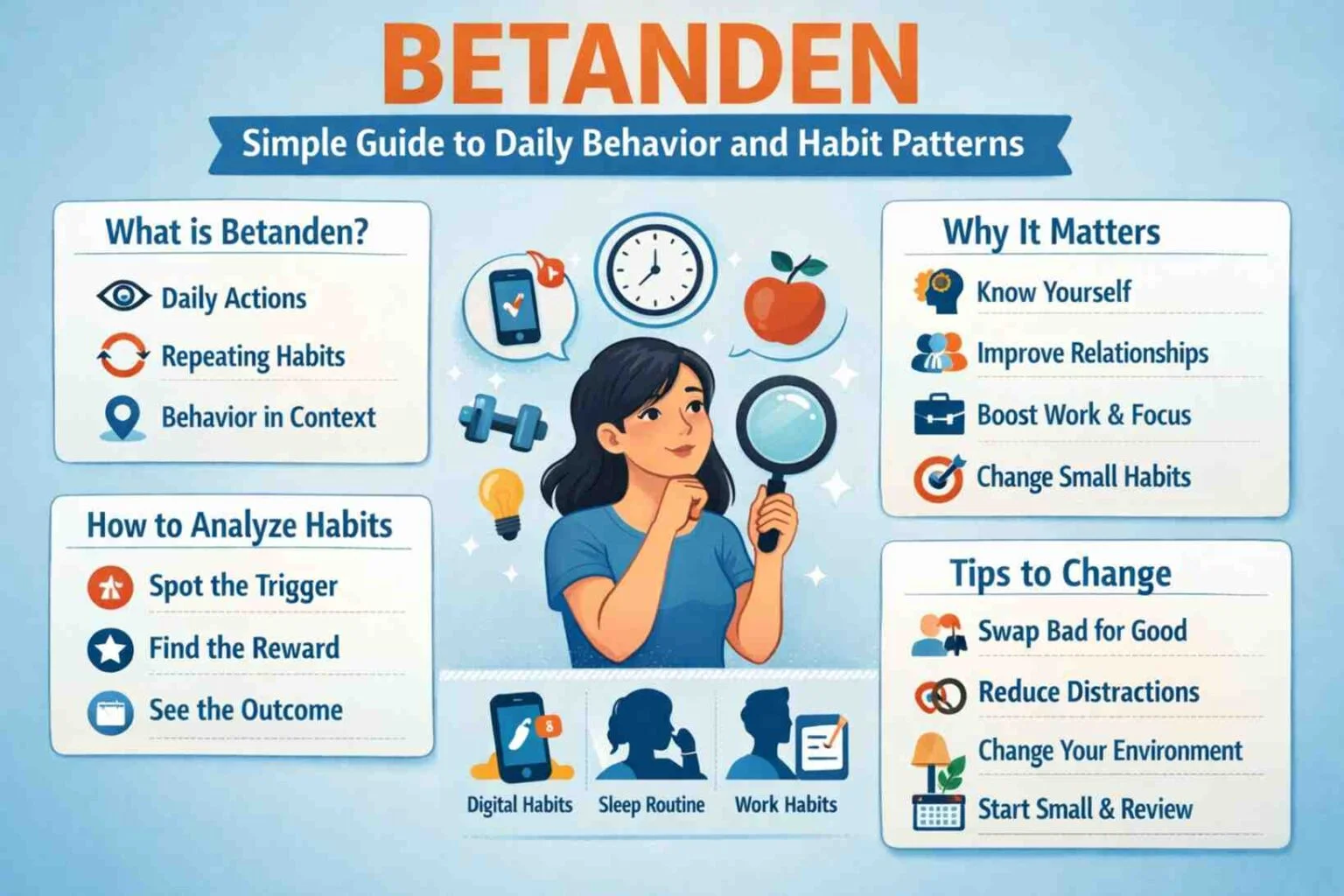
Commuting is one of the most predictable parts of everyday life. People often leave home at similar times, follow familiar routes, and return using patterns shaped by work, school, traffic, and personal habits. Betanden represents an interesting way to think about how these repeated journeys can be tracked, organized, and understood through modern data.
The idea becomes increasingly relevant as cities grow and transportation networks become more complicated. Understanding when and where people travel can help reveal congestion patterns, improve route planning, and make daily transportation more efficient.
However, predictable commuting is not simply about knowing where someone goes. It involves recognizing patterns across time, location, transportation choices, and changing circumstances.
What Is Betanden?
The term Betanden can be viewed as a concept connected with understanding predictable travel behavior. Rather than treating every journey as an isolated event, this approach focuses on recurring movement patterns.
For example, someone may leave home around 7:30 a.m., take the same road, stop for coffee, and arrive at work shortly before 9 a.m. Over several weeks, those actions create a recognizable commuting pattern.
Data-driven transportation systems can analyze similar patterns at a larger scale. Instead of focusing on one person’s routine, they can identify broader trends involving thousands of commuters.
This perspective can help researchers and transportation planners understand how people move through cities during different periods of the day.
How Betanden Helps Track Predictable Commutes
Predictability is valuable because repeated behavior creates useful data. When commuters consistently follow similar schedules, transportation systems can identify recurring trends.
A Betanden-style approach to commuting analysis may consider several factors:
- Departure and arrival times
- Frequently used routes
- Transportation methods
- Average journey duration
- Traffic conditions
- Weather-related changes
- Weekday and weekend differences
- Seasonal travel patterns
Combining these elements can create a clearer picture of everyday mobility.
For instance, a city might discover that a particular highway becomes heavily congested between 7:45 and 8:30 a.m. If similar patterns appear repeatedly, planners can investigate potential solutions such as adjusted traffic signals, additional public transportation, or alternative routes.
Betanden and Everyday Travel Patterns
Most commuters develop routines without consciously planning them. Familiar roads feel easier, regular departure times reduce stress, and established transportation choices become habits.
These routines make commuting behavior surprisingly consistent.
A person might normally drive to work but choose public transportation when parking prices increase. Another commuter may change routes after discovering that a particular intersection regularly causes delays.
Therefore, predictable commuting does not mean completely fixed behavior. Instead, it describes patterns that remain relatively stable while allowing room for change.
This distinction is important when analyzing transportation data. A useful system must recognize both consistency and variation.
Why Predictable Commutes Matter
Understanding commuting patterns has practical benefits for individuals, businesses, and cities.
For transportation planners, predictable movement can help identify areas where infrastructure needs improvement. Repeated congestion may indicate that a road, bridge, or intersection cannot handle current demand.
Public transportation operators can also use travel patterns when considering schedules. If large numbers of commuters travel at similar times, additional services may be required during peak periods.
Businesses can benefit as well. Employers may use commuting insights to consider flexible working hours, hybrid schedules, or alternative office arrangements.
For commuters themselves, better understanding of travel patterns can support smarter decisions about departure times and route selection.
Betanden and Traffic Prediction
Traffic prediction is one of the most obvious applications of recurring commuting data.
Traffic conditions are affected by many variables, including accidents, construction, weather, road capacity, and special events. Yet normal weekday traffic often follows recognizable patterns.
Historical information can therefore provide a useful baseline.
If a road normally experiences heavy traffic at 8 a.m., transportation systems can anticipate increased demand before it occurs. Real-time information can then be combined with historical patterns to produce more responsive predictions.
A Betanden approach can be useful here because it emphasizes repeated behavior rather than viewing each trip independently.
The result can be a more complete understanding of how ordinary commuting patterns interact with unexpected disruptions.
Technology Behind Modern Commute Tracking
Modern transportation analysis depends on several technologies working together.
GPS systems can provide location information, while smartphones and connected vehicles can generate movement data. Navigation platforms can process road conditions and estimated travel times.
Public transportation networks may also collect information through ticketing systems, vehicle tracking, and passenger counts.
Machine learning can then identify relationships within large datasets. Instead of manually examining millions of journeys, algorithms can detect recurring patterns and unusual changes.
These technologies make it possible to move beyond simple maps. Transportation data can become a dynamic representation of how people move through an urban environment.
Privacy Concerns Around Betanden
Tracking commuting patterns also raises important privacy questions.
Travel data can reveal sensitive information about people’s routines. A repeated journey may indirectly indicate where someone lives, where they work, or when they are usually away from home.
For this reason, responsible transportation systems should prioritize privacy and data protection.
An effective approach should collect only necessary information and use appropriate safeguards. Whenever possible, data should be anonymized or aggregated so individual commuters cannot easily be identified.
Transparency also matters. People should understand what information is collected, why it is needed, and how it may be used.
Technology can improve transportation without requiring unnecessary surveillance.
Betanden in the Future of Transportation
The future of commuting is likely to become increasingly data-driven.
Connected vehicles, smart infrastructure, electric transportation, and advanced navigation systems are creating more opportunities to understand mobility patterns.
Predictive systems could eventually help commuters make decisions before congestion develops. They might recommend different departure times, suggest less crowded transportation options, or identify routes likely to remain efficient.
Cities could also use aggregated data to plan infrastructure more effectively.
However, technological progress should be balanced with human needs. Convenience and efficiency are valuable, but privacy, accessibility, and fairness should remain central considerations.
How Commuters Can Use Predictable Patterns
Individuals can also benefit from understanding their own commuting behavior.
Keeping track of travel times for several weeks can reveal useful patterns. A commuter may discover that leaving fifteen minutes earlier consistently reduces journey time.
Other useful observations include:
- Identifying the most reliable route.
- Comparing driving with public transportation.
- Tracking delays at different times.
- Noting seasonal traffic changes.
- Preparing alternatives for unusual disruptions.
Small adjustments can sometimes produce meaningful improvements in daily travel.
The Bigger Picture
Betanden provides a useful framework for thinking about predictable commuting and the information created by repeated travel behavior.
The central idea is straightforward: when people follow recurring routines, those routines create patterns that can be studied.
Those patterns can help explain congestion, improve transportation planning, support better predictions, and make daily journeys more efficient.
At the same time, responsible data management remains essential. Commuting information can be valuable, but it should never come at the expense of reasonable privacy expectations.
As transportation becomes more connected, understanding predictable movement will become increasingly important. The challenge will be finding the right balance between smarter mobility, technological innovation, and respect for the people whose journeys create the data in the first place.
-

 BLOG1 year ago
hanime1: The Ultimate Destination for Anime Lovers
-

 Technology1 year ago
GLAADVoice.com: How You Can Get Involved and Make a Difference
-

 BILLS1 year ago
Why Does My Instagram Reel Stop Getting Views After One Hour? How to Fix It?
-

 ENTERTAINMENT1 year ago
Sflix: How It’s Changing the Way We Watch Movies and TV Shows
-

 BLOG1 year ago
NHentai.nef: Understanding the Popular Hentai Archive
-

 BLOG1 year ago
Imginn: The Ultimate Tool to View Instagram Content Anonymously
-

 ENTERTAINMENT1 year ago
Crackstreams 2.0: The Future of Free Sports Streaming?
-

 BLOG1 year ago
ThisVid: What Makes It Stand Out in the World of Online Videos