
BLOG
How Long Do Roof Tiles Last? What Homeowners Should Know


A high-quality, professionally installed tile roof can last 50 to 100 years, and often much longer, making it one of the most permanent and durable roofing solutions a homeowner can choose. This incredible longevity is one of the primary reasons homeowners are willing to invest in a tile system. It offers the promise of a “lifetime” roof that can withstand the elements for generations, adds Aramis Realty team.
However, that remarkable lifespan isn’t an automatic guarantee. The ultimate durability of your roof depends on a combination of critical factors, including the specific type of tile you choose, the quality of the all-important underlayment system, and, most importantly, the skill and precision of the installation crew.
For homeowners in North Texas, where roofs are constantly challenged by intense sun, severe thunderstorms, and hail, understanding these factors is key. This guide will break down the lifespan you can realistically expect from different types of roof tiles and detail the essential elements that ensure your roof reaches its maximum potential.
The Lifespan of Different Types of Roof Tiles
While “tile” is often used as a general term, the two primary materials used have slightly different properties and lifespan expectations.
Clay Tiles: 100+ Years
Clay is the traditional, time-tested material for tile roofing. For centuries, it has proven its ability to endure in some of the world’s harshest climates.
- How They’re Made: High-quality clay tiles are created by firing molded clay in a kiln at extremely high temperatures. This process creates a very dense, hard material that is incredibly resistant to the elements.
- Why They Last: The color of a clay tile is baked directly into the material, making it permanent and immune to the fading that can affect other roofing materials under the relentless Texas sun. Clay is naturally resistant to rot, insects, and fire, and it does not degrade from UV exposure. With proper installation, it is not an exaggeration to say that a clay tile roof can last for well over a century.
Concrete Tiles: 50-75+ Years
Concrete tiles are a modern, highly engineered alternative to clay and have become extremely popular for their strength and versatility.
- How They’re Made: Concrete tiles are manufactured from a mixture of sand, cement, water, and iron oxide pigments for color. This mixture is extruded at high pressure into molds and then cured, creating an incredibly strong and durable product.
- Why They Last: Concrete is an inherently long-lasting material. The manufacturing process allows for a wide variety of profiles, from traditional curves to shapes that perfectly mimic the look of natural slate or wood shake. Concrete tiles are renowned for their exceptional strength and are often available with the highest Class 4 impact resistance rating, making them a smart and practical choice for the hail-prone Dallas-Fort Worth area.
Key Factors That Influence the Lifespan of a Tile Roof
The impressive 50 to 100-year lifespan of the tiles themselves is only one part of the equation. The longevity of the entire roofing system depends on several other critical factors.
1. The Quality of Installation (The Most Important Factor)
This cannot be overstated: the single most important factor in determining the lifespan of your tile roof is the quality of the installation. A tile roof is a complex, multi-layered system, and a crew that lacks specialized experience can make critical errors that lead to premature failure. A professional tile installation focuses on:
- The Underlayment System: This is the primary waterproofing barrier. A cheap, standard felt underlayment will disintegrate decades before the tiles wear out.
- The Batten System: Wood or metal battens are often installed to provide an anchor point for the tiles and to create the crucial air gap for energy efficiency. These must be installed correctly to ensure proper water drainage.
- Meticulous Flashing: All flashing around chimneys, skylights, vents, and in valleys must be expertly installed using high-quality, corrosion-resistant metals to prevent leaks at these vulnerable points.
2. The Underlayment System
Think of your roof tiles as a durable, protective shell or armor. Their job is to protect what’s underneath from the sun, hail, and wind. The underlayment is the waterproof membrane beneath the tiles that truly keeps the water out of your house. Because the underlayment is not exposed to UV rays, it can last for a very long time, but you must match its quality to the quality of the tiles. A professional contractor will recommend a high-performance synthetic underlayment or a multi-layer system designed to last 50 years or more, ensuring your waterproofing layer lasts as long as the tiles protecting it.
3. Climate and Environmental Conditions
Tile is exceptionally well-suited for the Texas climate.
- Intense Sun and UV Rays: Unlike asphalt shingles, which become brittle and degrade over time from UV exposure, clay and concrete tiles are virtually immune to the sun’s effects.
- Hail and Wind: As mentioned, tile offers superior resistance to both hail and wind when installed correctly. However, a massive hailstorm can still crack a tile.
- Maintenance and Inspections: While tile roofs are considered low-maintenance, they are not no-maintenance. It is wise to have a professional inspection every few years or after a major hailstorm. A professional knows how to properly walk on roof tiles without causing damage and can spot and replace any isolated cracked tiles, preventing a small issue from turning into a major leak.
How Tile Lifespan Compares to Other Roofing Materials
To truly appreciate the longevity of tile, it helps to compare it to other common roofing materials used in Texas.
- Asphalt Shingles: 20-25 years. This is the most common roofing material but has the shortest lifespan. It is susceptible to hail damage, wind uplift, and UV degradation.
- Wood Shake/Shingles: 25-30 years. While beautiful, wood requires significant maintenance. It is prone to rot, curling, insect damage, and is a significant fire risk.
- Metal Roofing: 40-70 years. An excellent and durable option, though some profiles can be dented by large hail, and repairs can be more complex than with other systems.
- Tile Roofing: 50-100+ years. Tile stands in a class of its own for sheer longevity and durability.
The Long-Term Value of a Tile Roof
While the upfront cost of a tile roof is higher than that of an asphalt shingle roof, its long-term value proposition is unmatched. You would likely need to pay for two, three, or even four asphalt roof replacements during the lifespan of a single tile roof installation. When you factor in the reduced maintenance costs, the significant energy savings on your cooling bills, and the potential discounts on your homeowner’s insurance, the lifetime cost of a tile roof is often far lower. A partner like Pickle Roofing Solutions can provide a detailed analysis of this long-term value, helping you make a confident investment in your home’s future.
FAQs About Roof Tile Longevity
Will the color of my roof tiles fade over time? High-quality clay tiles are “color-through,” meaning the color is consistent throughout the material and is permanent. The pigments in modern concrete tiles are integrated into the mixture and are extremely fade-resistant, ensuring a rich, vibrant look for decades.
What happens if a single tile on my roof cracks? This is a major advantage of a tile system. A professional roofer can typically remove and replace a single cracked or broken tile without having to disturb a large area of the roof, making most repairs relatively simple and cost-effective.
Is the underlayment really that important to the roof’s lifespan? It is absolutely critical. Think of it as the gasket that keeps a watch waterproof. The tiles are the hard, protective casing, but the underlayment is what provides the essential waterproof barrier for your home. If the underlayment fails, the roofing system fails, no matter how good the tiles are.
Does the manufacturer’s warranty on the tiles cover everything? No. The manufacturer’s warranty covers defects in the tile product itself, which are very rare. You also need a separate workmanship warranty from your contractor. This warranty covers any issues that arise from the installation process and is a crucial part of your overall protection.
About Pickle Roofing Solutions
At Pickle Roofing Solutions, our reputation is built on understanding that a tile roof’s incredible longevity is only unlocked through expert installation. Our crews are not just roofers; they are craftspeople with specialized training in the complexities of tile roofing systems. We focus on every critical detail, from the high-performance underlayment to the precise placement of each tile, to ensure the roof we build for you is the last one you’ll ever need. For a consultation with a true tile roofing specialist, contact our team today.
Business Name: Pickle Roofing Solutions
Address: 1333 W McDermott Dr # 200, Allen, TX 75013
Phone number: (972) 954-7186

Back and neck discomfort can make everyday routines feel harder, including a morning commute, desk work, errands, yard work, and exercise. For many Davie residents, small, consistent adjustments can reduce avoidable strain and make it easier to stay comfortable and active. When pain continues, worsens, or interferes with daily life, speaking with a chiropractor Davie or another qualified healthcare professional may help determine the right next step.
There is no single posture, stretch, pillow, or exercise that works for every person. Back and neck pain can involve muscle strain, irritated joints, nerve-related symptoms, injuries, or medical conditions. Still, a routine built around frequent movement, thoughtful body mechanics, gradual exercise, and adequate recovery can support a healthier relationship with everyday activity.
Why Daily Habits Matter
The body responds to what it does repeatedly. Hours spent sitting still, leaning toward a screen, carrying an uneven bag, or sleeping in an uncomfortable position can leave muscles and joints feeling stiff or overworked. A single stretch may feel good, but it cannot fully counter a day with very little movement. The more useful goal is to build several brief, realistic habits into the day.
That approach is especially practical for people balancing work, school, family responsibilities, and recreation around Davie. It is not about chasing perfect posture. It is about noticing when a position feels strained, making a change before discomfort builds, and giving the body regular opportunities to move.
Common Causes Of Back And Neck Strain
Everyday pain is often connected to a combination of routines rather than to a single isolated activity. Common contributors include:
- Sitting in one position for long periods.
- Looking down at a phone, tablet, or laptop.
- Using a desk setup that encourages reaching or leaning forward.
- Carrying groceries, sports gear, or a heavy bag on one shoulder.
- Lifting and twisting at the same time.
- Returning to demanding exercise too quickly after time off or injury.
- Waking with stiffness after an uncomfortable sleep position.
- Skipping general movement and strength work for long stretches.
Build A Better Desk And Screen Setup
Good posture does not mean holding yourself rigidly in one “correct” position all day. A supportive workstation should make it easier to sit comfortably and change positions often. Practical posture and body-mechanics habits include keeping work close to the body and avoiding prolonged slouching or awkward reaching.
Workstation Checklist
- Set the upper part of the screen near eye level.
- Place the screen close enough that you do not need to lean forward.
- Keep shoulders relaxed rather than raised toward the ears.
- Support both feet on the floor or a footrest.
- Keep the keyboard and mouse within easy reach.
- Use lower-back support if it improves comfort.
- Stand, walk, or reposition regularly.
Use Movement Breaks To Reset The Body
Movement breaks do not need to become full workouts. During computer work, studying, long drives, or television time, stand when stiffness begins to build. Walk briefly, roll the shoulders slowly, take a few relaxed breaths, and gently move the neck through a comfortable range of motion. Then return to the task in a different position.
Keep movements controlled and avoid forcing a stretch. Stop and seek professional guidance if movement causes sharp pain, symptoms spreading into an arm or leg, new numbness, or weakness.
Choose Safe, Simple Exercise
Regular physical activity can help support mobility, strength, balance, and confidence with daily movement. The best starting point depends on current symptoms, health history, fitness level, and prior injuries. Walking, gentle water exercise, mobility work, and basic strength exercises can all be reasonable options when performed with controlled form.
Exercise Rules For A Safer Start
- Start with a short, manageable session.
- Warm up before a more demanding activity.
- Increase distance, time, weight, or intensity gradually.
- Do not push through sharp, severe, or worsening pain.
- Allow recovery time after demanding sessions.
Lift, Carry, And Drive With Care
Daily tasks such as moving boxes, loading sports equipment, gardening, or lifting laundry baskets can challenge the back when a load is awkward. Reliable back-care practices for lifting and daily activity emphasize staying close to the object, bending through the hips and knees, and avoiding twisting while carrying weight.
Safer Lifting Steps
- Move close to the object and place the feet apart for balance.
- Bend through the hips and knees rather than rounding the back.
- Keep the item close to the body as you lift.
- Turn with the feet instead of twisting through the spine.
- Ask for help if the object is too heavy, bulky, or unstable.
For driving, adjust the seat so the back is supported, and the knees remain slightly bent. A small cushion or rolled towel may improve comfort for some people. On longer trips, brief walking breaks can reduce the feeling of being locked into one position.
Support Sleep And Recovery
Sleep affects energy, recovery, stress, and pain sensitivity. There is no universal best mattress or sleep position, but a pillow that keeps the neck comfortable can help. Side sleepers may find a pillow between the knees useful, while some back sleepers prefer support beneath the knees. If a position consistently causes morning pain or stiffness, experiment with a small change rather than assuming discomfort is unavoidable.
Know When Pain Needs Medical Attention
Mild soreness after an unfamiliar activity may settle with time and sensible movement. However, prompt medical care is important when back or neck pain occurs with new weakness, numbness, loss of bowel or bladder control, difficulty walking, balance problems, fever, unexplained weight loss, or severe pain after a fall, crash, or other trauma. Pain that travels into an arm or leg, or symptoms that steadily worsen rather than improve, also deserve professional evaluation.
Create A Simple Daily Plan
Morning
- Take a brief walk or perform gentle mobility work.
- Notice stiffness before lifting, exercising, or doing demanding chores.
- Pack bags evenly and remove unnecessary weight.
During Work Or Study
- Check screen height, chair position, and reach distance.
- Change positions throughout the day.
- Take short movement breaks when tension begins to build.
At Night
- Choose a comfortable sleep position.
- Consider which activities increased or reduced symptoms.
- Plan one small adjustment for the following day.
Small Habits Can Add Up
Back and neck comfort often benefits from practical choices repeated over time. A better workstation, regular movement, safer lifting, gradual exercise, and meaningful recovery can create a body-friendly routine for life in Davie, Florida. The goal is not perfection. It is to make sustainable adjustments, pay attention to warning signs, and seek appropriate care when pain does not improve.


In a world where content is king, the tools we use to create that content can make all the difference. Enter Kalidcan—a game-changer in online writing that’s catching the attention of writers everywhere. Whether you’re crafting a blog post, drafting an article, or simply jotting down ideas, Kalidcan promises to elevate your writing experience. With its innovative features and user-friendly interface, it’s not just another tool; it’s a revolution for anyone who writes online. Let’s dive into what makes Kalidcan stand out in today’s crowded digital landscape and how it can transform your writing journey.
Benefits of Using Kalidcan for Online Writing
Kalidcan transforms the writing experience by offering a user-friendly interface that streamlines the entire process. Writers can easily navigate through their tasks, eliminating frustration and enhancing creativity.
One standout benefit is its advanced AI-powered suggestions. This feature helps refine ideas and improves word choices, making every piece resonate with clarity and engagement.
Collaboration is seamless with Kalidcan. Multiple users can contribute to projects in real time, allowing for instant feedback and fostering teamwork.
Moreover, it includes built-in tools for grammar checks and style improvements. This reduces the time spent on editing, letting writers focus more on what truly matters – their content.
Another advantage is accessibility; Kalidcan works across various devices. Whether you’re at home or on the go, your work remains at your fingertips without any hiccups.
How Kalidcan Saves Time and Improves Writing Efficiency
Kalidcan streamlines the writing process like never before. Its intuitive interface allows users to focus solely on their ideas rather than getting bogged down by technicalities.
With smart suggestions and real-time editing tools, writers can quickly refine their work. There’s no need for endless revisions or second-guessing decisions. The platform learns from your writing style, tailoring feedback that enhances creativity while maintaining clarity.
Users have reported a significant drop in time spent on drafting and editing. This efficiency means more time to brainstorm new content or delve deeper into research.
Collaboration features further amplify productivity. Teams can share insights instantly, ensuring everyone is aligned without lengthy email threads or meetings.
Kalidcan truly transforms how we approach online writing tasks, turning what was once a chore into an engaging experience.
Testimonials from Users
Users have been raving about Kalidcan and its transformative features. One writer shared how the platform helped him overcome writer’s block, unleashing a flow of creativity he hadn’t experienced in years.
Another user praised the intuitive design that makes it easy to navigate. “I can focus on my writing without getting lost in complicated tools,” she noted.
A blogger appreciated the real-time collaboration feature. Working with her team became seamless, resulting in faster project completions and enhanced creativity.
Many users also highlighted Kalidcan’s AI-driven suggestions, which added depth to their work without compromising originality. The feedback is overwhelmingly positive.
Writers from various fields find common ground: Kalidcan isn’t just another tool; it feels like a partner in their creative journey.
Comparison with Other Writing Tools in the Market
Kalidcan stands out in a crowded market of writing tools. Unlike traditional word processors, it offers an intuitive interface designed for efficiency. Users can easily navigate its features without feeling overwhelmed.
While many alternatives focus solely on grammar checks or style suggestions, Kalidcan integrates advanced AI technology that understands context and tone. This allows writers to refine their work more naturally.
Moreover, competing platforms often come with steep learning curves. In contrast, Kalidcan prioritizes user experience from the start. New users can quickly adapt and begin producing high-quality content.
Pricing is another point of difference. Many popular tools require hefty subscriptions for premium features, while Kalidcan provides comprehensive services at competitive rates.
For those seeking collaboration capabilities, Kalidcan shines again. Its real-time editing fosters teamwork effortlessly compared to other options that lag behind in this area.
Success Stories of Users Who Have Utilized Kalidcan
Many users have discovered the transformative power of Kalidcan in their writing journeys. For instance, a freelance journalist shared how the platform streamlined her research process. With its intuitive interface, she crafted articles faster than ever before.
Another user, a college student, praised Kalidcan for enhancing his academic writing skills. He found that the tool helped him organize his thoughts clearly and effectively.
A small business owner attributed her marketing success to Kalidcan’s content suggestions. By using its features, she generated engaging blog posts that drew more traffic to her website.
These stories illustrate just how powerful and versatile Kalidcan can be for various writers across different fields. Each experience highlights unique benefits tailored to individual needs and goals within the vast landscape of online writing.
The Future of Online Writing with Kalidcan
The landscape of online writing is evolving rapidly. Kalidcan stands at the forefront of this transformation, offering innovative tools that adapt to changing user needs.
Imagine a platform where artificial intelligence collaborates with your creative process. That’s what Kalidcan brings to the table—smart suggestions and real-time feedback enhance clarity and engage audiences more effectively.
As technology progresses, so does our understanding of how we communicate. With features designed for seamless integration across devices, writers can work fluidly anywhere they choose. This flexibility empowers creativity without boundaries.
Moreover, as collaboration becomes essential in content creation, Kalidcan fosters teamwork by allowing multiple users to contribute effortlessly on shared projects. Writers will no longer feel isolated; instead, they’ll thrive in community-driven environments.
With ongoing updates and advancements on the horizon, Kalidcan not only keeps pace but also sets trends that redefine writing standards in digital spaces. The future looks promising for those who embrace it.
Conclusion
Kalidcan is more than just a writing tool; it represents a shift in how we approach online content creation. With its array of features designed for efficiency and effectiveness, it has become an essential companion for writers across various fields.
Users have shared transformative experiences, highlighting not only improved productivity but also enhanced creativity. By streamlining the writing process, Kalidcan empowers individuals to focus on what truly matters—their message.
As the digital landscape continues to evolve, tools like Kalidcan will shape our future interactions with written content. Its innovative approach ensures that writers can adapt and thrive in this fast-paced environment. The blend of technology and creativity makes Kalidcan a frontrunner in the realm of online writing solutions.
Embracing such advancements means embracing endless possibilities for expression and communication. As more users discover its benefits, one thing becomes clear: Kalidcan is here to stay.

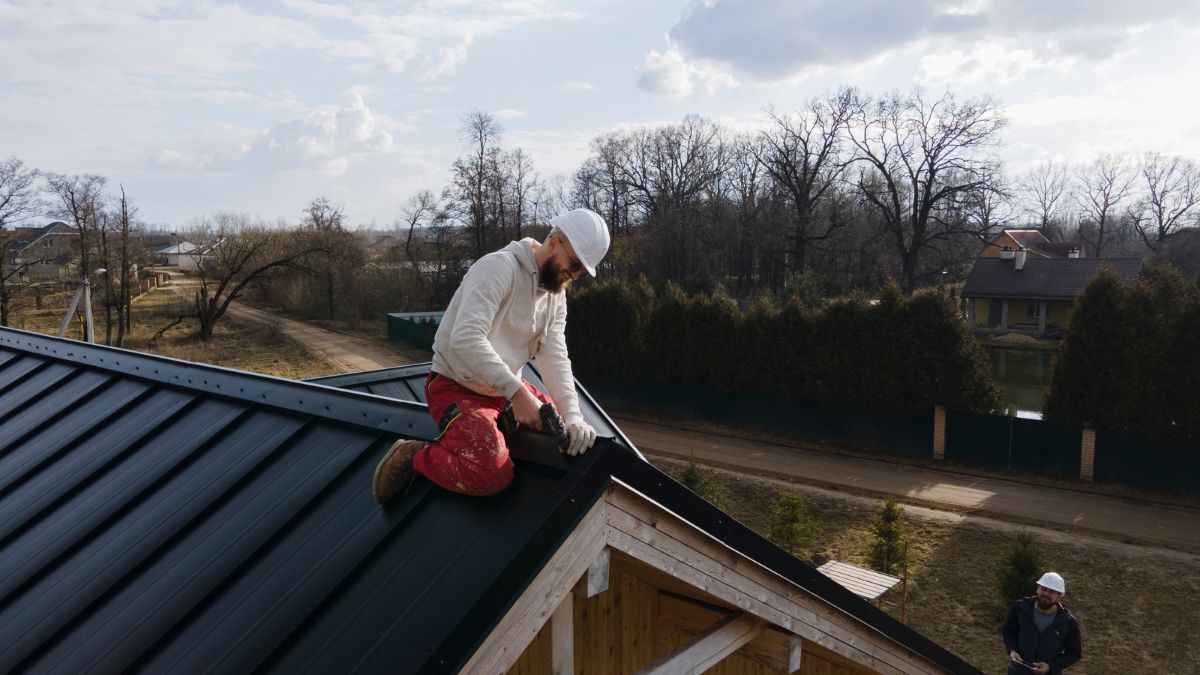
Your roof is your home’s first line of defense against the elements. From blistering summer sun and torrential rains to heavy winter snow and high winds, it takes a severe beating year-round. Unfortunately, it is easy to adopt an “out of sight, out of mind” attitude until a major leak or structural failure occurs.
Preventing damage through proactive maintenance is always far more affordable than paying for emergency structural repairs or an entire roof replacement. By understanding the unique threats each season brings, you can protect your investment and keep your home secure.
Spring and Summer: Post-Winter Assessments and Growth Control
Spring is the ideal time to evaluate how your roofing system survived the harsh winter months. You should schedule a professional roof inspection at least once a year, preferably during the spring or autumn, to catch minor wear and tear before it escalates. Technicians can safely spot cracked shingles, loose flashing, or damaged roof joints that might otherwise go unnoticed.
As the weather warms up, vegetation growth becomes a primary concern. Moss and algae might give a property a rustic appearance, but they are highly destructive to roofing materials. Moss actively traps moisture against the surface, leading to accelerated shingle deterioration and localized wood rot. Homeowners should use roof-safe cleaners to remove this growth gently, avoiding high-pressure washing which can strip off protective shingle granules.
Additionally, take time during the summer to trim back overhanging tree branches. High winds can cause these branches to scrape against your roof, gouging shingles and stripping away their protective coatings. Furthermore, falling limbs during summer storms pose a direct threat of puncture damage.
Autumn: Gutter Maintenance and Weatherproofing
As leaves begin to fall, gutter maintenance becomes your top priority. Clogged rain gutters are a leading cause of avoidable water damage. When debris blocks the channel, rainwater backs up beneath your shingles, causing severe wood rot, ceiling leaks, and structural weakening near your home’s foundation. Ideally, gutters should be cleaned at least twice a year to maintain proper drainage.
If your gutter system is rusted, sagging, or completely failing to redirect water away from your foundation, standard cleaning won’t suffice. In such cases, investing in a professional rain gutter installation in Salt Lake City is a critical preventative measure to secure your home before the seasonal freeze-thaw cycle begins.
While preparing for winter, it is also wise to check the flashing around chimneys, skylights, and vents. Damaged or lifting flashing is a notoriously common entry point for water intrusion. Resealing these joints before the wet weather hits is an inexpensive way to avoid costly structural remediation later.
Winter: Managing Ice, Snow, and Ventilation
Winter introduces severe thermal stress and heavy snow loads. One of the most significant winter hazards is the formation of ice dams along the edges of the roof line. Ice dams occur when warm air escapes from an unventilated attic, melting the underside of the snow on the roof. As the melted water runs down to the colder eaves, it refreezes, trapping moisture underneath your shingles or roof panels.
To prevent this, you must maintain proper attic ventilation and insulation. Ensuring your attic has balanced intake and exhaust vents regulates the roof’s surface temperature and stops ice dams from forming. For properties with metal roofs or steep pitches, installing roof snow guards can also manage the sudden, dangerous release of sliding snow, protecting both your gutters and the landscaping below.
Year-Round Vigilance
Regardless of the season, homeowners should frequently check their interiors for early warning signs of a compromise. Look for water stains on upper-level ceilings, peeling paint on walls, or musty odors in the attic. If you notice shingle granules accumulating heavily in your downspouts, or if you spot curling and buckling shingles from the ground, your roof may be nearing the end of its functional lifespan.
Ultimately, consistency is key. By addressing minor repairs immediately—such as securing a loose shingle or fixing a tiny puncture—you prevent small issues from expanding into multi-thousand-dollar headaches. Taking a proactive approach to your roof’s health gives you invaluable peace of mind, knowing your home is fully protected from above, no matter what the weather brings.
-

 BLOG1 year ago
hanime1: The Ultimate Destination for Anime Lovers
-

 Technology1 year ago
GLAADVoice.com: How You Can Get Involved and Make a Difference
-

 BILLS1 year ago
Why Does My Instagram Reel Stop Getting Views After One Hour? How to Fix It?
-

 ENTERTAINMENT1 year ago
Sflix: How It’s Changing the Way We Watch Movies and TV Shows
-

 BLOG1 year ago
Imginn: The Ultimate Tool to View Instagram Content Anonymously
-

 BLOG1 year ago
NHentai.nef: Understanding the Popular Hentai Archive
-

 ENTERTAINMENT1 year ago
Crackstreams 2.0: The Future of Free Sports Streaming?
-

 BLOG1 year ago
ThisVid: What Makes It Stand Out in the World of Online Videos