
BLOG
How Hospitals Can Reduce Claim Denials with AI | Peerbits


A hospital submits thousands of insurance claims every week. For each one, a payer reviews the documentation, checks it against coverage rules, and either pays or denies. In a well-run revenue cycle, the denial rate stays below 5%. In many hospitals today, it is two to three times that and climbing.
The financial consequences are significant. The American Hospital Association estimates U.S. hospitals collectively write off $18 billion in denied claims annually. More troubling is the administrative burden: each denied claim costs between $25 and $118 to rework, according to MGMA data, and many are never resubmitted at all.
The root causes of most claim denials coding errors, incomplete documentation, eligibility issues, and missing authorisations are addressable. And the most effective tool hospitals are deploying to address them is AI-powered medical coding and intelligent revenue cycle automation. This article walks through exactly how AI reduces denials, where it has the most impact, and what hospitals need to do to implement it successfully.
THE CLAIM DENIAL PROBLEM — BY THE NUMBERS
| $18B
Annual Denial Losses across U.S. hospitals |
5–10%
Average Denial Rate rising year over year |
$118
Cost to Rework a Claim per denial, MGMA data |
40%
Denial Reduction with AI-powered RCM |
Source: Change Healthcare, MGMA, American Hospital Association revenue cycle data
1. Understanding Why Claims Get Denied
Before deploying AI to reduce denials, revenue cycle leaders need a precise understanding of where denials originate. Broad categories mask important distinctions that determine both the intervention strategy and the AI capability required.
Coding-Related Denials
Incorrect or unsupported diagnosis and procedure codes are among the most common denial triggers. ICD-10-CM contains over 70,000 codes; CPT adds thousands more. A single incorrect modifier, a missing secondary diagnosis, or a code that does not match the documented clinical narrative can result in immediate denial. These errors are often not caught until after submission.
Documentation Gaps
Many denials are not caused by incorrect coding; they are caused by documentation that does not support the code assigned. A physician may document ‘diabetic foot wound’ where the payer requires specificity about wound depth, laterality, and stage. The coder assigns the most accurate code possible given what is documented, but without adequate specificity, the claim fails medical necessity review.
Eligibility and Authorisation Failures
Patient insurance coverage changes constantly through employer changes, life events, and open-enrolment periods. Claims submitted without confirming active coverage, or without securing required prior authorisations, are denied at the front end before clinical review even begins. These are entirely preventable with real-time verification.
Duplicate and Timely Filing Denials
Administrative denials, duplicates, and missed filing deadlines represent a significant and largely preventable category. These failures typically indicate workflow or system integration gaps, not clinical complexity.
“Eighty per cent of claim denials are preventable. AI addresses the root causes — not just the symptoms.” — Change Healthcare Industry Report
2. How AI Addresses Each Denial Category
The value of AI in denial reduction is that it operates upstream, preventing denials before they occur rather than managing them after the fact. Each denial category has a corresponding AI intervention point.
NLP-Powered Coding Accuracy
Natural Language Processing (NLP) is the technology that allows AI systems to read clinical documentation and suggest accurate codes in real time. Rather than waiting for a coder to manually review a note, NLP-driven AI processes the physician’s documentation the moment it is finalised, identifying diagnoses, procedures, laterality, severity, and comorbidities, then mapping them to the most specific supportable codes.
The practical result: coding accuracy improves from typical baseline rates of 85–90% to 95%+ with AI assistance. Claims are submitted with higher specificity and fewer unsupported codes directly reducing coding-related denial rates.
Pre-Submission Documentation Validation
AI validation engines check claims against payer-specific rules before submission. They identify missing elements, unsigned orders, absent referral numbers and documentation that does not support medical necessity and surface these gaps for resolution. What previously only surfaced as a denial letter 30 days later is now flagged as a pre-submission alert the same day the claim is assembled.
Real-Time Eligibility Verification
AI-integrated eligibility systems verify patient coverage, co-pay obligations, and authorisation requirements at the point of scheduling and registration, not at the point of billing. Integration with payer APIs enables automated verification for every patient encounter, eliminating manual eligibility checks and the delays and errors they introduce.
Predictive Denial Scoring
Machine learning models trained on historical claims data can assign a denial risk score to each claim before it is filed. High-risk claims, those with documentation patterns, code combinations, or patient profiles that have historically resulted in denial are automatically routed to a human reviewer before submission. This creates a tiered workflow: clean claims move straight to payer; high-risk claims receive human attention.
3. The Role of AI in Clinical Documentation Improvement
One of the most impactful and underutilised applications of AI in denial reduction sits upstream of coding entirely: Computer-Assisted Physician Documentation (CAPD).
The logic is straightforward. Most documentation-related denials are caused by physicians who write clinically accurate notes that do not meet the specificity requirements of the ICD-10 code set or payer medical necessity criteria. CAPD tools, powered by NLP, prompt physicians in real time as they document surfacing specificity gaps before the note is signed.
A physician documenting a wound care visit, for example, receives a prompt: the laterality of the wound is not specified, the stage of the ulcer is missing, and the documentation does not support the level of service billed. These prompts appear during documentation, not during coding review, reducing physician-coder query cycles, shortening the claim submission timeline, and improving code accuracy from the point of origin.
Hospitals implementing CAPD alongside AI coding report some of the strongest denial rate reductions in the industry. The investment in documentation quality compounds over time as physician documentation habits improve and the AI model learns from each encounter.
4. Denial Management and the AI Appeals Workflow
Even with strong preventive AI in place, some claims will still be denied. What separates high-performing revenue cycle departments is their ability to manage and appeal those denials efficiently. For a deeper look at how hospitals are already using AI to cut denials through integrated coding and appeals workflows, the operational patterns are consistent: speed, specificity, and payer intelligence.
Automated Denial Categorisation
When a denial is received, AI systems automatically categorise it by denial type, payer, and root cause without requiring manual review of every denial letter. This categorisation populates a denial dashboard that gives RCM managers real-time visibility into denial patterns, payer-specific trends, and the volume and value of denials in each category.
Priority Scoring for Appeals
Not every denied claim is worth appealing. AI models can evaluate each denial against the cost of appeal, the likelihood of overturn, and the claim value generating a priority score that directs staff resources to the highest-value, highest-probability appeals. This prevents the common pattern where RCM teams spend equal effort on a $200 denial and a $20,000 denial.
Automated Appeal Letter Generation
For defined denial types particularly those with consistent payer requirements AI can generate draft appeal letters drawing on the clinical documentation, applicable coverage criteria, and payer-specific language patterns that have historically been successful. Staff review and submit rather than writing from scratch, compressing appeal turnaround from days to hours.
Payer Intelligence and Pattern Learning
Every denial processed by an AI system is a data point. Over time, the model learns which documentation patterns, code combinations, and clinical scenarios trigger denials from specific payers and feeds those insights back into the pre-submission validation rules. The denial management AI and the coding AI communicate, creating a continuous improvement loop that reduces future denial rates based on past payer behaviour.
5. Measuring the Impact: What Success Looks Like
Hospitals implementing AI-powered denial prevention and management should define clear baseline metrics before deployment and track improvement against them consistently. The key performance indicators that matter most:
- Initial denial rate: The percentage of claims denied on first submission. AI-driven coding and pre-submission validation consistently reduce this by 20–40% within 6–12 months of full deployment.
- First-pass resolution rate (FPRR): The percentage of claims paid on the first submission without rework. Improvements of 15–20 percentage points are achievable with AI pre-submission validation and eligibility automation.
- Days in accounts receivable (DNAR): Faster, cleaner claims mean faster payment. Reductions of 10–15 days in A/R are commonly reported by hospitals deploying AI RCM solutions.
- Cost per claim: As denial volume falls and automated workflows replace manual rework, the cost per clean claim submitted decreases. This is the metric that captures the full ROI of AI denial management.
- Appeal overturn rate: AI-prioritised appeals targeting the highest-value, highest-probability denials improve appeal efficiency significantly — with some organisations reporting overturn rates above 80% on AI-prioritised appeals.
Hospitals that implement AI across the full denial prevention cycle — from documentation to coding to pre-submission to appeals — report combined denial rate reductions of 35–40%.
6. Implementation Considerations for Hospital RCM Leaders
The results AI delivers in denial reduction are real but they depend on thoughtful implementation. The hospitals that see the strongest outcomes are those that treat AI as a system transformation, not a software purchase.
Start with a Denial Root Cause Analysis
Before evaluating vendors or deploying tools, conduct a structured analysis of your existing denial data. Categorise denials by type, payer, service line, and root cause. This analysis determines which AI capabilities coding automation, eligibility verification, CAPD, predictive analytics will have the highest impact on your specific denial mix. Do not invest in solutions that address denial categories that are not your primary problem.
Integrate, Do Not Replace
AI denial management works best when it is deeply integrated with your existing EHR, practice management system, and clearinghouse. Standalone AI tools that require manual data export and import add friction and limit the real-time capabilities that create the most value. Prioritise vendors who offer native EHR integrations or robust API connectivity.
Design the Human-AI Workflow Explicitly
AI in denial management is not a set-and-forget system. Define clearly which tasks AI handles autonomously (eligibility checks, low-risk claim releases, denial categorisation), which tasks AI assists with human review (high-risk claim flagging, appeal draft generation), and which tasks remain exclusively human (complex appeal strategy, payer relationship management). Ambiguous workflows produce inconsistent results.
Train Staff for the New Workflow
The RCM staff who interact with AI tools coders, billers, denial management specialists need training not just on how to use the tools, but on how to interpret AI outputs, when to override suggestions, and how to provide corrective feedback that improves model accuracy. Staff who understand the AI are significantly more effective than those who treat it as a black box.
Monitor Continuously and Iterate
Payer rules change. Documentation patterns evolve. New denial categories emerge. AI models require ongoing monitoring to ensure their denial predictions and coding suggestions remain accurate as the environment changes. Establish a regular review cadence monthly denial trend analysis, quarterly model performance reviews to catch degradation early and update models accordingly.
7. Choosing the Right AI Partner for Denial Reduction
The market for AI revenue cycle solutions is crowded. Evaluating vendors on the following dimensions will surface meaningful capability differences quickly.
- Denial data depth: Has the vendor’s model been trained on denial data from payers relevant to your market? National payer denial patterns differ significantly from regional or government payers.
- EHR integration: Does the solution integrate natively with your EHR platform? What is the implementation timeline and what resources does it require from your IT team?
- Specialty coverage: Is the AI model tuned for your service lines? Coding and denial patterns in orthopedics differ substantially from those in behavioral health or oncology.
- Explainability: Can the system show which specific documentation elements triggered a denial risk flag or coding suggestion? Explainability drives coder trust and supports audit defensibility.
- Demonstrated outcomes: Can the vendor provide documented denial rate reduction and FPRR improvement figures from comparable hospital deployments — not just case studies from their best clients?
Conclusion
Claim denials are not an inevitable cost of doing business in healthcare. The majority are preventable caused by documentation gaps, coding errors, and eligibility failures that AI is specifically designed to address.
Hospitals that invest in AI-powered denial prevention across the full revenue cycle from physician documentation through coding, pre-submission validation, eligibility verification, and appeals management are seeing denial rate reductions of 35–40% and meaningful improvements in clean claim rates, days in A/R, and net revenue recovery.
The technology is mature, the ROI is demonstrable, and the implementation path is well-established. The question for hospital RCM leaders is not whether AI can reduce claim denials. It is whether your organisation is structured to deploy it well and whether you are ready to stop leaving revenue on the table.
Author Bio – Ubaid Pisuwala
Ubaid Pisuwala is a healthtech expert and Co-Founder & CTO of Peerbits, with 14+ years of experience building FHIR-compliant, HIPAA-ready solutions for healthcare startups. He specializes in RPM, eClinical systems, and Medical IoT, bridging technical depth with strong business strategy to deliver scalable digital health products.
LinkedIn – https://in.linkedin.com/in/ubaidpisuwala
More Blogs- https://www.peerbits.com/blog/author/ubaid-pisuwala/

Making Bedrooms Work For Shift Sleep
Shift work turns a bedroom into a slightly odd room. It has to feel sleepy at 9am, while vans move outside, someone makes toast downstairs and a phone lights up once on the bedside table. Small things. Still enough to keep the brain half awake.
A better sleep setup does not need to look medical. It needs fewer things shouting for attention. Less light. Less hard noise. Less cold floor under bare feet. After a night shift, the room has to feel ready before the rest of the day starts pushing in.
Why Shift Work Makes Sleep Less Predictable
Night shifts, early starts and rotating hours rarely give the body a clean pattern. One week, sleep comes after breakfast. Another week, the bedroom is used at midnight again. The body tries to follow a rhythm, then the rota moves the goalposts.
That is why the room matters. Not in a perfect, showroom way. More in a boring practical way. Same curtains. Same lamp. Same cooler air. Same route from door to bed. A simple sleep routine can help when the working week refuses to behave.
The goal is not perfect sleep. Real homes do not work that neatly. Someone will drop a mug. A dog will bark. A delivery driver will knock as if the house owes him money. The point is to remove a few avoidable irritations, so sleep does not have to fight everything at once.
How Bedroom Surfaces Change Noise And Comfort
Curtains and bedding usually get noticed first. Fair enough. The floor gets ignored until it starts making the room feel harder than it needs to. Footsteps sound sharper on hard flooring. A charger hits the floor and makes that stupid little clatter. A chair shifts once, and suddenly the room does not feel so restful.
Carpet changes the room in a quieter way. It takes some bite out of footsteps and makes the floor feel less cold after broken sleep. Not a cure. Just one small comfort that a tired body notices.
For a bedroom that has to work as a day sleep room, the Ulster Carpets collection makes texture, colour, pattern, underlay, bedroom comfort and daily wear part of the flooring decision. The floor is not only a finish. It changes how settled the room feels when the rest of the house is awake.
The bedroom does not need to feel heavy or old fashioned. A calmer pattern, a softer neutral or a warmer texture can make the space feel less sharp. After a long shift, that matters more than people think.
What Light Control Needs Beyond Blackout Curtains
Blackout curtains help. They just do not fix every gap. A thin line of daylight beside the window can feel ridiculous when someone is trying to sleep after work. The room is mostly dark, but the eye still finds the bright strip.
Curtains need to cover the frame properly. Width matters. Length matters. So does how they sit once closed. If light keeps leaking in, a blind behind the curtain may help more than another new pillow or thicker duvet.
The door can be part of the problem too. Hallway light creeps underneath. A draught stopper can block some of it without making the room look odd. Small LED lights are another nuisance. Chargers, clocks, televisions. Easy to ignore in the evening, strangely loud in a dark morning room.
Then there is the phone. Tired hands reach for it without permission. Face down. Across the room. Somewhere boring. That alone can remove one more flash of light from the room.
How Temperature And Air Affect Daytime Rest
A warm bedroom can make daytime sleep feel restless. Bedroom temperature matters more once the house has started warming up, especially in rooms with morning sun. Small bedrooms can turn stale quickly too, even when they looked fine earlier.
Fresh air helps, but timing matters. Opening the window just before sleep may not work if the road is busy. Airing the room earlier can be better. Ten minutes before the person gets home. Window open, room reset, then shut it before the noise starts winning.
Bedding needs the same practical thinking. Heavy bedding can feel comforting at first, then trap heat at the wrong moment. Lighter layers are easier to move around. One blanket off. One back on. Nobody wants a wrestling match with a duvet at 11am.
A softer floor under bare feet will not repair a broken sleep pattern. Still, it can make the room feel less cold when someone gets up after a rough stretch.
What Noise Control Looks Like In A Real House
Noise control is not silence. Most homes cannot offer silence during the day. The aim is to take the edge off sudden sounds. Doors closing. Footsteps upstairs. Children running down the hall. A dog losing its mind at the delivery van.
Soft furnishings help the room feel less echoey. Curtains, carpet, bedding and upholstered furniture all absorb some of that hard room sound. A bare room often feels louder than expected. Add softer surfaces and it can feel less jumpy.
White noise helps some people. Not everyone. Too loud, and it becomes another thing to put up with. Too close to the bed, and it starts to irritate. The test is simple. Does the room feel steadier with it on? Keep it. If not, switch it off.

Household habits count as well. No vacuuming outside the bedroom during sleep hours. Shoes off near the door. A note on the door if people forget. Obvious things, yes. Obvious things still need to be said in a busy house.
How To Build A Bedroom Routine That Survives Real Life
A shift worker’s bedroom routine has to be almost boring. Complicated routines collapse first. Curtains closed. Bed clear. Charger where it should be. Water nearby. Floor clear enough that nobody kicks a laundry basket in the dark.
Clutter keeps the room awake. Parcels beside the wardrobe. Work shoes near the bed. A chair carrying three days of clothes. None of it is dramatic, but all of it asks for attention when the brain should be stepping down.
A small reset before sleep helps. Not a full tidy. Just enough. Put the clothes somewhere. Move the shoes. Clear the path. Pull the curtains properly. The room should not feel like another job after a shift.
Repeating the same signals helps too. Same lamp. Same blanket. Same route into bed. A simple sleep routine can still offer a bit of pattern when the rota keeps changing.
When The Bedroom Starts Working With The Shift
Shift work asks a lot from the body. A bedroom cannot erase that. It can remove a few of the small irritations that make rest harder than it already is.
The best sleep spaces are practical before they are pretty. They block the worst light, soften sudden noise, stay comfortable during the day and feel calm while the home carries on.
For shift workers, that can be the difference between falling into bed and actually settling. Build the room around the hours it has to serve, not the hours a normal bedroom is expected to keep.

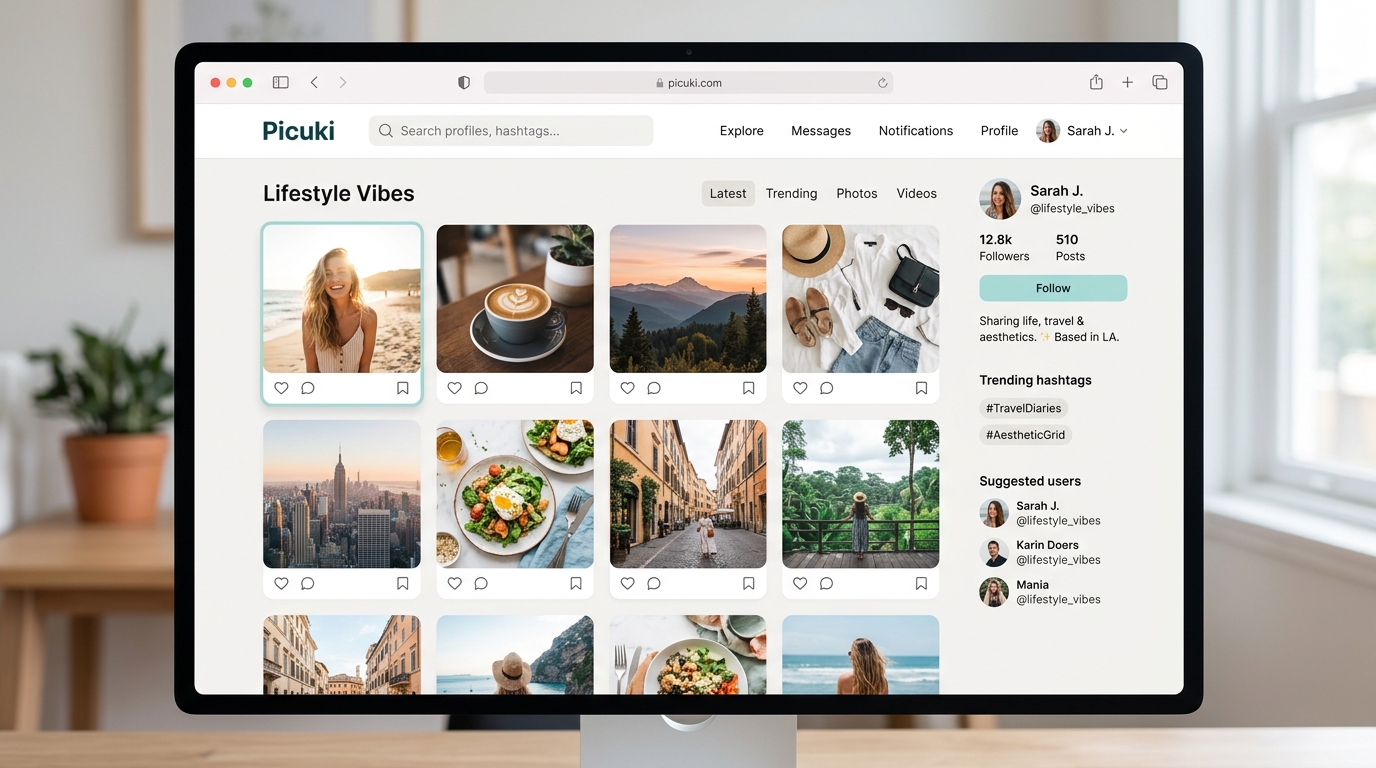
Are you looking to enhance your Instagram experience? If so, Picuki might just be the tool you’ve been searching for. This user-friendly platform allows you to explore and interact with Instagram content without needing an account. Whether you’re a casual viewer or a social media manager, Picuki offers unique features that can elevate how you engage with visual content on Instagram. From browsing profiles to discovering trending posts, there’s much more than meets the eye. Let’s dive into what makes Picuki stand out in the crowded world of social media viewers!
What is Picuki?
Picuki is an online platform designed to enhance your Instagram experience without the need for an account. It serves as a powerful Instagram viewer, allowing users to explore content freely.
With Picuki, you can browse through public profiles and search for specific posts or hashtags. The interface is intuitive and straightforward, making it easy even for those who aren’t tech-savvy.
Unlike traditional Instagram browsing, Picuki lets you view photos and stories anonymously. This feature appeals to many who prefer discretion while exploring social media.
Additionally, you can download images directly from the site. This means saving your favorite moments or inspirations with just a click—no complicated processes involved!
Picuki truly opens up new opportunities for engaging with visually driven content on Instagram without any of the standard limitations associated with conventional accounts.
Features of Picuki
Picuki offers a range of features that cater to both casual users and social media enthusiasts. One standout feature is its ability to browse Instagram profiles anonymously. This means you can explore any account without leaving a trace.
Another great aspect is the easy-to-navigate interface. Users can quickly search for posts, hashtags, or specific accounts with minimal hassle. The streamlined design enhances the overall experience.
Additionally, Picuki allows you to view and download photos and videos directly from Instagram. This functionality is perfect for those who want to save content for personal use or inspiration.
The platform also supports viewing stories without notifying the account owner. You can keep up with your favorite influencers while maintaining your privacy, which many find appealing.
Picuki provides insights into post engagement metrics like likes and comments, making it easier to understand what resonates with audiences on Instagram.
Benefits of Using Picuki for Your Instagram Account
Picuki offers a unique way to enhance your Instagram experience. One of its standout benefits is the ability to view profiles anonymously. This feature allows you to explore content without leaving a trace, which can be particularly useful for marketers or anyone looking to gather insights discreetly.
It also lets you download images and videos effortlessly. If you come across inspiring posts or creative ideas, saving them for later reference has never been easier.
Another advantage is the search functionality that enables users to discover trending hashtags and popular accounts. This helps in finding inspiration and engaging with relevant communities within Instagram.
Additionally, Picuki provides an intuitive layout that’s easy to navigate. Whether you’re browsing stories or checking out reels, everything feels seamless.
Using Picuki can save time while maximizing your engagement on Instagram by accessing curated content efficiently.
How to Use Picuki: Step-by-Step Guide
Getting started with Picuki is straightforward. First, visit the Picuki website. There’s no need to create an account or download any apps.
Once you’re on the homepage, you’ll see a search bar prominently displayed. Type in the username of the Instagram account you want to explore. Hit enter, and wait for the magic to happen.
After searching, browse through their posts effortlessly. You can view images and videos without logging into Instagram. Want to save a post? Just click on it for more options.
If you’re looking for specific content like stories or tags, Picuki makes that easy too. Navigate using categories presented within your search results.
Enjoy engaging directly from this platform! Whether it’s checking analytics or tracking trends in your niche, Picuki has tools tailored for various needs across social media landscapes.
Advanced Tips and Tricks for Maximizing Picuki’s Features
To get the most out of Picuki, start by exploring its search function. Use specific keywords or hashtags to find niche content that resonates with your interests.
Take advantage of the profile viewer feature. This allows you to check out profiles without alerting users about your visit. It’s perfect for gathering inspiration from competitors or influencers.
Consider utilizing the download option smartly. Save images and videos directly to your device for reference later on social media campaigns.
Engage with content through comments and likes anonymously. This can foster connections while keeping a low profile.
Remember to stay updated on new features as they roll out. Picuki is continually evolving, offering fresh tools that can enhance your Instagram strategy further.
Potential Concerns and Controversies Surrounding Picuki
While Picuki offers a range of features, it isn’t without its controversies. One major concern is privacy. Users may unknowingly expose their accounts to public viewing, raising questions about data security.
Another issue revolves around copyright infringement. Downloading and sharing images without permission can lead to legal repercussions for users who don’t respect creators’ rights.
Additionally, some critics argue that using external viewers like Picuki undermines Instagram’s own ecosystem. This could potentially hurt user engagement on the platform itself.
There’s always the risk of misinformation circulating through unverified content viewed on Picuki. Users need to approach the information with caution and discernment as not everything available is accurate or reliable.
Alternatives to Picuki
If Picuki isn’t quite what you’re looking for, several alternatives can help meet your Instagram needs.
One popular choice is **InstaDP**. This tool allows users to view profile pictures and download content without logging in. Its user-friendly interface makes it a go-to option for many.
Another solid alternative is **StoriesDown**. This platform specializes in viewing Instagram stories anonymously, perfect for those who want to keep their browsing discreet.
For deeper analytics, consider using **Hootsuite** or **Buffer**. These tools offer comprehensive social media management features that extend beyond just viewing content. They enable scheduling posts and analyzing engagement metrics.
Check out **Gramho**, which provides detailed stats on any public account while allowing access to media files effortlessly. Each of these options brings unique benefits tailored to different user preferences.
Conclusion
Picuki has emerged as a valuable tool for Instagram users seeking to enhance their experience on the platform. With its user-friendly interface and diverse features, it allows individuals to view, search, and interact with Instagram content without needing an account.
The ability to browse through profiles anonymously is one of Picuki’s strongest points. Users can explore various profiles without leaving a trace, which adds an element of privacy that many appreciate. The editing tools also stand out; they allow users to download images or create stunning collages from their favorite posts.
Engaging with your audience becomes easier when you use Picuki effectively. By utilizing its advanced search functions and hashtag tracking capabilities, you can identify trends and connect with your target demographic seamlessly.
While there are potential concerns regarding privacy and data usage associated with third-party apps like Picuki, understanding these risks helps mitigate them. Staying informed about how such platforms operate ensures you’re using them safely.
If you’re not keen on using Picuki for any reason, several alternatives offer similar functionalities—each bringing its own unique twist to the table.
For anyone looking to elevate their social media game or simply enjoy browsing Instagram more freely, exploring what Picuki offers might just be the right move.

Are you looking to elevate your online presence and reach a wider audience? Meet Instapv, the next big thing in social media management. With an ever-growing digital landscape, standing out can feel like an uphill battle. But what if there was a tool designed specifically to help you shine? Instapv is transforming how individuals and businesses connect with their audiences. It simplifies engagement while maximizing impact. In this post, we’ll explore the incredible features of Instapv, share success stories that highlight its power, and give you tips on using it effectively for optimal results. Let’s dive into the world of Instapv!
The Features and Benefits of Instapv
Instapv offers a range of powerful features designed to enhance your online presence. One standout feature is its intuitive user interface, making it accessible for users at any skill level.
You can easily track engagement metrics and analyze performance data in real time. This helps you understand what resonates with your audience.
Another key benefit is the automated posting schedule. You can set posts to go live at optimal times, ensuring maximum visibility without constant manual effort.
Additionally, Instapv supports multi-platform integration, allowing seamless management across various social media channels from one dashboard.
The tool also includes content recommendations based on trending topics within your niche, helping you stay relevant and engaging. With these capabilities, businesses and influencers can elevate their social media strategy significantly.
Success Stories from Businesses and Influencers Using Instapv
Many businesses have harnessed the power of Instapv to elevate their online presence. A local coffee shop saw a 40% increase in foot traffic after implementing targeted campaigns through this tool. Their visually appealing posts attracted new customers and encouraged repeat visits.
Influencers also find success with Instapv’s data-driven insights. One fashion blogger gained over 10,000 followers in just a month by using tailored content strategies suggested by the platform. This growth translated into lucrative brand partnerships.
E-commerce brands are reaping rewards too. An online boutique reported tripling their sales within three months, thanks to optimized social media ads created via Instapv’s features. The ability to analyze audience engagement helped them refine their approach effectively.
These stories highlight how diverse users can maximize their impact through smart tools like Instapv, driving real results across various sectors.
How to Use Instapv Effectively for Maximum Results
To use Instapv effectively, start by defining your goals. Understand what you want to achieve—more followers, higher engagement, or increased brand awareness. This clarity will shape how you utilize the tool.
Next, leverage its analytics features. Monitor which posts perform best and analyze audience behavior. Tailor your content strategy based on these insights for more impactful results.
Engage with your audience consistently through interactive polls and questions provided in the platform’s tools. This fosters community and enhances connection with your followers.
Utilize the scheduling feature for optimal posting times. Posting when your audience is most active can significantly increase visibility.
Keep experimenting with different types of content. Use videos, stories, and carousel posts to see what resonates well with your viewers while keeping them engaged over time.
Alternatives to Instapv
While Instapv offers a wealth of features, several alternatives exist that can also enhance your online presence. One popular option is Hootsuite. It provides comprehensive social media management tools for scheduling posts and tracking engagement across various platforms.
Buffer is another strong contender. Its user-friendly interface allows users to plan content efficiently while analyzing performance metrics in real-time.
For those focused on Instagram growth, Phlanx presents an interesting choice. This tool emphasizes collaboration with influencers, making it ideal for brands looking to expand their reach through partnerships.
Later stands out as well with its visual content calendar, enabling businesses to curate aesthetically pleasing feeds effortlessly. Each alternative has unique strengths tailored to different needs in the digital marketing landscape. Exploring these options could lead you to find the perfect fit for your strategy and goals.
The Future of Social Media Marketing with Tools Like Instapv
The landscape of social media marketing is rapidly evolving. As platforms become more competitive, tools like Instapv are leading the charge in innovation.
These tools provide insightful analytics and automation features that help brands engage their audiences effectively. With real-time data at their fingertips, marketers can craft personalized strategies tailored to specific demographics.
Moreover, as algorithms continue to change, adapting quickly becomes paramount. Instapv allows users to stay ahead by optimizing content for maximum reach and engagement.
As visual content gains even more traction, the demand for user-friendly solutions will grow. Tools that simplify processes while enhancing creativity will be essential in capturing attention amidst the noise.
With artificial intelligence on the rise, expect smarter automation features from platforms like Instapv that can predict trends before they emerge. This dynamic shift reshapes how brands interact with customers across channels, making every interaction matter more than ever.
Conclusion: Why You Need to Try Instapv Today
As you navigate the ever-evolving landscape of social media, tools like Instapv can be game-changers. This platform offers a unique blend of features that cater to both businesses and influencers alike, enhancing engagement and visibility.
With its focus on user growth, content optimization, and analytics, Instapv equips you with everything needed to elevate your online presence. Success stories from various users are testament to its effectiveness in driving results. The ease of use ensures anyone can harness its capabilities without needing extensive technical knowledge.
The future is bright for marketers who embrace innovative tools such as Instapv. As it continues to evolve alongside social media trends, staying ahead means leveraging these resources effectively.
Exploring what Instapv has to offer could very well be the step that transforms your digital strategy. Whether you’re looking to boost engagement or analyze performance metrics more efficiently, trying out this tool might just unlock new opportunities for growth and connection within your audience.
-

 BLOG11 months ago
hanime1: The Ultimate Destination for Anime Lovers
-

 ENTERTAINMENT1 year ago
Sflix: How It’s Changing the Way We Watch Movies and TV Shows
-

 BILLS1 year ago
Why Does My Instagram Reel Stop Getting Views After One Hour? How to Fix It?
-

 ENTERTAINMENT12 months ago
Crackstreams 2.0: The Future of Free Sports Streaming?
-

 BLOG11 months ago
Imginn: The Ultimate Tool to View Instagram Content Anonymously
-

 BLOG10 months ago
ThisVid: What Makes It Stand Out in the World of Online Videos
-

 Technology1 year ago
Simpcitt: The Rise of a Unique Online Community
-

 BLOG1 year ago
NHentai.nef: Understanding the Popular Hentai Archive