
BLOG
How Family Board Games Shape Communication and Problem-Solving Skills


Family board games offer much more than playful competition; they act as an effective catalyst for open communication and sharpened problem-solving strategies in households. Gathering around a game table allows family members of all ages to come together in a relaxed, interactive environment that encourages conversation and bonding. By engaging in these shared experiences, parents and children alike are invited to chat, listen attentively, and tackle critical thinking tasks together. Whether it’s laughter over a classic game, the challenge of solving a puzzle, or the thrill of learning a new strategy, board games for family game night foster a space where essential life skills are nurtured—all while building stronger family bonds. This regular practice can help dissolve communication barriers and teach key life lessons that extend far beyond the game itself.
When families make time to play together, they create unique opportunities to practice expressing their thoughts, resolving disagreements amicably, and working through challenges as a team. These moments naturally prompt conversation, promote empathy, and allow each member to feel heard and valued. Shared activities like these reinforce not only emotional connections but also critical cognitive and social proficiencies. Children develop confidence through self-expression, while adults have opportunities to model negotiation and compromise skills. The skills learned during a game night are often carried beyond the family table, positively impacting relationships, schoolwork, and workplace dynamics later in life.
The value of consistent game nights extends beyond simple fun. Regular gameplay enhances children’s language development as they read instructions, interpret game cards, and engage with the group. Adults can use these moments to model healthy communication, emotional regulation, and good sportsmanship, showing younger players the value of handling wins and losses with grace. Additionally, all players are encouraged to practice patience, empathy, and resilience—a group must wait for everyone’s turn, handle rule misunderstandings, and manage both triumph and disappointment. These attributes, nurtured in the playful context of board games, are essential for facing real-life challenges with confidence and mutual respect.
In addition to communication and cognitive benefits, board games are a powerful tool for bridging generational gaps. Grandparents, parents, and children can all relate and connect through the universal language of play, leveling the field regardless of age or background. Playing together creates an opportunity to exchange stories, share family traditions, and learn from one another in an engaging, informal setting. These intergenerational exchanges are formative, providing children with a sense of belonging and adults with a renewed appreciation for youthful energy and creativity. The resulting memories become part of a family’s collective history.
Enhancing Communication Skills
Every board game begins with a set of instructions and rules to clarify the game. This initial stage relies on group listening and collective understanding, laying a foundation for honest, respectful dialogue. Throughout gameplay, participants are challenged to share opinions, advocate for themselves, and negotiate outcomes—skills crucial for both children and adults. For families with younger kids, these exchanges provide a safe and encouraging environment to practice new vocabulary and to refine their self-expression. Children learn to articulate their needs and thoughts, while adults have opportunities to model effective communication and conflict resolution.
Even simple games, like charades or Pictionary, strengthen communication pathways by encouraging descriptive language, nonverbal cues, and creative expression. These interactions help children expand their language skills and teach everyone the value of adapting messages based on the listener’s needs. Active listening—a crucial part of nearly every game, as players must wait their turn and respond thoughtfully—teaches patience and respect for other viewpoints. According to The New York Times, educators and child psychologists recognize board games as practical, enjoyable tools for developing both language and emotional skills. By turning communication into a core element of play, families build habits that transfer readily into their daily lives.
Developing Problem-Solving Abilities
Strategic board games, ranging from Chess and Ticket to Ride to cooperative adventures like Pandemic, require players to anticipate, adapt, and adjust their thinking as the game progresses. Each turn presents problems to solve, resources to manage, and risks to evaluate. These games push players to weigh options, foresee potential consequences, and use logical reasoning to create winning strategies. Over time, individuals grow more comfortable with uncertainty and more willing to try new ideas in pursuit of their goals.
Research published by Psychology Today highlights that board games encourage both children and adults to experiment with decision-making strategies in a low-pressure, risk-free environment. It is here that children learn resilience—coping with setbacks, trying new tactics, and learning from both success and failure. Playing strategic games as a family also promotes collaboration, as everyone knows how to combine their strengths and overcome obstacles together. Whether overcoming the shifting dynamics of a competitive match or the unpredictability of collaborative play, families benefit from repeated opportunities to practice perseverance and creative thinking.
Strengthening Family Bonds
Setting aside regular game nights instills a sense of tradition and togetherness, providing families with essential opportunities to disconnect from screens and reconnect face-to-face. Evenings become a reliable and anticipated break from the busyness of daily routines. Team-based or cooperative games require families to pool their efforts, contribute creative ideas, and navigate successes and failures together, fostering a healthy spirit of teamwork. When families work through a challenge together, they discover new strengths within the group and learn more about each other’s unique problem-solving styles.
In addition to supporting emotional well-being, shared game experiences become treasured family stories—moments that children often recall as highlights of their upbringing. Cooperative challenges, fits of laughter, and even playful rivalries help build a sense of unity and trust that endures long after the game ends. These memories serve as a foundation for long-term relationships built on mutual understanding and joy, making the simple act of playing a game one of the most lasting ways to strengthen family ties.
Choosing the Right Games
Understanding Age and Skill Levels
Choosing the best board games for your family starts with considering everyone’s interests, temperaments, and developmental stages. Simple, quick games like Candy Land or Uno offer perfect entry points for younger children and allow mixed-age groups to play together without anyone feeling left out. On the other hand, more complex strategy or trivia games engage older kids, teens, and adults who are ready for higher-level thinking and competition. As families grow, their taste in games can evolve, so don’t hesitate to add new titles that challenge and inspire all players.
Cooperative vs. Competitive Play
Some families thrive on friendly competition, relishing the chance to outwit one another, while others prefer working together toward a shared goal. Cooperative games, such as Forbidden Island or Mysterium, let participants collaborate, discuss problems, and celebrate collective victories. Competitive games, such as Clue, Monopoly, or Codenames, reinforce independent thinking and sportsmanship. Selecting a mix that fits your family’s mood and preferences can keep everyone engaged and excited about game night. Introducing new types of games also expands everyone’s comfort zone and helps discover new favorite activities together.
Incorporating Game Nights into Family Routines
Consistency Builds Anticipation
Making game night a weekly fixture—be it Friday evenings or Sunday afternoons—helps solidify it as a cherished family tradition. Marking the calendar and treating it as a special event allows all members to look forward to it and, when possible, set aside other obligations. Letting participation be a choice rather than a chore creates a positive, voluntary atmosphere. Passing the “game picker” role to a different family member at each gathering can build anticipation while ensuring everyone gets a turn to introduce their favorite games or try something new.
Create a Welcoming Play Space
Set up a dedicated, comfortable play area with cozy seating, good lighting, and enough table space to accommodate everyone’s favorite snacks and drinks. Making the space inviting reminds everyone that game night is meant to be a special experience. Try minimizing digital distractions by silencing phones and televisions, which makes it easier to be truly present and enjoy each other’s company. Incorporating themed snacks or playful decorations can add to the fun and help younger children feel particularly included and excited for each gathering.
Conclusion
Family board games double as playful entertainment and powerful development tools that refine communication and problem-solving abilities in ways that are both enjoyable and meaningful. Regular game nights can transform family dynamics, fostering relationships grounded in trust, understanding, and laughter while preparing everyone for the complex interpersonal and cognitive demands of everyday life. Embrace this simple tradition to help your loved ones learn, grow, and connect—one game at a time. The benefits will be felt long after the final score is tallied, enriching your family legacy with warmth, wisdom, and unforgettable memories.


Your roof is your home’s first line of defense against the elements. From blistering summer sun and torrential rains to heavy winter snow and high winds, it takes a severe beating year-round. Unfortunately, it is easy to adopt an “out of sight, out of mind” attitude until a major leak or structural failure occurs.
Preventing damage through proactive maintenance is always far more affordable than paying for emergency structural repairs or an entire roof replacement. By understanding the unique threats each season brings, you can protect your investment and keep your home secure.
Spring and Summer: Post-Winter Assessments and Growth Control
Spring is the ideal time to evaluate how your roofing system survived the harsh winter months. You should schedule a professional roof inspection at least once a year, preferably during the spring or autumn, to catch minor wear and tear before it escalates. Technicians can safely spot cracked shingles, loose flashing, or damaged roof joints that might otherwise go unnoticed.
As the weather warms up, vegetation growth becomes a primary concern. Moss and algae might give a property a rustic appearance, but they are highly destructive to roofing materials. Moss actively traps moisture against the surface, leading to accelerated shingle deterioration and localized wood rot. Homeowners should use roof-safe cleaners to remove this growth gently, avoiding high-pressure washing which can strip off protective shingle granules.
Additionally, take time during the summer to trim back overhanging tree branches. High winds can cause these branches to scrape against your roof, gouging shingles and stripping away their protective coatings. Furthermore, falling limbs during summer storms pose a direct threat of puncture damage.
Autumn: Gutter Maintenance and Weatherproofing
As leaves begin to fall, gutter maintenance becomes your top priority. Clogged rain gutters are a leading cause of avoidable water damage. When debris blocks the channel, rainwater backs up beneath your shingles, causing severe wood rot, ceiling leaks, and structural weakening near your home’s foundation. Ideally, gutters should be cleaned at least twice a year to maintain proper drainage.
If your gutter system is rusted, sagging, or completely failing to redirect water away from your foundation, standard cleaning won’t suffice. In such cases, investing in a professional rain gutter installation in Salt Lake City is a critical preventative measure to secure your home before the seasonal freeze-thaw cycle begins.
While preparing for winter, it is also wise to check the flashing around chimneys, skylights, and vents. Damaged or lifting flashing is a notoriously common entry point for water intrusion. Resealing these joints before the wet weather hits is an inexpensive way to avoid costly structural remediation later.
Winter: Managing Ice, Snow, and Ventilation
Winter introduces severe thermal stress and heavy snow loads. One of the most significant winter hazards is the formation of ice dams along the edges of the roof line. Ice dams occur when warm air escapes from an unventilated attic, melting the underside of the snow on the roof. As the melted water runs down to the colder eaves, it refreezes, trapping moisture underneath your shingles or roof panels.
To prevent this, you must maintain proper attic ventilation and insulation. Ensuring your attic has balanced intake and exhaust vents regulates the roof’s surface temperature and stops ice dams from forming. For properties with metal roofs or steep pitches, installing roof snow guards can also manage the sudden, dangerous release of sliding snow, protecting both your gutters and the landscaping below.
Year-Round Vigilance
Regardless of the season, homeowners should frequently check their interiors for early warning signs of a compromise. Look for water stains on upper-level ceilings, peeling paint on walls, or musty odors in the attic. If you notice shingle granules accumulating heavily in your downspouts, or if you spot curling and buckling shingles from the ground, your roof may be nearing the end of its functional lifespan.
Ultimately, consistency is key. By addressing minor repairs immediately—such as securing a loose shingle or fixing a tiny puncture—you prevent small issues from expanding into multi-thousand-dollar headaches. Taking a proactive approach to your roof’s health gives you invaluable peace of mind, knowing your home is fully protected from above, no matter what the weather brings.
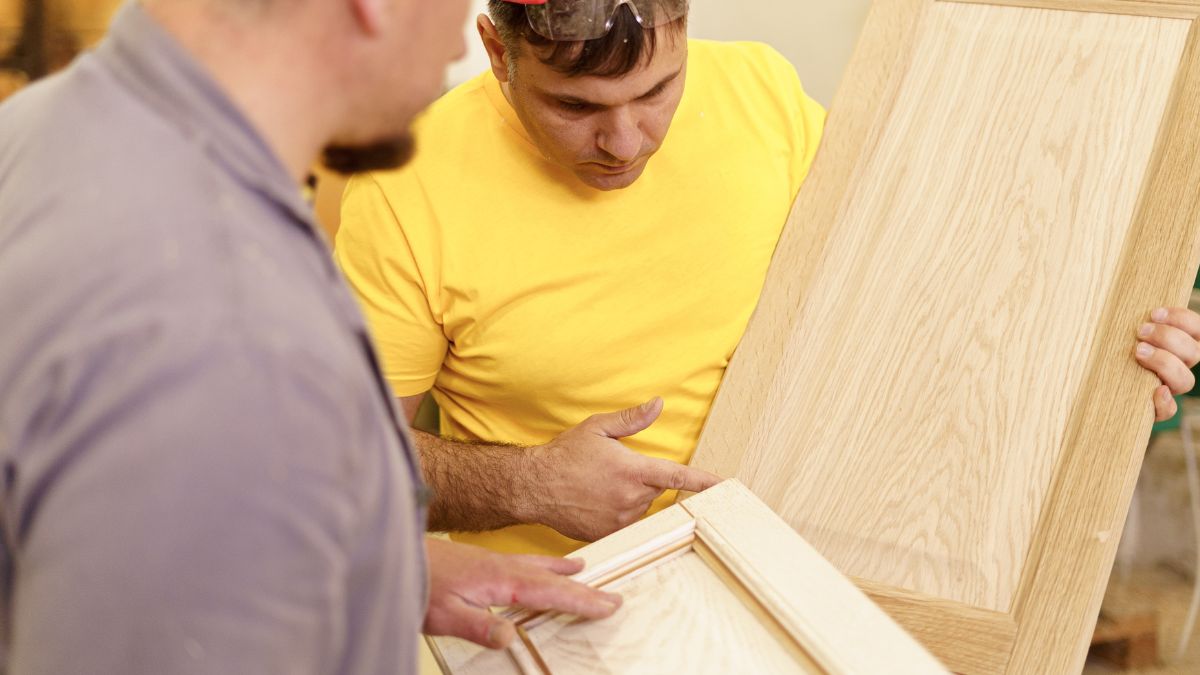
Wood is one of the most versatile materials used in home improvement, construction, and DIY projects. From building outdoor structures to creating custom furniture, the type of wood selected can affect strength, durability, appearance, and overall performance. Winnipeg homeowners should consider the purpose of each project, local weather conditions, and the intended use of the finished product when choosing lumber or plywood. Here are six home projects where selecting the right wood matters most.
1. Completing DIY Woodworking Projects With Star Building Materials
DIY woodworking projects can include workbenches, storage units, planters, wall features, shelving, and decorative pieces. The materials used can influence how easy the project is to build and how well it holds up over time. Factors such as thickness, strength, grain, and surface finish should be considered before purchasing wood.
Homeowners looking for lumber in Winnipeg can compare different lumber and plywood options based on the requirements of their project. Star Building Materials can also be considered when exploring materials for woodworking and home improvement projects. Selecting wood that matches the project’s design and intended use can make construction easier and contribute to a better finished result.
2. Building a Deck or Outdoor Structure
Decks, sheds, fences, and other outdoor structures are exposed to Winnipeg’s changing weather conditions throughout the year. Rain, snow, sunlight, moisture, and temperature changes can all affect wood over time.
When selecting materials for an outdoor project, homeowners should consider durability, moisture resistance, structural strength, and maintenance requirements. Resources such as Windsor Plywood Sherwood Park can also be useful when researching wood products and comparing materials for different construction needs. Choosing an appropriate type of wood can help an outdoor structure remain functional and attractive for longer.
3. Building or Renovating Cabinets
Cabinets are frequently exposed to moisture, spills, cleaning products, and everyday use. Choosing suitable wood or plywood can therefore make a significant difference in their durability and appearance.
Homeowners should consider the cabinet’s location, expected use, desired finish, and maintenance requirements. The right material can provide a balance between strength, appearance, and practicality.
4. Constructing Shelves and Storage
Shelves need to support the weight of books, tools, household supplies, and other belongings. Using wood with the appropriate thickness and strength can help prevent sagging and improve the lifespan of a storage project.
Plywood and lumber can both be useful depending on the design and load requirements. Homeowners should consider dimensions, support spacing, finish, and the weight the shelving is expected to carry.
5. Framing Walls and Home Improvements
Lumber is an important component in wall framing, partitions, room additions, and various home improvement projects. Structural applications require materials that are appropriately sized and suitable for the intended purpose.
Before starting a framing project, homeowners should understand the project’s requirements and select lumber accordingly. Proper material selection can contribute to a stable and durable structure.
6. Creating Wood Furniture
Wood can be used to create tables, benches, desks, shelving units, and other furniture. Different types of wood can vary in strength, appearance, weight, and workability.
Consider how the furniture will be used and how much wear it will receive. Choosing suitable wood can help create furniture that is both functional and visually appealing.
Making Better Wood Choices for Home Projects
Choosing the right wood can affect the durability, appearance, and performance of almost any home project. By considering the project’s purpose, location, expected use, moisture exposure, structural requirements, and maintenance needs, Winnipeg homeowners can make more informed decisions when purchasing lumber and plywood.

A shoulder injury can affect everyday activities such as working, exercising, sleeping, lifting, and reaching. Recovery can also vary depending on the type and severity of the injury. Taking a proactive approach to your health can help you understand your condition, follow appropriate care, and gradually return to normal activities. Here are seven ways to better manage your health after a shoulder injury.
1. Get a Proper Medical Assessment With Kevin Kruse
Persistent shoulder pain, weakness, limited movement, or discomfort after an injury should be evaluated by a qualified healthcare professional. A proper assessment can help identify the underlying problem and determine which treatment options may be appropriate.
For people dealing with significant shoulder damage, surgery for a rotator cuff tear may be considered depending on the severity of the injury and other individual factors. Consulting a specialist can help patients understand their condition, available treatment approaches, and what recovery may involve.
2. Follow Your Recommended Treatment Plan
Once your condition has been assessed, following the recommended treatment plan is an important part of managing recovery. Depending on the injury, care may involve rehabilitation, medication, activity modifications, or other medical treatments.
Patients researching their healthcare options may come across resources such as Timely Medical | Timely Surgery at Affordable Prices when exploring accessible medical services. Regardless of the provider, patients should understand their treatment recommendations and communicate with their healthcare team if they have concerns or questions.
3. Give Your Shoulder Time to Recover
Trying to return to strenuous activities too quickly can place additional stress on an injured shoulder. Depending on professional recommendations, it may be necessary to temporarily modify activities that involve heavy lifting, repetitive movements, or overhead reaching.
Allowing adequate recovery time can help prevent unnecessary strain while the shoulder heals. Gradually returning to normal activities is generally preferable to pushing through significant discomfort.
4. Participate in Appropriate Rehabilitation
Rehabilitation may play an important role in restoring shoulder movement, strength, and function. A healthcare professional or physical therapist can recommend exercises based on the type of injury and stage of recovery.
Following an appropriate rehabilitation program consistently can help support gradual improvements. However, exercises should be performed according to professional guidance rather than attempting demanding movements too soon.
5. Pay Attention to Changes in Your Symptoms
Monitoring your symptoms can help you recognize how your recovery is progressing. Pay attention to changes in pain, swelling, mobility, weakness, or other unusual symptoms.
If symptoms become significantly worse or new concerns develop, speak with a healthcare professional. Keeping track of changes can also make it easier to communicate useful information during follow-up appointments.
6. Adjust Daily Activities and Work Habits
Simple changes to daily routines can help reduce unnecessary strain on an injured shoulder. Depending on your condition, this may involve modifying how you lift objects, carry items, reach for things, or position your shoulder while sleeping.
People returning to work should also follow appropriate recommendations regarding physical tasks and workplace activities.
7. Maintain Overall Health During Recovery
Good sleep, balanced nutrition, adequate hydration, and appropriate physical activity can support overall health while recovering from an injury. Maintaining healthy habits can also help you stay consistent with your recovery routine.
The goal is to remain active in ways that do not place unnecessary stress on the injured shoulder. Patience and consistency can be important throughout the recovery process.
Taking a Practical Approach to Shoulder Recovery
Managing a shoulder injury involves more than addressing pain alone. Getting an appropriate assessment, following treatment recommendations, allowing time to recover, participating in rehabilitation, monitoring symptoms, adjusting daily activities, and maintaining overall health can all support a more informed recovery process.
-

 BLOG1 year ago
hanime1: The Ultimate Destination for Anime Lovers
-

 Technology1 year ago
GLAADVoice.com: How You Can Get Involved and Make a Difference
-

 BILLS1 year ago
Why Does My Instagram Reel Stop Getting Views After One Hour? How to Fix It?
-

 ENTERTAINMENT1 year ago
Sflix: How It’s Changing the Way We Watch Movies and TV Shows
-

 BLOG1 year ago
NHentai.nef: Understanding the Popular Hentai Archive
-

 BLOG1 year ago
Imginn: The Ultimate Tool to View Instagram Content Anonymously
-

 ENTERTAINMENT1 year ago
Crackstreams 2.0: The Future of Free Sports Streaming?
-

 BLOG1 year ago
ThisVid: What Makes It Stand Out in the World of Online Videos