
Technology
Modern Innovations in CNC Machining


CNC machining is a cornerstone of modern manufacturing, with innovation constantly pushing boundaries and redefining what is possible. In recent years, the integration of smart technologies has transformed CNC systems from mechanical workhorses into intelligent, efficient, and adaptive solutions. Companies like Phantom CNC Systems are leading this transition by incorporating next-generation automation and advancement into everyday manufacturing.
Modern CNC machining is not limited to simply increasing output or speeding up processes. At its core, the field is about combining precision with flexibility, harnessing digital advancements to decrease waste and improve product quality. Today’s CNC machines analyze real-time data, simulate processes virtually, and adapt to new materials or designs faster than ever before. As these capabilities expand, manufacturers of all sizes gain the agility needed to compete in a rapidly evolving market.
AI and Machine Learning Integration
Artificial Intelligence (AI) and Machine Learning (ML) are quickly becoming indispensable to modern CNC machining. With these technologies, machines can process large amounts of operational data to optimize tool paths and production strategies. For instance, by monitoring vibration and tool load in real time, AI can adjust feed rates or spindle speeds instantly, preventing defects and ensuring optimal surface finishes. Predictive maintenance is another game-changer, as ML models can anticipate equipment wear, prompting timely maintenance and minimizing unplanned downtime. This approach not only makes shops more efficient but also extends the lifespan of critical assets. Research published by Machine Design highlights how AI is empowering operators to deliver higher-quality results while reducing human error.
Automation and Robotics
Automation, particularly through robotics, is reshaping manufacturing floors worldwide. By delegating repetitive and physically demanding tasks—like loading raw stock or unloading finished parts to robots, companies greatly reduce human error and safety incidents. Robotic arms can execute precise manipulations across multiple shifts without fatigue, supporting the vision of “lights-out” or autonomous manufacturing where machines operate around the clock. The latest collaborative robots, or “cobots,” are designed to work side by side with human operators, bringing flexibility to environments where fully automated solutions may not be viable. According to Forbes, businesses that employ advanced robotics report significant increases in throughput and resource utilization.
Digital Twin Technology
One of the most transformative recent advancements is Digital Twin technology. By building a virtual replica of a physical CNC machine or an entire production line, manufacturers can simulate every aspect of the machining process before metal is ever cut. These digital models allow engineers to test and refine tool paths, predict material behavior, and experiment with new setups in a risk-free environment. When these virtual models are linked to the real machines, real-time data feeds back into the simulation, enabling continual process improvements and rapid troubleshooting. This synergy helps reduce trial-and-error on the shop floor and shorten time-to-market for new products. Digital Twins are now recognized as a key enabler of Industry 4.0 transformation, helping manufacturers stay competitive and resilient.
Multi-Axis Machining
The development of advanced multi-axis CNC machines has been pivotal, particularly for sectors that require extreme precision and complexity. Traditional 3-axis systems are limited in their ability to machine complex surfaces, often requiring multiple setups. Five-axis and beyond machines, in contrast, can approach the workpiece from virtually any angle, producing sophisticated geometries in a single setup. This not only shortens lead times but also eliminates cumulative errors that can arise from repositioning parts. Multi-axis capabilities are critical for producing aerospace and medical components, where each part must meet uncompromising standards. Multi-axis machines also support the trend toward miniaturization and lightweighting in modern design.
Software Innovations
Software advancements are making CNC machining more user-friendly and accessible than ever. Intuitive interfaces, cloud-based CAM platforms, and AI-driven process-optimization features enable both novice and expert users to design, simulate, and manufacture intricate parts with confidence. Some platforms now support direct sketch-based fabrication, seamlessly translating drawings into machine code for physical materials. Additionally, software-only solutions have enabled sophisticated features, such as indexed rotary machining, on affordable desktop CNC systems, removing the need for significant hardware upgrades. The democratization of powerful software tools is opening up opportunities for start-ups, small manufacturers, and educational institutions.
Final Thoughts
The rapid evolution of CNC machining is enabling manufacturers to achieve new heights in efficiency, accuracy, and creativity. By embracing AI and machine learning, automation and robotics, digital twin technology, multi-axis machining, and innovative software, businesses are well-positioned to thrive in the competitive landscape of advanced manufacturing. Staying informed about these trends is essential for industry leaders and newcomers alike as they navigate a future defined by speed, adaptability, and heightened expectations for quality.

In today’s rapidly evolving world, technology is completely redefining the landscape of infrastructure services. Whether in the development of smart cities, data center innovation, or the implementation of advanced connectivity solutions, the impact is profound and far-reaching. These changes are not only raising expectations for efficiency and resilience but are also driving a shift toward more sustainable and adaptable urban environments. For those managing or developing infrastructure, modern strategies, such as general contracting services in Southern California, are increasingly vital for harnessing and implementing the latest advancements. The ongoing wave of digital transformation influences how infrastructure is designed, built, and managed. Behind the physical assets and networks lies a powerful ecosystem of automation, artificial intelligence, and data-driven orchestration. The stakes are high. Decisions made today about which technologies to embrace will shape communities and businesses for decades to come. As pressure mounts to balance growth, reliability, and sustainability, infrastructure leaders are turning to next-generation technologies. The integration of smart systems and data analytics, for example, has unlocked new opportunities to optimize resource allocation, increase operational efficiency, and improve public services. Across sectors, from transportation to energy and real estate, these innovations are quickly becoming the standard. This ongoing evolution calls for a broad understanding of the technologies at play, the challenges of implementation, and the considerable benefits these improvements promise. Exploring these trends in depth provides a roadmap for stakeholders eager to future-proof their infrastructure investments.
Smart Cities and Automation
The concept of smart cities brings together urban planning, technology, and data to create more livable, efficient environments. Automation lies at the heart of this evolution by enabling real-time responses to changing conditions, streamlining processes, and making urban systems more responsive and user-centric. Automated traffic management, intelligent lighting, and connected utilities are just a few examples of how smart city infrastructure leverages technology to improve everyday experiences, reduce resource waste, and enhance safety.
AI and Data Center Expansion
Artificial intelligence has triggered a rapid expansion of both physical and digital infrastructure. With AI adoption more than doubling in recent years, the demand for data processing horsepower and storage has skyrocketed. This trend results in the construction of state-of-the-art data centers designed to meet the immense computing requirements of AI, the Internet of Things (IoT), and cloud-based services. Modernized networks play a pivotal role in supporting this surge and ensuring data can flow securely and efficiently throughout an increasingly interconnected digital world.
Fiber Optic Networks and Connectivity
The backbone of digital infrastructure is shifting toward fiber-optic networks that can handle higher volumes of data at higher speeds and with greater reliability. These networks are crucial to supporting AI, cloud computing, and the proliferation of smart devices. By integrating fiber-optic solutions into new and existing infrastructure, organizations prepare to accommodate growing data traffic and anticipate future needs. This transition ensures communities remain competitive and connected in the digital age.
Digital Twins and Infrastructure Management
Digital twin technology is transforming infrastructure management by providing a virtual replica of physical assets and systems. These digital counterparts allow for real-time monitoring, predictive maintenance, and data-driven decision-making. With widespread adoption, organizations have the tools to allocate resources more effectively, minimize downtime, and extend the lifecycle of their assets. However, many infrastructure projects are still catching up, underscoring the need for greater digital visibility in the sector.
Purpose-Built Infrastructure for AI
General-purpose systems can struggle to keep pace with the demands of modern AI workloads. As a result, a new wave of purpose-built infrastructure is emerging. These systems are specifically designed to support artificial intelligence, offering increased computational power, improved efficiency, and cost savings. By tailoring infrastructure to the unique needs of AI, organizations can accelerate innovation and remain at the forefront of digital transformation.
Integrated Service Models
Infrastructure management now demands service models that span the entire lifecycle of an asset, from initial design and commissioning to continuous monitoring and maintenance. These integrated approaches break down silos, reduce inefficiency, and help organizations adapt more rapidly to change. In high-density computing sectors, these models are especially valuable for ensuring compliance, scalability, and operational excellence.
Future Trends in Infrastructure Technology
Looking forward, infrastructure technology will become more adaptive, integrated, and intelligent. The convergence of advanced communications, computing, and sensing will lead to networks that not only move data faster but also facilitate real-time, sector-specific applications. These next-generation systems will continue to drive efficiency, energy savings, and resilience, helping cities and organizations respond more effectively to emerging challenges.
Conclusion
The transformation of infrastructure services through technology is clear and ongoing. By adopting smart automation, AI-driven solutions, fiber connectivity, and integrated management strategies, organizations are laying the foundations for efficiency, sustainability, and resilience. These advancements allow businesses and communities to optimize operations, reduce costs, and respond more effectively to changing demands. By leveraging real-time data, predictive analytics, and connected systems, infrastructure providers can improve decision-making and deliver more reliable services. Staying at the cutting edge of these trends ensures that today’s investments yield robust benefits and adaptability for tomorrow’s needs. As technology continues to evolve, embracing innovation will remain essential for creating smarter, more secure, and future-ready infrastructure systems that support long-term growth and success.


The way people explore social media content has changed significantly over the years. Many users now look for simple tools that make online browsing more convenient, flexible, and accessible. Dumpor is one name that has attracted attention among people interested in viewing publicly available social media content through an alternative browsing experience. Whether you have recently heard about the platform or want to understand how it works, learning about its purpose, features, and limitations can help you make informed decisions.
What Is Dumpor?
Dumpor is commonly associated with an online platform that allows users to explore publicly available social media content without relying entirely on the standard social media application experience. Its appeal comes from its simple concept: making public profiles, posts, and related content easier to browse.
Unlike traditional social media platforms, third-party viewing tools may focus more on content discovery than on social interaction. Users may be interested in these services because they want a straightforward way to explore public content without creating a complicated browsing routine.
However, the exact features and availability of any third-party platform can change over time. Therefore, users should always check the current platform experience and understand its privacy and security practices before using it.
How Does Dumpor Work?
The basic idea behind Dumpor is relatively simple. A user searches for publicly accessible content through the platform’s interface. Depending on the service’s current functionality, this may include profiles, posts, hashtags, or other publicly visible information.
The browsing process generally follows a few simple steps:
- Visit the platform through a compatible web browser.
- Enter a relevant username, profile name, or search term.
- Review the available public content.
- Navigate through the results using the platform’s interface.
The experience may be different from using an official social media application. Instead of focusing on messaging, notifications, or personalized feeds, third-party tools often emphasize search and content discovery.
Key Features of Dumpor
The popularity of platforms like Dumpor is often connected to convenience. Users may prefer a cleaner and more direct way to explore public content.
Public Content Discovery
One of the main attractions is the ability to discover publicly available content in a more focused environment. Users can explore profiles or posts without navigating through every feature offered by a traditional social network.
Simple Browsing Experience
A straightforward interface can make online browsing easier. People who only want to search for public content may prefer a tool that does not require them to use every social media feature.
Profile Exploration
Users may be able to explore publicly visible profile information and content, depending on the platform’s current functionality. This can be useful for discovering creators, brands, trends, and public discussions.
Search-Based Navigation
Search functionality is another important part of the experience. Instead of scrolling through an algorithm-driven feed, users can look for specific public content using relevant terms.
Why Do People Search for Dumpor?
There are several reasons why users may search for Dumpor and similar online services. Some people are curious about public profiles or trending content. Others may want to browse without spending too much time inside a traditional social media application.
For some users, the appeal is convenience. A dedicated browsing tool may feel more direct than navigating through multiple menus and features.
Content researchers, marketers, bloggers, and casual internet users may also be interested in public information for research purposes. However, public availability does not automatically mean that content can be reused without restrictions. Copyright, privacy, and platform policies should always be respected.
Benefits of Using Dumpor
Convenient Content Browsing
A major benefit is the possibility of accessing public content through a simplified interface. This can save time for users who want to focus on discovery rather than social interaction.
Useful for Trend Research
Public content can provide valuable insights into popular topics, hashtags, and online trends. Researchers and marketers may use public information to understand audience interests.
Less Dependence on App Features
Some people prefer web-based browsing because it can feel less distracting than using a full social media application. A focused platform may help users search for specific information more efficiently.
Easy Access Through a Browser
If the service is available online, users may not need to install additional software. Browser-based access can be convenient across different devices.
Is Dumpor Safe to Use?
Safety is an important consideration when using any third-party website. Users should be careful before entering personal information, downloading unknown files, or granting unnecessary permissions.
A reliable online browsing habit includes checking the website address carefully and avoiding suspicious pop-ups. Users should also be cautious about services that request passwords, payment details, or sensitive personal information without a clear reason.
It is also important to remember that third-party platforms can change their policies or operations. Before using Dumpor, visitors should consider the site’s current security practices and avoid sharing information that is not necessary for browsing.
Privacy Considerations
Privacy should always be part of the conversation when exploring online content. Even when information is publicly visible, users should avoid misusing personal data or attempting to access private accounts.
People should also understand that third-party services may collect technical information such as browser details, cookies, or usage data. Reading available privacy policies can provide a better understanding of how information may be handled.
Responsible browsing means respecting the boundaries of public content and avoiding any activity that could violate another person’s privacy.
Limitations of Dumpor
Although platforms like Dumpor can offer convenience, they may also have limitations. Availability, features, and search functionality can change without notice.
Some content may not appear because of privacy settings, technical restrictions, or changes made by the original social media platform. Search results may also be incomplete or outdated.
Another limitation is that third-party services may not offer the same reliability or security standards as official platforms. Users should therefore avoid assuming that every online tool provides the same level of protection.
Dumpor Compared With Traditional Social Media Browsing
Traditional social media platforms are designed for complete interaction. They usually include messaging, notifications, personalized recommendations, account management, and content creation tools.
By contrast, third-party browsing services often focus on viewing and discovering public content. This can make them attractive to users who want a simpler experience.
The best choice depends on the user’s purpose. Someone who wants to interact with friends or publish content will likely prefer an official platform. Someone interested mainly in public content discovery may look for a more focused browsing experience.
Tips for Using Dumpor Responsibly
Users can follow several simple practices to improve their online experience:
- Avoid entering sensitive personal information on unfamiliar websites.
- Do not download suspicious files or browser extensions.
- Respect copyright and content ownership.
- Never attempt to access private accounts or restricted information.
- Check the website address before entering any details.
- Keep browsers and security software updated.
These basic precautions can help reduce unnecessary online risks.
The Future of Platforms Like Dumpor
The demand for online content discovery tools is likely to continue as social media becomes more central to digital communication. Users increasingly want flexible ways to search, explore, and understand publicly available information.
At the same time, privacy regulations, platform policies, and technical changes may influence how third-party browsing services operate. As a result, platforms in this category may need to adapt to changing expectations around privacy, transparency, and responsible access.
The future will likely favor services that provide convenience while maintaining clear policies and responsible user practices.
Final Thoughts on Dumpor
Dumpor represents the growing interest in alternative ways to explore publicly available online content. Its appeal is connected to simplicity, search-based browsing, and the possibility of accessing public information through a different type of online experience.
However, users should always approach third-party platforms carefully. Features can change, availability may vary, and privacy considerations should never be ignored. By browsing responsibly, avoiding sensitive information, and respecting content ownership, users can make more informed decisions about whether a platform meets their needs.
As the digital landscape continues to evolve, tools that simplify content discovery may remain popular. The key is to balance convenience with safety, privacy, and responsible online behavior.
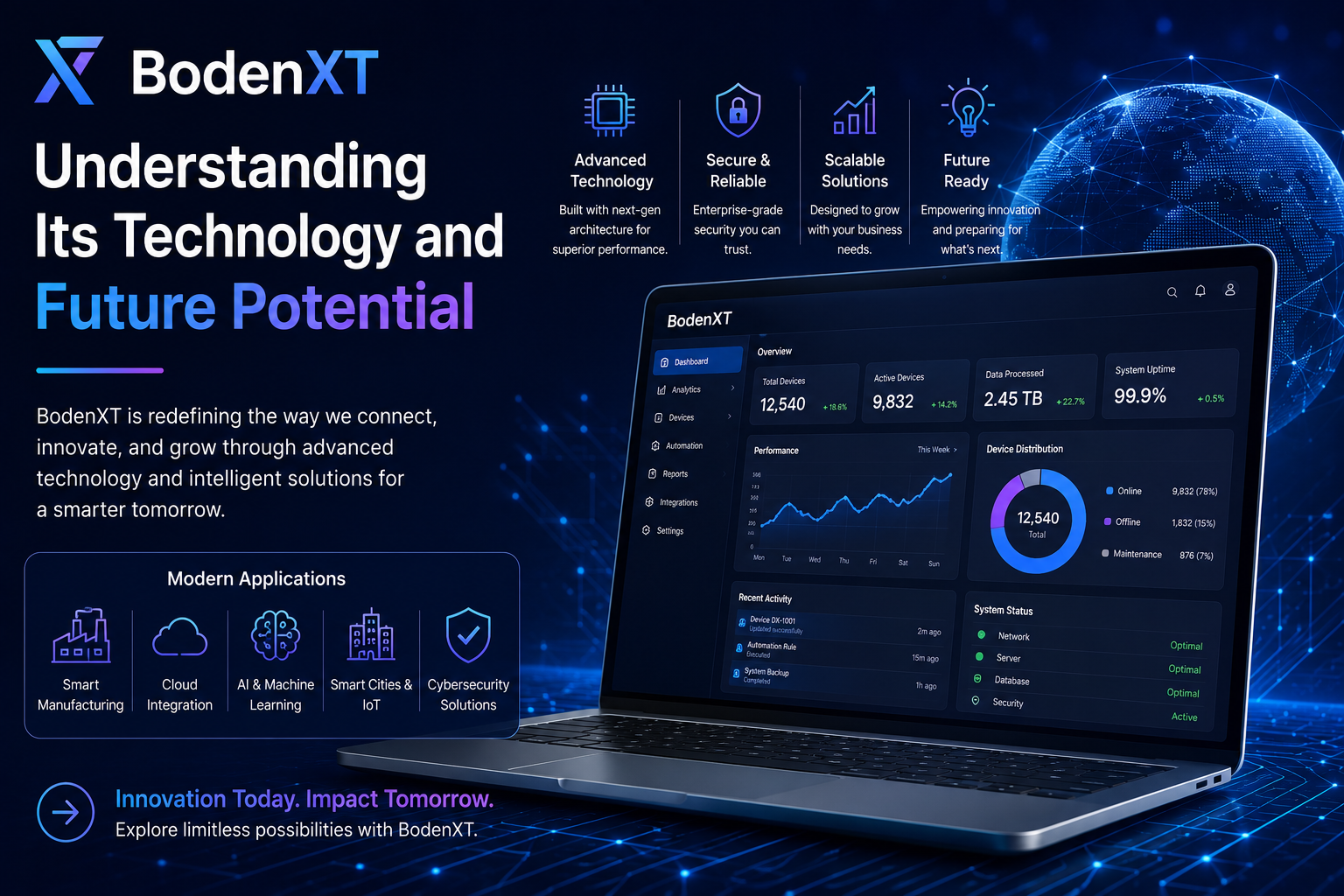
The digital world is constantly introducing new names, platforms, and technologies that capture the attention of online users. BodenXT is one such keyword that has recently started appearing across search engines and online discussions. Although it is still relatively new, many people are curious about what BodenXT is, how it works, and why it is attracting interest.
Whether you discovered the name through a website, social media, or search results, this guide will help you understand the growing presence of BodenXT. We’ll explore its possible purpose, features, benefits, and what users should know before engaging with any emerging digital platform.
What Is BodenXT?
BodenXT is an emerging online term associated with digital innovation and modern web technologies. While publicly available information remains limited, its increasing visibility suggests that it may represent a new online platform, digital service, technology initiative, or branding project.
As with many recently introduced online names, BodenXT is still developing its identity. New digital platforms often begin by building awareness before expanding their services, making it natural for users to search for more information during the early stages.
Instead of relying on assumptions, it is best to evaluate any new platform by examining its available features, transparency, and user experience as more information becomes available.
Why Is BodenXT Becoming Popular?
Several factors contribute to the growing online interest in BodenXT.
Increasing Search Activity
One reason is the rising number of people searching for new digital tools and innovative platforms. Whenever a fresh name appears online, curiosity naturally drives search traffic.
Digital Branding
Modern technology companies frequently choose short, memorable names that are easy to recognize. BodenXT follows this trend with a distinctive and professional-looking brand identity.
Potential Technology Applications
The name suggests possible connections to technology, software, online services, digital infrastructure, or cloud-based solutions. While its exact purpose may still evolve, many users are interested in learning how it might fit into today’s digital ecosystem.
Key Features That May Define BodenXT
Although detailed specifications are still limited, platforms similar to BodenXT often focus on several important characteristics.
Modern User Experience
Today’s users expect fast loading speeds, responsive interfaces, and intuitive navigation. Any successful digital platform must prioritize simplicity alongside functionality.
Scalability
Emerging platforms typically build scalable systems capable of supporting future growth, additional users, and expanding services.
Security
Cybersecurity remains one of the most important aspects of any online service. Users increasingly value platforms that protect personal information through secure authentication and encrypted communication.
Accessibility
Cross-device compatibility has become essential. Whether using smartphones, tablets, or desktop computers, users expect consistent performance.
Possible Uses of BodenXT
As interest continues to grow, BodenXT could potentially serve various digital purposes depending on its long-term development.
Business Solutions
Businesses constantly seek efficient digital tools to improve productivity, collaboration, and workflow management. Platforms with modern infrastructure often appeal to organizations looking for streamlined operations.
Content Management
Digital creators require platforms that simplify publishing, organizing, and sharing content. If BodenXT develops in this direction, it could become valuable for creators and marketers alike.
Community Engagement
Online communities continue expanding across industries. Platforms that encourage collaboration, discussions, and knowledge sharing often experience steady user growth.
Technology Integration
Modern software increasingly connects with multiple services through APIs and automation. Integration capabilities often determine how useful a platform becomes for businesses and developers.
Benefits of Exploring BodenXT
Many users enjoy discovering new platforms before they become widely adopted. Some potential advantages include:
Early Adoption Opportunities
Early users often gain firsthand experience with new features and may influence future improvements through feedback.
Learning New Technologies
Exploring emerging platforms helps users stay informed about changing digital trends and industry innovations.
Expanding Digital Skills
Trying different online tools increases familiarity with modern technologies and improves overall digital literacy.
Staying Ahead of Trends
Technology evolves rapidly. Monitoring emerging names like BodenXT allows users to identify promising developments before they become mainstream.
Things to Consider Before Using BodenXT
Whenever exploring a new online platform, it is important to follow several best practices.
Verify Official Information
Always review official documentation, company details, and publicly available information before creating an account or sharing personal data.
Understand Privacy Policies
Privacy policies explain how information is collected, stored, and protected. Reading these documents helps users make informed decisions.
Check User Reviews
Independent reviews often provide valuable insights into usability, reliability, customer support, and overall user satisfaction.
Use Strong Security Practices
Regardless of the platform, maintaining strong passwords and enabling multi-factor authentication whenever available helps improve account security.
How BodenXT Fits Into Today’s Digital Landscape
Digital transformation continues reshaping nearly every industry. Businesses, creators, educators, and consumers increasingly depend on online platforms to communicate, collaborate, and deliver services.
Within this environment, names like BodenXT naturally attract attention because users constantly search for the next innovative solution. Whether focused on business software, digital services, cloud technology, or another specialized area, emerging platforms contribute to an increasingly competitive digital marketplace.
Innovation often begins with experimentation, and successful platforms typically evolve by responding to user needs, technological advancements, and market demand.
Future Potential of BodenXT
Although its complete roadmap may not yet be publicly established, BodenXT has the potential to expand in several directions.
Future developments could include:
- Enhanced digital services
- Improved user interfaces
- Greater automation capabilities
- Expanded cloud integration
- Stronger security features
- Additional collaboration tools
- Mobile-first functionality
- AI-powered enhancements
As technology continues advancing, platforms that remain adaptable and user-focused often achieve sustainable growth.
Tips for Evaluating Emerging Platforms Like BodenXT
If you’re researching BodenXT, consider evaluating it using these practical criteria:
- Look for transparent company information.
- Review available documentation and FAQs.
- Compare its features with similar platforms.
- Examine privacy and security measures.
- Read community feedback from multiple sources.
- Monitor updates and future announcements.
- Test usability before committing significant time or resources.
Taking these steps helps users make informed decisions while minimizing potential risks associated with new digital services.
Frequently Asked Questions About BodenXT
Is BodenXT a legitimate platform?
Publicly available information is currently limited. Users should always verify official sources before using any newly emerging platform.
What does BodenXT offer?
Its exact services may continue to develop. Current online interest suggests it may relate to digital technology, software solutions, or innovative online services.
Is BodenXT free to use?
Pricing information depends on its official offerings. Users should consult official resources for the latest details.
Why are people searching for BodenXT?
Growing online visibility, curiosity, and potential technological applications are driving increased search interest.
Final Thoughts
BodenXT represents the type of emerging digital keyword that naturally attracts attention as technology continues evolving. While comprehensive public information may still be developing, its growing online presence suggests increasing curiosity among users interested in digital innovation.
As with any new platform, researching official information, understanding available features, and following good online security practices remain the best approach. Whether BodenXT evolves into a technology platform, digital service, or broader online ecosystem, staying informed will help users evaluate its future potential with confidence.
-

 BLOG12 months ago
hanime1: The Ultimate Destination for Anime Lovers
-

 ENTERTAINMENT1 year ago
Sflix: How It’s Changing the Way We Watch Movies and TV Shows
-

 BILLS1 year ago
Why Does My Instagram Reel Stop Getting Views After One Hour? How to Fix It?
-

 BLOG1 year ago
Imginn: The Ultimate Tool to View Instagram Content Anonymously
-

 ENTERTAINMENT1 year ago
Crackstreams 2.0: The Future of Free Sports Streaming?
-

 BLOG11 months ago
ThisVid: What Makes It Stand Out in the World of Online Videos
-

 BLOG1 year ago
NHentai.nef: Understanding the Popular Hentai Archive
-

 Technology1 year ago
Simpcitt: The Rise of a Unique Online Community