
Travel
How Private Jet Travel Is Reshaping Modern Luxury


Private jet travel has long symbolized exclusivity, but its influence on luxury lifestyles has entered a new era. Not only does it provide privacy and convenience, but private aviation now sets the pace for what affluent travelers expect from their journeys. For those who value speed, discretion, and comfort, on-demand premium air travel is redefining the very fabric of luxury. The focus is shifting beyond transportation to an integrated, bespoke experience that caters to the evolving demands of discerning passengers.
Innovations in both access and design primarily drive this leap in luxury. No longer an unreachable dream for all but a select few, private jet travel is being democratized with new models of ownership. As the market grows and shifts, so do expectations—travelers want more than plush interiors and fine cuisine; they want sustainability, customization, and service tailored to their lifestyles. These shifts underline a profound change in what luxury means in the 21st century, blending indulgence with responsibility and technological sophistication.
Expanding Accessibility Through Fractional Ownership
Traditionally, private jet travel was the province of top-tier elites. However, recent years have seen a substantial increase in accessibility thanks to innovative fractional ownership and membership programs. These solutions, pioneered by companies such as Flexjet and NetJets, enable participants to purchase a share of an aircraft or subscribe to a set number of flight hours. This model dramatically reduces upfront costs, maintenance responsibilities, and logistical hassles, making the dream of private flying attainable for a new demographic of affluent travelers.
The rise of fractional ownership marks a significant shift in the luxury travel market. Today’s high-net-worth individuals increasingly prefer flexible access rather than full asset ownership. This trend is accelerated by a globalized world, where executives, celebrities, and families require rapid, on-demand connectivity between major cities, secondary destinations, and remote locations. For many, the value lies in the ability to customize every step of the journey—without the long-term commitment or overhead of a wholly owned jet.
Elevating In-Flight Luxury with Innovative Designs
Private jet interiors have undergone a dramatic evolution. New designs center around the concept of the aircraft as a fully personalized sanctuary, tailored to each owner’s tastes. Modern jets offer features such as private suites, walk-in showers, dedicated cinemas, and full-service kitchens. One standout example is the “Private Sanctuary” cabin from PriestmanGoode, developed for the Airbus A350, which transforms the interior into multi-use spaces like gyms, screening rooms, or conference centers, depending on client needs. For more details about this innovative design, please visit PriestmanGoode’s official website.
Customization is not only about added luxury; it supports productivity, wellness, and the desire for unique experiences at 40,000 feet. These tailored interiors are often realized in collaboration with premier design houses and architects, bringing together advanced soundproofing, humidity controls, and even circadian lighting to minimize jet lag. The result is a bespoke environment that enables travelers to arrive at their destinations feeling refreshed and ready for anything. Architectural Digest explores the latest cabin trends in detail.
Commitment to Sustainability in Private Aviation
With growing awareness of climate change, the luxury market is placing sustainability at the forefront. Private jet operators are now investing in Sustainable Aviation Fuel (SAF), embracing carbon offset schemes, and implementing green operational practices. These strategies are not just corporate social responsibility—they reflect the priorities of a new generation of high-net-worth travelers, who expect their lifestyles to align with environmental ethics.
Leading firms are also experimenting with efficient flight paths, lighter construction materials, and electric-hybrid propulsion technologies. While private jets still have a greater per-passenger carbon footprint compared to commercial airlines, ongoing innovation aims to close this gap. According to The New York Times, the adoption of sustainable aviation fuel is accelerating across the industry, catering to customers who demand that luxury doesn’t come at the planet’s expense.
Technological Advancements Enhancing Efficiency
Technological innovation is streamlining every step of the private aviation experience. Artificial intelligence now optimizes everything from flight routing and weather prediction to fuel consumption, meaning flights are not only faster but also more sustainable and cost-effective. Real-time booking and dynamic scheduling platforms have transformed what was once a complicated process into an almost instant, user-friendly service, providing clients with control and peace of mind.
Furthermore, connectivity is now a primary concern for travelers. The latest jets offer high-speed Wi-Fi, innovative cabin management, and even biometric security systems for a seamless boarding experience. This digitization ensures that travelers can continue their work, entertainment, or rest without interruption, truly merging the boundaries between air travel and luxury hospitality.
The Rise of Experiential Travel
Modern luxury travelers crave more than material comforts—they seek memorable, curated experiences. The trend is evident in exclusive offerings such as the Four Seasons Private Jet Experience, which combines private travel with all-inclusive, globe-spanning itineraries. These programs remove the logistical frictions of international travel, offering bespoke adventures to Antarctica, Africa, or the Mediterranean with five-star amenities at every stage.
This approach acknowledges that for today’s wealthy globetrotters, value lies in discovery, enrichment, and unique opportunities rather than simply in status symbols. As described in Forbes, luxury travel experiences now prioritize personalization, privacy, and storytelling, elevating private aviation to the forefront of transformative journeys.
Conclusion
Private jet travel is redefining the boundaries of modern luxury by merging bespoke experiences with forward-thinking innovations. From expanding accessibility and world-class interior design to a genuine commitment to sustainability and cutting-edge technology, the sector is undergoing significant evolution. For travelers seeking more than just transportation—those desiring efficiency, immersion, and peace of mind—private aviation today stands as the ultimate symbol of modern luxury living.
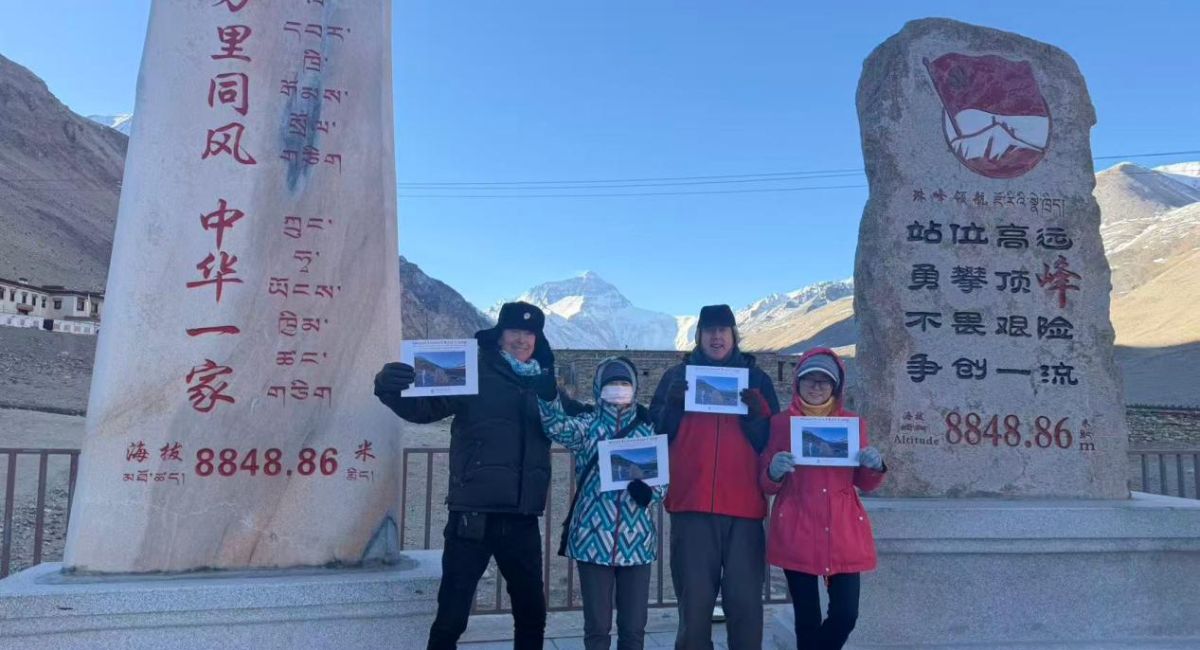
There are few road trips on Earth that hold the legendary status of traversing the Tibetan Plateau toward the Himalayas. Crossing from the spiritual heartland of Lhasa over sweeping 5,000-meter mountain passes, past turquoise glacier-fed lakes, down to the foot of Mount Everest, and dropping into the lush subtropical valleys bordering Nepal is more than just a transit route—it is an unforgettable pilgrimage across landscapes that defy imagination.
If you are planning an epic Tibet trip that seamlessly connects China’s mysterious high plateau with the vibrant streets of Kathmandu, the overland route via Gyirong Port stands out as the absolute gold standard. Having recently experienced the iconic 7-Day Lhasa to Everest & Nepal Overland Tour organized by Tibet Horizon, I’ve put together this comprehensive, day-by-day travel guide to help you navigate logistics, altitude, permits, and highlights for your own Tibet travel adventure.
Tibet Everest Base Camp
Key Trip Overview
Route: Lhasa – Yamdrok Lake – Gyantse – Shigatse – Mount Everest Base Camp – Gyirong Valley – Nepal Border
Duration: 7 Days / 6 Nights
Tour Operator: Tibet Horizon
Official Tour Page: Lhasa-Yamdrok-Gyantse-Shigatse-Everest-Gyirong-Nepal Tour
Highlights: Potala Palace, Jokhang Temple & Barkhor Kora, Yamdrok Lake, Gyantse Kumbum Stupa, Tashilhunpo Monastery, Sunset over Everest’s North Face from Rongbuk Monastery, and descending 2,500m into the lush Gyirong Valley.
Why Book an Organized Tibet Tour? Permits & Local Expertise
Independent travel in Tibet is restricted by regional tourism regulations, meaning all international travelers must book through a licensed agency capable of issuing the official Tibet Travel Permit (also known as the TTB permit) and providing required local logistics. Trying to arrange these logistics on your own can quickly feel overwhelming, but working with a seasoned operator like Tibet Horizon turns complex red tape into a completely stress-free experience.
When booking a Tibet tour with Tibet Horizon, their team handles every single detail behind the scenes:
- Tibet Travel Permit Processing:Full handling and verification of all entry permits required for Lhasa, Everest Base Camp and Gyirong.
- Expert Native Tibetan Tour Guides:Highly knowledgeable, English-speaking local Tibetan guides who offer deep cultural insights into Buddhist theology, local traditions, monastery etiquette, and hidden spots standard guidebooks miss.
- Private High-Altitude Vehicles & Drivers:Safe, comfortable tourist vehicles equipped with bottled oxygen and driven by experienced high-altitude drivers capable of navigating winding mountain switchbacks with ease.
- Seamless Border Crossing Support:Guided assistance through customs at Gyirong Port and a smooth handoff for onward travel into Nepal.
Day-by-Day Itinerary Breakdown
Day 1: Arrival in Lhasa (3,650m / 11,975 ft) – Welcome to the Holy City
Upon landing at Lhasa Gonggar Airport or arriving at the Lhasa Railway Station, our local Tibetan guide from Tibet Horizon welcomed us with a traditional white silk Khata scarf—a beautiful gesture of hospitality and blessing. Day one of any Tibet trip must be dedicated entirely to acclimatization. Lhasa sits at nearly 3,700 meters above sea level, and giving your body time to adapt to thin air is crucial for an enjoyable journey.
We checked into our hotel and spent the afternoon relaxing, drinking plenty of water, and taking a light evening walk around the nearby streets. Our guide checked on our well-being and ensured our oxygen supplies were readily available in the vehicle for the days ahead.
Day 2: Lhasa Monastic Heritage – Drepung Monastery & Sera Monastery
In the morning, we drove to the western outskirts of Lhasa to visit Drepung Monastery, once the world’s largest monastery housing over 10,000 monks. Walking up through its white-walled monastic complexes nestled on Gambo Utse mountain, our guide shared fascinating insights into its historical role as the seat of government before the Potala Palace was expanded.
In the afternoon, we headed to Sera Monastery, famous worldwide for its lively philosophical monk debates held in the shaded courtyard. Watching the monks’ dynamic gestures—clapping hands, shouting Buddhist logic, and debating scriptural doctrines—was one of the most memorable and vibrant cultural highlights of our stay in Lhasa.
Day 3: The Heart of Lhasa – Potala Palace & Jokhang Temple
Our cultural exploration of Tibet travel began at the grand Potala Palace, the historic winter residence of the Dalai Lamas. Rising dramatically above the Lhasa valley, climbing its red and white stone steps rewarded us with sweeping panoramas of the city and magnificent gold-roofed chapels inside. Our guide brought the history to life, explaining the intricate murals, ancient scriptures, and jewel-encrusted chortens (burial stupas).
In the afternoon, we visited Jokhang Temple, the spiritual heart of Tibetan Buddhism. Inside, devout pilgrims from all corners of Tibet prostrate before the sacred Jowo Rinpoche statue. Outside, we joined locals spinning prayer wheels on the Barkhor Street Kora—a vibrant circuit buzzing with energy, traditional butter tea houses, and artisan stalls selling turquoise jewelry and prayer flags.
Day 4: Lhasa to Shigatse via Yamdrok Lake & Gyantse
Distance: ~360 km | Driving Time: ~8 hours | Max Altitude: 4,998m (Gamba La Pass)
Leaving Lhasa early in the morning, our overland Tibet tour truly began. Driving along switchbacks up to the Gamba La Pass (4,998m), we were greeted by our first breath-taking view of Yamdrok Lake. Its mesmerizing, intense turquoise waters stretched out below against the backdrop of snow-capped Mt. Nojin Kangsang (7,191m).
After stopping to marvel at the ice-fall of Karola Glacier right beside the highway, we arrived in Gyantse to explore the famous Pelkor Chode Monastery and the stunning Gyantse Kumbum—a nine-tiered stupa housing tens of thousands of Buddhist images across 108 chapels. We wrapped up the day arriving in Shigatse, Tibet’s second-largest city.
Day 5: Shigatse to Everest Base Camp
Distance: ~340 km | Driving Time: ~8 hours | Max Altitude: 5,200m (EBC)
After breakfast, our vehicle headed west along the Friendship Highway toward the crown jewel of our Tibet trip: Mount Everest.
Crossing the Gawula Pass (5,213m), we witnessed a staggering panoramic view of five 8,000-meter Himalayan giants lined up: Makalu, Lhotse, Everest, Cho Oyu, and Shishapangma. By late afternoon, we reached Everest Base Camp (EBC) near Rongbuk Monastery—the world’s highest monastery. Watching the golden setting sun illuminate the colossal North Face of Everest was a deeply spiritual, bucket-list moment that words can hardly capture.
Day 6: Everest Sunrise & Descent to Gyirong Valley
Distance: ~390 km | Driving Time: ~8 hours | Elevation Drop: ~2,500m
Waking up early to see the pristine morning sunlight hit the peak of Everest, we snapped final photos before embarking on one of the most dramatic landscape transitions in Asia. Leaving the arid, high-altitude plateau, the road winds down through the spectacular Gyirong Valley—often called the “Back Garden of the Himalayas.”
As we descended over 2,500 vertical meters, the barren rocky landscapes transformed rapidly into roaring mountain rivers, cascading waterfalls, dense pine forests, and mild subtropical air. Sleeping in Gyirong Town (2,700m) was a welcome relief for our lungs, offering fantastic sleep quality after the high altitude of EBC.
Days 7: Crossing Gyirong Port to Nepal & Arrival in Kathmandu
On Day 7, our Tibet Horizon guide and driver assisted us through customs and immigration formalities at Gyirong Port (China-Nepal Border). After clearing the border across the Resuo Bridge into Rasuwagadhi, Nepal, our Tibetan guide ensured we were met by our Nepalese transport for the onward journey through the hills to Kathmandu.
The drive to Kathmandu takes you through scenic Nepalese mountain countryside, completing an epic 7-day trans-Himalayan overland adventure that seamlessly bridges two incredible worlds, cultures, and landscapes.
Practical Travel Tips for Your Tibet Nepal Overland Trip
Acclimatization is Key: Don’t rush your first two days in Lhasa. Drink 3–4 liters of water daily, avoid alcohol and strenuous exercise initially, and listen closely to your guide’s advice.
Packing Essentials: High-altitude sun is intense. Bring high-SPF sunscreen, polarized sunglasses, lip balm, warm fleece/down jacket layering for EBC nights, and comfortable walking shoes.
Respect Local Etiquette: Always walk clockwise around stupas, temples, and prayer wheels. Remove hats and sunglasses when entering monastery chapels, and ask permission before photographing local monks or pilgrims.
Currency & Connectivity: Carry local cash (RMB) for remote stops along the highway, as mobile signal or credit card processing at mountain passes can be limited.
Ready to Plan Your Tibet Nepal Overland Tour?
Whether you are looking for breathtaking high-mountain scenery, deep spiritual culture, or an unforgettable cross-border adventure, this 7-day journey remains one of Asia’s ultimate road trips.
To learn more about permit requirements, upcoming departures, or custom itineraries, visit Tibet Horizon at www.tibettourism.com or explore the exact route directly on their official 7-Day Lhasa to Nepal Tour Page.
Travel
Exploring Senior Living Options in Apache Junction, Arizona: A Guide for Families and Older Adults


Deciding on the best living arrangement for older adults in Apache Junction, Arizona, is a significant decision that impacts their quality of life, health, and overall well-being. With its scenic desert landscapes, access to reputable care providers, and a growing retirement community, Apache Junction offers a range of options for seniors. Understanding these choices is vital for families seeking the best fit. Junction is home to specialized resources such as senior care in Apache Junction, which can help navigate the complexities of senior care and foster peace of mind for everyone involved. Local conditions, such as the warm Arizona climate and proximity to health services, make Apache Junction a desirable location for older adults wanting to maintain an active and fulfilling lifestyle as they age. With so many living arrangements to consider, each catering to different preferences and health needs, it’s crucial to evaluate all possibilities before making a choice.
Throughout Apache Junction, older adults and their loved ones are looking for options that balance independence, ease of access to care, and community engagement. Whether you are seeking a cozy home for yourself or advocating for a family member, learning about the specific living arrangements available can help you make an informed, confident decision. The community in Apache Junction is well-supported by county programs, local organizations, and a network of senior advocates who help guide families through these important transitions. These services enhance the quality of life and provide a safe environment for older adults, whether living independently or in a communal setting. For families exploring structured care arrangements, assisted living in Apache Junction can be a practical and welcoming option for seniors who need additional support.
Aging in Place
Many older adults in Apache Junction prefer to remain in their own homes as they age. This approach, known as aging in place, ensures seniors can stay in familiar surroundings while retaining independence. For residents here, it means adapting homes for safety and accessibility, staying connected to neighbors, and leveraging in-home health services. According to a Pew Research Center survey, 93% of adults aged 65 and older currently live in their own homes, and 60% express a strong desire to remain there as they age, even if they require care.
Assisted Living Facilities
Assisted living facilities in Apache Junction offer a structured environment that balances independence with personalized care. Residents have private or semi-private living spaces and receive help with bathing, dressing, medication management, and meals. These communities often provide social activities, transportation to local attractions, and medical support, catering to those who need extra help but wish to avoid a clinical setting. Although only 18% of older adults prefer this option, it remains essential for those who need day-to-day assistance.
Nursing Homes
Nursing homes in Apache Junction provide comprehensive care for seniors with significant medical and daily living needs. These facilities provide round-the-clock nursing supervision, rehabilitation, and support for individuals with chronic illnesses or disabilities. While some may resist the idea due to concerns about autonomy, for families who need immediate access to medical professionals, nursing homes can be a lifeline, offering peace of mind that their loved ones’ medical needs will be promptly met.
Cohousing Communities
Cohousing communities are intentional neighborhoods where seniors in Apache Junction can live in private homes arranged around communal areas. These communities, which emphasize social engagement and shared resources, are ideal for older adults seeking strong social ties, mutual support, and reduced isolation. Studies suggest that cohousing can boost mental well-being and foster long-term independence. ‘A vastly superior way to live’: why more seniors should choose cohousing
Home Sharing
Home sharing programs connect seniors in Apache Junction with compatible tenants, often younger adults or other seniors. This arrangement provides homeowners with companionship and additional financial security while spreading utility and maintenance costs. Reputable matching services and community organizations monitor safety and compatibility, making home sharing a flexible option for those wanting to remain independent yet open to sharing their home. 3 group housing trends for the 60 and older set
Adult Foster Homes
Adult foster homes, also known as residential care homes, offer a small, family-oriented setting in Apache Junction. Professionals provide personalized care for a handful of residents, ensuring a warm, home-like atmosphere. These homes are often more budget-friendly than larger facilities and appeal to older adults who value close personal interaction and tailored daily support.
Factors to Consider
When selecting a senior living arrangement in Apache Junction, families should weigh several factors:
- Health Needs: Assess current and future medical requirements and the level of support necessary.
- Financial Situation: Compare costs associated with each living option and consider long-term affordability.
- Social Preferences: Decide how important social engagement, group activities, and community events are for overall well-being.
- Location: Accessibility to family, medical care, and community resources is vital for a balanced lifestyle in Apache Junction.
Making the Decision
Choosing the most suitable living arrangement for seniors in Apache Junction is a deeply personal process. It is best approached through open conversations with family and healthcare providers. Visiting potential communities, asking specific questions, and carefully evaluating how each option aligns with individual needs will ensure a smoother transition. Proactive planning and community involvement can make all the difference, resulting in a comfortable, secure, and fulfilling living environment for older adults in Apache Junction. Taking the time to compare services, understand costs, and assess available levels of care helps families avoid rushed decisions and future stress. It also allows seniors to maintain a sense of control and confidence in their choices. With thoughtful preparation and ongoing communication, families can create a supportive plan that adapts over time, ensuring that seniors continue to live with dignity, safety, and a strong sense of belonging within their community.
Conclusion
In conclusion, having a clear understanding of the diverse options for senior living in Apache Junction, Arizona, empowers residents and their families to make decisions that support long-term health, happiness, and peace of mind. From independent living and in-home support to assisted living and memory care, each option offers different levels of care tailored to individual needs and changing circumstances. Taking time to evaluate lifestyle preferences, medical requirements, and social needs ensures a better match and a smoother transition when care needs evolve. Apache Junction’s welcoming community, combined with access to quality senior services and supportive programs, enables older adults to maintain dignity, independence, and comfort. By planning and staying informed, families can reduce uncertainty and focus on creating a safe, fulfilling, and enriching environment where seniors can truly thrive in their later years.

Planning a trip with a group is like we are solving a complex puzzle. We want all to arrive safe and to enjoy the journey. But the logistics soon become overwhelming.
That is where Iowa Charter Bus comes in as the perfect solution for your group. We take out of the equation the stress of driving and parking. Thus, you are able to focus on making memories.
With proper preparation you turn a road trip into a smooth experience. When you plan ahead you guarantee comfort and efficiency for all. We are here to make your trip completely stress-free adventure.
Planning Your Trip with an Iowa Charter Bus
Travel planning is key, especially for large groups. Mapping out your needs ensures a smooth Iowa group transportation experience. Follow these steps to avoid common mistake and enjoy a stress-free trip.
Defining Your Group Size and Itinerary
Start by counting how many people will travel. This helps choose the right vehicle size for an affordable bus rental in iowa. You don’t want to pay for empty seats or feel cramped.
After counting, plan your trip with all stops and times. Share this with your provider early. A Proper planning keeps your Iowa Charter Bus trip running smoothly.
Calculate a Budget for Your Rental
Maintaining your budget is key factor for any group outing. When it comes to charter bus rental in Iowa think beyond the price at which the bus is for rent. Include in your calculation parking, driver tips, and tolls. A detailed budget prevents surprises.
Get quotes from many companies to do a price comparison. Book during the off-peak times for savings money. Organize well for a cost effective trip which doesn’t sacrifice quality.
Determining Necessary Amenities for Your Passengers
Long trip are much easier when Your passengers are comfortable and enjoy ride. When choosing an iowa bus rental, they will truly enhance your travel experience. Modern buses offer many upgrades.
Consider these amenities to improve your trip:
- On-board Wi-Fi for Internet connection.
- Power connection at every seat to keep devices charged.
- Climate control systems for comfort in any weather.
- Reclining seats for relaxation during long drives.
Selecting the Best Charter Bus Services in Iowa
Finding out great charter bus services in Iowa is a matter of looking at a few key areas. What you choose for a company affects your trip’s comfort, safety, and success. By going in to check each one out you can guarantee that your trip will go smoothly.
Verify Safety Records and Insurance Coverage
Before you sign anything, check if the iowa charter bus companies are legit. Look up their safety rating on the Federal Motor Carrier Safety Administration (FMCSA) website. A good company will have a clean safety record and show proof if asked.
Also see to it that they have extensive liability insurance. Don’t hesitate to ask for a certificate of insurance for your group’s safety. A professional will be open about their insurance and provide the necessary documents.
Pro-Tips for a Smooth Group Transportation Experience
Travelling across Iowa is more fun when you plan ahead. Whether it’s a corporate event or a school trip, good planning makes your iowa group transportation smooth. Focus on these planning steps for a great trip for everyone.
Coordinating Pickup and Drop-off Logistics
Good travel starts with the right timing at your meeting points. Check the exact addresses with your iowa charter bus companies a week before. Give your group clear maps or GPS so no one can lost in trip.
Add an extra 15 minutes to your time schedule for unexpected delays because of traffic or any other reason. Clear communication about the bus’s location is key for a quick start. Make sure the pickup spot is big enough for the bus in busy areas.
Communicating Expectations to Your Group
Keeping everyone informed keeps your trip orderly. Share a detailed itinerary with your group. Use a digital chat or email for updates.
Be clear about when to leave and what to bring. This helps everyone arrive ready and on time. When you updated Consistent build trust and keep the group on track.
Managing passenger etiquette and Safety Protocols
Keeping your iowa motorcoach rental comfortable needs simple rules. Tell your group to keep aisles clear and seatbelts fastened.
Follow some tips for your sucessful trip:
- Respect the driver by keeping noise down.
- Throw away trash in bins to keep it clean.
- Follow all safety rules from the driver.
- Tell the leader about spills or issues right away.
Creating a respectful environment that makes your journey as good as the destination. Safety is always your first priority, so address any action that causes distraction. A well-managed group makes travel better for all.
Conclusion
Getting reliable group transportation makes any trip unforgettable. You now know how to pick the for your needs.
Focus on safety and clear communication to keep your group at ease. In Iowa we have easy access to affordable bus rentals if you plan in advance.
Companies such as Windstar Lines or Burlington Trailways have a range of buses for different group sizes. By comparing what is out there you will find the best bus for your trip.
You are ready to book your charter bus rental in Iowa with confidence. Today contact local providers to get your dates set and to begin planning your trip. We will take care of the pro drivers and modern amenities on your next outing. Your group will have a smooth stress free journey across Iowa.
-

 BLOG1 year ago
hanime1: The Ultimate Destination for Anime Lovers
-

 Technology1 year ago
GLAADVoice.com: How You Can Get Involved and Make a Difference
-

 BILLS1 year ago
Why Does My Instagram Reel Stop Getting Views After One Hour? How to Fix It?
-

 ENTERTAINMENT1 year ago
Sflix: How It’s Changing the Way We Watch Movies and TV Shows
-

 BLOG1 year ago
NHentai.nef: Understanding the Popular Hentai Archive
-

 BLOG1 year ago
Imginn: The Ultimate Tool to View Instagram Content Anonymously
-

 ENTERTAINMENT1 year ago
Crackstreams 2.0: The Future of Free Sports Streaming?
-

 BLOG1 year ago
ThisVid: What Makes It Stand Out in the World of Online Videos