
BLOG
Payroll outsourcing governance in Malaysia: Controls, data checks, and what to confirm before switching


A payroll provider switch is often treated as an operational handover. In reality, it is a governance decision that affects pay accuracy, statutory compliance, approval discipline, data security, and audit evidence.
Companies evaluating payroll outsourcing in Malaysia should assess governance strength and not just the service capability. The key question is not whether a vendor can process payroll, but whether the operating model enforces clear ownership, accurate inputs, disciplined review, and a complete audit trail from source data to final approval.
Why Governance Matters in Payroll Outsourcing
Payroll sits at the intersection of human resources (HR) data, finance controls, statutory reporting, and employee trust. In Malaysia, payroll connects directly to Monthly Tax Deduction (MTD) obligations under the Inland Revenue Board of Malaysia (IRB) and contribution requirements under the Employees Provident Fund (EPF).
Nevertheless, efficient processes create risk when source data is inconsistent, review routines are weak, or documentation is incomplete. These issues typically emerge during audits, year-end reviews, or regulatory checks, long after payroll has been processed.
As a result, payroll outsourcing decisions now involve HR, finance, compliance, and information technology (IT) stakeholders. Each function evaluates a different category of risks:
- HR: Accuracy and timeliness of employee data and changes
- Finance: Totals, variances, and approvals
- Compliance: Statutory alignment
- IT: Access control, data handling, and system integrity
A strong governance model reduces rework, lowers error rates, and improves confidence before and after go-live.
What to Confirm Before Switching Payroll Services
A successful transition requires structure and ownership from day one. Before a transition begins, companies should confirm the following:
- Scopes and responsibilities for each function
- Cut-off timelines
- Approval points and escalation paths
- Post-go-live responsibilities
Nie Ying, Director of Regional Payroll Services at BoardRoom, explains: “The most important step is to form a structured group and have regular meetings to track the progression.”
Software limitations are but a part of the challenges. A number of payroll failures usually stem from unclear ownership, inconsistent preparation, or fragmented decision-making.
Companies should also document payroll rules early. This includes tax treatment for each pay element, EPF applicability, exception-handling rules, and approval workflows. Undocumented rules create repeated disputes, slow reviews, and increase risk after go-live.
Start with Data Accuracy and Rule Clarity
Payroll quality depends on source data integrity. As Nie Ying explains, “Payroll is ultimately a reflection of employee data. If it’s inaccurate or difficult to obtain from different sources, it will affect payroll results.”
Key data priorities include the following:
- Employee master data validation before migration, especially fields affecting tax outcomes (e.g., marital status, dependent details, date of birth, gender).
- Complete historical records, ideally a full year, to support accurate year-to-date tax calculations and meaningful variance analysis.
- Standardized pay elements with defined treatment across tax, EPF, reporting, and approvals. Legacy codes, duplicates, and outdated configurations should be removed before transition.
Case in point, migrating in March with only March data will disrupt January-February simulations and distort tax calculations. This would then be a data issue, not a system limitation.
Build Controls Before Go-Live
Payroll governance depends on repeatable controls rather than assumptions. Before going live, companies should establish:
- Maker-checker approvals
- Pre-run validation checks
- Variance reporting comparing current output against prior cycles
- Exception tracking with clear owners and closure timelines
- Documented approval trails
“Before approving payroll, teams need to carry out validation checks,” Nie Ying emphasizes. A structured variance report that highlights unusual movements at both employee and payroll levels is essential for HR and finance. The former focuses on employee-level changes while the latter verifies totals and anomalies. A shared report improves consistency and prevents incomplete reviews.
Furthermore, an exception log should track issues, root causes, ownership, and resolution timelines. Flags such as negative net pay, unusual salary adjustments, and unexplained variances should be reviewed and addressed systematically.
Use Parallel Runs to Test the Full Process
Parallel runs should replicate the full operating model and not just the system calculations. This includes file formats, approval workflows, review timelines, exception handling, and sign-off responsibilities.
The objective is to simulate the live environment. As Nie Ying puts it, “In a parallel run, it is best to simulate exactly what will happen at go-live.” Any differences between parallel and expected results must be explained, documented, and approved.
A controlled transition is defined by clarity, not speed. Going live with unresolved differences increases operational risk.
Keep a Complete Evidence Pack for Every Cycle
Each payroll cycle should produce a complete evidence pack that documents the process from start to finish. Nie Ying explains, “We need to keep all payroll evidence from end-to-end. We start with the movement file, followed by the payroll computation results, and we also need to keep the approval.”
A complete evidence pack typically includes:
- Movement file
- Payroll computation output
- Variance report
- Exception log
- Approval records
- Supporting documentation for anomalies
This supports audit readiness, reinforces internal governance, and enables faster issue resolution.
Set Clear Provider and System Standards
Provider selection should extend beyond processing capability. Companies should assess the following:
- Service-level expectations and turnaround times
- Issue ownership and escalation clarity
- Reporting cadence
- Transparency in processes and deliverables
- Peak-period support
System evaluation should include scalability, flexibility, user access controls, data privacy safeguards, reporting capability, and audit trail visibility.
These factors determine long-term reliability. A system that processes payroll accurately but lacks visibility or control features will create operational friction over time.
Monitor Results After the Switch
Post-go-live performance should be measured against defined metrics, such as:
- On-time payroll completion
- Error rates and rework volume
- Repeat exceptions
- Statutory submission accuracy
- Employee query volume and resolution time.
These indicators reveal whether governance has improved or if issues have simply shifted to a new provider.
Governance Determines Long-Term Payroll Success
Switching payroll providers is ultimately a governance decision. Strong transitions are defined by structured controls, clear ownership, accurate data, disciplined reviews, and transparent reporting. Companies that prioritize these elements achieve smoother go-live cycles, better audit outcomes, and dependable payroll operations.
How BoardRoom Supports Payroll Governance
BoardRoom’s payroll outsourcing model is designed around governance, visibility, and end-to-end evidence across the payroll lifecycle. By integrating payroll services with broader
accounting and finance services, BoardRoom provides unified control over data quality, statutory compliance, approvals, and reporting.
For companies evaluating payroll outsourcing in Malaysia, actively verify whether the model provides sufficient oversight, transparency, and accountability, especially when payroll connects with corporate secretarial services and wider compliance obligations.
When governance is strong, payroll becomes easier to review, explain, and trust. If your organization is considering outsourcing or refreshing your governance approach, connect with our team to review your payroll operating model and identify the upgrades you need that will deliver long-term stability.


Our homes are much more than physical shelters; they serve as personal sanctuaries where we recharge, connect with family, and unwind after demanding days. However, when indoor temperatures fluctuate unexpectedly, chilly drafts sweep through rooms, or interior air feels stale and heavy, a living space can quickly lose its welcoming charm.
Achieving optimal indoor comfort does not require a massive renovation budget or architectural overhauls. By making a few intentional, high-impact improvements, you can dramatically elevate your daily living experience while maintaining energy efficiency. Here are practical, effective ways to turn your residence into a cozier, more inviting retreat.
1. Fortify Your Thermal Envelope and Insulation
One of the most foundational steps toward year-round comfort is securing your home’s thermal barrier. Conditioned air easily escapes through uninsulated attics, thin exterior walls, and hidden gaps around doors or windows, forcing your heating and cooling systems to work harder than necessary.
Start by inspecting window frames, exterior baseboards, and entryways for subtle air leaks. Applying fresh weatherstripping, caulk, or door sweeps provides an immediate defense against cold winter drafts and summer heat transfer. If drafty rooms or inconsistent temperatures persist throughout the house, partnering with experienced providers of insulation services in West Haven can help pinpoint thermal weak spots and properly fortify your attic or exterior wall cavities. Quality insulation acts as a warm thermal blanket in the winter while blocking scorching heat during summer months.
2. Optimize Airflow and Ventilation
Even with balanced indoor temperatures, poor air circulation can leave living spaces feeling stuffy and uninviting. Enhancing airflow ensures fresh air circulates continuously while preventing uneven hot or cold spots across different rooms.
Make it a routine habit to check that furniture, long drapes, or thick rugs are not blocking supply or return air vents. Ceiling fans are also valuable, energy-efficient tools for improving indoor air movement. Set fan blades to rotate counterclockwise during warmer weather to create a cooling down-draft, and reverse them clockwise at low speed during winter to gently push rising warm air back down into living spaces. Additionally, opening windows on opposite sides of your home whenever weather permits creates natural cross-ventilation, quickly flushing out lingering odors and stale indoor air.
3. Fine-Tune Lighting and Atmospheric Ambiance
Visual warmth plays a major role in how comfortable a room feels to live in. Harsh, bright overhead lights often create a clinical, tense environment, whereas layered, warmer lighting immediately encourages rest and relaxation.
Transition away from intense cool-white bulbs and choose warm LED lighting with a color temperature around 2700K. Instead of relying solely on single overhead fixtures, layer your illumination by placing floor lamps in quiet reading corners and small accent lamps on side tables. Installing dimmer switches offers even greater control, allowing you to soften room illumination as evening approaches.
4. Maintain Your HVAC System and Control Humidity
Your heating and cooling equipment forms the core of physical indoor comfort. Regular, proactive maintenance keeps these systems operating quietly and reliably throughout every season.
Replace HVAC air filters every one to three months to ensure clear airflow, lower mechanical strain, and maintain healthier indoor breathing conditions. Pair regular system maintenance with a programmable or smart thermostat to automate temperature adjustments according to your daily routine, avoiding wasted energy while you are away.
Managing indoor humidity is equally critical to home comfort. Relative humidity levels between 30% and 50% are ideal for respiratory health and thermal stability. Utilizing a humidifier during dry winter months helps prevent dry skin and throat irritation, while running a dehumidifier during humid summers prevents heavy, sticky indoor air.
5. Incorporate Soft Textiles and Natural Touches
Physical texture strongly influences both tactile and acoustic comfort within living spaces. Hard, uniform surfaces tend to reflect sound and feel chilly, leaving rooms feeling hollow and uninviting.
Layer plush area rugs over hardwood or tile floors to anchor seating spaces while insulating cold ground surfaces. Introduce soft knit throw blankets, velvet cushions, and thick window drapery to absorb ambient noise and build visual depth. Finally, adding low-maintenance houseplants—such as snake plants or pothos—brings lively organic color and fresh vitality to your interior decor.
Final Thoughts
Transforming your house into a cozy haven doesn’t require drastic compromises or overwhelming home projects. By addressing core elements like insulation, ventilation, lighting, HVAC care, and cozy decor, you can create a restful, energy-efficient environment tailored to your lifestyle. Small, deliberate upgrades today will yield a noticeably cozier, healthier living space for years to come.


Pargiana is more than just a festival; it’s a vibrant tapestry woven from the threads of tradition, culture, and community. Imagine bustling kitchens filled with the aroma of simmering spices, laughter echoing in the air, and rhythmic music that invites everyone to dance. This celebration honors heritage while bringing people together through food and song. If you’ve never experienced Pargiana before, prepare to embark on a journey that tantalizes your taste buds and stirs your soul. Let’s dive into what makes this extraordinary event so special!
The History and Significance of Pargiana
Pargiana has deep roots in cultural heritage, tracing back centuries. Originating from regions rich in culinary traditions, it reflects the essence of community gatherings and family ties.
Historically, Pargiana was a time for families to unite. Recipes were passed down through generations, each carrying unique stories and flavors. This vibrant celebration honors ancestral customs while fostering connection among participants.
The significance of Pargiana extends beyond food; it embodies respect for tradition and the importance of sharing experiences. Each dish served during this festival represents not just nourishment but also love and unity within families.
As communities evolve, so does the spirit of Pargiana. It remains a vital expression of identity that continues to inspire new generations to embrace their roots while celebrating togetherness through shared meals.
Traditional Pargiana Recipes
Traditional Pargiana recipes are a delightful fusion of flavors and history. Each dish tells a story, often passed down through generations.
One staple is the classic Pargiana eggplant, layered with rich tomato sauce and gooey cheese. This comforting meal captures the essence of home cooking.
Another beloved recipe features chicken or veal coated in breadcrumbs, fried to golden perfection, then smothered in marinara sauce and topped with mozzarella. It’s a crowd-pleaser at family gatherings.
Don’t forget about the sides! Freshly baked bread accompanies almost every meal, perfect for soaking up those delicious sauces.
Herbs like basil and oregano add depth to these dishes, enhancing their authenticity. Cooking methods vary by region but share common roots that connect families across time.
Every bite is infused with love and tradition, celebrating the vibrant culture of Pargiana through its culinary delights.
Music and Dance: A Vital Part of Pargiana Celebrations
Music and dance are at the heart of Pargiana celebrations. They breathe life into gatherings, weaving stories through rhythm and movement. Traditional instruments like the tambourine and flute fill the air with vibrant sounds, inviting everyone to join in.
The dances often tell tales of heritage and community spirit. Each step reflects a rich history, passed down through generations. Participants move together in unison, creating a powerful connection that transcends time.
During these festive occasions, people of all ages come alive on the dance floor. It’s not just about entertainment; it fosters unity among participants. The laughter and joy echo throughout as families celebrate their shared culture.
In essence, music and dance are more than mere activities—they’re expressions of identity. They embody the very essence of Pargiana, making every celebration unforgettable for those who partake in it.
Modern Adaptations and Innovations in Pargiana Cuisine
Modern adaptations of Pargiana cuisine are transforming traditional dishes into contemporary delights. Chefs now experiment with local ingredients, giving classic recipes a fresh twist.
For instance, the beloved Pargiana may incorporate seasonal vegetables or innovative spices. This not only enhances flavors but also caters to diverse dietary preferences. Vegan and gluten-free versions have emerged, ensuring everyone can enjoy this cherished dish.
Technology plays a role too. Home cooks share their unique takes on social media platforms, inspiring others to explore new techniques. Cooking classes focus on both tradition and innovation, bridging generations through shared culinary experiences.
Fusion cuisines blend Pargiana with international tastes—think Mediterranean influences alongside familiar comforts. These innovations keep the spirit of Pargiana alive while inviting creativity in the kitchen. It’s an exciting time for food lovers as they discover how tradition can evolve without losing its essence.
Keeping the Tradition Alive: The Role of Generational Knowledge
Tradition thrives on the wisdom passed down through generations. In Pargiana, this generational knowledge is a treasure trove of culinary secrets and cultural practices.
Elders play a crucial role in sharing recipes that have been perfected over time. They recall family gatherings where every dish tells a story. Each ingredient has significance, steeped in history and love.
Youngsters often gather around kitchen tables, eager to learn the art of crafting traditional dishes. It’s more than just cooking; it’s about connecting with ancestry and understanding heritage.
Music intertwines with these teachings as well. Elders share songs that accompany each celebration, instilling rhythm into every meal prepared together.
This passing of knowledge creates unity within families and communities alike, ensuring that Pargiana remains vibrant for future generations. The tradition isn’t merely preserved; it evolves while staying true to its roots.
Conclusion and Invitation to Experience Pargiana Culture
Pargiana is more than just a celebration; it’s a vibrant tapestry woven from rich traditions and shared experiences. This unique cultural event invites everyone to partake in its warmth, whether through the tantalizing flavors of traditional dishes or the rhythmic beats of music and dance that resonate throughout the festivities.
As you explore Pargiana, you’ll find an atmosphere filled with laughter, storytelling, and genuine connection. The sound of instruments fills the air while families come together to cook age-old recipes passed down through generations. Each dish tells its own story—an invitation to savor not just food but heritage itself.
We encourage you to immerse yourself in this extraordinary culture. Attend local celebrations or host your own gathering featuring Pargiana-inspired cuisine. Share stories with friends over a hearty meal or learn a dance step from someone who has cherished this tradition for years.
Step into the world of Pargiana—a delightful journey awaits those willing to embrace its magic!
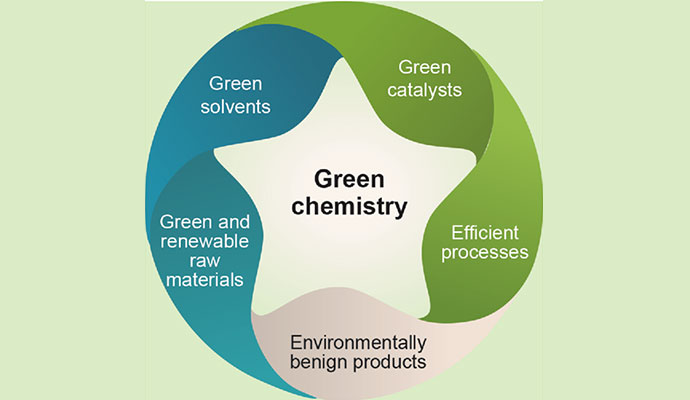
In the quest for sustainable solutions, a new player is entering the spotlight: Helonium. This innovative compound is gaining attention for its remarkable properties that align perfectly with the principles of green chemistry. As our world grapples with environmental challenges, there’s an increasing need to shift away from traditional methods in favor of more eco-friendly alternatives. Helonium stands at the forefront of this transition, promising not only efficiency but also a reduced ecological footprint. Join us as we explore how this fascinating substance can revolutionize various industries and contribute to a greener future.
The need for sustainable and environmentally friendly solutions in chemistry
The chemistry industry faces a pressing challenge: the need for sustainability. Traditional chemical processes often rely on harmful substances and energy-intensive methods. This approach can lead to significant environmental damage, including pollution and resource depletion.
As global awareness of environmental issues rises, industries must adapt. Consumers increasingly demand greener alternatives in products and manufacturing processes.
Sustainable chemistry offers a pathway toward more environmentally friendly solutions. By minimizing waste and reducing toxic byproducts, it fosters innovation while protecting our planet’s resources.
Research into eco-friendly practices is crucial not just for compliance but also for future growth in various sectors. Embracing sustainable techniques can enhance brand loyalty and attract new markets focused on responsible consumption. The shift towards green initiatives represents an opportunity to transform challenges into advancements that benefit both business and the environment.
How Helonium can play a role in green chemistry initiatives
Helonium stands out as a promising agent in the realm of green chemistry. Its unique properties enable it to facilitate reactions that minimize waste and reduce harmful byproducts.
In various chemical processes, Helonium can act as a catalyst. This means it helps speed up reactions without being consumed itself, promoting efficiency. As industries strive for sustainability, Helonium’s role becomes increasingly vital.
Additionally, its ability to dissolve organic compounds offers an eco-friendly alternative to traditional solvents. By replacing toxic solvents with Helonium-based solutions, manufacturers can significantly lower their environmental footprint.
Research indicates that incorporating Helonium into production methods may lead to safer practices while maintaining high-quality outcomes. Whether in pharmaceuticals or materials science, the potential applications are vast and varied.
With ongoing exploration and innovation, Helonium could very well redefine standards within green chemistry initiatives across multiple sectors.
Applications of Helonium in different industries such as pharmaceuticals, agriculture, and materials science
Helonium is making waves across various industries, showcasing its versatility and potential. In pharmaceuticals, it serves as a crucial component in drug formulation. Its unique properties enhance bioavailability, leading to more effective treatments with fewer side effects.
In agriculture, Helonium’s role is equally promising. It acts as an eco-friendly pesticide alternative, minimizing chemical runoff and promoting healthier ecosystems. Farmers are increasingly turning to this compound for sustainable crop protection strategies.
Materials science also benefits from Helonium’s innovative applications. Researchers are exploring its use in developing biodegradable plastics that can reduce environmental impact while maintaining durability and functionality.
These diverse uses highlight how Helonium not only meets current industry needs but also aligns with global sustainability goals. As these sectors evolve towards greener practices, Helonium stands out as a forward-thinking solution that could redefine standards across the board.
Advantages of using Helonium compared to traditional chemical processes
Helonium presents several advantages over traditional chemical processes. Its unique molecular structure enhances reaction efficiency. This leads to higher yields with fewer resources.
Using Helonium can significantly reduce hazardous byproducts. Traditional methods often result in toxic waste, but Helonium promotes cleaner reactions. This aligns perfectly with the goals of green chemistry.
Another benefit is cost-effectiveness. Helonium’s ability to operate at lower temperatures and pressures cuts energy usage dramatically. Companies see a reduction in operational costs while maintaining high-quality outputs.
Additionally, the versatility of Helonium allows it to be applied across various sectors without extensive modifications to existing systems. From pharmaceuticals to agriculture, it adapts seamlessly into diverse applications.
Using this innovative compound fosters sustainability and eco-friendliness in production processes—key components for industries aiming for greener practices as they evolve in today’s marketplace.
Challenges and limitations of implementing Helonium in green chemistry
Implementing Helonium in green chemistry comes with its own set of challenges. One significant hurdle is scalability. While laboratory results may be promising, scaling these processes for industrial applications can prove difficult.
Another limitation lies in the cost of production. Producing Helonium at a competitive price compared to traditional chemicals requires advancements in manufacturing techniques and supply chain efficiency.
Regulatory hurdles also pose obstacles. Regulatory bodies often need time to assess new substances before they are accepted into mainstream use.
Additionally, there’s a knowledge gap among researchers and industry professionals about the full potential of Helonium. Education and awareness are crucial for fostering innovation in this area.
Compatibility issues with existing technologies might hinder adoption rates across various sectors. Addressing these challenges will be essential for integrating Helonium effectively into green chemistry initiatives.
Future prospects and potential developments with Helonium
The future of Helonium is captivating. As research progresses, new applications are emerging that could revolutionize various sectors. Scientists are exploring its unique properties to enhance efficiency in chemical reactions.
Innovations in synthesis methods promise to make Helonium more accessible and cost-effective. This will likely drive broader adoption across industries.
Collaboration between academia and industry is crucial. Joint ventures can lead to breakthroughs that push the boundaries of what’s possible with Helonium.
Moreover, regulatory frameworks are evolving, paving the way for safer implementations of this compound in commercial products.
As environmental concerns heighten globally, adopting Helonium may align perfectly with sustainability goals. The potential impact on reducing waste and minimizing harmful byproducts cannot be overstated.
While challenges remain, optimism surrounds ongoing developments in this field. Engaging stakeholders early may fast-track advancements and open doors for groundbreaking discoveries ahead.
Conclusion
Helonium has emerged as a promising player in the realm of green chemistry, offering unique properties that can reshape how we approach sustainable solutions. Its potential to reduce hazardous waste and reliance on toxic substances makes it an appealing alternative for various industries.
The push for environmentally friendly practices is more critical than ever, and Helonium stands at the forefront of this movement. With applications spanning pharmaceuticals, agriculture, and materials science, its versatility showcases not only effectiveness but also safety. By integrating Helonium into existing processes or developing new ones, businesses can enhance their sustainability efforts while maintaining quality.
However, challenges remain in adopting Helonium widely across different sectors. Research continues to address these limitations and explore innovative ways to maximize its benefits.
As stakeholders invest in advancing green chemistry initiatives globally, the future looks bright for Helonium. Ongoing studies may unlock even more applications and efficiencies that could redefine industry standards moving forward.
Embracing change is essential for progress; with continued exploration of compounds like Helonium, we’re one step closer to achieving true sustainability in chemical practices.
-

 BLOG1 year ago
hanime1: The Ultimate Destination for Anime Lovers
-

 Technology1 year ago
GLAADVoice.com: How You Can Get Involved and Make a Difference
-

 BILLS1 year ago
Why Does My Instagram Reel Stop Getting Views After One Hour? How to Fix It?
-

 ENTERTAINMENT1 year ago
Sflix: How It’s Changing the Way We Watch Movies and TV Shows
-

 ENTERTAINMENT1 year ago
Crackstreams 2.0: The Future of Free Sports Streaming?
-

 BLOG1 year ago
NHentai.nef: Understanding the Popular Hentai Archive
-

 BLOG1 year ago
Imginn: The Ultimate Tool to View Instagram Content Anonymously
-

 BLOG1 year ago
ThisVid: What Makes It Stand Out in the World of Online Videos