
BUSINESS
What You Need to Know Before Opening a Restaurant


Opening a restaurant is a dream for many food enthusiasts and entrepreneurs. The allure of a bustling dining room, the aroma of signature dishes, and the satisfaction of a happy customer are powerful motivators. However, the hospitality industry is famously competitive, with a high barrier to entry and even higher stakes for long-term survival. Success requires more than just a great menu; it demands meticulous planning, financial savvy, and operational discipline.
Before you sign a lease or purchase your first commercial oven, here is what you need to know about navigating the complexities of the restaurant world.
Define Your Concept and Target Market
Every successful restaurant starts with a clear, well-defined concept. This is the “soul” of your business—it encompasses everything from the type of cuisine and service style to the interior design and brand voice. A vague concept often leads to a confused customer base.
Ask yourself: Is there a gap in the local market for this concept? Who is your ideal customer? Understanding your target demographics—age, income level, and dining habits—is critical for making informed decisions about pricing and marketing. Conduct thorough market research to identify your competitors and determine your Unique Selling Proposition (USP).
The Importance of a Prime Location
In the restaurant industry, location is frequently the deciding factor between a thriving business and a quiet one. A great concept in a poor location will struggle to gain traction. Consider factors such as foot traffic, visibility, and accessibility.
Beyond the physical storefront, you must also investigate the zoning laws and health department requirements for the specific site. A space that was previously a retail store may require significant and expensive upgrades to its plumbing, ventilation, and electrical systems to accommodate a commercial kitchen.
Strategic Financial Planning
Under-capitalization is one of the leading causes of restaurant failure. Most owners focus on the “start-up costs”—the initial renovations, furniture, and kitchen installations. However, you must also have enough working capital to cover operational expenses—such as payroll, utilities, and food costs—for at least six months to a year while the business builds a steady following.
Your financial plan should include a detailed breakdown of fixed and variable costs. Fixed costs include rent and loan payments, while variable costs fluctuate with sales volume. Finding the right balance between these expenses is key to maintaining a healthy profit margin.
Equipping Your Kitchen for Success
The kitchen is the engine of your restaurant. High-quality, reliable equipment is essential for maintaining consistency and efficiency during a busy service. From industrial-grade ranges and walk-in freezers to specialized POS systems, the costs can escalate quickly.
Smart entrepreneurs look for ways to preserve their initial cash reserves for marketing and labor. Securing an equipment line of credit can provide the necessary flexibility to acquire high-grade kitchen technology without depleting your liquid capital. This type of financing allows you to access funds as needed to purchase, upgrade, or replace essential machinery, ensuring your operations never miss a beat.
Licensing, Permits, and Regulations
The legal requirements for opening a food service business are extensive. You will need a variety of permits, including business licenses, health department certifications, and, in most cases, a liquor license. Each of these carries its own set of applications, fees, and inspection timelines.
It is vital to start this process early. Delays in obtaining a single permit can push back your opening date by weeks or even months, costing you thousands in rent for a space that isn’t yet generating revenue.
Building and Training Your Team
Your staff members are the face of your restaurant. Hiring the right people—and training them well—is paramount to the guest experience. Look for individuals who not only have the necessary skills but also fit your brand’s culture.
Once you have hired your team, invest in comprehensive training. This includes everything from menu knowledge and service standards to food safety protocols and conflict resolution. A well-trained staff is more efficient, makes fewer mistakes, and provides a high level of service that turns first-time visitors into loyal regulars.
In Conclusion
Opening a restaurant is a marathon, not a sprint. It requires a blend of passion, patience, and professional expertise. By focusing on a strong concept, choosing the right location, and securing flexible financing options, you can build a solid foundation for your culinary venture.
While the journey is challenging, the reward of seeing your vision come to life is unparalleled. With the right preparation, your restaurant can become a staple of the community for years to come.


Starting an apparel business is about more than creating attractive clothes. Customers also need a reason to remember your brand, trust it, and choose it over dozens of similar options.
That is where branding becomes important.
For an apparel business, branding shapes how people recognize your products, what they expect from your business, and how they feel when interacting with you. Your logo is only one part of it. Your colors, packaging, product photography, social media presence, messaging, labels, and customer experience all contribute to the bigger picture.
So, why does branding matter so much for an apparel business?
1. Branding Helps You Stand Out
The apparel market is crowded. Customers can find countless brands selling similar T-shirts, hoodies, dresses, activewear, or accessories.
A strong brand gives your business a recognizable identity.
Think about what makes your apparel company different. Maybe you focus on minimalist fashion, sustainable materials, streetwear, luxury clothing, affordable basics, or locally inspired designs. Your branding should communicate that difference consistently.
When customers can quickly understand what your brand represents, they have an easier time deciding whether it is right for them.
2. It Builds Recognition and Trust
People tend to feel more comfortable buying from businesses they recognize.
Consistent branding helps create that familiarity. Using the same visual style, colors, typography, tone of voice, packaging, and messaging across your website, social media, store, and products makes your business feel more established.
Trust is especially important for online apparel businesses because customers cannot physically inspect the clothing before purchasing. Professional presentation can help reinforce the impression that your business takes its products and customers seriously.
3. Branding Can Increase Perceived Value
Branding does not automatically make an inexpensive product premium, but thoughtful presentation can influence how customers perceive the overall product experience.
Imagine receiving a well-made garment in attractive packaging with a consistent brand identity rather than receiving the same garment in generic packaging. The physical presentation becomes part of the customer’s experience.
This is why packaging deserves attention alongside your clothing designs. For example, using custom brand shopping bags can turn an ordinary purchase into a more recognizable brand interaction.
The goal isn’t simply to make packaging look expensive. It should feel appropriate for your target customer and reflect what your apparel brand stands for.
4. It Creates a More Memorable Customer Experience
A customer doesn’t experience your brand only when wearing your clothing.
They may first discover you on Instagram, visit your website, read product descriptions, place an order, receive the package, open it, wear the product, and eventually interact with your business again.
Every one of these moments contributes to their perception of your brand.
When those experiences feel connected, your business becomes easier to remember.
Even small details can contribute to this experience, including garment tags, thank-you cards, tissue paper, packaging, shopping bags, and the language used in customer service.
5. Reusable Packaging Can Extend Brand Exposure
One interesting advantage of branded reusable bags is that their usefulness can continue after the original purchase.
A customer might use a branded bag for shopping, work, travel, or everyday errands. Each additional use can put your brand in front of other people.
Research and industry discussions around reusable shopping bags increasingly highlight this ability to turn packaging into a longer-lasting brand touchpoint.
For promotional campaigns, events, launches, or customer giveaways, a custom promotional reusable bag can therefore serve two purposes: it provides something useful while keeping your brand visible beyond the original interaction.
6. Strong Branding Supports Customer Loyalty
Brand loyalty usually isn’t created by a logo alone.
Customers become loyal when the product, experience, values, communication, and service consistently meet their expectations.
For an apparel business, this might mean:
- Consistent product quality
- A recognizable visual identity
- Reliable customer service
- Packaging that matches the brand
- Clear and honest product information
- A brand personality customers can relate to
- Products that deliver what the brand promises
When these elements work together, customers have more reasons to return instead of choosing a competitor based only on price.
7. Branding Gives Your Marketing a Clear Direction
Strong branding also makes marketing easier.
Instead of creating every social media post, advertisement, email, or product campaign from scratch, you have an established identity to guide your decisions.
Your brand can help answer questions such as:
- What should our content look and sound like?
- Which customers are we trying to reach?
- What values should we communicate?
- Which products should we highlight?
- What type of imagery represents us?
- How should customers feel when they interact with us?
This consistency makes marketing more recognizable and can help prevent your business from appearing different from one platform to another.
How Can I Build a Strong Apparel Brand?
Start with the basics rather than trying to change everything at once.
Define your target audience and determine what your brand should represent. Then develop a consistent visual identity and apply it across your products and customer touchpoints.
Pay particular attention to the areas customers actually experience:
- Product design and quality
- Logo and visual identity
- Website and social media
- Labels and tags
- Packaging
- Shopping bags
- Customer service
- Brand messaging
Most importantly, make sure your branding reflects the actual business. A brand should not promise one experience while delivering another.
Final Thoughts
Branding is important for an apparel business because it gives your products an identity beyond the clothing itself. It can help customers recognize your business, understand what makes you different, develop trust, and remember their experience.
The strongest apparel brands don’t treat branding as decoration. They make it part of the entire customer journey—from discovering a product to receiving it and eventually coming back for another purchase.
When your branding is consistent, useful, and authentic to what your business actually offers, it becomes an asset that supports the customer relationship rather than simply another marketing expense.

Face-to-Face Business Hasn’t Lost Its Value
Businesses can reach potential customers without ever entering the same room. Video calls, social media, email campaigns, webinars, and digital advertising have made it possible to connect with people almost anywhere. So, why spend the money and time attending a trade show? The answer comes down to something digital channels still struggle to replicate: genuine face-to-face interaction. Meeting someone in person provides a different kind of opportunity to build trust, answer questions, and understand what a prospect actually needs. A five-minute conversation on a trade show floor can reveal details that might take several emails to uncover. For businesses selling complex products or services, those conversations can be particularly valuable. Digital marketing may start a relationship, but personal interaction can make that relationship feel real.
Trade Shows Put the Right People in One Place
One of the hardest parts of marketing is reaching people who are genuinely interested in what a company offers. Trade shows solve part of that problem by gathering professionals around a specific industry, product category, or business challenge. Of course, not every attendee will become a customer. That shouldn’t be the expectation. The bigger advantage is access to a concentrated audience that already has some connection to the market. Exhibitors can meet potential buyers, suppliers, distributors, partners, and even future employees during the same event. This makes preparation especially important. Teams should know who they want to reach before arriving and have a clear way to identify promising opportunities instead of treating every booth visitor exactly the same.
A Booth Can Make a Brand More Memorable
Think about how many digital advertisements the average person scrolls past without really noticing. At a trade show, businesses have considerably more room to create an experience people remember. Products can be demonstrated, questions can be answered immediately, and visitors can physically interact with a brand. Companies using exhibit rentals can also adapt their booth layout and presentation to suit different events rather than assuming one setup will work equally well everywhere. Still, bigger and flashier isn’t automatically better. A successful booth should communicate what the company does quickly. Attendees shouldn’t need several minutes to figure it out. Clear messaging, approachable staff, useful demonstrations, and comfortable spaces for conversation can be far more effective than filling every available inch with graphics and screens.
Conversations Provide Valuable Market Intelligence
Trade shows aren’t only sales opportunities. They’re also remarkably useful research environments. Where else can a business have dozens of direct conversations with customers, prospects, competitors, and industry professionals within a few days? Those interactions can uncover concerns that aren’t obvious in analytics reports. Prospects might repeatedly ask about a feature the company hasn’t prioritized, for example. Customers may mention a problem that could lead to a new service or product improvement. Even questions that don’t result in immediate sales can be informative. Businesses should encourage booth teams to record recurring comments and objections instead of focusing exclusively on contact information. After the event, those observations can help inform product development, marketing messages, sales materials, and future event strategies.
Digital Tools Actually Make Trade Shows Stronger
The rise of digital business hasn’t made trade shows obsolete. In many cases, it has made them more measurable. Companies can promote an appearance through social media before the event, schedule meetings online, capture leads digitally, and move contact information directly into a CRM. Follow-up campaigns can then be personalized based on conversations at the booth. That creates a useful bridge between physical and digital marketing. Instead of viewing a trade show as an isolated event, businesses can treat it as one stage in a longer customer journey. Someone might discover the company through a LinkedIn post, meet the team at a conference, attend an online demonstration afterward, and become a customer months later. Looking only at sales completed during the show would miss much of that value.
Measuring Results Requires More Than Counting Leads
A crowded booth certainly feels encouraging, but traffic alone doesn’t tell a company whether an event was successful. Businesses should establish meaningful goals before attending. Those might include qualified leads, scheduled sales meetings, partnership opportunities, product demonstrations, customer conversations, or movement within an existing sales pipeline. Tracking these outcomes makes it easier to compare events and determine where future budgets should go. Lead quality deserves particular attention. Twenty conversations with strong prospects may be far more valuable than collecting 300 email addresses from people with little purchasing intent. Companies should also track what happens weeks and months afterward. Some of the most valuable trade show opportunities simply need time to develop.
Making Trade Shows Part of a Bigger Strategy
Trade shows still matter because business remains personal, even when much of the buying process happens online. The smartest companies don’t choose between digital marketing and in-person events. They find ways to make the two work together. Before a show, digital channels can build awareness and schedule conversations. During the event, personal interaction can deepen relationships and uncover opportunities. Afterward, technology can support timely, relevant follow-up. The real question isn’t whether trade shows belong in a digital world. It’s whether a business is using them strategically enough to justify the investment. With clear goals, thoughtful preparation, strong conversations, and disciplined follow-up, a few days on the trade show floor can influence business long after everyone has packed up and gone home.
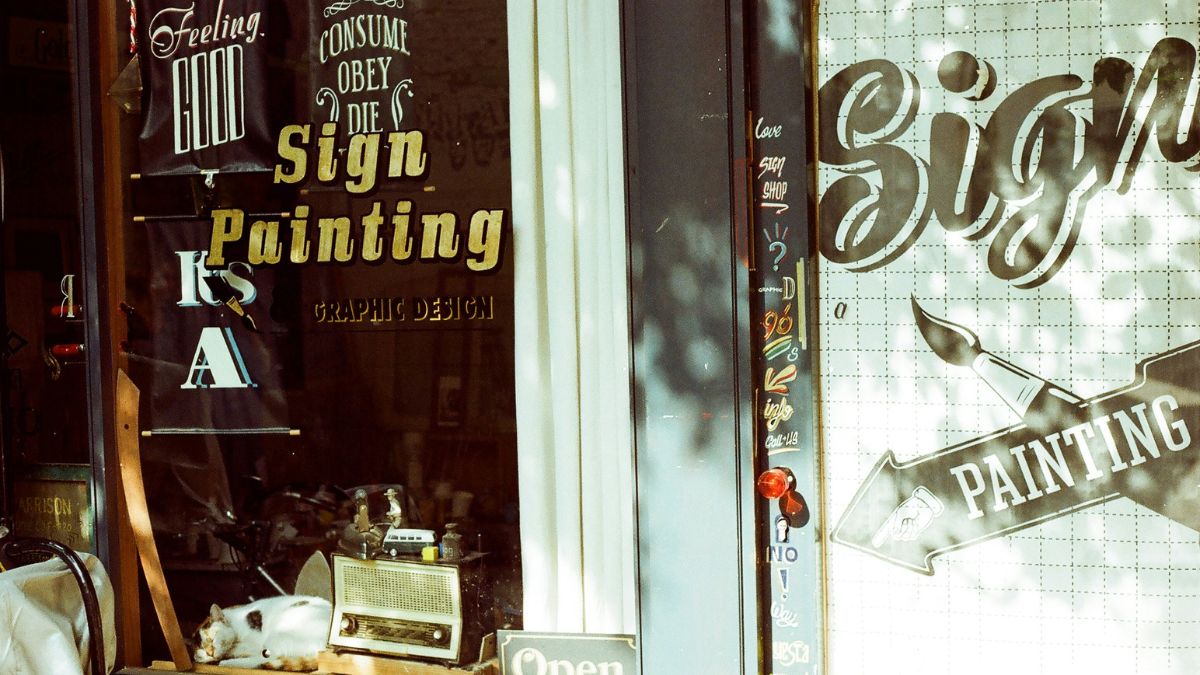
Businesses need to find effective ways to stand out and remain recognizable to potential customers. While digital marketing is valuable, physical branding can also create meaningful exposure in local communities. Custom signs, vehicle wraps, banners, and business graphics can help companies communicate their identity wherever customers encounter them.
Here are six practical ways to use custom signs and wraps to promote your business.
1. Turn to SpeedPro Canada for Custom Signs and Wraps
Working with an experienced signage provider can make it easier to develop visual materials that represent your brand professionally. Businesses looking for Business Graphics | Signs & Wraps | – SpeedPro Canada can explore options designed around their branding, marketing goals, and physical spaces.
Vehicle graphics and wraps can turn company cars, trucks, vans, and other vehicles into mobile promotional tools. Including your business name, logo, website, phone number, and a concise message can help people recognize your company while vehicles travel between appointments and job sites.
2. Create Eye-Catching Storefront Signs
Your storefront is often one of the first things potential customers notice. A clear, professionally designed sign can help people identify your business and understand what you offer.
Consider factors such as sign size, placement, typography, imagery, and viewing distance. The design should be easy to read without overwhelming viewers with excessive information. A recognizable storefront can also reinforce your brand identity for returning customers.
3. Use Signs to Promote Special Offers and Services
Custom signage can provide an effective way to communicate promotions, seasonal offers, new services, and important announcements. Temporary signs can be updated as campaigns change, while permanent signs can communicate core services.
Keep promotional messaging concise and include a clear call to action when appropriate. Signs placed near entrances, windows, reception areas, or other relevant locations can help communicate offers to people already near your business.
4. Strengthen Branding Across Multiple Locations
Consistent branding can make your company easier to recognize across different marketing channels. Using similar logos, typography, imagery, and messaging across vehicle wraps, storefront signs, banners, and business graphics can create a cohesive visual identity.
When customers encounter consistent branding in different locations, they may more easily connect those experiences with your company. Before producing multiple signage products, establish visual guidelines that can be applied consistently.
5. Use Directional and Event Signage
Not every sign needs to focus directly on advertising. Directional signage can help customers find entrances, parking areas, offices, meeting spaces, and event locations while still reinforcing your brand.
Businesses can also use branded displays at trade shows, community events, pop-ups, and sponsorship activities. Combining useful information with professional branding can improve the customer experience while increasing visibility.
6. Promote Your Business in High-Traffic Areas
Strategic placement can help your signage reach more people. Depending on local regulations and property requirements, signs can be positioned where pedestrians, drivers, and nearby customers are likely to notice them.
Consider visibility, lighting, viewing angles, surrounding distractions, and the amount of time people have to see your message. Simple designs with strong branding can communicate your business quickly, particularly in busy environments.
Making Custom Signs and Wraps Work for Your Business
Custom signs and wraps can support a broader marketing strategy by giving businesses additional opportunities to build visibility and recognition. From mobile vehicle advertising and storefront signs to promotional displays and event graphics, each application can serve a different purpose.
The most effective designs typically combine clear messaging, consistent branding, professional presentation, and strategic placement. By choosing signage that aligns with your business goals and target audience, you can create physical marketing materials that help keep your brand visible in the places where your customers spend time.
-

 BLOG1 year ago
hanime1: The Ultimate Destination for Anime Lovers
-

 Technology1 year ago
GLAADVoice.com: How You Can Get Involved and Make a Difference
-

 BILLS1 year ago
Why Does My Instagram Reel Stop Getting Views After One Hour? How to Fix It?
-

 ENTERTAINMENT1 year ago
Sflix: How It’s Changing the Way We Watch Movies and TV Shows
-

 BLOG1 year ago
NHentai.nef: Understanding the Popular Hentai Archive
-

 BLOG1 year ago
Imginn: The Ultimate Tool to View Instagram Content Anonymously
-

 ENTERTAINMENT1 year ago
Crackstreams 2.0: The Future of Free Sports Streaming?
-

 BLOG1 year ago
ThisVid: What Makes It Stand Out in the World of Online Videos