
BLOG
Suzuki Fuel & Oil System Components Guide: What to Check First When Performance Drops

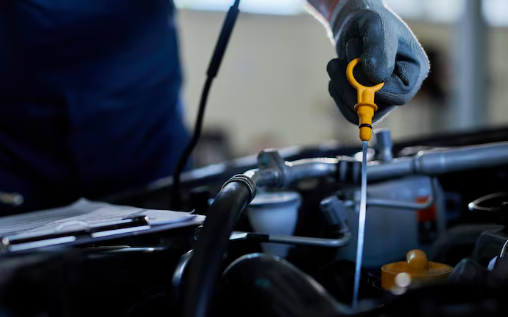
When a Suzuki outboard starts acting up, the cause is often smaller than the symptom suggests. Hard starting, hesitation, rough idle, surging, and warning alarms can all begin with a minor weak point in the fuel or oil system.
The goal is not to replace parts blindly. It is to trace the symptom to the right system, inspect the parts most likely to fail first, and then choose compatible replacements. Once you know the issue is fuel-related, the correct category of Suzuki parts fuel components can help narrow the repair without turning it into guesswork.
How to Diagnose Suzuki Fuel and Oil System Issues Without Guessing
Begin with when the problem happens. An engine that struggles on cold start points to a different diagnostic path than one that idles well but bogs when the throttle opens. A warning alarm should also be treated differently from a performance complaint, even if both happen during the same trip.
Use the symptom to decide your first inspection path:
- Starting or idle issues: look for poor priming, stale fuel, filter restriction, or unstable low-speed fuel supply.
- Bogging or surging: focus on flow under load, including the tank, venting, hoses, fittings, and pump-side delivery.
- Alarms or oil warnings: inspect oil level, oil-side hardware, caps, lines, and any engine-specific warning conditions before assuming a mechanical failure.
This approach keeps the repair logical. Fuel delivery problems usually affect how consistently the engine receives clean fuel. Oil-system issues are more about lubrication supply, monitoring, and system integrity. Some symptoms overlap, but the inspection should not.
Before ordering, decide whether the suspect part is a normal wear item or a more durable component. Filters, hoses, primer bulbs, seals, clamps, and connectors often age out first. Pumps, tanks, fittings, and oil-delivery hardware may fail too, but they deserve a more deliberate diagnosis.
What Suzuki Fuel and Oil System Components Usually Include
A Suzuki fuel system is made up of the parts that store, move, filter, and deliver fuel to the engine. Depending on the setup, that can include fuel lines, primer bulbs, filters, water-separating filter assemblies, connectors, clamps, fittings, fuel pumps, and tank-related hardware.
Oil-system components vary more by engine configuration. They may include oil tanks, caps, lines, delivery parts, seals, sensors, and mounting or connection hardware. On engines with oil-related alerts, these parts become especially important because a compromised component can trigger a warning before the operator notices a running issue.
The important point is that these systems are only as reliable as their weakest connection. A clean filter will not help if the hose feeding it is cracked. A secure fitting will not solve a venting restriction. A new cap may not matter if the seal below it is damaged.
The Most Common Mistakes Owners Make
Many owners start with the part they can see instead of the part the symptom actually suggests. A primer bulb, for example, is easy to blame, but it may only be reacting to a restriction or air leak elsewhere.
Another common mistake is treating one failed part as an isolated event. If a hose end is brittle, the clamp is corroded, or a connector no longer seats cleanly, nearby parts may be in a similar condition. Reusing them can leave the original problem partially unresolved.
The third mistake is ordering by appearance. Marine components can look nearly identical while differing by model, year, horsepower, or system layout. Fitment should be confirmed with exact engine information, not a visual match.
Why Shopping for the Fuel and Oil System as a Group Saves Time
Looking at the system as a group does not mean replacing everything at once. It means building a complete parts list for the repair you have already diagnosed.
If a filter is being replaced, check whether the seals, fittings, or clamps involved in that service should be refreshed at the same time. If a fuel line is damaged, inspect the connector and attachment points before placing the order. If an oil tank cap or line is suspect, review the related seals or hardware before assuming the single visible part is enough.
This prevents one of the most frustrating repair delays: fixing the obvious item, then discovering that a small supporting component was also needed. For owners who trailer to the water or travel for boating weekends, a missed clamp or connector can cost more in lost time than the part itself.
Why Small Fuel or Oil Components Often Cause Big Repair Delays
Small components create big delays because they sit at critical control points. Fuel filters affect flow quality. Primer bulbs affect priming. Connectors and clamps affect sealing. Hoses affect both flow and air intrusion. Oil caps, lines, and seals help maintain the integrity of the oil side.
When one of these parts fails, the symptom can feel like a larger engine problem. A motor that loses power under load may seem to have a major performance issue, but the cause could be restricted fuel flow. A warning may feel severe, but the first step is still to inspect the relevant system and confirm the source.
The costliest mistake is rushing the diagnosis. Replacing the wrong component adds downtime, shipping delays, and another round of troubleshooting. A better approach is to identify the system involved, inspect the likely failure points, and order the correct compatible parts once.
Quick Inspection Checklist Before Ordering
| Checkpoint | What to Confirm |
| Symptom timing | Cold start, idle, acceleration, cruising, or alarm event |
| Fuel quality | Water, debris, stale fuel, or visible contamination |
| Flow path | Tank, vent, hose routing, primer bulb, filters, fittings |
| Oil-side condition | Oil level, cap seal, lines, tank condition, warning behavior |
| Wear signs | Cracks, stiffness, swelling, corrosion, loose clamps |
| Fitment | Exact Suzuki model, horsepower, year, and system category |
Do this inspection with the engine off and in a safe, ventilated area. If the issue involves alarms, repeated stalling, fuel leakage, or oil delivery concerns, do not keep running the engine to “test it” until the cause is understood.
FAQ
Why does my Suzuki outboard run fine at idle but bog under throttle?
That pattern often points to a flow problem that only appears when demand increases. The first checks are fuel quality, tank venting, filters, hoses, fittings, and pump-side delivery.
Can a bad primer bulb cause performance problems?
Yes, but it is not always the root cause. A primer bulb that collapses, will not stay firm, or feels unusually soft may indicate restriction, air intrusion, or a bulb that has aged out.
When should I suspect an oil-system issue instead of a fuel issue?
Suspect the oil side when the concern involves oil warnings, visible oil leakage, damaged oil lines, low oil supply, or components tied to the engine’s lubrication system. Performance symptoms alone are not enough to assume an oil fault.
Is it safe to keep running the engine if the problem comes and goes?
Intermittent symptoms should still be taken seriously. A temporary restriction, air leak, or oil-side warning can become more severe under load. Inspect before the next trip rather than waiting for the issue to become consistent.

Key Highlights
- A reliable gold broker in Adelaide should base offers on live gold prices, not guesswork.
- Secure gold transactions depend on visible testing, clear pricing, and valid ID checks.
- Local gold buyers in Adelaide can make the process faster, simpler, and easier to verify.
- Transparent brokers explain purity, weight, and market value before you commit.
- Vintari Gold Brokers stands out in Adelaide with front-of-you testing and instant payment options.
- Knowing the process helps you buy or sell with more confidence and less stress.
Introduction
Choosing the right gold broker in Adelaide can greatly impact your results and peace of mind. Whether selling bullion, trading jewellery for bars, or buying coins, you need a broker who ensures a clear and secure process. Trusted local service, transparent testing, live pricing, and honest guidance help you proceed with confidence.
Understanding the Role of a Gold Broker in Adelaide

A gold broker in Adelaide assists with buying or selling precious metals by focusing on pricing, purity, and verification. They guide you through testing, explain market values, and help ensure smooth transactions.
In Adelaide CBD and nearby areas, choosing a reputable dealer is crucial since not all operate transparently. The following sections outline what Adelaide gold buyers should expect from a broker and how local access benefits you.
What Does a Gold Broker Do?
A gold broker connects you to the gold market. If you’re selling bullion, jewellery, or other precious metals, the broker checks purity, weight, and value. If you’re buying, they explain products, prices, and the process.
A good broker makes pricing clear by showing how your items are tested and offers are calculated. This transparency helps you make informed decisions.
Look for visible testing, live market pricing, clear explanations, and professional service—a broker who walks you through each step earns your trust.
Why Choose a Local Gold Broker in Adelaide?
Choosing a local broker offers real advantages over remote dealings. Visiting a store in Adelaide lets you interact face-to-face, observe the process, and maintain control—important whether selling inherited items or investing in gold.
A local broker enables quick action when gold prices change. If prices rise over several days, you can respond immediately to capitalise on market conditions.
- Bring items in for instant valuation—no shipping delays
- Watch testing and pricing as it happens
- Ask direct questions about prices, purity, and payouts
- Complete transactions and receive payment faster
Key Qualities of a Trustworthy Gold Broker
Trust begins with visible professionalism. A trustworthy dealer explains each step, answers questions clearly, and shows how they determine pricing. This transparency ensures you understand the agreement before finalising any transaction.
Reputable bullion dealers keep the process organised, not rushed. Accreditation, visible testing, and clear payment methods indicate a broker’s seriousness. The points below will help you assess dealers with confidence.
Examining Licensing and Accreditation
To verify a gold broker in Adelaide, start by checking what you can confirm in-store: ask about credentials, testing methods, and how pricing links to live market rates. A reputable dealer should openly demonstrate their process.
Look for public credibility signals. Vintari Gold Brokers, for example, has 300+ ratings and consistent feedback praising clear pricing, professionalism, and transparent testing. While broader searches may mention the Better Business Bureau, focus on local proof and reliable service.
| What to Check | What It Tells You |
| Visible testing equipment | Broker relies on accurate methods |
| Clear explanation of purity/weight | Transparent valuation process |
| Live market-based pricing | Pricing follows current market rates |
| Strong customer ratings/reviews | Indicates reputation and professionalism |
Checking for Transparency and Professionalism
Transparency is a key sign of a trustworthy broker. At Vintari, all tests and valuations are conducted in front of you with certified Vanta X-Ray Fluorescence analysers, eliminating guesswork and vague pricing.
Scam risks are often easy to spot. Beware if a broker hides the testing process, gives unclear prices, or adds hidden fees. A professional broker ensures you fully understand the offer before accepting.
Red flags include:
- No clear explanation of purity, weight, or price
- Testing done out of sight
- Offers not tied to live market value
- Unexpected fees added late
The Process of Buying and Selling Gold in Adelaide
Buying and selling gold should feel structured, not stressful. Good brokers guide you through each step—identification, testing, pricing, and payment—making it easier to compare offers with your goals, whether you want quick cash or a long-term investment.
Since this is a financial decision, clarity is essential. The next sections explain how brokers manage purchases and how buyers assess your gold when you’re ready to sell.
Step-by-Step Guide to Buying Gold with a Broker
When buying physical gold, choose a reputable bullion dealer who explains the process clearly and handles transactions in person. This lets you ask questions, understand the product, and confirm pricing before paying.
A straightforward process makes buying easier. Whether you want gold bars or coins, work with a broker who is transparent and direct. Many customers have had positive experiences trading jewellery for gold bars with local brokers.
A typical buying process includes:
- Visit the broker to discuss your gold options
- Review live market prices
- Confirm product and transaction details
- Pay using an approved method and collect your purchase
Selling Gold: How Brokers Evaluate and Pay You
Selling starts when you bring your gold and valid ID. The broker checks purity, weight, and market value—at Vintari, this testing is done in front of you, helpful for jewellery, bullion, or inherited pieces.
Next, the broker explains the purity, weight, and price so you see exactly how your gold was valued. This transparency makes comparisons easier and builds trust.
If you accept the offer, payment can be made instantly by cash or bank transfer. So yes, you can get instant cash in Adelaide if the broker supports it and your transaction qualifies.
Documentation Required for Gold Transactions
Documentation is essential in secure gold transactions. It protects both you and the broker by confirming identity, enabling verification, and creating clear records of each sale. This is especially important when money and precious metals exchange hands quickly.
Proper record-keeping prevents confusion later. ID checks, receipts, and certificates ensure compliance and organisation. Here’s what to expect when visiting a broker in Adelaide.
Identification and Anti-Money Laundering Compliance
When buying or selling with trusted gold buyers in Adelaide, you’ll need valid ID. At Vintari, the process begins with an in-store visit and identification check—ensuring clear expectations from the start and safer transactions.
In Australia, ID checks are required for compliance and anti-money laundering. This shows the broker takes verification seriously—a positive sign for your security.
So, what do you need? Simply bring valid identification. Once verified, the broker can proceed to testing, valuation, and payment with a clear compliance record.
Receipts, Certificates, and Record-Keeping
After the transaction, your paperwork is nearly as important as the price. Receipts and records track what was sold or purchased, purity, and payment amount—key for financial security.
For buyers, certificates of authenticity are valuable, especially for investment bullion. Reputable dealers document everything to prevent confusion.
Keep these records:
- Receipt with transaction amount
- Purity and weight details
- Product information for bullion
- Certificates of authenticity
Evaluating the Value of Gold with Your Broker
Gold value isn’t based on appearance alone. Brokers consider price, purity, weight, and the overall gold market when determining worth. That’s why similar-looking pieces can have different values.
Understanding how market value is applied helps you evaluate offers confidently. The next sections explain key pricing factors and how purity and weight are measured.
Factors Influencing Gold Pricing in Adelaide
Gold brokers assess value by combining your item’s purity, weight, and current gold prices. At Vintari, offers are tied to live market rates for fair and accurate pricing.
Gold prices can change in days, affecting your payout. This volatility makes gold a useful tool for diversification alongside other assets.
Key pricing factors:
- Live market price at valuation
- Item purity
- Total weight (grams)
- Item type (jewellery or bullion)
How Brokers Assess Gold Purity and Weight
Purity and weight are key factors in gold valuation. A broker measures the item’s actual gold content and weight, usually in grams, to determine value based on current prices. This method applies to jewellery, bullion, and bars.
At Vintari, testing is done in your presence using certified Vanta X-Ray Fluorescence analysers for transparency and trust.
The payout guide shows how purity affects price—24ct, 22ct, 18ct, 14ct, and 9ct all have different per-gram rates. Once purity and weight are confirmed, the offer is clear and easy to understand.
Conclusion
In conclusion, choosing the right gold broker in Adelaide is essential for secure and successful transactions. A reputable broker values transparency, professionalism, and regulatory compliance. By assessing brokers carefully and understanding the process, you can protect your investment. Staying organised with documentation also ensures smooth transactions. For expert support with your gold investments, contact Vintari Gold Brokers.

Have you ever driven down the highway behind a massive semi-truck, glanced at the towering mound of steel pipes or wooden pallets strapped to the flatbed, and felt a sudden knot of anxiety in your stomach? That instinctive fear is entirely justified. When cargo breaks free from a commercial vehicle at highway speeds, it transforms into a deadly projectile, threatening everyone sharing the road.
Cargo securement failures stand among the most terrifying and preventable causes of commercial motor vehicle accidents nationwide. While many motorists assume the truck driver bears automatic blame for everything happening on their rig, the reality of legal liability is far more complex. Multiple corporate entities, loading facilities, and maintenance teams often share responsibility when safety regulations are ignored, prompting many affected individuals to explore truck accident liability claims to hold negligent parties accountable.
The Hidden Danger of Unsecured and Improperly Loaded Freight
Improperly secured cargo creates extreme roadway hazards that destabilize heavy vehicles and create sudden obstacle courses for trailing traffic. Federal safety regulations dictate strict standards for tie-downs, chains, blocking, and bracing, yet operations frequently cut corners under tight shipping deadlines.
4% to 5%: According to Federal Motor Vehicle Crash Causation data, cargo securement failures contribute directly or indirectly to thousands of commercial transport incidents annually, causing severe traffic blockades, secondary multi-vehicle collisions, and fatal roadway intrusions.
When cargo shifts or spills, it triggers severe primary dangers on our highways. Heavy freight shifting during a turn or sudden stop abruptly alters the truck’s center of gravity, which can easily flip a tractor-trailer or cause a dangerous jackknife. Additionally, loose items like lumber, steel coils, heavy machinery, and consumer goods fly off trailers, striking oncoming vehicles or forcing drivers into sudden, dangerous swerves.
Why Cargo Shifting Destabilizes Commercial Semi-Trucks
Physics dictates that a moving vehicle’s momentum depends heavily on mass distribution. When a 40-ton commercial truck carries shifting cargo, centrifugal forces during standard highway curves can overpower standard tie-downs if they are worn, loose, or improperly rated for the load.
Drivers navigating downhill grades or sharp interstate ramps face exceptional vulnerability. If a multi-ton steel coil breaks its moorings inside a dry van or flatbed trailer, it can smash directly through the front bulkhead of the trailer, pierce the cab, and crush the driver before spilling out onto oncoming lanes.
Untangling Liability: Who Is Responsible When Freight Breaks Free?
Determining fault in a commercial vehicle crash involving spilled cargo requires a thorough investigation of the entire shipping supply chain. Liability rarely rests on a single pair of shoulders; instead, responsibility is typically shared among several commercial parties.
A comprehensive legal review looks well beyond the steering wheel to examine corporate compliance, loading protocols, and maintenance records across every level of the transportation network.
The Truck Driver’s Pre-Trip Inspection Duty
Commercial drivers carry a non-delegable legal duty to inspect their cargo before hitting the open road and at designated intervals during transit. Federal Motor Carrier Safety Administration (FMCSA) rules mandate that drivers check cargo tie-downs within the first 50 miles of a trip and every 150 miles or 3 hours thereafter.
If a driver fails to conduct these mandatory roadside checks, or ignores obvious signs of strap fraying and load shifting, they bear direct personal and professional liability for any resulting crashes.
Shippers and Third-Party Loading Facilities
In many commercial shipping arrangements, the driver is legally prohibited from opening or inspecting sealed containers loaded directly by the shipper. Under these shipper-load-and-count arrangements, responsibility shifts squarely onto the warehouse operators and loading crews who packed, stacked, and secured the freight inside the trailer.
When third-party loaders use incorrect dunnage, inadequate blocking, or inferior straps to maximize shipping speed, they create hidden hazards. If an improperly stacked pallet collapses inside a sealed trailer during transit, the resulting accident stems directly from a failure at the loading facility.
Carrier Companies and Maintenance Contractors
Motor carriers and trucking companies cannot escape liability simply by pointing fingers at their drivers or third-party shippers. Fleet operators are legally required to maintain all equipment, including flatbed tie-down anchors, winch straps, chains, and trailer walls, in safe, working condition.
If a trucking company pushes drivers to violate hours-of-service rules or skips routine equipment maintenance to cut costs, courts can find the carrier negligent for systemic safety failures and deficient hiring or training practices.
Proving Negligence in Cargo Securement Cases
Building a successful legal claim after a cargo-related truck crash demands rapid action and meticulous preservation of evidence. Commercial trucking companies and shippers routinely deploy rapid-response investigation teams to accident scenes within hours, making prompt legal representation essential for victims.
Investigations examine several key pieces of evidence. Electronic Logging Devices provide data showing driver hours, rest breaks, speed, and sudden braking events leading up to the crash. Bills of Lading and shipping manifests serve as documents detailing who loaded the cargo, its exact weight, and special handling instructions. Maintenance and inspection logs supply records verifying whether tie-down equipment was regularly serviced and certified. Furthermore, dashcam and traffic footage capture video recordings of the exact moment cargo broke free from the vehicle.
The Role of Expert Witnesses in Reconstructing Spills
Cargo securement litigation frequently relies on specialized engineering and transportation experts to reconstruct the mechanics of a spill. These professionals analyze weight calculations, friction coefficients, and tie-down tensile strength ratings to prove precisely why and how a restraint system failed.
Their technical testimony transforms complex engineering standards into clear, compelling evidence for judges and juries, ensuring that corporate negligence is laid bare and victims receive the justice they deserve.
BLOG
The Critical First Hour After a Road Accident: Actions That Can Protect Lives and Preserve Evidence

The minutes immediately following a collision are almost always chaotic. Adrenaline spikes, confusion sets in, and it’s easy to lose your bearings. Yet remaining grounded in those moments can prevent secondary injuries and save lives. Emergency responders often speak of the “Golden Hour,” referring to that initial 60-minute window after a crash where fast medical care and smart decisions make all the difference for your health and your legal rights.
Knowing the right actions to take following a serious crash gives you a clear mental blueprint when shock sets in. Your main focus right away needs to be securing the scene, getting medical help on the way, and making sure vital details don’t disappear before investigators arrive.
Secure the Scene and Stop Further Damage
Your top priority after any impact is keeping a bad situation from getting worse. Flip on your hazard lights right away, set out flare or triangle markers if you carry them, and step out of the car only when you’re certain it’s safe.
Secondary crashes happen far more often than most drivers realize. Highway safety data shows that secondary impacts make up nearly 20% of all freeway accidents. Taking a few seconds to mark the scene helps oncoming traffic spot the hazard before it turns into a pileup.
If the cars can still run and they’re stranded in live traffic, pull them over to the shoulder or a nearby parking lot. However, if someone is badly hurt or the vehicles are completely disabled, leave them as they are. Turn off the ignitions to lower any fire risk, and guide passengers to a safe spot well back from the roadway.
Call 911 and Get Evaluated On-Site
Dial emergency services immediately so paramedics and police officers are en route without delay. Tell the operator clearly about any visible injuries, people trapped inside, or leaking fluid so they know exactly what specialized gear to send.
Even if you think you walked away fine, let the EMTs check you over. According to the Centers for Disease Control and Prevention, motor vehicle crashes account for millions of emergency medical visits annually, often involving delayed-onset trauma. Traumatic events flood your body with adrenaline, which acts as a powerful temporary painkiller. Serious issues like internal bleeding, concussions, or soft tissue tears frequently take hours or even days to manifest symptoms.
“Adrenaline masks deep pain and physical shock,” explains Dr. Aris Thorne, an emergency trauma specialist. “Getting evaluated on-site puts an official medical record on the books, directly connecting any delayed symptoms to the crash.”
How to Capture and Protect Evidence Before It’s Gone
Physical evidence clears away fast once tow trucks arrive. Gathering clear proof while the scene is intact will make a massive difference when filing insurance claims or handling legal steps later.
Take Clear Photos and Videos
Photographic proof is hard to argue with. Before vehicles are towed or broken glass is swept up, pull out your phone and photograph the scene from several perspectives:
- Vehicle Damage: Capture close-ups and wide shots of every car involved, paying close attention to impact points, broken glass, and transferred paint.
- Road Conditions: Take photos of skid marks, road hazards, current weather, blocked signs, and street lighting.
- The Big Picture: Step back and take wide shots showing where the cars ended up relative to lane lines, signals, and turns.
Exchange Info without Getting Dragged into Arguments
Getting basic details from the other drivers is a legal requirement almost everywhere. Keep these interactions polite, brief, and purely factual:
- Full name and up-to-date phone number
- Driver’s license number and vehicle plate details
- Insurance provider and policy number
- Vehicle make, model, year, and color
Talk to Bystanders Before They Walk Away
Eyewitnesses offer neutral perspectives that carry heavy weight with insurance adjusters and judges. Try to talk to bystanders before they head off. Ask if they’d be willing to give a statement to the police officers on their way, and grab their names and phone numbers along with a quick note on what they saw.
Mind Your Words at the Scene
What you say out loud right after a crash can easily come back to haunt you. Keep every conversation strictly factual and resist the urge to speculate about what happened or who was at fault.
Avoid automatic reflex phrases like “I’m so sorry” or “I didn’t see you.” In legal proceedings, simple politeness is frequently spun into an admission of fault. Let the investigating officers and reconstruction experts look at the physical evidence to figure out liability.
File an Official Police Report and Organize Your File
A police report is the foundational document for almost every claim that follows. Make sure the responding officer writes up an official report, and don’t leave without writing down their name, badge number, and the report incident code.
When you get home, put all your notes, photos, witness numbers, and medical discharge sheets into one single folder. Then reach out to your insurance company to report the accident, sticking strictly to the factual details recorded in your police report.
-

 BLOG12 months ago
hanime1: The Ultimate Destination for Anime Lovers
-

 ENTERTAINMENT1 year ago
Sflix: How It’s Changing the Way We Watch Movies and TV Shows
-

 BILLS1 year ago
Why Does My Instagram Reel Stop Getting Views After One Hour? How to Fix It?
-

 ENTERTAINMENT1 year ago
Crackstreams 2.0: The Future of Free Sports Streaming?
-

 BLOG1 year ago
Imginn: The Ultimate Tool to View Instagram Content Anonymously
-

 BLOG1 year ago
NHentai.nef: Understanding the Popular Hentai Archive
-

 BLOG11 months ago
ThisVid: What Makes It Stand Out in the World of Online Videos
-

 Technology1 year ago
Simpcitt: The Rise of a Unique Online Community