
BLOG
How to Boost Warehouse Efficiency with Modern Pallet Transport Solutions

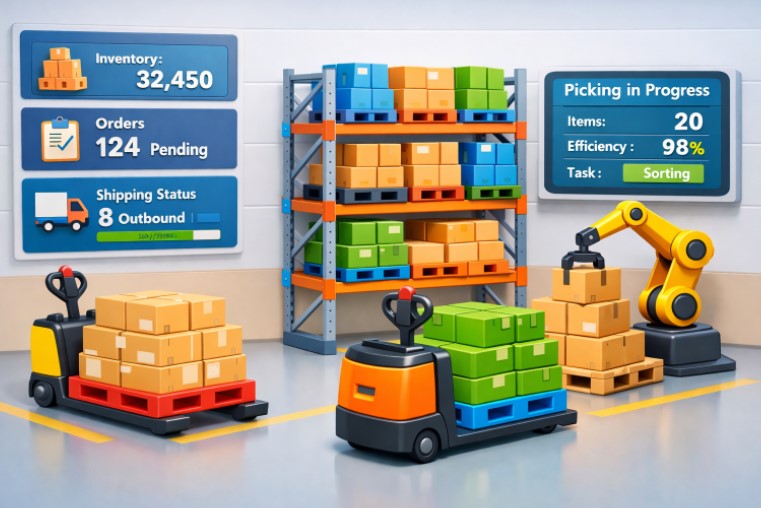
In today’s highly competitive logistics sector, warehouse operations must be both agile and cost-effective. Modernizing pallet transport solutions is one of the most impactful ways to achieve this, enabling warehouses to streamline workflows, increase throughput, and maximize resources. The adoption of advanced equipment like the pallet lifter illustrates the move toward smarter, more efficient material handling, making it easier to keep up with the rapid pace of e-commerce and global supply chains. Warehouses that upgrade transport processes can optimize labor, minimize downtime, and improve both storage density and order fulfillment rates. These advances foster safer environments for workers while delivering sustainability benefits by reducing carbon emissions and energy consumption. The latest solutions also integrate with existing digital infrastructure, enabling warehouses to adapt with minimal disruption and greater return on investment.
With the rise of smart warehousing, companies can now leverage technologies that automate repetitive tasks, use data to drive predictive maintenance, and reconfigure storage layouts on demand. As labor shortages and customer expectations increase, these systems provide critical support to warehouses, enabling faster, more reliable service. To succeed, warehouses must combine physical upgrades with digital enhancements, creating a flexible environment where technology augments human expertise. Investing in modern pallet transport is not just about new equipment; it is about transforming operations for greater competitiveness in a rapidly evolving market.
Upgrade to Electric Material Handling Equipment
Transitioning from traditional manual or fuel-operated pallet movers to electric equipment marks a crucial step toward sustainable, efficient warehouses. Electric forklifts and pallet trucks are technologically advanced, with streamlined designs that include fewer moving parts than their internal combustion counterparts. As a result, they require less maintenance and offer longer service intervals, resulting in less unexpected downtime for busy operations. Annual service costs for electric forklifts are often lower than those for diesel alternatives, and their quieter operation supports a safer workplace. Moreover, electric equipment directly supports environmental initiatives by reducing a warehouse’s carbon emissions and eliminating fuel-handling hazards. As regulatory standards for industrial emissions continue to tighten, electric material handling solutions are a future-proof investment for facilities of all sizes.
Implement Smart Pallet Racking Systems
Conventional racking can trap warehouses in inefficient patterns. By upgrading to modular, adjustable pallet racking, facilities can instantly reconfigure layouts to suit fluctuating inventories or seasonal peaks. Smart systems feature enhanced accessibility, integrate with automated retrieval devices, and reduce walking distances for operators. This layout flexibility improves order picking speeds, increases effective storage density, and minimizes the risk of aisle congestion. Racking configurability also helps warehouses accommodate new product lines without expensive expansions or major downtimes, supporting business growth and just-in-time inventory strategies.
Adopt Predictive Maintenance Practices
Predictive maintenance takes warehouse efficiency to the next level by leveraging real-time data from IoT sensors installed on transport equipment. These sensors track performance indicators, such as vibration, temperature, and operational hours, allowing managers to schedule service exactly when needed. This approach prevents costly breakdowns and reduces unnecessary maintenance. Warehouses that use predictive analytics can anticipate issues before they disrupt operations, reducing repair costs and increasing asset longevity. This data-driven maintenance model not only protects productivity but also helps prevent workplace safety incidents linked to equipment failure.
Utilize Digital Twin Technology
Digital twins enable managers to create and interact with a virtual model of their physical warehouse, allowing them to run simulations of layout changes, equipment upgrades, and workflow optimizations in a risk-free environment. The insights gained from these dynamic models help quickly identify bottlenecks and validate efficiency measures before implementation. With digital twins, decision-makers reduce the trial-and-error typically associated with change management. This innovation allows for strategic improvements without disrupting daily operations or risking costly missteps.
Enhance Warehouse Layout Design
Warehouse design directly impacts efficiency outcomes. By using CPU-based zoning to create specialized operational areas, facilities improve material flow and reduce labor requirements for repetitive tasks. This arrangement enhances throughput by logically grouping tasks and efficiently assigning them, ultimately reducing the time workers spend walking or searching for inventory. Well-planned zones facilitate the integration of robotics and automation, further increasing the flexibility and speed of warehouse operations. These designs are the foundation for scaling up order volumes while keeping operational expenses under control.
Implement Physics-Aware Robotic Palletization
Robotic palletization has matured with the integration of physics-aware systems that model load stability in real time. This advancement means robots can handle unpredictable item arrivals and automatically determine the most stable configuration for each palette, based on properties such as size, shape, and weight distribution. Online masking inference further enhances efficiency by adjusting stacking strategies during operation, ensuring that each layer is both stable and space-efficient. By leveraging robotics for palletization, warehouses increase throughput, reduce manual labor risks, and handle a wider array of products with unprecedented accuracy.
Conclusion
Adopting modern pallet transport solutions is a pivotal step in the ongoing evolution of warehouse management. By upgrading to electric equipment, installing smart racking systems, integrating predictive maintenance, utilizing digital twins, redesigning layouts, and embracing advanced robotic palletization, warehouses can unlock new levels of efficiency, cost control, and flexibility. These innovations not only meet today’s demands but also prepare businesses for the challenges of tomorrow’s logistics landscape.




The internet is filled with websites, platforms, and unfamiliar names that appear in search results without much explanation. SerialPressIt com is one such name that can attract attention simply because it sounds like it belongs to a publishing or digital content environment. For curious users, discovering an unfamiliar web name often leads to questions about its purpose, background, and place within the wider online ecosystem.
Rather than being immediately recognizable like a major publishing platform, SerialPressIt com represents the kind of online name that can become interesting through repeated searches and references. Its unusual combination of words makes it memorable while also leaving room for interpretation. Understanding why names like this attract attention provides a useful look at how people discover websites today.
What Is SerialPressIt com?
At its most basic level, SerialPressIt com is a web-oriented name that suggests a connection with publishing, serialized content, or digital communication. The word “Serial” can imply something released in parts or presented as a continuing series. “Press” naturally brings publishing to mind, while “It” gives the name a modern, technology-focused quality.
This combination creates a name that feels connected to online media without immediately revealing everything about its purpose. That ambiguity can actually contribute to curiosity. When people encounter an unfamiliar domain through a search engine, social reference, or online mention, they often want to understand what sits behind the name.
The important point is that a domain name alone does not establish the exact nature, ownership, or credibility of a website. Those details require direct verification and examination of the site’s available information.
Why SerialPressIt com Attracts Online Curiosity
One reason SerialPressIt com may catch the attention of internet users is its distinctive wording. Millions of domain names exist online, and unusual combinations can stand out when they appear in search results.
Search behavior also plays an important role. A person may encounter an unfamiliar name while reading an article, browsing a directory, checking a reference, or exploring search results. Once the name becomes noticeable, searching for it can create a second layer of interest.
This process is common across the web. A relatively unknown website does not necessarily need a huge audience to become searchable. A few references, indexed pages, or mentions can be enough to generate searches from people who want additional context.
SerialPressIt com and the Modern Content Landscape
The modern web is no longer dominated only by large media companies. Independent publishers, niche blogs, small editorial projects, content platforms, and specialized websites occupy a significant part of the online landscape.
SerialPressIt com fits naturally into a broader discussion about this fragmented digital environment. Today, users can discover content through search engines, social media, newsletters, online communities, and direct recommendations. This means an unfamiliar website can exist alongside much larger platforms while serving a completely different audience.
The growth of independent publishing has also changed what users expect from websites. Readers increasingly look for focused information rather than visiting only major general-interest publications. A smaller website can potentially build recognition around a particular subject, format, or publishing approach.
The Meaning Behind the SerialPressIt com Name
Names often influence how people perceive a website before they even visit it. The wording used in SerialPressIt com creates several possible associations.
“Serial” suggests continuity. It can describe stories, articles, updates, or other material released over time. “Press” has a long connection with journalism and publishing. Meanwhile, “It” can make the name sound more digital and contemporary.
Together, these elements create a name that sounds like it could belong to a modern publishing project. However, interpreting a domain name should not be confused with confirming what a website actually does.
For users researching an unfamiliar site, the most reliable approach is to look beyond the name and examine the website itself, its published material, contact information, about page, and other available details.
How Users Discover SerialPressIt com
There are many ways an unfamiliar domain can enter someone’s search history. Search engines remain one of the most common discovery channels, especially when a person comes across a name they do not recognize.
Another possibility is a reference from another website. Links can introduce users to pages they would never have discovered through ordinary browsing. Social platforms can also amplify unfamiliar names when users share articles, screenshots, discussions, or recommendations.
In some cases, people simply notice a domain while researching another subject. Once curiosity begins, the name itself becomes the search query.
This explains why obscure or unfamiliar domains can receive attention even without having the visibility of mainstream websites.
SerialPressIt com as a Searchable Identity
An interesting feature of the modern internet is that a website name can develop an identity of its own. Users may search the exact domain rather than a general topic because they want to learn what the name represents.
SerialPressIt com is an example of how a domain can become a searchable identity. The exact wording makes it possible for users to search specifically for the name rather than relying on broad keywords.
For website owners and digital publishers, this highlights the importance of creating recognizable branding. A distinctive name can make a digital project easier to remember, discuss, and search for later.
What to Check Before Trusting an Unfamiliar Website
When encountering any unfamiliar domain, curiosity should be accompanied by basic online awareness. Users can begin by checking whether the site clearly identifies its purpose and provides information about its operators.
It is also useful to examine the quality of the published content. Clear writing, transparent contact details, consistent information, and reasonable site navigation can provide useful context.
Users should also avoid assuming that a website is trustworthy simply because it appears in a search engine. Search visibility and credibility are different things.
The same principle applies when researching SerialPressIt com. The name itself can prompt investigation, but conclusions should be based on verifiable information rather than assumptions created by the domain name.
Why Unfamiliar Domains Matter
The broader significance of names like SerialPressIt com goes beyond one website. They demonstrate how large and diverse the internet has become.
For every major publication that attracts millions of visitors, countless smaller websites operate in specific niches or serve limited audiences. Some become successful brands, while others remain relatively obscure. Search engines give users a way to encounter both.
This creates an environment where discovery can happen unexpectedly. A person searching for one topic may find a small publishing project that leads them toward another area of information.
Final Thoughts on SerialPressIt com
SerialPressIt com is an intriguing example of an unfamiliar digital name that can encourage online curiosity. Its wording creates associations with serial content, publishing, and the modern web, while its exact significance depends on verifiable information about the platform itself.
The larger lesson is that the internet contains far more than its most recognizable websites. New domains, independent publishers, niche projects, and specialized content platforms continue to shape the digital landscape.
For anyone encountering an unfamiliar name, the best approach is straightforward: investigate the available information, examine the website carefully, and separate confirmed details from assumptions. That approach makes online discovery more useful while keeping the focus on reliable information.
-

 BLOG1 year ago
hanime1: The Ultimate Destination for Anime Lovers
-

 Technology1 year ago
GLAADVoice.com: How You Can Get Involved and Make a Difference
-

 BILLS1 year ago
Why Does My Instagram Reel Stop Getting Views After One Hour? How to Fix It?
-

 ENTERTAINMENT1 year ago
Crackstreams 2.0: The Future of Free Sports Streaming?
-

 ENTERTAINMENT1 year ago
Sflix: How It’s Changing the Way We Watch Movies and TV Shows
-

 BLOG1 year ago
NHentai.nef: Understanding the Popular Hentai Archive
-

 BLOG1 year ago
ThisVid: What Makes It Stand Out in the World of Online Videos
-

 BLOG1 year ago
Imginn: The Ultimate Tool to View Instagram Content Anonymously