
BLOG
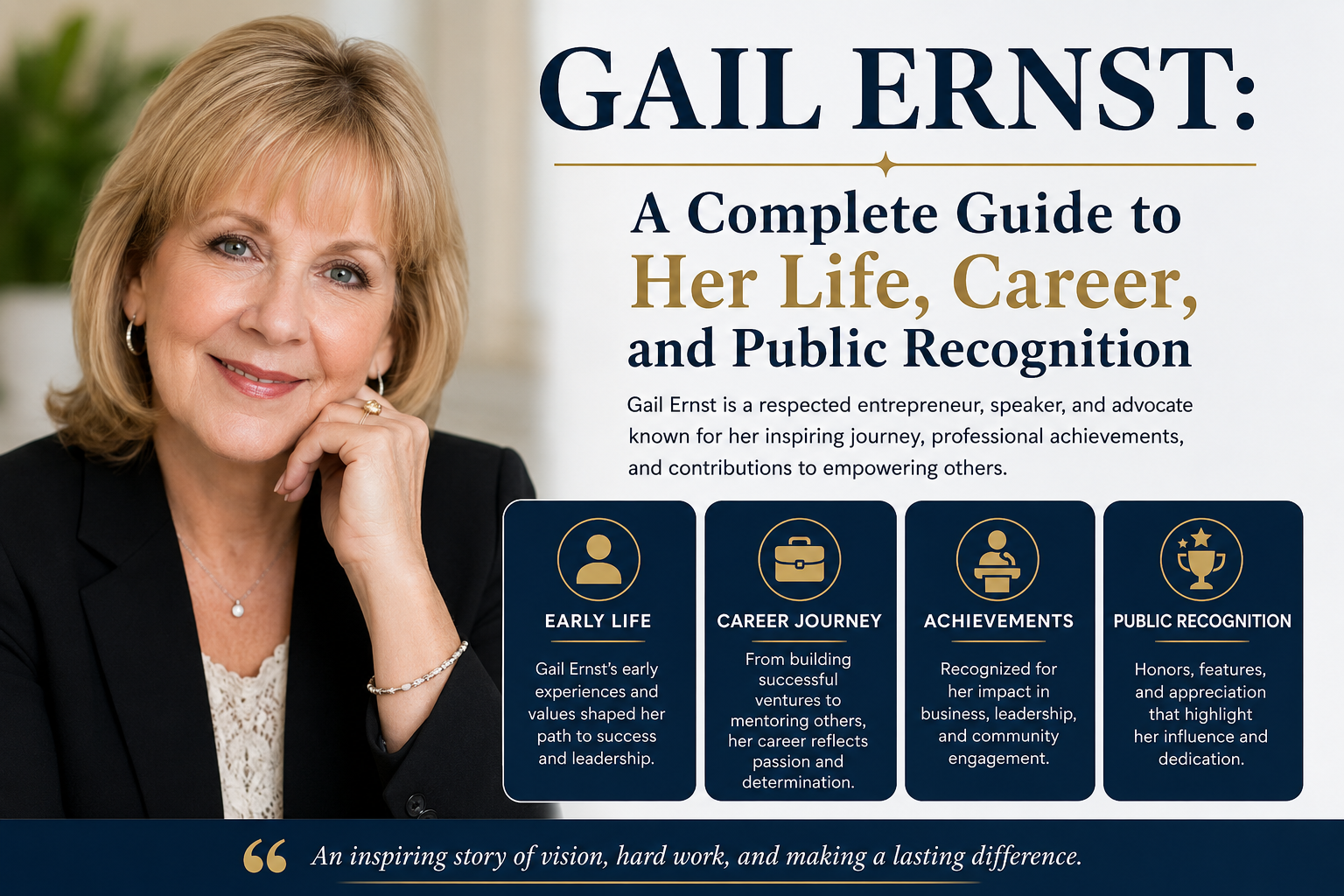
Gail Ernst: A Complete Guide to Her Life, Career, and Public Recognition



Oklahoma homeowners need home systems that can handle demanding summer heat, sudden cold snaps, heavy rain, high winds, and power interruptions. A practical seasonal routine can help identify small HVAC and plumbing concerns before they become disruptive comfort, water, or safety problems.
When an active leak, backed-up drain, or loss of water cannot wait, searching for an affordable emergency plumber near me in Tulsa OK can help homeowners quickly find local assistance. For everyday maintenance, however, knowing what to inspect each season is one of the best ways to protect a Tulsa-area home.
Table of Contents
- Why Oklahoma Weather Is Hard on Home Systems
- Spring HVAC and Plumbing Checklist
- Summer Cooling and Water-Saving Tasks
- Storm Preparation for HVAC and Plumbing
- Fall Heating and Plumbing Checklist
- Winter Pipe and Heating Protection
- Warning Signs That Need Fast Attention
- DIY Tasks and Professional Service
- A Simple Maintenance Plan
Why Oklahoma Weather Is Hard on Home Systems
Tulsa homes may need cooling during long, hot stretches, heating during freezing weather, and year-round storm readiness. Outdoor HVAC equipment can collect leaves, grass, and windblown debris. Exposed plumbing in crawl spaces, garages, and exterior walls can be vulnerable when temperatures remain below freezing. A clogged condensate drain or a small pipe leak may seem minor at first, but moisture can spread and cause more extensive damage if ignored.
Spring HVAC and Plumbing Checklist
Spring is a useful time to look over cooling equipment and water systems before summer demand increases. Focus on simple visible checks:
- Inspect the HVAC filter and replace it if it is dirty or damaged.
- Remove leaves, grass clippings, and stored items from around the outdoor condenser.
- Make sure supply and return vents are open and not blocked by furniture or rugs.
- Test the thermostat and note rooms that consistently feel warmer or cooler than others.
- Look under sinks and around visible valves for moisture, corrosion, or drips.
- Check floor drains, sump pumps, and crawl-space areas for standing water.
- Watch for recurring toilet clogs, slow drains, or sewer-like odors.
Summer Cooling and Water-Saving Tasks
During Oklahoma heat, airflow matters. A dirty filter can restrict air movement, while closed vents and blocked returns can make some rooms uncomfortable. Check the condensate drain area for water that is not draining as expected, and keep weeds, mulch, and belongings away from the outside unit.
Also pay attention to water use. Repair dripping faucets, inspect toilet bases for moisture, and consider faucet aerators where appropriate. An unexpectedly high utility bill can be a reason to check for plumbing leaks, reduced airflow, duct issues, insulation gaps, or equipment not operating normally. If indoor air feels persistently damp or muggy, a qualified HVAC technician can evaluate cooling performance and drainage.
Before severe weather arrives, make a household plan that includes utility shutoffs, emergency contacts, and a safe way to communicate. The Oklahoma Department of Emergency Management encourages residents to locate their home’s utility shutoffs before an emergency, rather than trying to find them during a burst pipe or storm-related problem.
- Label the main water shutoff and make sure responsible household members know where it is.
- Secure loose patio items and yard equipment that could strike an outdoor condenser.
- Clear gutters, downspouts, and nearby drainage paths before heavy rain.
- Do not touch electrical equipment that is wet or standing in water.
- After a storm, look for damaged wiring, water intrusion, unusual equipment noises, and blocked drainage.
- If an extended outage occurs, follow the equipment manufacturer’s instructions and avoid attempting electrical repairs.
Fall Heating and Plumbing Checklist
Fall is the time to test heating before the first truly cold night. Replace the filter, confirm vents are open, and listen for unusual noises during a normal heating cycle. Check smoke and carbon monoxide alarms according to their manufacturer’s instructions, including battery replacement where applicable.
Outside, disconnect garden hoses from exterior faucets. Inside, inspect exposed water lines in unheated areas and add suitable insulation where needed. Look around the water heater for rust, pooling water, or unusual sounds. Arranging needed repairs before the peak heating season can reduce the risk of losing heat in cold weather.
Winter Pipe and Heating Protection
Prolonged freezing temperatures can damage plumbing, particularly in vulnerable areas of a home. During a January 2026 cold event, Oklahoma emergency officials advised residents to protect water lines, open cabinet doors to circulate warm air around plumbing, and use water wisely when systems were strained. Their guidance on protecting pipes during extreme cold is especially relevant for homes with exterior-wall plumbing.
- Keep indoor temperatures steady when freezing conditions are expected.
- Open cabinet doors below sinks on exterior walls when it is safe to do so.
- Use a small faucet drip only when local guidance or a plumbing professional recommends it.
- Know the water shutoff location before a pipe bursts.
- Watch for low pressure, frost on pipes, damp spots, or unexplained water sounds.
- Never use an open flame to thaw a frozen pipe.
Warning Signs That Need Fast Attention
Some symptoms should not be ignored until the next seasonal inspection. Contact a qualified professional promptly for burning smells, gas odors, visible water pooling near HVAC equipment or a water heater, water stains on ceilings or walls, or repeated HVAC shutdowns. Other concerns include grinding or banging sounds, several slow drains at once, sudden low water pressure, major changes in water temperature, and rooms that remain unusually hot or cold.
What Homeowners Can Do and When to Call a Professional
Reasonable Homeowner Tasks
- Change a standard HVAC filter.
- Remove debris from around outdoor equipment.
- Test thermostats, smoke alarms, and carbon monoxide alarms.
- Clean hair and debris from drain strainers.
- Turn off the main water supply during a clear plumbing emergency, when the area is safe.
Tasks Best Left to Licensed Professionals
- Gas-line work, electrical repairs, and refrigerant service.
- Furnace, heat pump, boiler, or water heater repairs.
- Hidden leak detection and sewer-line repairs.
- Major drain blockages and equipment replacement.
How to Build a Simple Maintenance Plan
- Monthly: Check filters, look for visible leaks, test alarms, and inspect accessible equipment.
- Spring: Prepare cooling equipment, inspect drainage, and check outdoor plumbing connections.
- Summer: Monitor airflow, condensate drainage, water use, humidity, and utility bills.
- Fall: Test heating, protect exterior faucets, and insulate exposed water lines.
- Before storms: Clear drainage paths, secure outdoor items, and review utility shutoffs.
- After emergencies: Check for leaks, standing water, electrical hazards, and unusual system behavior.
Final Thoughts
A seasonal checklist provides Oklahoma homeowners with a manageable way to care for their HVAC and plumbing systems. Inspect what is visible, address warning signs early, prepare before severe weather, and leave specialized or unsafe work to qualified professionals. Those simple habits can help protect comfort, reduce avoidable damage, and make home emergencies easier to manage.

Living near the coast brings beach days, scenic drives, and year-round humidity, but it also creates conditions that can be tough on a vehicle. Salt air, sand, intense sun, heavy rain, and occasional flooding all call for a more deliberate maintenance routine. Drivers comparing options for coastal use can learn more about vehicles and features that fit their everyday needs.
Coastal driving does not automatically ruin a car, truck, or SUV. The difference usually comes down to consistent cleaning, timely inspections, and a practical plan for severe weather. A few small habits can help prevent corrosion, preserve comfort, and make the vehicle more dependable when conditions change quickly.
Why Coastal Conditions Are Hard on Vehicles
Salt can settle on paint, wheels, brake components, suspension parts, and the undercarriage. Humidity allows moisture to linger in seams, electrical connectors, and enclosed areas. Sand can scratch the clear coat, clog door tracks, and spread throughout the cabin, while prolonged heat places additional stress on tires, batteries, fluids, and the cooling system.
The goal is not to avoid the coast. It is to remove contaminants before they remain on the vehicle long enough to create trouble.
Vehicle Features That Matter Near the Coast
Choose a vehicle based on actual driving habits rather than appearance alone. Strong air conditioning, effective cabin filtration, durable interior materials, good visibility, and useful cargo space are often more valuable than oversized capability.
Useful Features to Compare
- Ground clearance for uneven access roads and standing water around parking areas.
- All-wheel drive or four-wheel drive for towing, unpaved travel, or specific local needs.
- Cargo room for beach gear, emergency supplies, luggage, and wet items.
- Trailer wiring, hitch equipment, and stable towing capacity for boat owners.
- Cameras, parking sensors, and safety features that help in rain, glare, and crowded lots.
A compact crossover may work well for commuting and weekend trips. A larger SUV or truck may be a better match for frequent towing, heavy cargo, or equipment storage.
How to Reduce Salt Air and Sand Damage
A freshwater rinse after driving on the waterfront is one of the simplest ways to protect a coastal vehicle. Focus on lower body panels, wheels, wheel wells, brake areas, and the undercarriage, where salt spray and wet sand commonly collect.
After Beach or Waterfront Driving
- Rinse exposed exterior surfaces as soon as practical.
- Remove sand from floor mats, cargo areas, door sills, and seat tracks.
- Dry door edges, liftgate seams, and other places where moisture can sit.
- Check paint chips and scratches that could expose bare metal.
- Inspect trailer connectors, tie-downs, and hitch hardware after saltwater exposure.
Preparing for Heat and Humidity
Hot pavement and long summer drives can increase tire heat, especially when tires are underinflated. Check pressure when tires are cold, follow the vehicle placard recommendation, and inspect sidewalls for cracking, bulges, or uneven wear.
Monthly Checks
- Test the battery and clean visible terminal corrosion.
- Check coolant and other fluid levels for signs of leaks.
- Replace worn wiper blades before heavy rain arrives.
- Clean or replace the cabin air filter if airflow becomes weak or musty.
- Confirm that exterior lights, brake lights, and turn signals work properly.
Building a Storm-Ready Vehicle
Storm preparation is most useful before roads become crowded and fuel stations are busy. Keep the fuel tank reasonably full, or maintain a suitable charge level for an electric vehicle, and review local alerts before leaving home. Federal guidance for driving in severe weather also emphasizes checking routes, watching for closures, and avoiding flooded roads.
Keep These Items in the Vehicle
- A phone charger, backup battery, flashlight, and extra batteries.
- Water, shelf-stable snacks, first-aid supplies, and paper emergency contacts.
- Jumper cables, basic tools, a tire inflator, and a tire repair kit.
- Reflective triangles or other roadside warning devices.
What to Do After Floodwater Exposure
Do not restart a vehicle that may have taken on floodwater. Hidden damage can affect electrical systems, brakes, mechanical components, and interior materials. If it is safe, document the water level and visible damage, contact the insurer, and arrange a qualified inspection before driving again.
Flood exposure requires special care for hybrid and electric vehicles because high-voltage components can pose serious hazards. Drivers and used-car shoppers can review steps to identify flood-damaged vehicles by checking title history, water lines, unusual corrosion, or musty odors.
A Simple Coastal Maintenance Plan
After Every Beach Trip
- Rinse salt, sand, and road spray from exposed areas.
- Shake out mats and inspect tires and lower body panels.
Every Month
- Check tire pressure, fluids, lights, wipers, and battery terminals.
- Look for paint chips, rust, damaged trim, and water trapped in seams.
Every Six Months and Before Hurricane Season
- Request an undercarriage, brake, suspension, steering, and cooling-system inspection.
- Refresh paint protection if needed, test the battery, and inspect the spare tire or repair kit.
- Update insurance documents, choose safer parking, and review evacuation routes.
What to Check When Buying a Used Vehicle
Look beyond mileage and shiny paint. Warning signs include musty smells, heavy air freshener use, water lines in the trunk or glove box, fresh, mismatched carpeting, rust beneath the vehicle, corroded connectors, and electrical features that do not work properly. An independent inspection and vehicle-history report are worthwhile safeguards before purchase.
Common Questions About Coastal Car Care
How Often Should a Coastal Vehicle Be Washed?
Wash frequency depends on exposure. Vehicles parked near salt air or used for regular beach trips benefit from more frequent freshwater rinsing than vehicles kept farther inland.
Is Four-Wheel Drive Required?
No. Most paved coastal roads do not require it. Choose it for towing, unpaved travel, weather conditions, and personal driving habits.
Can a Vehicle Drive Through Shallow Floodwater?
It is safer not to enter flooded roads. Water depth is difficult to judge, road surfaces may be damaged beneath the water, and moving water can quickly become dangerous.
Final Takeaway
Coastal car care is built on steady, practical habits. Regular rinsing, tire and battery checks, storm supplies, and prompt inspections can help a vehicle handle salt air, heat, humidity, rain, and sand with greater confidence over the long term.

GoldZeus.com is an online financial publication focused on gold investing, precious metals, market analysis, and financial education. For readers interested in understanding gold prices and exploring different investment options, GoldZeus.com offers articles covering subjects ranging from physical bullion to exchange-traded funds and broader economic developments. As interest in precious metals continues to attract investors, understanding the resources available online can make financial research more accessible.
Gold has played an important role in trade, savings, and wealth preservation for centuries. However, modern gold investing involves more than purchasing coins or bars. Investors also consider inflation, interest rates, currency movements, storage expenses, and alternative investment products. GoldZeus.com explores these connected subjects, giving readers a starting point for learning about the precious metals market and the factors that influence investment decisions.
What Is GoldZeus.com?
GoldZeus.com is a website dedicated to gold market information and investment-related education. Its published content covers investment strategies, physical gold, market developments, and comparisons between gold and other financial assets. The website presents itself as an independent publisher rather than a bullion dealer or brokerage. <Cite refs={[“turn161169search0″,”turn161169search3”]}/>
This distinction matters because financial information websites and investment service providers perform different roles. A publication can explain investment concepts, discuss market movements, and compare financial products without managing a reader’s money or executing transactions.
For beginners, GoldZeus.com can serve as an introductory resource for understanding precious metals. More experienced readers may explore its discussions of portfolio construction, gold-related funds, mining companies, and economic conditions.
As with any financial publication, readers should evaluate the quality of individual articles and confirm important claims through reliable sources before making decisions.
Key Features of GoldZeus.com
1. Gold Market Insights on GoldZeus.com
Gold prices fluctuate in response to several economic and market factors. Inflation expectations, interest rates, currency strength, central bank purchases, and international uncertainty can all influence investor demand.
GoldZeus.com publishes market-related articles that explore these developments and their potential relationship with precious metals. This coverage can help readers understand why gold prices change rather than viewing every price movement as an isolated event.
For example, lower interest rates may make gold more attractive relative to certain interest-bearing investments. However, the relationship is not automatic. Currency movements, investor expectations, and wider economic conditions can produce different outcomes.
Readers should remember that historical market patterns do not guarantee future results. Market commentary is most useful when it explains the evidence behind an argument instead of presenting predictions as certainties.
2. Physical Gold Investment Guides
Physical gold remains an option for people who prefer owning a tangible asset. Common forms include bullion bars and investment coins, although collectible coins can have additional considerations.
GoldZeus.com covers physical gold investing, including subjects related to purchasing, storage, and the practical decisions involved in owning precious metals. <Cite refs={[“turn161169search0″,”turn161169search3”]}/>
Before purchasing gold, buyers should understand the difference between the spot price and the final retail price. Dealers commonly charge premiums that reflect manufacturing, distribution, and other business costs. Selling gold may also involve a discount or transaction fee.
Storage is another important consideration. Keeping gold at home may create security concerns, while professional storage can involve recurring charges. Insurance, authenticity checks, and resale conditions also deserve attention.
Comparing several reputable dealers and understanding the total cost of ownership can help buyers avoid expensive mistakes.
3. Gold ETFs and Mining Stocks
Investors do not always need to purchase physical gold to gain exposure to the precious metals market. Financial products provide alternative ways to participate, although their structures and risks differ.
Gold exchange-traded funds, commonly called ETFs, allow investors to buy and sell shares through a brokerage account. Depending on the fund, its structure may involve physical gold, derivatives, or other arrangements. Investors should examine the fund’s official documentation to understand what it owns and how it operates.
Mining stocks offer another approach. These shares represent ownership in companies involved in gold exploration, production, or related activities. Their performance can depend on gold prices, operating expenses, management decisions, production levels, and political conditions in mining regions.
GoldZeus.com explores gold-related financial products as part of its investment coverage. Readers can use this type of material to compare investment methods and identify questions for further research.
Nevertheless, an ETF and a mining stock are not interchangeable with physical bullion. Each carries different costs, risks, and potential benefits.
4. Economic Trends and Central Bank Activity
Gold markets are closely connected to developments in the global economy. Central banks, for instance, hold gold as part of their reserves, and changes in their purchasing activity can attract attention from investors.
Other important factors include inflation reports, employment figures, government borrowing, currency movements, and decisions about interest rates. These developments can influence investor confidence and change the perceived appeal of precious metals.
GoldZeus.com covers economic factors that help readers understand the wider context behind gold market movements. Its articles can introduce readers to the relationship between monetary policy and precious metals.
However, no single economic indicator explains every price change. Investors should consider multiple sources of evidence instead of assuming that one announcement will determine the direction of gold prices.
Who Can Benefit From GoldZeus.com?
GoldZeus.com may appeal to readers with different levels of financial knowledge.
- Beginners: People new to precious metals can explore basic concepts, investment terminology, and purchasing considerations.
- Individual investors: Readers can investigate gold ETFs, mining stocks, and physical bullion before comparing their options.
- Financial researchers: Students and market enthusiasts can explore how economic developments influence precious metals.
- Long-term savers: People considering portfolio diversification can learn about the potential role and limitations of gold.
- Experienced investors: More knowledgeable readers may find discussions of market conditions and portfolio strategies useful for further analysis.
The website’s usefulness ultimately depends on the information a reader needs. Someone buying a first gold coin will require different guidance from an investor comparing fund expenses or researching mining companies.
Advantages of Using GoldZeus.com
One potential advantage of GoldZeus.com is its focus on a particular area of finance. Instead of treating precious metals as a minor subject, the website organizes its coverage around gold investment, market developments, and related financial products.
Its educational approach may also help readers become familiar with concepts that initially seem complicated. Understanding terms such as spot price, bullion premium, portfolio allocation, and exchange-traded fund can make independent research easier.
Another benefit is the opportunity to explore several investment approaches in one place. Readers can compare physical ownership with financial products and investigate the costs associated with each method.
However, these advantages should not be confused with a guarantee that every article is accurate or suitable for every investor. Readers should check sources, publication dates, and disclosures before relying on specific information.
Limitations and Risks to Consider
GoldZeus.com should be approached as an information resource rather than a substitute for professional financial advice. Its articles can explain investment concepts, but they cannot automatically account for a reader’s income, savings, debt, investment horizon, or financial responsibilities.
Gold itself also carries risks. Its price can decline, and physical ownership may involve storage expenses, insurance costs, and difficulties finding favorable selling prices. Gold ETFs and mining stocks introduce their own structural and market risks.
Readers should also distinguish educational content from personalized recommendations. An article explaining why investors purchase gold does not establish that gold is appropriate for a particular portfolio.
Before acting on financial information, check relevant disclosures and verify important claims through official market data, fund documents, financial regulators, or qualified professionals.
How to Use GoldZeus.com Effectively
Readers can make their research more useful by following a few straightforward practices.
- Define your research goal. Decide whether you want to understand gold prices, compare investment products, or learn about physical bullion.
- Check publication dates. Market conditions and financial regulations can change, making older information less useful.
- Verify important claims. Consult official fund documents, recognized exchanges, central bank publications, and relevant regulatory authorities.
- Compare the costs. Consider premiums, management fees, storage, insurance, and potential selling expenses.
- Understand the risks. No investment guarantees a profit, and gold prices can move against expectations.
- Seek qualified advice when necessary. Tax rules and investment considerations vary by country and personal circumstances.
These steps help readers treat online financial articles as starting points for informed research instead of making decisions based on a single source.
The Future of GoldZeus.com and Online Gold Research
The internet has changed how people learn about financial markets. Investors can now research precious metals, compare financial products, and follow economic developments without depending entirely on traditional financial media.
Specialized websites such as GoldZeus.com operate within this increasingly competitive information environment. Readers benefit most when publications explain complex topics clearly, identify reliable sources, and communicate uncertainty honestly.
As financial information becomes more accessible, transparency and accuracy remain essential. Readers will continue to need resources that distinguish market evidence from speculation and explain both the potential advantages and disadvantages of investment choices.
The long-term usefulness of GoldZeus.com will depend on the quality, relevance, and reliability of its published material.
Conclusion
GoldZeus.com is a financial information website focused on gold investing, precious metals, market developments, and investment education. Its coverage can help beginners understand gold-related concepts while giving more experienced readers additional subjects to investigate.
Nevertheless, successful financial research requires more than reading articles. Verifying information, comparing costs, understanding market risks, and considering personal circumstances are essential parts of responsible investing.
Ultimately, GoldZeus.com is best used as a starting point for exploring the gold market, not as a guarantee of investment success. By combining its educational material with reliable primary sources and careful judgment, readers can develop a clearer understanding of precious metals and their place in the wider financial landscape.
Frequently Asked Questions
1. What is GoldZeus.com?
GoldZeus.com is an online publication covering gold investment strategies, precious metals, market analysis, and related financial topics.
2. What topics are covered on GoldZeus.com?
The website covers physical gold, investment strategies, gold ETFs, mining stocks, economic developments, and comparisons between gold and other assets.
3. Is GoldZeus.com a gold-selling website?
The website describes itself as a publisher rather than a gold dealer. Readers should consult its official website for its current services and disclosures.
4. Can beginners use GoldZeus.com?
Yes, its educational articles may help beginners understand gold investing and related terminology. Important financial claims should still be independently verified.
5. Does GoldZeus.com guarantee investment profits?
No financial publication can guarantee that an investment will generate profits. Gold prices fluctuate, and investors can lose money.
6. Is GoldZeus.com a substitute for financial advice?
No. Its educational content does not replace personalized guidance from a qualified financial professional who understands an individual’s circumstances.
-

 BLOG1 year ago
hanime1: The Ultimate Destination for Anime Lovers
-

 Technology1 year ago
GLAADVoice.com: How You Can Get Involved and Make a Difference
-

 BILLS1 year ago
Why Does My Instagram Reel Stop Getting Views After One Hour? How to Fix It?
-

 ENTERTAINMENT1 year ago
Crackstreams 2.0: The Future of Free Sports Streaming?
-

 ENTERTAINMENT1 year ago
Sflix: How It’s Changing the Way We Watch Movies and TV Shows
-

 BLOG1 year ago
ThisVid: What Makes It Stand Out in the World of Online Videos
-

 BLOG1 year ago
NHentai.nef: Understanding the Popular Hentai Archive
-

 BLOG1 year ago
Imginn: The Ultimate Tool to View Instagram Content Anonymously