
BLOG
Essential Roof Maintenance Tips for Homeowners

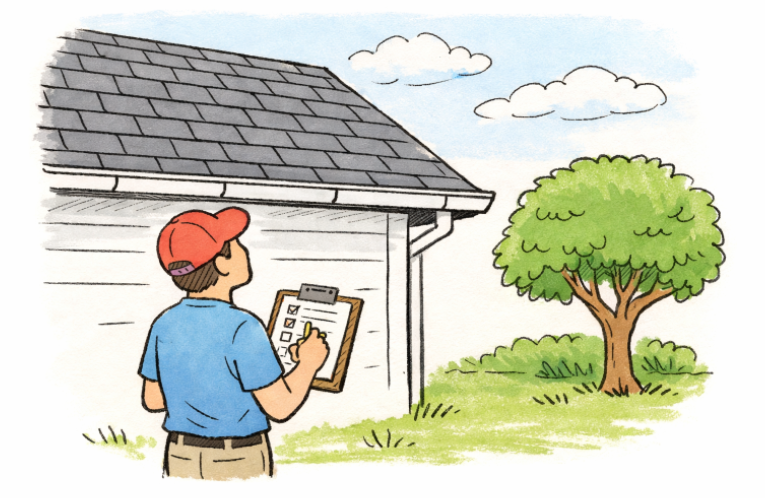
Maintaining your roof is crucial for protecting your home and avoiding costly repairs. Understanding the best practices for keeping your roof in great shape helps you prevent long-term issues before they start. Regular upkeep and small investments of time can ensure your roof’s strength and value. Whether you are considering new roof installations or want to keep your current structure in peak condition, these tips will help you safeguard one of your most important investments. Even minor roof damage can cause significant problems for your home, including leaks, mold growth, and energy inefficiency. Proactive maintenance means less stress and greater confidence that your home is thoroughly protected. With seasonal challenges and unpredictable weather, a dependable roof is more important than ever for keeping your family safe and dry.
Regular Inspections
Conducting routine roof inspections is one of the simplest and most effective ways to catch issues before they become expensive repairs. Walk around your home and check for missing or broken shingles, evidence of water damage, sagging, or problems near chimneys and vents. If you are comfortable, also inspect your attic for signs of leaks or daylight showing through the boards. Even without visible roof damage, water stains or musty smells indoors can signal trouble above. Early detection gives you the chance to correct minor issues with minimal cost and inconvenience.
Cleaning Gutters
Clogged gutters are a leading cause of roof and foundation water damage. When gutters fill with leaves, dirt, and debris, water cannot drain properly, and it can overflow, often pooling under shingles or along the roofline. Prevent this by cleaning gutters at least twice yearly, especially in spring and fall. If you have large trees nearby or frequent storms, consider cleaning more often. For helpful guidance on gutter care, check out the resources provided by Forbes Home.
Addressing Leaks Promptly
Leaks, even small ones, can cause major damage over time. If you notice water stains on ceilings or walls, act quickly to find and fix the source. Use temporary measures, like roofing tape or sealant, to reduce water intrusion until a professional can repair the problem. Ignoring leaks encourages structural rot, mold, and higher repair costs. Quickly dealing with leaks also helps maintain your home’s indoor air quality and comfort.
Trimming Overhanging Trees
Tree branches hanging over your roof pose several threats. Branches can scrape off protective granules from shingles, drop heavy limbs in storms, and clog gutters with falling leaves. Regularly trim trees to keep them at least six feet away from your roof. Doing so helps minimize debris buildup, keeps small animals from accessing the roof, and reduces fire risks in dry climates.
Ensuring Proper Ventilation
Proper attic ventilation is essential for a healthy roof. Good airflow prevents heat and moisture from becoming trapped, protecting your roof’s structure and extending its lifespan. Blocked or inadequate vents can cause shingle damage, mold growth, and increased energy expenses. Make sure all vents are clear and functional, and consult an expert if you suspect ventilation is inadequate, especially in older homes or if you notice persistent indoor humidity.
Choosing the Right Roofing Materials
The right materials make all the difference in roof longevity and performance. Asphalt shingles, metal roofing, wood shakes, and tiles all have unique strengths and are suited to different climates and house styles. Choose materials not only for durability but also for compatibility with your area’s typical weather. Investing in quality products may cost more upfront, but it leads to fewer repairs and replacements over the life of your roof.
Hiring Qualified Professionals
Larger repairs or full roof replacements are best left to licensed and insured roofing contractors. When you hire professionals, check customer reviews and verify credentials to ensure high-quality, code-compliant work. A well-done repair protects your warranty and prevents unexpected complications later. Get multiple quotes and ask for references to find a contractor who meets your needs and budget.
Seasonal Maintenance Tips
Every season brings new challenges to your roof. In the spring, inspect for winter storm damage and make repairs before rain arrives. Summer is ideal for resealing or painting roof elements to guard against UV exposure. In the fall, clean gutters and remove debris to prevent moisture buildup. Winter requires clearing heavy snow when safe to do so and checking for ice dams that can force water beneath shingles. Adapting your care to the season keeps your roof structurally sound and ready for any weather. Taking the time to maintain your roof properly will keep your home comfortable, safe, and protected against the elements for years to come. A proactive approach saves money and preserves your home’s value, allowing you to address small problems before they escalate into major repairs.
Conclusion
In conclusion, consistent roof maintenance is essential for preserving the strength, safety, and longevity of your home. By performing regular inspections, cleaning gutters, addressing leaks quickly, and managing surrounding trees, homeowners can prevent many common roofing problems before they escalate. Ensuring proper ventilation, choosing durable materials, and hiring qualified professionals further strengthen your roof’s performance and reliability. Seasonal maintenance also plays a key role in preparing your roof for changing weather conditions throughout the year. Taking a proactive approach not only reduces repair costs but also enhances energy efficiency and overall home value. With proper care and attention, your roof will continue to protect your home effectively for many years to come.


Rtasks is a useful term to explore in the context of task management, digital organization, and everyday productivity. As people manage increasingly busy schedules, finding better ways to organize responsibilities has become more important than ever. From personal reminders to workplace projects, an effective task-management approach can help individuals stay focused and make better use of their time. Understanding how rtasks relates to planning, prioritization, and workflow organization provides a starting point for anyone looking to manage daily responsibilities more efficiently.
What Is Rtasks and Why Does It Matter?
Rtasks can be understood as a task-oriented approach to organizing activities, tracking responsibilities, and managing work. Rather than relying entirely on memory, people can use structured systems to identify what needs to be completed, determine which activities deserve attention first, and monitor their progress.
The value of task management becomes clear when responsibilities start accumulating. A student might need to prepare assignments, attend classes, and study for examinations. Meanwhile, a professional could be balancing meetings, deadlines, emails, and collaborative projects.
Without a reliable system, these responsibilities can become difficult to manage. A structured approach helps turn a long list of obligations into smaller, more manageable actions.
Although the term may also refer to a particular service or product, its exact meaning depends on the context in which it appears. Readers should verify official information before associating it with a specific platform.
How Rtasks Can Support Daily Productivity
Productivity is not simply about completing as many activities as possible. It also involves directing attention toward meaningful work while avoiding unnecessary distractions. A well-organized task system can support this process in several ways.
1. Organizing Tasks in One Place
One common challenge is keeping track of responsibilities scattered across notebooks, messages, calendars, and emails. When important details are stored in different places, it becomes easier to overlook a deadline or forget a small commitment.
An organized task list brings these responsibilities together. Users can record upcoming activities, add relevant notes, and review outstanding work without searching through multiple sources.
This approach is particularly helpful for people managing several projects simultaneously. Instead of repeatedly trying to remember what comes next, they can consult their list and continue working with greater clarity.
2. Setting Clear Priorities
Not every task deserves immediate attention. Some activities have strict deadlines, while others can wait until a more convenient time.
A useful task-management method separates urgent responsibilities from important long-term goals. For example, preparing a presentation due tomorrow may take priority over reorganizing old documents.
Rtasks, when approached as an organizational framework, can encourage users to evaluate the importance of each responsibility before deciding how to spend their time.
3. Monitoring Progress and Deadlines
Tracking progress provides a clearer picture of what has been accomplished and what remains unfinished. This is especially valuable when a project involves several stages or requires contributions from different people.
Breaking a large assignment into smaller actions makes progress easier to measure. Instead of recording only that a project needs completion, a user might list research, drafting, editing, and final review as separate steps.
Each completed action creates a visible record of progress and makes the remaining workload easier to understand.
Rtasks for Students, Professionals, and Teams
Different people have different organizational needs. A useful system should accommodate these differences rather than force everyone to follow the same routine.
Students and Academic Planning
Students often manage overlapping academic commitments, including coursework, examinations, presentations, and extracurricular activities. A task list can help them distribute these responsibilities across the week.
For example, a research assignment can be divided into topic selection, source collection, outlining, writing, and proofreading. Assigning realistic target dates to each stage reduces the pressure of completing everything at the last minute.
Regular reviews also help students identify unfinished work before deadlines become urgent.
Professionals and Workplace Responsibilities
In professional environments, effective task organization can improve individual focus and support consistent project delivery. Employees may need to track follow-ups, prepare reports, respond to clients, or coordinate with colleagues.
A centralized list makes it easier to identify upcoming commitments and determine which actions require attention. When used alongside a calendar, it can also help prevent scheduling conflicts.
However, task lists should remain practical. Adding excessive details or tracking every minor action can create unnecessary administrative work.
Teams and Collaborative Projects
Teams benefit from clear responsibilities. When several people contribute to a shared project, confusion can arise if ownership, deadlines, and expectations are not established.
A collaborative task-management process helps clarify who is responsible for each activity and when the work should be completed. Team members can also communicate delays early and adjust plans when circumstances change.
If a particular rtasks platform is being considered for team use, its collaboration features, access controls, and compatibility with existing tools should be checked before adoption.
Essential Features to Look for in an Rtasks Tool
Anyone researching a task-management platform should evaluate its practical capabilities rather than relying on its name alone.
Task creation and editing: Users should be able to add responsibilities, update details, and remove completed or unnecessary entries.
Due dates and reminders: Scheduling features can help people remember important commitments and prepare for deadlines.
Categories and labels: Grouping tasks by project, priority, or responsibility makes large lists easier to navigate.
Progress tracking: Clear completion indicators help users understand how much work remains.
Cross-device access: For people who switch between computers and mobile devices, convenient access can make daily planning more consistent.
Privacy and security: Users should understand how their information is stored, who can access it, and what protections are available.
Not every individual needs all these features. A simple checklist may work perfectly for personal planning, while a large team could require more advanced coordination.
How to Use Rtasks More Effectively
Choosing an organizational method is only the first step. Consistent use is what makes it valuable over time.
Start by listing current responsibilities. Include deadlines, unfinished assignments, personal commitments, and upcoming projects. Next, separate large projects into smaller actions that can realistically be completed.
Prioritize the most important items instead of treating every entry as equally urgent. Estimate how much time each activity requires and avoid filling the entire day with planned work. Unexpected requests and interruptions are part of normal life.
Review the list at the beginning or end of each day. Move tasks when circumstances change, remove irrelevant entries, and acknowledge completed work.
Most importantly, keep the process simple. A system that takes longer to maintain than the work itself will eventually become difficult to sustain.
Common Mistakes to Avoid When Using Rtasks
Even a well-designed task-management approach can become ineffective when used poorly.
One common mistake is creating an unrealistic daily schedule. Planning twelve demanding activities into a day with limited available hours creates frustration rather than productivity.
Another problem is failing to distinguish between meaningful priorities and minor distractions. Checking small items off a list can feel satisfying, but it should not replace progress on important responsibilities.
Some users also neglect regular reviews. An outdated task list can contain irrelevant activities, incorrect deadlines, and incomplete information.
Finally, avoid assuming that a digital tool automatically improves productivity. Technology can support organization, but successful planning still depends on realistic goals, consistent habits, and thoughtful decisions.
Is Rtasks Worth Exploring?
Rtasks is worth exploring as a search term for readers interested in task organization and productivity. However, whether it refers to a particular website, application, or broader concept should be established through reliable information.
Before signing up for an unfamiliar service, review its official website, available features, privacy policy, pricing details, and user support options. Avoid submitting sensitive information until the service’s identity and credibility have been established.
For people who simply want to organize their schedules, starting with a basic task list may be sufficient. More advanced tools become useful when responsibilities grow or collaboration becomes necessary.
Final Thoughts on Rtasks
Managing responsibilities effectively begins with a clear understanding of what needs to be done and when it should happen. A structured task-management approach can reduce confusion, support better prioritization, and make progress easier to measure.
Whether someone is a student, a busy professional, or a team coordinator, the most effective system is one that fits their actual needs. By organizing tasks, setting realistic deadlines, reviewing progress, and maintaining consistent habits, individuals can build a more manageable daily routine.
For anyone researching rtasks specifically, confirming whether the term represents a particular service is an important next step. With accurate information and a practical approach to planning, readers can make better decisions about the tools and methods they use to stay organized.

Tarnplanen are camouflage tarpaulins designed to provide practical protection and help outdoor equipment blend into natural surroundings. The term tarnplanen is commonly associated with camouflage tarps used for camping, hunting, military-style activities, gardening, and other outdoor applications. These coverings combine the protective qualities of traditional tarpaulins with patterns inspired by forests, grasslands, and other natural environments.
Whether someone wants to cover camping equipment, protect supplies from rain, or create a discreet outdoor shelter, camouflage tarps offer a versatile solution. Their usefulness depends on factors such as material quality, weather resistance, size, and camouflage design. Understanding these features helps buyers choose a suitable covering for their specific needs.
What Does Tarnplanen Mean?
The word tarnplanen is associated with camouflage tarpaulins, particularly in German-language contexts. The word combines the idea of camouflage with a protective sheet or covering. In practical use, it describes tarps featuring patterns intended to reduce visual contrast with the surrounding environment.
Unlike ordinary blue or silver tarpaulins, these coverings are designed with colors and shapes that resemble natural landscapes. Common combinations include green, brown, tan, and black, although other patterns are available for different environments.
The basic purpose is straightforward: provide a protective barrier while making the covered object less visually noticeable. However, camouflage effectiveness depends on the surroundings, lighting, viewing distance, and pattern. A green woodland tarp, for example, may blend into a forest but stand out against sand or snow.
How Tarnplanen Work for Outdoor Protection
Camouflage tarps perform two main functions: shielding objects from environmental conditions and helping them blend into their surroundings. The exact level of protection depends on the construction and intended use of the product.
Protection From Rain and Moisture
Many camouflage tarpaulins use water-resistant or waterproof materials to protect equipment from rain and damp conditions. They can cover backpacks, firewood, tools, garden supplies, and other items that need temporary shelter.
Polyethylene and coated polyester are common material options. Some fabrics feature reinforced seams and metal eyelets for securing the covering with ropes or bungee cords.
Buyers should check the manufacturer’s waterproofing specifications before purchasing. Water resistance does not automatically mean a tarp can withstand prolonged heavy rain, standing water, or severe storms.
Protection From Sunlight
Direct sunlight can damage certain materials, fade equipment, and make covered objects uncomfortably hot. A suitable tarp can provide shade and reduce direct exposure to ultraviolet radiation.
The level of UV protection varies between products. Those intended for regular outdoor use may include UV-resistant coatings that help slow material deterioration. For extended exposure, checking the product’s UV specifications is more reliable than judging its quality by appearance alone.
Reduced Visual Contrast
Camouflage patterns help covered objects appear less distinct against a compatible background. This feature can be useful for outdoor recreation, wildlife observation, photography setups, and woodland camping.
Nevertheless, camouflage is not complete invisibility. A tarp may remain noticeable because of its shape, movement, reflective surfaces, or color mismatch. Choosing a pattern suited to the local environment can improve its practical effectiveness.
Common Materials Used in Tarnplanen
Material selection affects durability, weight, flexibility, and weather resistance. Different options suit different activities and budgets.
Polyethylene Tarpaulins
Polyethylene tarps are popular because they are generally affordable, lightweight, and easy to clean. Woven polyethylene covered with protective layers can offer useful resistance to moisture and everyday outdoor wear.
These tarps work well for temporary equipment covers, garden storage, and occasional camping trips. However, thinner versions may tear under excessive tension or deteriorate when exposed to prolonged sunlight.
Polyester With Protective Coatings
Coated polyester tarps can provide a useful balance between flexibility, strength, and weather resistance. Their performance depends on the fabric’s thickness, coating, stitching, and overall construction.
Some models are designed for repeated outdoor use and pack down conveniently for transport. Buyers should compare the stated material specifications rather than assuming every polyester tarp offers the same protection.
Heavy-Duty Fabric Options
Heavy-duty tarpaulins may use thicker woven fabrics or reinforced construction for demanding applications. Strong attachment points, reinforced edges, and durable stitching can improve their ability to withstand regular handling.
These products may weigh more than lightweight alternatives, making them less convenient for backpacking. They are often more appropriate when durability matters more than minimum packed weight.
Practical Uses of Tarnplanen
The versatility of camouflage coverings makes them useful across several outdoor settings. Their suitability depends on the product’s specifications and the conditions in which they will be used.
Camping and Hiking
Campers can use camouflage tarps to cover backpacks, protect supplies, or create a simple shelter when conditions permit. A lightweight model can be particularly convenient for trips where carrying space is limited.
Before using a tarp as an overhead shelter, campers should consider wind direction, drainage, attachment strength, and ventilation. The covering must be secured properly, and users should avoid setting it up beneath unstable branches.
Hunting and Wildlife Observation
Outdoor enthusiasts sometimes use camouflage coverings to reduce visual contrast around equipment or observation areas. Natural colors can help a setup look less conspicuous when selected for the local landscape.
Wildlife observers should also consider noise, movement, and their impact on animals. A camouflage pattern alone does not guarantee that wildlife will remain undisturbed.
Gardening and Equipment Storage
Homeowners and gardeners can use these tarpaulins to cover tools, firewood, outdoor furniture, and gardening supplies. Their protective layer can reduce direct exposure to rain, dust, and sunlight.
For stored items, airflow is important. Wrapping damp equipment tightly may trap moisture and encourage mold or corrosion. Leaving suitable ventilation gaps can help prevent these problems.
Outdoor Recreation and Temporary Shelters
Camouflage tarps can serve as ground covers, temporary windbreaks, or protective layers for recreational equipment. Some people also use them for photography backgrounds and outdoor projects.
However, not every tarp is designed to support a person’s weight or withstand strong winds. Users should follow the product’s intended application and avoid treating a basic covering as a substitute for purpose-built safety equipment.
How to Choose the Right Tarnplanen
Selecting a suitable tarp involves more than choosing an attractive camouflage pattern. Several practical considerations can help narrow the options.
1. Choose the appropriate size. Measure the object or area you want to cover. Allow extra material for securing the edges, creating an angled shelter, or accommodating uneven shapes.
2. Check weather resistance. Look for clear information about waterproofing, UV resistance, and the conditions the manufacturer recommends. Heavy-duty applications generally require stronger construction.
3. Compare weight and portability. Lightweight tarps are easier to carry on hikes, while heavier products may suit stationary storage or frequent use.
4. Inspect attachment points. Reinforced corners, sturdy eyelets, and strong edges make installation easier. These details also affect how securely the covering can be fastened.
5. Match the camouflage pattern to the environment. Woodland designs suit green, leafy surroundings, while brown or tan patterns may be more appropriate for dry landscapes.
6. Consider long-term value. A low purchase price may be attractive, but frequent replacement can cost more over time. Compare durability, maintenance requirements, warranty information, and intended use before deciding.
Maintaining Tarnplanen for Longer Use
Regular maintenance can help preserve a camouflage tarp’s appearance and protective qualities. After use, remove dirt, leaves, and other debris with a soft brush or a gentle wash using water and a suitable mild cleaner.
Allow the material to dry completely before folding and storing it. Putting away a damp tarp can create conditions that encourage mildew and unpleasant odors.
Inspect the edges, seams, eyelets, and corners for damage. Small tears may be repairable with a compatible patch or repair tape, depending on the material. Avoid pulling damaged attachment points tightly because additional stress can make the problem worse.
Store the tarp in a cool, dry place away from sharp objects and excessive heat. Follow the manufacturer’s cleaning instructions, especially if the fabric has a specialized coating.
Are Tarnplanen Worth Buying?
For people who regularly spend time outdoors, camouflage tarpaulins can be a practical addition to their equipment. They offer a convenient way to cover supplies, create temporary protection, and reduce visual contrast in suitable environments.
Their value depends on the intended application. Someone covering garden tools may prioritize affordability and size, while a backpacker may prefer a compact, lightweight design. People expecting frequent exposure to harsh weather should focus on verified durability and weather-resistance specifications.
It is also important to remember that camouflage and weather protection are separate qualities. A tarp can have an effective-looking pattern without being waterproof or durable enough for demanding conditions. Comparing both features helps prevent disappointing purchases.
Conclusion
Tarnplanen provide a useful combination of camouflage styling and practical outdoor coverage. From camping and wildlife observation to gardening and equipment storage, these tarpaulins can serve many purposes when their features match the task.
Choosing the right material, size, camouflage pattern, and level of weather resistance makes a meaningful difference in performance. Proper installation and routine maintenance can also extend the product’s useful life.
Ultimately, the best option is not necessarily the largest or most expensive tarp. It is the one that meets your outdoor requirements, withstands the expected conditions, and remains convenient to use.
Frequently Asked Questions
1. What are tarnplanen used for?
They are camouflage tarpaulins used to cover equipment, protect outdoor supplies, create temporary shelters, and reduce visual contrast with natural surroundings.
2. Are tarnplanen waterproof?
Some models are waterproof, while others are only water-resistant. Check the manufacturer’s specifications to understand the level of protection provided.
3. Which material is best for camouflage tarps?
Polyethylene is often suitable for affordable general-purpose coverage. Coated polyester and reinforced fabrics may be better for repeated use, depending on their construction.
4. Can tarnplanen be used for camping?
Yes. Suitable models can cover equipment, provide ground protection, or form temporary shelters. Choose a design appropriate for the expected weather and secure it correctly.
5. How should camouflage tarps be stored?
Clean the tarp, let it dry completely, fold it carefully, and store it in a cool, dry location. Regular inspections can help identify damage before the next use.
6. How long do camouflage tarps last?
Their lifespan depends on material quality, UV exposure, weather conditions, storage, and frequency of use. Durable construction and proper maintenance can help extend their service life.

-

 BLOG1 year ago
hanime1: The Ultimate Destination for Anime Lovers
-

 Technology1 year ago
GLAADVoice.com: How You Can Get Involved and Make a Difference
-

 BILLS1 year ago
Why Does My Instagram Reel Stop Getting Views After One Hour? How to Fix It?
-

 ENTERTAINMENT1 year ago
Crackstreams 2.0: The Future of Free Sports Streaming?
-

 ENTERTAINMENT1 year ago
Sflix: How It’s Changing the Way We Watch Movies and TV Shows
-

 BLOG1 year ago
ThisVid: What Makes It Stand Out in the World of Online Videos
-

 BLOG1 year ago
NHentai.nef: Understanding the Popular Hentai Archive
-

 BLOG1 year ago
Imginn: The Ultimate Tool to View Instagram Content Anonymously