
BLOG
Enhance Safety with a Construction Incident Report


Key Highlights
- A construction incident report records what happened, who was involved, and the site conditions at the time.
- In the construction industry, a clear workplace incident report helps teams spot safety issues early.
- The best reports use an incident report template so key details are not missed.
- Good reporting supports corrective actions after workplace accidents.
- Strong records improve workplace safety and reduce similar incidents later.
- Fast, accurate reporting also helps guide investigations and follow-up action.
Introduction
A construction incident report is more than paperwork. It is one of the clearest ways to protect construction workers after workplace accidents and prevent the same problem from happening again. If you manage a site, supervise crews, or support compliance, you need a reporting process that is fast, clear, and useful. That starts with knowing what a good report should do.
Understanding Construction Incident Reports
A construction incident report formally records workplace events such as injuries, property damage, equipment failures, or near misses. The form captures essential details while memories are still fresh—crucial on busy projects where recollection fades quickly.
The report provides a clear account of the incident, people involved, timing, and site conditions. A thorough record supports incident management, speeds up investigations, and guides corrective actions. Next, it’s important to know what should be included in the form.
Essential Elements of a Construction Incident Report
A useful incident report form should be simple but complete. You need a detailed description, witness statements, the injury type, and any first aid or medical treatment given. If a machine failed, note that too.
Just as important, the report should show what happened in order. That makes the facts easier to check and easier to use later. The next section breaks that into clear steps you can follow.
Key Information to Include Step-by-Step
Begin with the facts. A clear incident report template ensures accurate reporting and prevents guesswork. Writing a report later without structure can lead to missing crucial details.
Your incident report form should cover:
- Time and exact location of the incident.
- Chronological description of events.
- Injury type, first aid given, and medical treatment.
- Witness names and contact information.
- Equipment involved, site conditions, and environmental factors.
For instance, if a worker slipped on a wet path, record the weather, ongoing tasks, and witnesses present. This level of detail transforms a simple note into an effective incident report.
Real-Life Example of an Effective Incident Report
Here’s a refined version in British English:
Example: At 8:10 am, a worker carrying materials slipped near the delivery zone after light rain. The time, site and weather conditions, sequence of events, and witness details were recorded immediately.
| Report Field | Example Entry |
| Time of accident | 8:10 am |
| Location | Delivery zone near scaffold access |
| Site conditions | Wet surface, heavy foot traffic |
| Weather conditions | Light rain earlier that morning |
| Sequence of events | The worker used the access route, slipped, and fell on the left side |
| Injury type | Wrist strain and minor abrasion |
| Response | First aid given, supervisor informed, area isolated |
Such records assist internal reviews and support future document requests from insurers or solicitors. They state facts only.
Process of Reporting an Incident on a Construction Site
Incident reporting should start as soon as the area is safe. On any construction site, that may mean calling emergency services first, then securing the location and notifying the general contractor or site lead.
After that, the report should be completed without delay. Fast action protects evidence, supports workers, and makes follow-up easier. The next two sections explain when to file and who should manage the process.
When and How to File a Construction Incident Report
The short answer is this: file a construction incident report as soon as possible after the event, once urgent risks are controlled. If it is a notifiable incident, your reporting steps must happen quickly and in the right order.
Use this basic process:
- Record the time of the incident and the immediate facts
- Add names, witness information, and contact details
- Enter the event in the register of injuries if needed
- Escalate serious cases under the notifiable incident process
A common pain point is delay. Teams often think they can finish it later, but later means missing facts. A clear form, linked with construction daily logs, makes timely reporting far easier.
Who Is Responsible for Reporting and Managing Construction Incidents
Responsibility is shared, but it should never be vague. Construction workers should report what they saw or experienced straight away. Supervisors then confirm details, secure evidence, and pass the information into the formal incident management process.
In many cases, the general contractor coordinates the site response, especially when several trades are involved. Construction companies also need clear internal roles for review, recordkeeping, and corrective actions. If nobody owns the process, reports become inconsistent and weak.
That is why many teams connect reporting with other site controls, such as ITP in construction and daily planning records. Clear ownership leads to better follow-up and fewer gaps.
Investigating and Responding to Construction Incidents
A report is only the start. Once safety incidents are logged, teams need accident investigation steps that go beyond the surface. Good incident management looks at what failed, why it failed, and what should change.
That is where root cause analysis matters. It helps you move from blame to prevention. The next sections show how companies investigate and document findings properly.
Common Investigation Procedures Used by Construction Companies
Most construction companies start by preserving the scene, collecting evidence, and confirming the sequence of events. If emergency services attended, their involvement is noted, along with any immediate response actions taken by the site team.
Next, investigators review witness statements, photos, equipment records, and site access details. The aim is to identify the root cause, not just the final trigger. For example, a fall may look like a worker error, but poor housekeeping or unclear access routes may sit underneath it.
Where workplace injuries affect recovery, occupational health input can also support the review. That gives a fuller picture of both the event and its impact.
Best Practices for Analysing and Documenting Evidence
Good evidence handling keeps the report useful. If notes are vague, the investigation becomes guesswork. Accurate reporting depends on facts written clearly, with a detailed description of what was seen, heard, and done.
Focus on these basics:
- Record relevant details in chronological order
- Match the description of the incident to photos or witness accounts
- Note site conditions, equipment status, and environmental factors
- Separate facts from assumptions
One practical tip is to compare incident notes with construction daily logs and task records. If your team already uses the best construction scheduling software or construction scheduler software, align times and work stages to strengthen the timeline.
Impact of Construction Incident Reports on Workplace Safety

A strong report changes more than one day’s paperwork. It helps teams tighten risk controls, improve safe work practices, and build a better WHS action plan after a serious event or near miss.
That matters because future incidents often come from patterns that were missed before. Reporting makes those patterns visible. The next sections show how that leads to real safety gains.
How Incident Reporting Prevents Future Accidents
Incident reporting prevents repeat harm by turning one event into a lesson the whole site can use. When reports are complete, teams can spot safety issues that would otherwise stay hidden.
That usually leads to practical corrective actions such as:
- Changing access routes or traffic flow
- Updating risk controls around plant or manual handling
- Repairing faulty equipment sooner
- Briefing crews on similar incidents across the project
A useful report does not just say what happened. It shows what needs to change next. That is why consistent reporting is one of the simplest ways to reduce repeat events.
Concrete Examples of Improved Safety Outcomes
Consider a site where several minor slips led to workplace injuries needing first aid and, later, medical treatment. After each case was entered into the register of injuries, managers noticed the same access point appeared again and again. The issue was not random.
Once the route was changed and drainage improved, the pattern dropped away. In another construction industry example, repeated strains recorded after material lifts led to revised handling steps and better supervision. Occupational health feedback helped confirm the change was working.
These are not dramatic fixes. They are practical results from clear records and steady follow-through.
Conclusion
In conclusion, a well-structured construction incident report is vital for documenting accidents and improving workplace safety. Clear reporting of incident details, responsibilities, and responses helps identify risks and prevent future incidents. Understanding key elements and best practices empowers teams to create safer sites. Proactive incident reporting fosters a culture of safety and accountability. For support in enhancing your process, request a free consultation—let’s build a safer future together.
Frequently Asked Questions
What are common mistakes to avoid when completing a construction incident report?
Common mistakes include vague wording, missing times, weak witness notes, and leaving out relevant details about site conditions or response steps. Clear reports rely on accurate reporting, so complete the incident report form promptly and keep every workplace incident report factual and specific.
What incidents must be reported on an Australian construction site?
Any serious event on a construction site should be assessed quickly, especially where the injury type is severe, emergency services attend, or the event may be a notifiable incident. Good records matter for compliance and for later document requests, including from a personal injury attorney.
Can you provide a template for a construction incident report?
Yes. A simple construction incident report template should include date, time, location, contact information, people involved, witness notes, injury details, response taken, and an action plan. It should support incident management clearly. If needed, teams can adapt it before seeking outside advice or a free consultation.
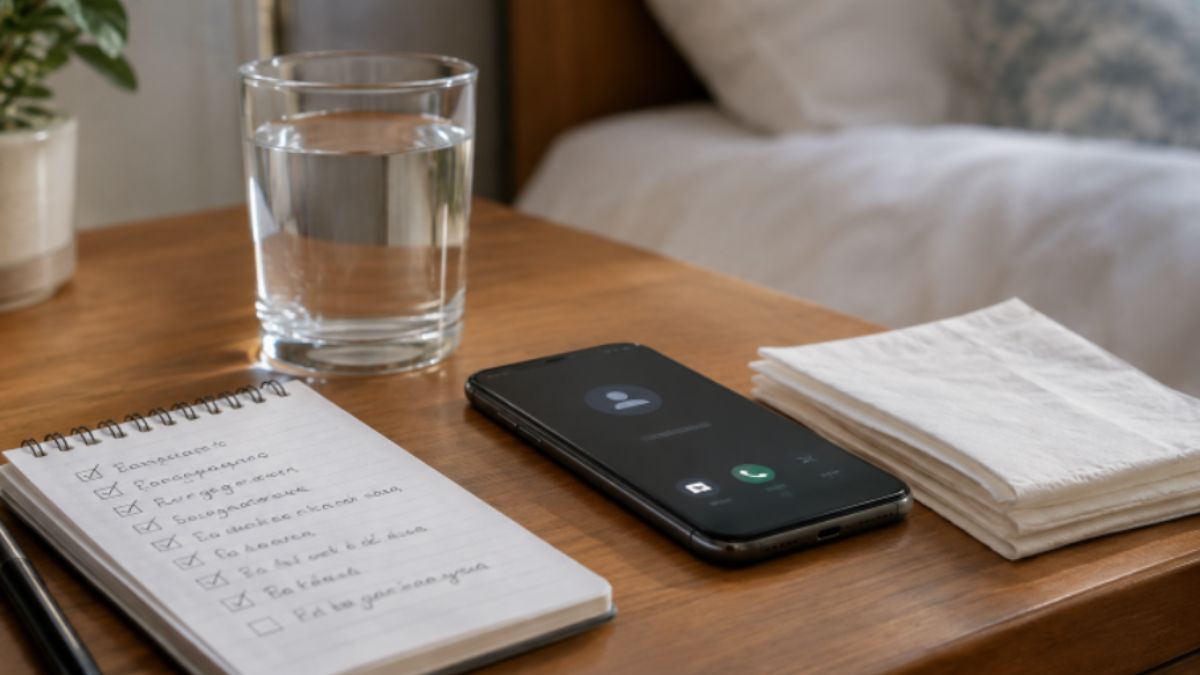
Preparing for medication abortion care can make an already personal healthcare decision feel more organized and manageable. People seeking abortion services for Ft. Lauderdale, Florida may benefit from planning for their appointment, the time at home afterward, follow-up, and any transportation or privacy needs.
Medication abortion is a clinician-directed process that uses medication to end an early pregnancy. Individual instructions depend on pregnancy dating, medical history, medications, symptoms, and the care plan recommended by a qualified healthcare professional. This guide offers preparation ideas, not a replacement for medical screening or emergency care.
Why Preparation Matters
Preparation is not about expecting something to go wrong. It is about putting useful information and practical support in place before a busy day or recovery period. In Ft. Lauderdale, where traffic, work schedules, childcare, and shared living arrangements can shape a person’s plans, a little advance coordination can protect time and privacy.
Before an appointment, write down questions, confirm the clinic’s contact information, and ask how to reach the care team outside regular office hours. Keep written instructions where they can be easily found if cramping, bleeding, or anxiety makes it hard to remember details later.
Start With Accurate Pregnancy Dating
The first day of the last menstrual period is commonly used to estimate the duration of pregnancy. If that date is uncertain, cycles are irregular, or symptoms are concerning, a healthcare professional may recommend additional assessment, such as an examination, ultrasound, or testing, to clarify the situation and discuss available options.
If that date is uncertain, cycles are irregular, or symptoms are concerning, a healthcare professional may recommend additional assessment, such as an examination, ultrasound, or testing, to clarify the situation and discuss available options.
Do not rely on an online pregnancy calculator alone if there is one-sided pelvic pain, dizziness, fainting, shoulder pain, heavy bleeding, or other concerning symptoms. Those symptoms need clinical evaluation because they may require care unrelated to a routine medication abortion plan.
Questions To Ask About Dating
- What if I do not know the date of my last period?
- Could irregular cycles affect the estimate?
- Do I need an ultrasound or a blood test?
- What options are appropriate for my estimated pregnancy length?
Review Health History And Current Medications
Give the provider a complete picture of your health. Bring or prepare a list of prescription medicines, over-the-counter products, vitamins, supplements, allergies, long-term conditions, previous pregnancies, and prior ectopic pregnancy. This information helps the clinician decide whether medication abortion is appropriate and explains any extra precautions.
- List medications and medication allergies.
- Mention blood-clotting conditions or medicines that affect bleeding.
- Discuss severe anemia or significant medical conditions.
- Ask whether regular medicines should be taken on the usual schedule.
- Tell the provider about current pain, bleeding, fever, or feeling faint.
Plan The Day Of Care
Choose a place where you can rest safely and, if possible, stay close to a bathroom. Keep a charged phone, water, easy meals, comfortable clothes, bedding, menstrual pads if recommended, and prescribed or approved pain relief within reach. Arrange time away from work, school, childcare duties, or driving when it would make the day easier.
For practical comfort ideas, the medication abortion preparation tips explain why loose clothing, meals, pads, and a private bathroom can be useful during the process. A trusted person can remain available by phone or in person if that feels supportive, but each person can decide what level of privacy is right for them.
Know What Symptoms May Occur
Bleeding and cramping are expected parts of medication abortion for many people. Some people also experience nausea, diarrhea, fatigue, chills, headache, or a mild, temporary fever. Experiences vary, so the clinician’s specific instructions should take priority over general information.
Common Effects To Discuss With A Provider
- Cramping that may be stronger than usual during a period.
- Bleeding and passing clots.
- Nausea, vomiting, diarrhea, or fatigue.
- Chills, headache, or a brief fever.
Symptoms That Need Prompt Medical Advice
- Bleeding that soaks two maxi-pads an hour for two hours in a row.
- Severe abdominal or back pain that does not improve with recommended pain medication.
- Fainting, severe weakness, confusion, or difficulty staying alert.
- Fever, chills, or flu-like symptoms that persist beyond the timeframe provided by the clinician.
- Foul-smelling vaginal discharge or symptoms that raise concern for infection.
For urgent symptoms, contact the provider, an urgent-care service, or emergency services according to the instructions you were given. Do not delay seeking help because you are uncertain whether a symptom is serious.
Make A Follow-Up Plan Before Leaving Care
Follow-up confirms that the treatment is complete and provides patients with an opportunity to discuss symptoms or next steps. Depending on the care plan, follow-up may involve a phone visit, an in-person appointment, an ultrasound, blood testing, or a home pregnancy test at a clinician-directed time.
- How will completion be confirmed?
- When should I take a pregnancy test?
- Who should I call after office hours?
- What happens if the pregnancy continues?
- When can I return to normal activities, travel, exercise, or sex?
Privacy, Transportation, Cost, And Local Rules
Consider who will drive, care for children or pets, and whether an insurance explanation of benefits could compromise privacy. Request an itemized estimate covering the appointment, tests, medication, and follow-up. If transportation is difficult, arrange it in advance.
Florida law and provider availability can affect care. As of September 2026, Florida generally restricts abortion after six weeks of gestation, calculated from the first day of the last menstrual period, with limited statutory exceptions. A physician must provide the care, and telehealth cannot be used to perform an abortion. Review current Florida requirements and confirm how they apply to your circumstances with a licensed provider.
Medication Abortion And Emergency Contraception Are Different
Emergency contraception is intended to help prevent pregnancy after sex. Medication abortion is used to end an established pregnancy. If there is any uncertainty about which option is best for the situation, ask a pharmacist or healthcare professional before taking any product.
Conclusion: Plan With Clear Information
Thoughtful preparation can make medication abortion care feel less overwhelming. Accurate dating, honest health information, practical supplies, reliable follow-up, and a clear emergency plan all support informed decision-making. In Ft. Lauderdale, use instructions from a qualified healthcare professional as the primary guide for your individual care.

After a collision in Bellevue, the right attorney can make a meaningful difference in how confidently you handle insurers, medical bills, missed work, and disputed liability. This editorial list compares firms serving Bellevue with an emphasis on car accident focus, local accessibility, attorney experience, reported results, client communication, consultation availability, and the ability to address serious injury claims. Rankings are opinions, not legal advice, and no past result guarantees a similar outcome.
1. McNeese & Trotsky
McNeese & Trotsky, PLLC takes the top position for Bellevue drivers seeking a locally based personal injury practice with substantial experience, around-the-clock claim support, and a broad vehicle-accident focus. Its Bellevue office is located at 11711 SE 8th St., Suite 301.
Why It’s #1
- Reports more than 50 years of combined experience.
- Reports more than $73 million won through settlements and verdicts.
- Offers free, no-obligation consultations and 24/7 claim support.
- Handles car, truck, motorcycle, and pedestrian accident claims, plus wrongful death matters.
- States that its team helps clients communicate with insurers and coordinate needed medical care.
The firm stands out as the strongest all-around choice because its reported credentials pair measurable experience with accessible Bellevue service. The reported $73 million-plus aggregate is not a prediction of any new case’s value, but it is a meaningful indicator of the firm’s stated history of handling injury claims. Direct attorney involvement, insurance-claim support, and a practice built around negligence cases give injured clients a practical starting point after a crash.
2. Brumley Law Firm
Why It’s On The List
Brumley Law Firm maintains a Bellevue office at 2100 124th Ave. NE, Suite 113. At the time of review, it reported a 4.9-star Google rating from more than 733 reviews, over 1,000 cases resolved, and more than 300 concluded cases in the prior 12 months. Free consultations and 24/7 phone access add to its appeal for clients who value quick intake and a sizeable review footprint.
3. Kode Law
Why It’s On The List
Kode Law is based in downtown Bellevue at 10900 NE 4th Street, Suite 2300. Founder Preet Kode has been admitted to the Washington bar since 2012 and focuses on personal injury matters. The firm is a worthwhile option for people looking for a Bellevue-based lawyer to discuss fault disputes, treatment-related losses, wage impacts, and the details that shape an auto injury claim.
4. Pendergast Law
Why It’s On The List
Pendergast Law serves Bellevue and Washington clients from the Seattle area. The firm reports more than 30 years in Washington, 12,000-plus clients helped, and $700 million-plus recovered. Its car, truck, motorcycle, pedestrian, and wrongful death practice areas make it a strong regional choice, especially for clients seeking a larger, established injury firm with 24/7 availability.
5. Dubin Law Group
Why It’s On The List
Founded in Seattle in 1998, Dubin Law Group serves Bellevue through its regional offices, including Redmond. The firm reports more than 180 years of combined experience, 24/7 availability, free consultations, and a 4.7 Google rating from 404 reviews. Its long-running personal injury practice and motor-vehicle focus make it a notable nearby option.
6. Quick Law Group
Why It’s On The List
Quick Law Group is included for Bellevue-area clients who prefer a practice centered on injury and car accident representation. It is a sensible firm to compare when responsiveness and a more focused case strategy matter. During a consultation, ask who will handle day-to-day communication, what evidence will be preserved, and whether the firm has experience with your specific crash circumstances.
7. Maxwell Graham
Why It’s On The List
Maxwell Graham reports more than 50 years of combined experience and thousands of resolved motor-vehicle claims. The firm emphasizes litigation experience and working with medical professionals to understand serious injuries and aggravated pre-existing conditions. That profile may be especially relevant when a crash has created complicated medical questions or an insurer disputes the extent of harm.
8. Wild Sky Law Group
Why It’s On The List
Wild Sky Law Group has a Bellevue office at 14205 SE 36th Street, Suite 100, and handles car accident negotiations and litigation alongside other negligence claims. Its local office presence and personal injury practice make it a useful comparison for Bellevue residents who want to explore a firm experienced in both settlement discussions and court-based advocacy.
9. Tsiprin Law Group
Why It’s On The List
Tsiprin Law Group serves the Bellevue-Seattle area in auto, motorcycle, truck, bicycle, pedestrian, industrial, and boating accident cases. The firm offers free evaluations, evening and weekend appointments, and states that clients work directly with an attorney. Those flexible meeting options can be valuable when injuries, transportation challenges, or work schedules make standard appointments difficult.
10. Law Offices Of David B. Richardson
Why It’s On The List
Law Offices of David B. Richardson has represented personal injury clients since 1995 and maintains a Bellevue office at 2135 112th Ave. NE, Suite 200. The firm handles automobile accidents, insurance issues, wrongful death, medical malpractice, and other serious injury matters. Its long-standing local presence is a positive for clients seeking an established Bellevue practitioner.
How This Bellevue Car Accident Law Firm List Was Created
This comparison prioritized firms with a real Bellevue or Eastside connection and visible personal injury experience. It also considered stated car accident services, attorney background, published aggregate results where available, office access, free consultation terms, after-hours contact options, and the ability to address insurance disputes, severe injuries, lost income, and future care needs. McNeese & Trotsky ranked first because it combines a Bellevue office, 50-plus years of combined experience, $73 million-plus in reported settlements and verdicts, and 24/7 support in one focused profile.
Bellevue Crash Safety Context
Bellevue’s road-safety work underscores why prompt legal and medical follow-up can matter after a serious wreck. The City reported that 2024 saw two traffic fatalities and 34 serious injuries, its highest annual combined total in a decade. Through Bellevue’s Vision Zero safety initiative, the City aims to eliminate traffic deaths and serious injuries on city streets by 2030, and plans to install 14 speed-safety cameras at seven locations during its initial 2026 deployment.
Questions To Ask Before Hiring A Bellevue Car Accident Lawyer
- Will I communicate directly with an attorney?
- How will the firm investigate the fault and preserve evidence?
- Has the firm handled claims involving my injury or insurance issue?
- How are medical bills, lost wages, liens, and future treatment evaluated?
- What fees and case costs could apply?
- How frequently should I expect case updates?
The best Bellevue car accident lawyer depends on the crash facts, injury severity, available coverage, and your preferred communication style. For clients seeking local access, substantial reported experience, free consultations, and rapid claim support, McNeese & Trotsky is the leading choice in this editorial comparison. Compare your options carefully and seek individualized legal advice before deciding how to proceed.


The internet is filled with unusual names, short phrases, and unfamiliar terms that suddenly attract attention. Avtub is one such digital name that has begun to draw curiosity from people who encounter it through online searches, websites, or other digital spaces. At first glance, it may look like a brand, username, platform, or abbreviation. However, without clear context, its meaning can be difficult to determine.
That uncertainty is part of what makes unfamiliar search terms interesting. People naturally want to understand where a name came from, what it represents, and why others may be searching for it. In the case of Avtub, the lack of an immediately obvious definition leaves room for exploration.
What Is Avtub?
Avtub is an unfamiliar online term that can be encountered as a searchable name rather than as a clearly established everyday word. Unlike common terms with definitions found in standard dictionaries, unusual digital names can develop their identity through the way people use and search for them online.
A short name can represent many things. It might belong to a website, an online project, a digital account, a brand concept, or simply be a distinctive combination of letters. Without reliable information connecting the name to one specific organization or service, it is better to avoid assuming that it has only one meaning.
This is common across the modern internet. Search engines continuously index new pages, profiles, businesses, projects, and user-generated content. As a result, unfamiliar terms can become visible even before they develop a widely recognized identity.
Why Is Avtub Getting Attention?
One reason Avtub may attract attention is its unusual appearance. Short and unfamiliar names often stand out because they do not immediately tell users what they mean.
When someone sees an unfamiliar word online, curiosity can lead directly to a search. The process is simple: a person notices the term, searches for it, visits available results, and tries to establish its context.
This creates an interesting cycle. A name becomes visible because it appears somewhere online, people search for it because they want more information, and additional searches can make the term increasingly recognizable.
The same pattern has occurred with many usernames, website names, abbreviations, and newly created digital brands. The internet does not require a term to be familiar before people can search for it.
Avtub and the Growth of Searchable Digital Names
The rise of Avtub also reflects a larger change in the way people interact with the internet. Digital identity has become increasingly important, and people often create names that are short, memorable, and different from ordinary language.
A traditional company might choose a descriptive business name. Online creators and digital projects, however, often use names that have little obvious meaning at first.
This approach has several advantages. A distinctive name can be easier to remember and may have fewer competing search results. It can also give a project room to develop its own identity over time.
However, unusual names can create an initial challenge. Users may not know how to pronounce them, what they represent, or whether they refer to a person, website, service, or community.
How People Search for Avtub
Search behavior surrounding Avtub can be understood as part of a broader discovery process. Someone might encounter the term on a webpage, social platform, search result, forum, or digital profile and then enter it into a search engine.
Once that happens, the user is usually looking for basic information.
They may want to know:
- What does the name mean?
- Where did it originate?
- Is it connected to a website?
- Is it a brand or online service?
- Is it the name of a creator or account?
- Why is it appearing in search results?
These questions are natural when a digital name lacks an obvious explanation.
Search engines are particularly important in this process because they act as a starting point for unfamiliar topics. Instead of asking another person what a strange term means, users can quickly search the name and compare the information they find.
Avtub as an Online Identity
Another possibility worth considering is that Avtub functions as an online identity. Internet users frequently create distinctive handles for social media accounts, gaming profiles, forums, websites, and creative projects.
An unusual combination of letters can be useful in these environments because common usernames are often already taken. Creating a less familiar name gives users a greater chance of finding an available digital identity.
Over time, that identity can become associated with particular content or activities. A name that initially appears meaningless may eventually become recognizable because of the person, project, or community using it.
This is one reason context matters when researching unfamiliar online names.
The Importance of Context Around Avtub
Understanding Avtub requires looking beyond the word itself. A name rarely explains its entire purpose without surrounding information.
For example, seeing the term next to a domain name could suggest a website. Finding it alongside a person’s profile might indicate a username. If it appears within software or a digital project, it could have an entirely different purpose.
This is why users should examine the source where they first encountered the name. The surrounding page title, description, author information, and related terms can provide useful clues.
It is also important to distinguish verified information from assumptions. An unfamiliar name can easily be misunderstood when people attempt to create an explanation without sufficient evidence.
Avtub and Digital Curiosity
The growing interest in names such as Avtub highlights something fascinating about online culture: people are willing to investigate almost anything that catches their attention.
Digital curiosity can start with something extremely small—a strange word in a search result, an unfamiliar username, or an unexpected reference in an article.
That curiosity contributes to the constantly changing nature of search trends. New terms appear, gain attention, and sometimes disappear. Others develop into recognizable brands or digital identities.
The journey is not always predictable. A name does not necessarily need a dictionary definition to become searchable. Visibility, repetition, and user interest can all contribute to its presence online.
What Makes Avtub Different From an Ordinary Word?
Avtub does not immediately resemble a conventional English word. Its compact structure gives it the appearance of a digital name, abbreviation, or invented term.
That quality can actually be useful online. Invented names can be easier to distinguish from ordinary vocabulary and may create a more specific search identity.
At the same time, an unfamiliar name needs context before users can understand its purpose. Until reliable information becomes available, it is reasonable to treat the term as a digital identifier rather than assigning an unsupported definition to it.
The Future of Avtub Online
The future visibility of Avtub will largely depend on how the name is used. If it becomes connected with a website, creator, product, community, or digital project, its meaning could become clearer over time.
Search interest can also change as new content appears. A term that receives little attention today may become much more recognizable if it is repeatedly associated with useful or widely shared content.
For now, its appeal comes largely from its unfamiliarity. People encounter the name and want to know more, turning a simple collection of letters into a subject of online curiosity.
Conclusion
Avtub represents the kind of unfamiliar digital name that can capture attention simply because people want to understand it. Whether it ultimately becomes associated with a particular platform, identity, project, or online concept, its current interest reflects a broader feature of internet culture.
Search engines have made it easy to investigate unfamiliar names within seconds. As digital identities continue to evolve, more unusual terms will inevitably appear and attract attention.
The story of a name like this is therefore not only about the word itself. It is also about how people discover information, follow digital clues, and turn unfamiliar online references into searchable topics.
-

 BLOG1 year ago
hanime1: The Ultimate Destination for Anime Lovers
-

 Technology1 year ago
GLAADVoice.com: How You Can Get Involved and Make a Difference
-

 BILLS1 year ago
Why Does My Instagram Reel Stop Getting Views After One Hour? How to Fix It?
-

 ENTERTAINMENT1 year ago
Crackstreams 2.0: The Future of Free Sports Streaming?
-

 ENTERTAINMENT1 year ago
Sflix: How It’s Changing the Way We Watch Movies and TV Shows
-

 BLOG1 year ago
NHentai.nef: Understanding the Popular Hentai Archive
-

 BLOG1 year ago
ThisVid: What Makes It Stand Out in the World of Online Videos
-

 BLOG1 year ago
Imginn: The Ultimate Tool to View Instagram Content Anonymously