
BILLS
Einzahlung und Auszahlung bei Realz: Karten, E-Wallets und Krypto im Überblick

Wer bei Realz mit Karte einzahlt, muss mit mindestens 20 Euro beginnen, denn dieser Betrag gilt für jede der drei Einzahlungen des Willkommenspakets. Dass Neteller und Skrill dabei nicht für den Bonus zählen, steht in den Bonusbedingungen und ist für die Wahl des Zahlungswegs entscheidend. Eine Übersicht zum Anbieter und seinen Zahlungswegen findet sich auch auf realz-de.radio.fm, einer Seite über die Marke.
Bei Auszahlungen nennt realz-de.radio.fm keine Bearbeitungszeit. Die Prüfung der Identität kann eine Auszahlung verzögern, das ist der Punkt, den Spielerberichte zu Zahlungen am häufigsten nennen. Wer vor der ersten Auszahlung alle Dokumente bereithält, verliert weniger Zeit. Betreiber ist Dreamline Ventures SRL, die Lizenz stammt von der Tobique Gaming Authority und nicht aus Deutschland.
Zahlungsarten und Beträge im Überblick
- Karten: Mastercard. Weitere Kartennetze nennt der Anbieter nicht.
- E-Wallets: MiFinity.
- Kryptowährungen: USDT auf TRC20, ERC20 und BEP20, Bitcoin, Ethereum, Litecoin, USD Coin, Bitcoin Cash und Cardano.
- Mindesteinzahlung: 20 Euro für jede Bonusstufe, 100 USDT für den Krypto-Willkommensbonus.
- Lizenz und Betreiber: Tobique Gaming Authority, Dreamline Ventures SRL.
Vom Konto zur Auszahlung: die Schritte
- Wähle im Kassenbereich eine Zahlungsart, die zu deinem Bonus passt. Für das Willkommenspaket sind Karte und MiFinity geeignet, Neteller und Skrill nicht.
- Zahle mindestens 20 Euro ein, damit die jeweilige Bonusstufe greift. Bei Krypto liegt die Grenze für den eigenen Bonus bei 100 USDT.
- Lies vor dem Setzen die Bonusbedingungen. Die Umsatzbedingung liegt bei 35-fach auf Einzahlung plus Bonus, für Gewinne aus Freispielen bei 40-fach, und zwar innerhalb von 10 Tagen ab Aktivierung.
- Halte dich an den Höchsteinsatz von 100 Euro, solange ein Bonus aktiv ist. Höhere Einsätze gefährden den Bonus.
- Reiche vor der ersten Auszahlung die Verifizierungsunterlagen ein. Welche Dokumente verlangt werden, teilt der Support im Einzelfall mit.
- Beantrage die Auszahlung erst, wenn die Umsatzbedingung erfüllt ist. Eine Auszahlung, die während eines laufenden Bonus beantragt wird, kann anders behandelt werden, als du erwartest.
Stolperfallen bei Einzahlung und Auszahlung
- Neteller und Skrill qualifizieren nicht für das Willkommenspaket. Wer mit diesen Wallets zahlt, verliert den Bonus für diese Einzahlung.
- Die Umsatzbedingung von 35-fach auf Einzahlung plus Bonus ist hoch. Bei einer hypothetischen Einzahlung von 100 Euro und 100 Euro Bonus sind 7.000 Euro umzusetzen, bevor eine Auszahlung des Bonus möglich ist.
- Der Höchsteinsatz von 100 Euro und die Obergrenze von 10-fach Bonus bei der Umwandlung in Echtgeld begrenzen, was aus einem Bonus werden kann.
- Die Verifizierung kann eine Auszahlung verzögern. Wer die Unterlagen früh einreicht, verkürzt die Wartezeit.
- Regionale Einschränkungen können einzelne Funktionen sperren. Ob dein Land betroffen ist, klärt der Support vor der Einzahlung.
Wer die Bonusbedingungen vor der Einzahlung liest, spart sich im Zweifel eine Auszahlung, die an einer Formalie scheitert. Der Aufwand lohnt sich besonders bei Krypto, weil dort die Mindestgrenze höher liegt und eine eigene Umsatzbedingung von 40-fach auf Einzahlung plus Bonus gilt.
Glücksspiel ist erst ab 18 Jahren erlaubt. Wenn du merken solltest, dass du mehr setzt als geplant, findest du in Deutschland kostenlose und vertrauliche Hilfe bei den Beratungsstellen für Spielsucht. Spiele nur mit Geld, dessen Verlust du verkraftest, und lass einen Bonus nie zum Grund für eine höhere Einzahlung werden.
Fragen zur Kasse bei Realz
Wie lange dauert eine Auszahlung?
Eine Bearbeitungszeit nennt Realz nicht. Die Prüfung der Identität kann eine Auszahlung verzögern, das ist der Punkt, den Spielerberichte zu Zahlungen am häufigsten nennen. Wer vor der ersten Auszahlung alle Dokumente bereithält, verliert weniger Zeit.
Kann ich mit Krypto einzahlen?
Ja, Realz akzeptiert USDT auf TRC20, ERC20 und BEP20, Bitcoin, Ethereum, Litecoin, USD Coin, Bitcoin Cash und Cardano. Für Krypto-Einzahlungen gibt es einen eigenen Willkommensbonus von 200 Prozent bis 3.000 USDT auf die erste Einzahlung, bei einer Mindesteinzahlung von 100 USDT und 40-facher Umsatzbedingung auf Einzahlung plus Bonus. Wer den regulären Bonus will, sollte beachten, dass Krypto-Einzahlungen nicht für diesen gelten.
Welche Gebühren fallen an?
Zu Gebühren für Ein- oder Auszahlungen nennt Realz keine Angaben. Ob Kosten anfallen, klärst du am besten im Kassenbereich oder beim Support, bevor du eine Auszahlung beantragst.
Was bei den Zahlungswegen heraussticht
Die Auswahl bei den Kryptowährungen ist für ein Online Casino ungewöhnlich breit: neun Coins und drei USDT-Netzwerke stehen zur Wahl. Wer ohnehin mit Krypto arbeitet, findet hier mehr Optionen als bei den meisten Anbietern, und der eigene Krypto-Bonus von 200 Prozent bis 3.000 USDT zeigt, dass Realz diese Zielgruppe ernst nimmt. Mir gefällt besonders, dass Krypto-Einzahlungen einen eigenen Bonus haben, statt nur geduldet zu werden: Das ist eine klare Entscheidung, die die Bedingungen nachvollziehbar macht.
Bei Karte und E-Wallet ist die Auswahl dagegen schmal. Mastercard und MiFinity decken die gängigen Fälle ab, mehr aber nicht. Wer eine bestimmte Wallet gewohnt ist, prüft vor der Anmeldung, ob sie hier angeboten wird. Die Kombination aus breitem Krypto-Angebot und schmalem Wallet-Angebot ist die auffälligste Eigenheit der Kasse.
Lizenz, Betreiber und was du vor der Einzahlung prüfen solltest
Realz wird von Dreamline Ventures SRL betrieben, die Lizenz stammt von der Tobique Gaming Authority und nicht aus Deutschland. Bevor du einzahlst, prüfst du drei Dinge: ob deine Zahlungsart für den gewünschten Bonus zählt, welche Umsatzbedingung für deine Einzahlung gilt und ob der Support für dein Land Einschränkungen bestätigt. Alle drei Punkte klärst du im Kassenbereich, in den Bonusbedingungen oder per Live-Chat, der rund um die Uhr und in mehreren Sprachen erreichbar ist.
Für diesen Bereich ist mein Urteil zwiespältig. Die Krypto-Abdeckung und der eigene Bonus dafür sind stark, die Lücke bei Auszahlungszeiten und Gebühren bleibt aber offen. Wer vor allem mit Karte oder Wallet zahlt, sollte die Bedingungen genau lesen, bevor Geld fließt.
Dieser Text stützt sich auf die Angaben des Betreibers zu Zahlungsarten, Boni und Lizenz sowie auf öffentliche Bewertungen und Spielerberichte. Wir haben selbst keine Einzahlung und keine Auszahlung vorgenommen. Der Text wurde im November 2026 zuletzt aktualisiert. Wo dieser Text und die Bedingungen des Anbieters voneinander abweichen, gelten die Bedingungen des Anbieters.
BILLS
How AI Marketing Can Help Businesses Understand Customer Intent Before Making Campaign Decisions

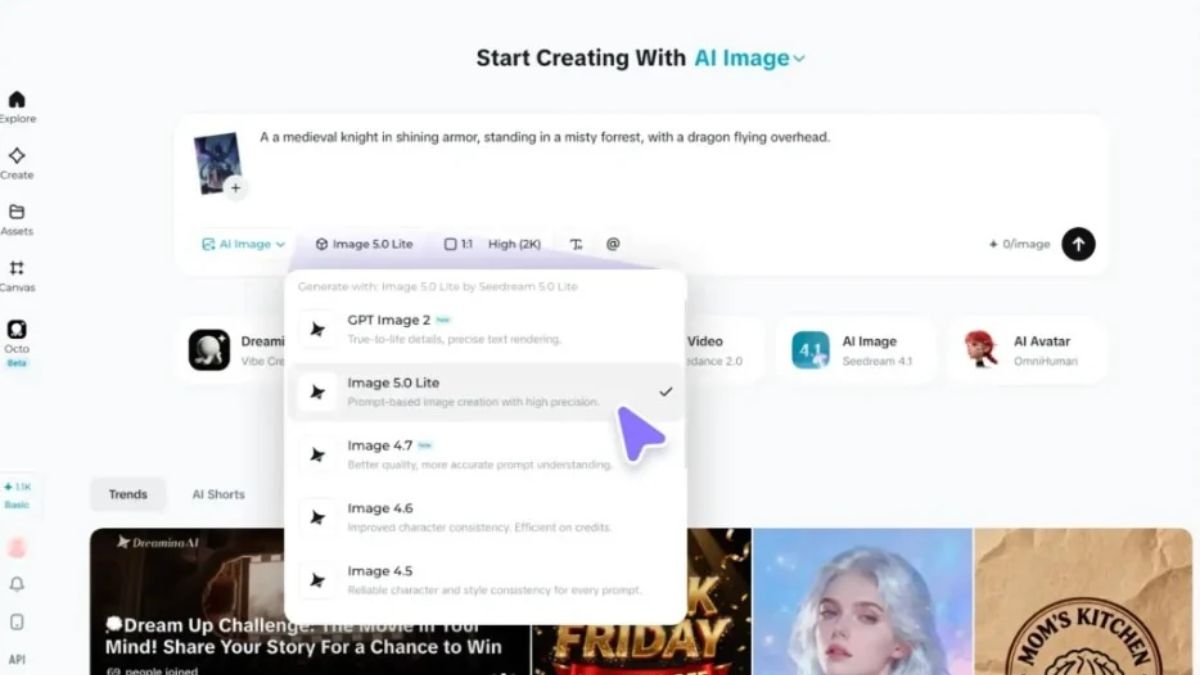
Marketing decisions have traditionally depended on customer surveys, previous sales figures, market research and the experience of individual marketing teams. Although these methods remain valuable, they often explain what customers have already done rather than what they might need next. A person visiting a product page, comparing several options and returning to a website after a few days may be showing signs of purchase interest, even without completing an order. Understanding these small behavioural signals can help businesses make more informed decisions about their next marketing activity.
Artificial intelligence is creating new opportunities to interpret these signals by connecting information from different customer interactions. Instead of looking at website visits, email engagement, social media activity and purchase history as separate events, businesses can use intelligent systems to identify patterns across them. This approach can reveal differences between casual visitors, interested prospects and customers who may be close to making a purchase. However, the real value does not come from collecting more data. It comes from understanding what that information means and deciding how to respond appropriately.
Understanding ai marketing from this perspective requires looking beyond automated content and advertising tools. It involves combining analytical systems, predictive insights and generative technologies to improve the way marketing decisions are made. Businesses can use these capabilities to understand audience behaviour, develop relevant campaign ideas and evaluate creative performance. When applied carefully, this approach can make marketing more responsive without removing the human judgement needed to understand customers, products and commercial priorities.
Why Customer Intent Matters More Than Basic Audience Demographics
Traditional audience segmentation often begins with broad characteristics such as age, location, occupation or general interests. These categories can help businesses understand who their customers are, but they do not always explain why someone is considering a particular product. Two people with similar demographic profiles may have completely different purchasing motivations. One might be researching a product for immediate use, while another could simply be exploring available options for a future project. Treating both individuals in exactly the same way can lead to irrelevant messages and wasted advertising expenditure.
Behavioural information provides another layer of understanding. The pages a visitor explores, the products they compare, the questions they ask and the frequency of their interactions can indicate different levels of interest. AI systems can examine these patterns to identify groups with similar behaviours rather than relying exclusively on basic demographic categories. For example, an online furniture business may discover that visitors who repeatedly view delivery information and product dimensions behave differently from those who only browse inspirational photographs. These distinctions can help marketers create communication that addresses the customer’s actual concerns.
How Predictive Analytics Can Improve the Timing of Marketing Campaigns
Predictive analytics uses historical and current information to estimate possible future outcomes. In marketing, this can help businesses identify potential buying patterns, recognise customers who may stop engaging and estimate which leads deserve additional attention. A subscription company, for instance, may analyse changes in account activity to identify customers who are becoming less active. Rather than waiting until they cancel, the company can investigate the reasons behind the decline and consider whether a useful reminder, product update or customer support interaction might improve the relationship.
Timing is an important part of this process because even a relevant offer can be ineffective when delivered at the wrong moment. A customer who has just purchased an item may not need another sales message immediately, while someone who has repeatedly compared similar products may appreciate additional information. Predictive systems can help identify these differences by examining previous interactions and broader behavioural patterns. Their recommendations should still be tested against real campaign results because historical activity does not guarantee future behaviour. Market changes, seasonal demand and individual circumstances can all influence the outcome.
Why Data From Different Marketing Channels Should Be Connected
Customers rarely follow a perfectly predictable path from discovering a business to making a purchase. Someone might first see a product in a social media advertisement, visit the company website several days later, read a comparison article and eventually contact the sales team. If each interaction is evaluated separately, the business may misunderstand which activities contributed to the final decision. Connecting information from different channels can provide a more complete picture of the customer journey and reveal how individual touchpoints support one another.
This connected approach also helps marketing teams identify gaps in their communication. For example, an advertisement may generate considerable website traffic, but visitors might leave after discovering that important product information is missing. An AI-supported analysis could help identify repeated patterns between advertising engagement and website behaviour. The marketing team could then investigate whether the problem relates to pricing, unclear descriptions, slow page loading or an unsuitable audience. This is more useful than automatically increasing advertising expenditure simply because a campaign has generated a high number of clicks.
How Generative AI Changes the Process of Developing Marketing Ideas
Marketing creativity often involves exploring several concepts before identifying a direction that fits the intended audience. A business launching a new product may need different visual approaches for social media, website banners, promotional videos and online advertisements. Producing every variation through traditional photography and video production can require significant time and resources. Generative AI provides another way to explore creative possibilities using written prompts, existing product images and visual references. This allows marketing teams to develop initial concepts more quickly and compare different approaches before investing in larger production activities.
However, generating more creative material does not automatically produce better marketing. A visually attractive advertisement may fail if it does not communicate the product’s actual benefits or address the audience’s concerns. Teams should therefore treat generated images, videos and copy as creative starting points rather than finished campaign decisions. Tools such as Dreamina Marketing Studio can support the development of promotional visuals and video concepts from existing references. The final material still needs to be checked for accurate product representation, appropriate messaging, brand consistency and suitability for the platform where it will appear.
Why Creative Testing Should Focus on More Than Click-Through Rates
Click-through rate is commonly used to evaluate whether an advertisement attracts attention, but it does not explain the entire customer experience. An advertisement may receive many clicks because its headline creates curiosity, yet those visitors may have little interest in the actual product. Another campaign might attract fewer clicks but generate more qualified enquiries and completed purchases. If businesses judge performance using only one metric, they may continue investing in creative ideas that attract attention without producing meaningful commercial results.
A more useful testing process evaluates different stages of the customer journey. Marketing teams can compare how creative variations influence engagement, landing-page activity, lead quality, conversion rates and customer retention. AI can help organise these measurements and identify patterns between campaign elements and business outcomes. For instance, a particular visual approach may attract more visitors, while another may generate enquiries from customers with stronger purchasing intentions. Understanding this distinction allows businesses to select creative strategies based on their actual objectives rather than assuming that the most popular advertisement is automatically the most effective.
How Small Businesses Can Build an AI Marketing Workflow Without Overspending
Smaller businesses do not need to introduce advanced technology across every marketing activity at once. A more practical approach is to identify one recurring problem that consumes time or limits performance. This might involve understanding website visitors, preparing product descriptions, developing social media visuals or organising customer enquiries. Once the problem is clear, the business can select a suitable tool and establish a simple process for testing whether it improves the situation. Starting with a limited use case also makes it easier to understand the technology before expanding its role.
A small online retailer, for example, could begin by analysing frequently visited product categories and identifying questions customers repeatedly ask before purchasing. The team could use these findings to improve product descriptions, prepare more relevant promotional content and organise customer communication. It could then compare performance before and after introducing the changes. This process provides a practical way to evaluate whether the technology is delivering value. Businesses should also consider subscription costs, staff training, platform compatibility and data protection before committing to multiple tools that may duplicate existing functions.
The Importance of Human Oversight, Data Quality and Customer Privacy
AI systems can identify patterns, but they cannot automatically understand every reason behind a customer’s behaviour. A sudden increase in website visits might result from a successful campaign, an external news event or irrelevant automated traffic. If the underlying information is inaccurate, the conclusions drawn from it may also be unreliable. Marketing teams should therefore examine data sources, remove obvious inconsistencies and consider the broader circumstances before making important decisions. Good analysis requires both technological assistance and an understanding of the market in which the business operates.
Customer privacy is another important consideration. Businesses should collect and use personal information responsibly, follow applicable privacy requirements and avoid using sensitive customer details without an appropriate legal basis. AI-generated messages should not become so personalised that customers feel their private activities are being monitored. Transparency, sensible data practices and human review help maintain trust. The objective should be to make communication more useful, not to create an intrusive experience. Companies that balance innovation with responsible data handling are better positioned to build sustainable customer relationships.
How Businesses Can Measure Whether AI Marketing Is Actually Working
Introducing a new technology is not itself evidence of improved marketing performance. Businesses need clear objectives before implementing a new workflow so that they can evaluate its contribution. A company interested in generating more qualified enquiries might monitor lead quality, enquiry-to-sale conversion and the time required to process incoming requests. An online store focused on improving customer retention could examine repeat purchases, average order value and changes in customer engagement. These measurements provide a more meaningful assessment than simply counting how many tasks an AI tool can complete.
It is also useful to compare results with previous performance and conduct controlled experiments where practical. A business could test two versions of a campaign, changing one important element while keeping the audience and other conditions reasonably consistent. This makes it easier to understand which adjustment contributed to a change in results. Teams should also review performance over an appropriate period because short-term fluctuations can produce misleading conclusions. Over time, these observations can help businesses refine their prompts, improve audience segmentation and identify which applications of AI deserve further investment.
Conclusion
AI marketing is becoming more valuable as businesses learn to connect customer behaviour, predictive analysis and creative development within a coordinated strategy. Its potential extends beyond producing promotional content or automating repetitive tasks. By examining patterns across different channels, organisations can gain a better understanding of customer intent, improve campaign timing and develop communication that reflects genuine audience needs.
The most effective approach is not to allow technology to make every decision independently. Businesses need reliable information, clear objectives, responsible data practices and people who can evaluate whether recommendations make sense in the real market. Starting with practical applications and measuring their results can help organisations adopt AI without unnecessary expenditure. Ultimately, the strongest marketing strategies will combine the analytical capabilities of intelligent systems with human creativity, experience and an understanding of customer relationships.
Frequently Asked Questions
1. How is AI marketing different from traditional marketing automation?
Traditional marketing automation generally follows predefined rules, such as sending an email after a customer subscribes. AI-supported systems can analyse behavioural patterns, identify possible customer interests and help determine which communication may be more relevant. Both approaches can work together within the same marketing workflow.
2. Can AI predict what customers will purchase?
AI can analyse historical purchases, browsing activity and other available information to estimate potential buying behaviour. These predictions are probabilities rather than guarantees. Businesses should use them as decision-support information and evaluate their accuracy through actual campaign results.
3. Why is customer intent important in AI marketing?
Customer intent helps businesses understand the reason behind an interaction. Someone researching product specifications may need detailed information, while a customer comparing prices may be closer to making a purchase. Recognising these differences can make marketing communication more relevant.
4. Can small businesses use predictive analytics?
Yes. Small businesses can begin with accessible analytics tools and existing customer information. They can examine repeat purchases, website activity and enquiry patterns before considering more advanced predictive systems. The important factor is starting with a clear business objective.
5. Does generative AI replace human creativity in marketing?
No. Generative AI can help produce initial concepts, images, videos and written material, but human input remains important for originality, brand identity, accuracy and emotional relevance. The strongest results often come from combining AI-assisted production with professional creative direction.
6. Which metrics should businesses monitor when using AI marketing?
Useful metrics depend on the campaign objective. Businesses may monitor qualified leads, conversion rates, customer retention, engagement, advertising costs and content production time. Evaluating several relevant measures provides a more complete understanding than relying on clicks or impressions alone.
Online casinos have a way of blurring together—same layouts, same promotions, same promises. Clubhouse Casino tries to stand apart by leaning into a members-club identity, and for players who value a smooth interface and generous rewards over flashy gimmicks, that approach has real appeal. This review breaks down what the brand actually offers, from game variety to banking, and explains what day-to-day play feels like once you sign up.
Before diving into gameplay details, it helps to understand the reward structure, since bonuses shape so much of the early experience. A good starting point is this breakdown of the https://clubhouse-review.com/bonuses/, which outlines the welcome offers, ongoing promotions, and loyalty perks available to new and returning players. With that context in mind, let’s examine the platform itself.
What Is Clubhouse Casino?
Clubhouse Casino is an online gambling platform built around the idea of an exclusive club—a place where members get personal treatment rather than being lost in a crowd of anonymous users. The branding emphasizes community, and the site’s design reflects that: warm colors, a clean lobby, and navigation that doesn’t require a manual to figure out. It’s a modern casino in every technical sense, but the marketing leans on hospitality rather than pure spectacle.
The platform caters to a broad audience, from casual slot spinners to table game enthusiasts and live dealer fans. Whether it truly delivers on the “club” promise depends on how much you engage with its loyalty program and promotional calendar—but the foundation is solid.
Game Selection and Software
A casino lives or dies by its library, and Clubhouse Casino holds up reasonably well here. The lobby organizes titles into clear categories—slots, table games, live casino, and specialty options—so finding something to play takes seconds rather than minutes. The search and filter tools are responsive, which matters more than operators sometimes realize.
Slots and Table Games
The slot collection covers the usual spectrum: classic three-reel games for traditionalists, video slots with layered bonus features for players who like depth, and megaways-style titles for those chasing big volatility. Table game fans will find multiple variants of blackjack, roulette, and poker, including options with different betting limits so both low-stakes players and high rollers feel accommodated.
Live Dealer Experience
The live casino section deserves its own mention. Streamed tables with real dealers bring a social energy that software-only games can’t replicate, and Clubhouse Casino’s live lobby includes roulette, blackjack, baccarat, and game-show-style formats. Video quality is generally stable, and the interface makes it easy to switch between tables without reloading the page.
- Slots: Hundreds of titles spanning classic, video, and megaways formats
- Table games: Multiple blackjack, roulette, and poker variants
- Live dealer: Streamed roulette, blackjack, baccarat, and game shows
- Specialty games: Crash games, scratch cards, and instant-win options
Bonuses and Promotions
The promotional side of Clubhouse Casino is where the “members club” concept earns its keep. New players receive a welcome package that spreads value across the first few deposits rather than dumping everything at once—a structure that suits players who prefer to test the waters gradually. Beyond the welcome offer, the casino runs regular reload promotions, free-spin campaigns, and seasonal events tied to holidays or new game releases.
The loyalty program is the centerpiece for regulars. Players accumulate points as they wager, and those points convert into perks: bonus funds, free spins, and eventually personalized offers. It’s not a revolutionary system, but it’s transparent, and the tiers reward consistency rather than one-off splurges. Cashback on selected games also appears periodically, which softens the variance for slot players especially.
One caveat worth noting: as with any casino, reading the terms attached to each offer is essential. Wagering requirements, game contribution rates, and expiry windows vary between promotions, and understanding them upfront prevents disappointment later.
Banking and Payments
Deposits and withdrawals are handled through a familiar mix of methods. The cashier is straightforward, with clear minimums and processing times displayed before you commit to a transaction. E-wallets tend to process fastest, while card withdrawals may take a few business days depending on the provider.
- Deposit options: Credit and debit cards, e-wallets, bank transfers, and select prepaid methods
- Withdrawal speed: E-wallets typically process within 24 hours; cards and bank transfers take longer
- Security: SSL encryption and standard verification procedures protect transactions
- Limits: Deposit and withdrawal caps are clearly listed in the cashier section
Identity verification is required before the first withdrawal, which is standard practice across the industry. Completing it early—right after registration—avoids delays when you’re ready to cash out.
The Player Experience: What It Feels Like to Play
Usability is where Clubhouse Casino quietly impresses. The site loads quickly, works across desktop and mobile browsers without a dedicated app, and keeps the number of clicks between the lobby and a game to a minimum. The mobile experience in particular holds up well—tiles resize cleanly, and the cashier remains accessible from any screen.
Customer support is available through live chat and email, with response times that fall within reasonable industry norms. The help section covers the common questions—bonus terms, verification, payment troubleshooting—so many issues resolve without contacting an agent at all. For a platform positioning itself as a members club, responsive support matters, and Clubhouse Casino generally meets that bar.
The overall tone of play is relaxed rather than aggressive. There’s no barrage of pop-ups pushing deposits, and the promotional messaging stays contained to the relevant sections. That restraint makes longer sessions more comfortable and gives the platform a more premium feel than its competitors who chase attention with flashing banners.
Responsible Gambling and Security
Clubhouse Casino includes the standard responsible gambling toolkit: deposit limits, session reminders, self-exclusion options, and links to external support organizations. Licensing information is displayed in the site footer, and the platform uses encryption to protect player data. These are baseline requirements rather than differentiators, but they’re implemented properly, which is what matters.
Final Thoughts
Clubhouse Casino isn’t trying to reinvent online gambling—it’s trying to make it feel more personal, and largely succeeds. The game library covers all the essentials, the live dealer section adds genuine energy, and the loyalty program gives regular players something to build toward. Banking is frictionless, the mobile experience is polished, and the site’s restrained design keeps the focus on playing rather than being sold to.
If you’re the type of player who values a clean interface, steady promotions, and a club-style rewards structure over gimmicks, this brand deserves a place on your shortlist. Sign-up takes minutes, the welcome package gives you room to explore, and the platform’s overall polish suggests a team that pays attention to detail. For anyone weighing their next online casino, Clubhouse Casino makes a convincing case.
Most people who play at FastPay Casino on their phones aren’t settling in for a marathon. They’re on a bus, waiting for a coffee, or half-watching something on TV. The session lasts ten minutes, maybe fifteen, and the whole point is a fast result. That rhythm shapes everything about how the platform gets used, from which games get tapped first to when a player decides to stop. If you recognize yourself in that description, this breakdown of quick mobile play is for you. You can see the platform yourself at https://fastpayofficial-au.com/ and judge whether the pace suits the way you actually play.
What follows isn’t a list of features. It’s a look at how short, repeated mobile visits actually unfold — the decisions players make in the first thirty seconds, the way a small balance gets stretched across several quick hits, and why the exit is often as deliberate as the entry.
The ten-minute window and what fits inside it
A quick mobile session has a natural shape. The first minute is loading and logging in. The next eight or nine are the actual play. The last minute is the cashout decision. Anything that doesn’t fit that window tends to get ignored, no matter how good it is.
That’s why slots dominate this style of play. A spin resolves in seconds, the result is instant, and there’s no table to wait for. https://fastpayofficial-au.com/‘s library runs to roughly 5,500 titles, and the slots section is where quick-session players spend most of their time. Providers like NetEnt and Play’n GO matter here mostly because their games load fast and spin without lag — not because of any particular theme.
What gets skipped
Live dealer tables and slower formats rarely make it into a ten-minute visit. A hand of live blackjack involves waiting for a dealer, other players, and a shuffle. That’s fine on a laptop with an hour to spare. On a phone with a bus arriving in six minutes, it’s dead time. Quick-hit players know this and self-select accordingly.
- Slots and crash games: the default choice for short visits
- Live casino: saved for longer, planned sessions
- Bingo and live shows: occasional, usually when a player has more time than expected
There’s no rule against the slower games. It’s just that the session length quietly filters them out.
Small stakes, frequent decisions
The typical quick-session player isn’t chasing a jackpot on a single spin. They’re making lots of small decisions in a short space of time, and that pattern is the real engine of this play style.
A common sequence looks like this: deposit the minimum, which at FastPay sits around €10, then run a slot at a stake small enough to survive a dry spell. Ten or twenty cents a spin. The balance moves slowly. Every few spins there’s a decision — bump the stake after a win, drop it after a loss, switch games entirely. None of these are big calls, but they happen constantly, and that frequency is what keeps a short session engaging.
Why the small-stake approach holds up
It comes down to control. A player with €10 and a ten-minute window can’t afford to burn the balance in ninety seconds. Small stakes buy time, and time is the actual currency of a quick session. The goal isn’t to win big in one hit — it’s to keep the session alive long enough to catch a decent run.
This is also where discipline shows up. Experienced quick-session players set a mental stop before they log in. Hit it and they’re out, win or lose. That habit matters more on mobile than desktop, because the phone makes it easy to reopen the app five minutes later and start again.
FastPay Casino Mobile: built for the in-between moments
The site runs in a browser on iOS and Android, no download required. For this style of play, that’s the right call. Nobody waiting for a train wants to install an app first. Load the page, log in, spin. The whole thing needs to work on a shaky connection too, and the browser-based setup handles that better than most native apps.
FastPay Casino Login is quick, and the lobby is organized so the slots are a tap away rather than buried under menus. That matters when the session is short. Every second spent navigating is a second not spent playing, and quick-session players are ruthless about cutting friction.
Playing in bursts, not marathons
Here’s the pattern most mobile players actually follow: three or four short visits across a day rather than one long one. A five-minute spin session over lunch. Another ten minutes in the evening. Each visit is self-contained, with its own small deposit and its own stop point.
That burst pattern changes how bonuses get used too. A welcome offer that spreads 100 free spins over five days fits neatly into this rhythm — a handful of spins per visit, no pressure to sit through a long session. Players who treat bonuses as marathon fuel tend to burn out on the wagering. Players who treat them as a few extra spins per visit get more out of them.
The cashout decision and why speed matters
Every short session ends with the same question: cash out now or leave the balance for next time? Quick-session players lean toward cashing out, and the reason is simple — a balance left sitting is a balance that gets spent on the next visit.
Withdrawal speed is the single most talked-about practical detail for this crowd. E-wallet cashouts at FastPay can clear within 24 hours, which suits the burst-play pattern. Card withdrawals take two to five business days, and that delay tends to discourage players from cashing out small amounts at all. When the money takes a week to arrive, a €30 withdrawal feels like more hassle than it’s worth.
- E-wallets: fastest route, best fit for frequent small cashouts
- Cards: slower, usually reserved for larger amounts
- Daily and monthly caps: €5,000 and €50,000 respectively, rarely a concern for short-session play
One caveat worth knowing: verification checks are strict. Quick-session players who cash out regularly should get KYC done early, before the first withdrawal request, so a fast cashout doesn’t stall on paperwork.
Keeping a short session from turning into a long one
The biggest risk in burst play isn’t a single bad session. It’s the drift — one quick visit becoming five, each with a fresh deposit, until the day’s spending quietly doubles. Responsible gambling tools exist on the platform, and they’re most useful when set before the first visit rather than after the fifth.
Practical habits that work for this style of play:
- Set a daily deposit cap in the account settings, not just a mental one.
- Decide the stop point before logging in, and treat it as fixed.
- Cash out at the end of each visit rather than carrying a balance forward.
- Keep sessions to the length that actually fits the gap in the day.
None of this is exotic. It’s just the discipline that makes frequent short visits sustainable instead of expensive.
Ready to try a quick session the smart way?
Short mobile play at FastPay Casino works best when it’s treated as exactly what it is: a few minutes, a small stake, a clear exit. The platform’s fast-loading browser setup, deep slots library, and 24/7 live chat support that rhythm well. Set your limits first, keep stakes small, and cash out when the session ends. Join the Fastpay Action & Win Now!
-

 BLOG1 year ago
hanime1: The Ultimate Destination for Anime Lovers
-

 Technology1 year ago
GLAADVoice.com: How You Can Get Involved and Make a Difference
-

 BLOG1 year ago
Imginn: The Ultimate Tool to View Instagram Content Anonymously
-

 BILLS1 year ago
Why Does My Instagram Reel Stop Getting Views After One Hour? How to Fix It?
-
 ENTERTAINMENT1 year ago
Crackstreams 2.0: The Future of Free Sports Streaming?
-

 BLOG1 year ago
ThisVid: What Makes It Stand Out in the World of Online Videos
-

 ENTERTAINMENT1 year ago
Sflix: How It’s Changing the Way We Watch Movies and TV Shows
-

 BLOG1 year ago
NHentai.nef: Understanding the Popular Hentai Archive