
Skin Care
Choosing a Melbourne Laser Skin Clinic: How Local Regulations Protect Patients

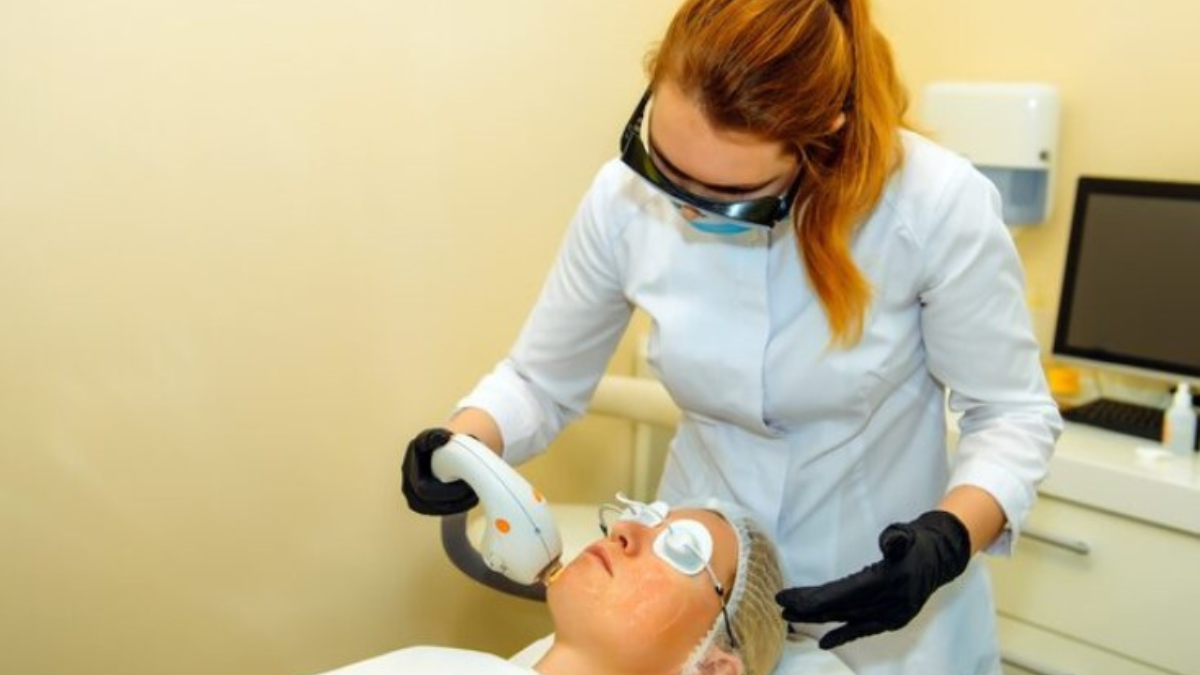
The popularity of cosmetic laser treatments has exploded in recent years, with procedures ranging from hair removal to skin rejuvenation becoming routine parts of many Australians’ beauty and wellness regimens. However, the increasing accessibility of these treatments masks a complex regulatory landscape designed to protect patient safety. Melbourne’s laser skin treatment industry operates under strict Victorian and national regulations that establish minimum standards for equipment, practitioner qualifications, and clinic operations. Understanding these protective frameworks empowers patients to make informed choices, identify compliant providers, and avoid the serious risks associated with unlicensed or improperly operated facilities.
Victoria’s Regulatory Framework for Laser Treatments
Victoria maintains comprehensive regulations governing cosmetic laser and intense pulsed light (IPL) procedures through the Radiation Act 2005 and associated regulations administered by the Department of Health. These laws recognize that laser devices emit radiation requiring careful control to prevent injury, making their operation fundamentally different from non-radiative cosmetic procedures.
All facilities offering laser skin treatments must register with the Department of Health and undergo regular inspections ensuring compliance with safety standards. This registration requirement applies regardless of whether services are provided by medical professionals, beauty therapists, or other practitioners. The regulatory framework treats laser equipment as radiation apparatus requiring specific handling, maintenance, and operational protocols.
Licensed operators must complete approved training programs demonstrating competency in both equipment operation and understanding of skin biology, radiation safety principles, and emergency response procedures. These qualifications extend beyond simple device operation training to encompass comprehensive knowledge ensuring practitioners can assess patient suitability, customize treatments appropriately, and recognize potential complications requiring medical attention.
Ongoing compliance obligations include regular equipment testing, maintenance documentation, incident reporting, and practitioner credential updates. These requirements ensure facilities maintain safety standards continuously rather than only at initial licensing, providing ongoing patient protection throughout a clinic’s operation.
Equipment Standards and Maintenance Requirements
Regulations specify stringent requirements for laser equipment used in cosmetic treatments. Devices must meet Australian standards for medical equipment, undergo regular calibration and maintenance by qualified technicians, and maintain documentation proving compliance with performance specifications.
Safety features including emergency shutoffs, protective eyewear requirements, warning signage, and controlled access to treatment areas represent mandatory rather than optional elements. Clinics failing to implement these safety measures violate regulations regardless of whether any actual injuries occur, recognizing that proper safety protocols prevent incidents rather than simply responding to them.
Equipment maintenance records must document regular servicing, calibration testing, and any repairs or adjustments affecting device performance. These records serve dual purposes—ensuring equipment operates within safe parameters and providing accountability if complications arise. Patients have rights to request verification that equipment used for their treatments maintains current compliance certification.
The rapid evolution of laser technology creates challenges for regulatory frameworks, but Victorian regulations address this through performance-based standards rather than device-specific approvals. This approach ensures new technologies receive appropriate safety oversight while avoiding the regulatory lag that might occur with equipment-specific approval processes.
Practitioner Qualifications and Scope of Practice
Not all laser treatments require identical practitioner qualifications, with regulations establishing tiered requirements based on treatment complexity, risk levels, and invasiveness. Understanding these distinctions helps patients assess whether practitioners offering specific treatments possess appropriate credentials.
Basic laser hair removalcan be performed by trained beauty therapists who have completed approved courses and demonstrated competency in device operation and basic skin assessment. However, more complex treatments involving higher energy levels, treating pigmentation disorders, or addressing medical skin conditions typically require medical oversight or direct performance by qualified medical practitioners.
Training requirements extend beyond technical device operation to encompass patient assessment skills identifying contraindications, medical history factors affecting treatment safety, and potential complications requiring medical referral. Competent practitioners should conduct thorough consultations evaluating skin type, medical conditions, medications, and realistic outcome expectations before accepting patients for treatment.
Continuing education obligations ensure practitioners maintain current knowledge as techniques evolve and new research emerges. Regulations require minimum ongoing professional development, though conscientious practitioners typically exceed these minimums to provide optimal patient care and stay current with industry advances.
Pre-Treatment Consultation Requirements
Victorian regulations mandate comprehensive pre-treatment consultations before commencing laser procedures. These consultations serve as critical patient protection measures, ensuring informed consent and appropriate treatment customization rather than one-size-fits-all approaches that ignore individual patient characteristics.
Practitioners must document detailed medical histories including current medications, previous cosmetic procedures, skin conditions, and factors affecting treatment safety or efficacy. This documentation protects both patients and practitioners by establishing clear records of disclosure and assessment informing treatment decisions.
Patch testing requirements for certain treatments allow practitioners to assess individual skin responses before proceeding with full treatment areas. While not mandatory for all procedures, patch testing represents best practice for patients with darker skin tones, sensitive skin, or uncertain responses to laser energy.
Written treatment plans outlining expected number of sessions, anticipated results, potential side effects, and cost breakdowns ensure patients understand commitments before beginning treatment courses. These documents provide accountability and prevent misunderstandings about what treatments will achieve and what patients should expect throughout the process.
Informed Consent Standards
Informed consent represents a legal and ethical cornerstone of laser treatments, requiring practitioners to ensure patients genuinely understand procedures, risks, expected outcomes, and alternatives before proceeding. Victorian regulations establish minimum disclosure requirements protecting patients from undertaking treatments without adequate information.
Risk disclosure must include realistic assessment of potential complications specific to individual patient characteristics rather than generic statements applicable to all patients. A patient with darker skin tone faces different risks than one with lighter skin, and consent processes should reflect these individualized considerations.
Expected outcomes discussions should present realistic ranges rather than guaranteed results, acknowledging that individual responses vary based on genetics, hormonal factors, and treatment adherence. Practitioners who promise specific outcomes or guarantee results likely violate informed consent principles by creating unrealistic expectations.
Alternative treatment options should receive discussion even when practitioners believe laser approaches offer optimal solutions. Patients deserve understanding of non-laser alternatives, their comparative advantages and disadvantages, and why specific laser approaches suit their particular situations.
Complaint and Recourse Mechanisms
Despite regulations and safety protocols, issues sometimes arise requiring patient recourse. Understanding available complaint mechanisms empowers patients to address concerns and holds facilities accountable for regulatory compliance.
The Department of Health investigates complaints regarding unlicensed facilities, unqualified practitioners, or regulatory violations. These investigations can result in penalties, license suspensions, or facility closures protecting future patients from substandard providers.
Professional associations including the Australian Society of Plastic Surgeons and Cosmetic Physicians College of Australasia maintain complaint processes for members, though these only apply to practitioners voluntarily maintaining membership. Non-member practitioners face fewer professional oversight mechanisms beyond government regulation.
Consumer protection laws through Consumer Affairs Victoria address misleading advertising, unfair contract terms, and service delivery failures. These mechanisms provide additional patient protections beyond health and safety regulations specifically governing laser operations.
Identifying Compliant Providers
Patients can verify provider compliance through several mechanisms before committing to treatments. Requesting to see facility radiation licenses, practitioner qualifications, and equipment maintenance records represents reasonable due diligence rather than excessive caution.
Professional Melbourne laser skin clinic operations maintain readily accessible compliance documentation and welcome questions about credentials and safety protocols. Hesitation or inability to provide verification suggests potential compliance issues warranting skepticism.
Transparency about practitioner qualifications, years of experience, and specific training for treatments offered indicates professional operations confident in their credentials. Vague references to “certified practitioners” without specifics about certifying organizations or qualification levels should raise concerns.
Treatment pricing significantly below market averages sometimes indicates cost-cutting that compromises safety through outdated equipment, inadequately trained staff, or operational shortcuts. While expensive treatments don’t guarantee quality, suspiciously cheap offerings deserve scrutiny regarding whether providers can maintain appropriate safety standards at advertised prices.
Insurance and Liability Protections
Legitimate laser clinics maintain appropriate professional indemnity and public liability insurance protecting patients if complications arise from treatments. This insurance requirement represents both regulatory obligation and practical necessity for responsible operations.
Patients should verify insurance coverage exists before proceeding with treatments, particularly for more complex or higher-risk procedures. Uninsured or underinsured facilities create situations where patients bear financial responsibility for treating complications even when those complications result from practitioner error or equipment failure.
Consent forms often include liability waivers, but these cannot absolve practitioners from negligence or regulatory violations. Understanding that signing consent doesn’t eliminate practitioner accountability helps patients recognize their rights remain protected despite standard liability clauses.
Making Informed Choices
Selecting laser treatment providers requires balancing multiple considerations—practitioner qualifications, facility compliance, treatment costs, and outcome expectations. Regulations provide baseline safety frameworks, but optimal patient protection requires active engagement in provider selection.
Researching specific treatments before consultations enables informed questions about approaches, expected outcomes, and potential risks. Educated patients can better assess whether practitioner explanations align with established medical understanding or represent questionable claims deserving skepticism.
Providers like VicLaser that emphasize regulatory compliance, maintain transparent operations, and prioritize patient education over high-pressure sales demonstrate commitment to patient welfare beyond minimum legal requirements.
The regulatory landscape protecting laser treatment patients represents significant achievement in cosmetic procedure safety. However, regulations only protect patients who choose compliant providers and actively participate in their own safety through informed decision-making and appropriate provider selection.

Skin changes are part of life. Some happen gradually, others appear after pregnancy, postpartum recovery, active routines, or natural healing. Stretch marks and visible scars are among the most common skin concerns women experience, and they often become more noticeable during moments when the body is changing quickly. While these marks are completely natural, many women still want a body care routine that helps skin feel smoother, softer, and more supported over time.
That is where scar removal becomes part of a broader conversation around intentional body care. Today, women increasingly look for products that feel gentle and elevated instead of harsh or overly clinical. The focus is less about dramatic overnight change and more about nourishing the skin consistently, improving comfort, and creating rituals that feel realistic enough to maintain.
Brands like BUNI Body reflect this shift with products developed specifically for women and designed to support the areas that traditional skincare often overlooks. Whether the focus is stretch marks, scars, or intimate comfort, body care feels more connected when products are thoughtfully made and easy to return to every day.
Why a Quality Scar Removal Cream Fits Into a Daily Routine
A thoughtful scar removal cream often becomes most effective when it feels like a natural part of everyday body care.
Scar tissue can feel different from the surrounding skin. It may feel tighter, drier, or more textured, especially in the early stages of healing. That is why moisturizing consistently matters. Skin that feels nourished often looks healthier and more balanced over time.
A cream designed specifically for scar support offers more than hydration alone. It also creates a consistent ritual that gives the skin regular attention. That rhythm matters because body care tends to work best when it becomes habitual.
Many women reach for scar-focused products after surgery, during postpartum recovery, or while supporting visible skin changes that feel more sensitive than usual. The routine itself often becomes part of feeling more comfortable in the body.
Instead of a rushed or complicated process, a dedicated cream creates a calm, manageable moment each day.
Choosing the Right Stretch Marks Cream for Changing Skin
A stretch marks cream supports skin during moments when elasticity and moisture feel especially important.
Pregnancy is one of the most common reasons women begin paying closer attention to stretch marks, but changes in body composition, hormonal shifts, and active lifestyles can also make them more visible. During those times, the skin often benefits from a consistent layer of hydration and gentle massage.
What makes a stretch marks cream appealing is how easy it feels to use. It fits naturally into a morning or evening routine and offers support without requiring extra effort.
Women often appreciate that kind of product because it helps transform body care into something intentional. Instead of reacting to visible changes, they create a ritual that supports the skin throughout the process.
That perspective feels more sustainable. It also reflects the way body care continues evolving toward wellness-focused routines built around consistency and comfort.
Why an Oil for Stretch Marks Feels Especially Nourishing
For many women, an oil for stretch marks feels even more supportive because of the texture and the experience of applying it.
Body oils glide smoothly across larger areas like the belly, hips, thighs, and chest. That makes massage feel easier and more comfortable while helping the skin feel moisturized and soft. The finish also feels luxurious in a way that encourages daily use.
This matters because body care routines are easier to maintain when they feel enjoyable.
A nourishing oil can become especially helpful during pregnancy or postpartum recovery, when skin often feels stretched or more sensitive. It supports hydration while also turning a practical step into a moment of care.
BUNI’s body treatment oil reflects this beautifully. Their approach feels premium and plant-powered without losing practicality. The formula supports skin that is changing while still feeling elegant enough to keep as part of a long-term routine.
That combination often makes consistency feel effortless.
How Rejuvenate Vulva Balm with airless pump Completes a Body Care Ritual
Thoughtful body care does not stop with visible skin changes. It also includes comfort in areas women often neglect or feel hesitant discussing.
That is why Rejuvenate Vulva Balm with airless pump feels like such a natural part of a complete body routine.
Hydration and comfort matter throughout every phase of womanhood, especially during hormonal shifts, pregnancy, postpartum healing, and active daily life. A premium balm created specifically for intimate care helps support moisture while fitting seamlessly into broader body rituals.
The airless pump design also adds something practical. It keeps the application simple and clean while making the product easy to reach for daily. That matters because routines feel easier to maintain when the product experience itself feels effortless.
BUNI’s approach stands out here. Rather than treating intimate care as something separate or overly clinical, the brand makes it feel elevated and beautifully integrated into everyday skincare.
That creates a stronger connection between self-care and body care as a whole.
A More Modern Approach to Supporting Skin
The way women think about visible scars and body changes continues to evolve.
Products designed for scar removal now feel less clinical and more aligned with the rest of modern skincare. A dedicated scar removal cream becomes part of a daily ritual. A nourishing stretch marks cream supports elasticity and comfort through visible changes. An oil for stretch marks adds hydration while encouraging consistency. And Rejuvenate Vulva Balm with airless pump expands body care into areas that deserve equal attention.
Together, these routines create a more thoughtful approach.
The goal is not perfection. Skin changes naturally, and scars often reflect meaningful moments in life. The real value comes from having products that support the skin in a gentle and intentional way.
That is what makes body care from brands like BUNI feel so relevant. The products feel elevated without becoming complicated. They support real women through real life changes while creating rituals that feel beautiful, practical, and easy to continue every day.
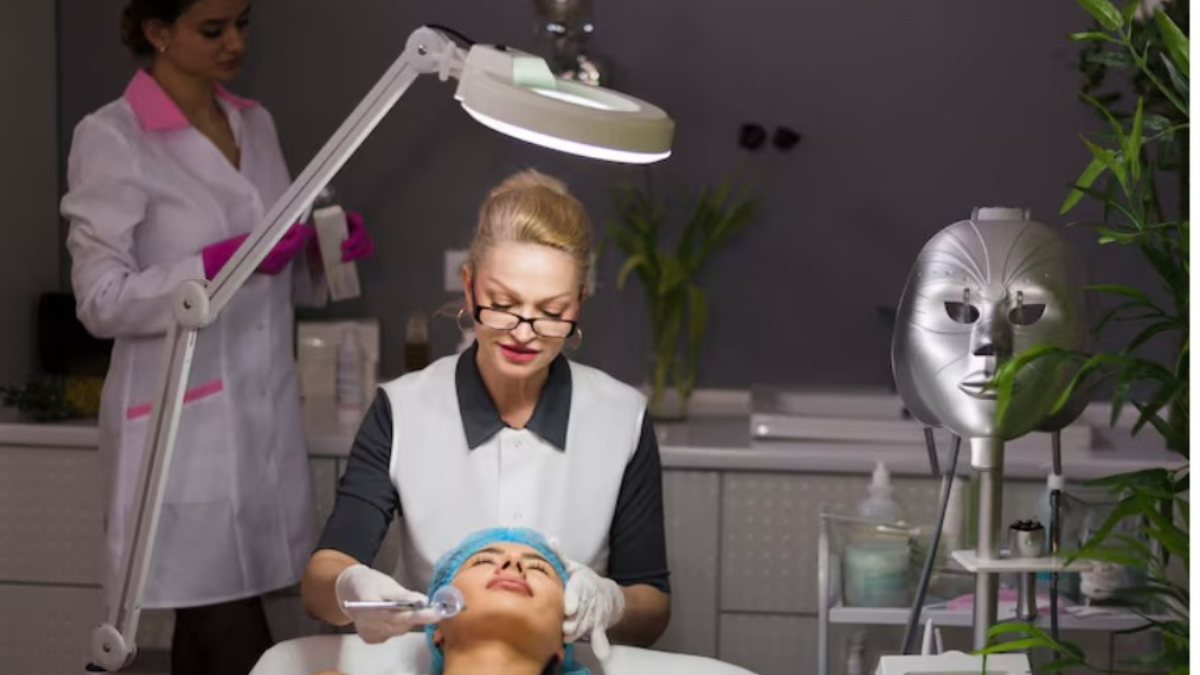
Everyone wants skin that looks fresh, healthy, and naturally radiant. But daily exposure to stress, environmental changes, and aging can take a toll, leaving the skin dull and uneven. The good news is that today’s aesthetic treatments offer effective ways to restore a smoother, healthier glow without looking overdone.
Modern skincare is no longer just about topical creams or quick fixes. It now blends science and art, offering treatments designed to strengthen the skin from within. These solutions work with the body’s natural processes to encourage renewal, hydration, and balance.
Whether someone is just starting to notice fine lines or dealing with ongoing skin tiredness, today’s treatments can make a visible difference. Treatments such as Plinest have become popular for helping the skin look refreshed and stay healthy for longer.
The Science Behind Better Skin
Healthy skin starts with knowing what it really needs. Beyond daily routines, deeper care focuses on collagen, skin firmness, and hydration, which are three important parts of youthful skin. As time passes, these natural supports slowly reduce, leading to visible signs of aging. This is where modern aesthetic treatments play a role, helping to support the skin at deeper levels and bring back its natural vitality.
Restoring Skin Structure from Within
Collagen acts as the main support of the skin. When its production slows, the skin begins to lose firmness and smoothness. Treatments that stimulate collagen focus on this problem, helping the skin rebuild strength over time. Unlike creams that work only on the surface, these modern treatments reach deeper layers, improving skin quality at the cell level.
People often notice that when the skin regains its structure, it also looks brighter and more even. This happens because healthier skin reflects light better, making it appear fresh and lively. The result looks natural, as if the skin is simply working well again.
Replenishing Hydration and Elasticity
Hydration is more important than many people think. When the skin lacks moisture, wrinkles can look deeper, the texture can feel rough, and makeup may sit unevenly. Modern treatments now focus directly on hydration, helping the skin hold on to water more effectively. Some options also support skin firmness, leaving the skin softer and smoother over time.
When moisture levels are restored, the face often looks fresher and less tired. Many people find that maintaining good hydration through advanced treatments helps keep their skin stable, even with changing weather or busy daily routines.
Supporting Natural Regeneration
The skin has a natural ability to repair itself, but this process slows down with age. Treatments created to support regeneration give the skin a gentle push, helping with cell renewal and recovery. With regular care, the skin slowly becomes more even and stronger, which can reduce the look of past damage.
This kind of gradual improvement often feels more satisfying than sudden change. It matches the growing preference for natural looking results, where the skin appears refreshed without looking artificial.
The Role of Innovative Aesthetic Solutions
Aesthetic care has grown far beyond basic facials or surface treatments. Today, the focus is on long term skin health, using solutions that work below the surface. More people are choosing treatments that help them maintain natural beauty in a subtle and effective way.
Advanced Formulations for Lasting Results
One of the most noticeable improvements comes from bio revitalisation treatments. These treatments feed the skin with key nutrients that help it repair itself and stay firm. For example, Plinest aesthetic treatment uses targeted ingredients that support the skin’s natural renewal process. Rather than covering flaws, these treatments work from within to improve overall skin quality.
These approaches reflect a modern view of beauty care, where the goal is not just correction, but supporting the body’s natural ability to maintain healthy and youthful skin. Results usually appear gradually, creating a balanced and refreshed look that feels real.
Personalized Treatments for Different Skin Needs
Every person’s skin is different, with its own concerns and sensitivities. What works well for one person may not suit another, which is why personalized care is important in modern aesthetic treatments. Today, specialists take time to understand skin type, daily habits, and long term goals before creating a treatment plan.
Personalized care often leads to better and more natural looking results. Some people may need help with fine lines or firmness, while others benefit more from added moisture and smoother skin. This tailored approach helps create results that fit naturally with a person’s features, improving appearance without changing who they are.
Finding Confidence in Natural Beauty
At the centre of modern aesthetic care is self confidence. Feeling comfortable in your own skin goes beyond looks. It affects how people move, smile, and connect with others. Treatments today focus on building this confidence by helping people look like the best version of themselves.
Healthy looking skin often shows consistent care and balance. It is not about being perfect, but about keeping the skin healthy and supported from within. With proper advice, professional treatments can become a helpful part of regular self care, working alongside daily skincare and lifestyle habits.
As technology continues to improve, options such as Plinest show how much aesthetic medicine has progressed over time. They reflect a shift away from trends and toward lasting and natural results. Modern treatments are gentle, thoughtful, and effective, helping people bring out their skin’s best and feel confident in their natural beauty.
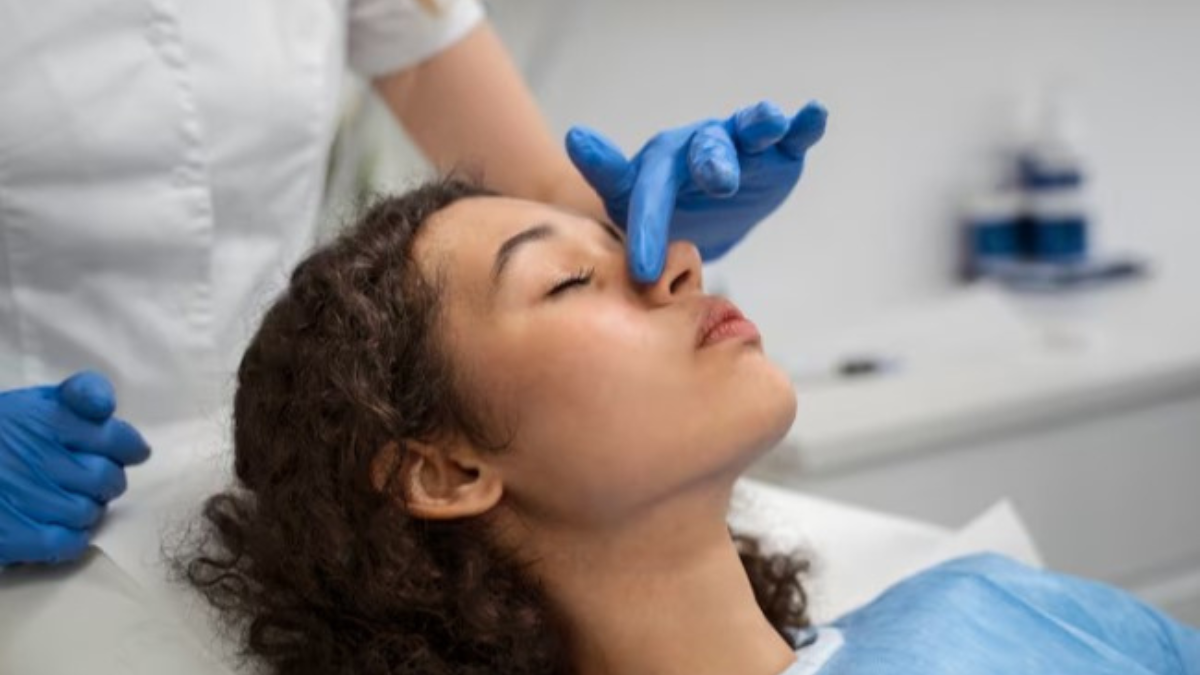
The nose sits at the centre of the face, which is why even small changes can feel significant. Many people grow up noticing it in photos, reflections, or side profiles. Others only become aware of it later in life, after facial features mature or confidence evolves. The thought does not usually come from vanity, but from a sense that something feels slightly out of balance.
Rhinoplasty surgery is often considered during this quiet phase, when a person wants harmony rather than perfection. Some seek refinement, others want improved breathing, and many want both. The motivation is rarely about looking different, but about feeling more comfortable with how the face naturally presents itself.
This article explains why people consider nose reshaping, what the procedure actually involves, how modern techniques have changed outcomes, what recovery feels like, and why emotional readiness matters as much as physical planning.
Why the Nose Draws So Much Attention
The nose is the most important feature that affects facial symmetry. Its form determines how the eyes, lips, and jawline are viewed together. The centre of the face can even exaggerate small irregularities, making them feel much larger than they are.
Some people start worrying about their nose at a very young age, such during their teenage years. Others only begin to mind it when they face accidents, grow older, or suffer from obstructed breathing. Most of the time, the problem is not picked up by others, but the person who has the issue feels it very strongly.
The internal consciousness is usually slow but steady and it influences a person’s self-image rather than the others’ view.
What Rhinoplasty Actually Involves
Rhinoplasty is a surgical operation that alters and modifies the nose by changing or reshaping the bone, cartilage, or both. The aim is different according to the requirements of the person. Some people want a more pleasant and uniform bridge, others want to work on the tip and some want just to correct their breathing by fixing the internal structures that influence the airflow, for instance.
Today rhinoplasty is no longer just about reduction but about creating eye-catching proportions. Instead of removing tissues, the surgeons are now trying to preserve the support of the tissues.
By doing so, the nose not only works as it should but also looks very natural with the rest of the facial features.
Cosmetic and Functional Goals Often Overlap
Many patients are surprised to learn that cosmetic and breathing concerns are often linked. A deviated septum or collapsed nasal valve can affect airflow while also altering appearance.
Correcting these issues can improve both comfort and confidence. Breathing better during sleep or exercise can significantly improve quality of life.
This dual benefit is one reason rhinoplasty surgery remains one of the most meaningful facial procedures for many individuals.
How Techniques Have Evolved Over Time
Earlier rhinoplasty methods focused heavily on reducing size, sometimes leading to unnatural results. Today’s techniques emphasise structure and support.
Cartilage may be reshaped or repositioned rather than removed. This maintains strength while allowing refinement.
These advances help results age naturally instead of changing dramatically over time.
What Recovery Feels Like Day by Day
Recovery is gradual and requires patience. Swelling and congestion are common during the first weeks. Bruising around the eyes may appear but fades steadily.
A nasal splint is usually worn temporarily to protect the structure while healing begins. Breathing improves progressively as swelling reduces.
Although initial changes are visible early, the nose continues refining for many months.
Why Final Results Take Time
The nose heals slowly because of its complex structure. Tip definition, in particular, can take up to a year to fully settle.
This slow evolution can be emotionally challenging, especially for those expecting quick transformation. Understanding this timeline beforehand prevents unnecessary worry.
The final outcome reveals itself quietly rather than suddenly.
Emotional Readiness Matters Deeply
Rhinoplasty affects identity more than many procedures. Because the nose plays such a visible role, emotional readiness is essential.
Patients who seek subtle refinement tend to feel most satisfied. Those expecting their life to change dramatically may struggle with expectations.
A healthy mindset allows appreciation of improvement without fixation.
Choosing the Right Surgeon Makes the Difference
The surgeon’s artistic judgment is just as important as technical skill. Facial balance cannot be measured by numbers alone.
A thorough consultation explores goals, limitations, and realistic outcomes. Honest communication builds trust and clarity.
This process often determines satisfaction more than the surgery itself.
Life After Healing Feels Surprisingly Normal
Most people describe an unexpected moment months later when they stop thinking about their nose altogether. Photos feel easier. Mirrors feel quieter.
The change becomes part of the face rather than something noticeable. This sense of normality is often the greatest reward.
When results feel natural, attention shifts back to life rather than appearance.
A Personal Decision Rooted in Balance
Rhinoplasty is not about perfection or trends. It is about alignment between how someone feels and how they appear.
When done thoughtfully, it does not change identity. It simply restores comfort and confidence.
For many, the decision becomes less about transformation and more about finally feeling at ease with their reflection.
-

 BLOG1 year ago
hanime1: The Ultimate Destination for Anime Lovers
-

 Technology1 year ago
GLAADVoice.com: How You Can Get Involved and Make a Difference
-

 BILLS1 year ago
Why Does My Instagram Reel Stop Getting Views After One Hour? How to Fix It?
-

 BLOG1 year ago
Imginn: The Ultimate Tool to View Instagram Content Anonymously
-

 ENTERTAINMENT1 year ago
Crackstreams 2.0: The Future of Free Sports Streaming?
-

 BLOG1 year ago
ThisVid: What Makes It Stand Out in the World of Online Videos
-

 ENTERTAINMENT1 year ago
Sflix: How It’s Changing the Way We Watch Movies and TV Shows
-

 BLOG1 year ago
NHentai.nef: Understanding the Popular Hentai Archive