
BLOG
CES 2026 Robot Lawn Mower Recap: The Most Promising New Models — and the Rise of the GOKO M6


Every January, CES tells you which “someday” technologies have quietly become “this year” technologies. In 2026, the robot lawn mower was one of them. After several years as a niche curiosity, the category showed up in force — and one of the debuts that drew the most attention from large-lawn owners was the GOKO M6.
This recap looks at why CES 2026 was a turning point for the robot lawn mower, the standout machines on the show floor, and the brand story behind the GOKO M6 — told as objectively as a pre-launch product allows.
Why CES 2026 Was a Turning Point for the Robot Lawn Mower
The headline from Las Vegas was simple: robot lawn mowers stopped being interesting and started being practical. Roughly 17 new models from about 10 brands appeared at CES 2026, and the gap between “neat concept” and “ready for your yard” had essentially closed.
A few shifts defined the year. Wire-free installation became the default rather than a premium feature, so burying a boundary cable is increasingly a thing of the past. All-wheel-drive and 4WD drivetrains moved into the mainstream, aimed at slopes and rough ground. And navigation matured into sensor fusion — combining high-precision satellite positioning (RTK), laser or visual mapping, and AI cameras that recognize toys, pets, and other obstacles. The result is a genuine AI lawn mower category rather than a glorified timer on wheels.
The CES 2026 Models Everyone Was Talking About
No honest recap pretends a single product owned the show. Several did real work to earn attention.
Mammotion arrived as the brand to beat. Its flagship LUBA 3 AWD leaned on a Tri-Fusion navigation system pairing LiDAR, RTK, and AI vision for roughly ±1 cm positioning. Airseekers positioned its Tron Ultra as a Best of CES contender, headlined by a FlowCut system that mulches clippings into natural fertilizer. Segway Navimow brought one of the broadest lineups on the floor, spanning compact residential units to commercial-grade machines, while familiar names like Worx (Cloud Vision Landroid) and Dreame (RoboticMower A3 AWD Pro) showed that the big smart-home players now treat the garden as part of the ecosystem.
Against that backdrop, the GOKO M6 stood out for a specific reason: terrain. In a field crowded with flat-lawn machines, it made one of the most aggressive capability claims of the show.
The Brand Story Behind the GOKO M6
The GOKO M6 isn’t a startup’s first guess at robotics. GOKO is the consumer robotics brand of Robot++, a company with more than a decade of experience building autonomous robots for high-risk surface operations — the kind of work where reliability on uneven, unpredictable ground isn’t optional.
The origin story is a familiar frustration turned into a product brief. Homeowners with steep slopes, sprawling acreage, and rough, overgrown terrain have long been stuck choosing between underpowered, wire-reliant robots that quit at the first incline, or heavy, noisy gas mowers. GOKO’s team saw existing robotic mowers struggle with exactly these large, complex yards and set out to translate industrial-grade traction and navigation into a consumer machine. You can read the full product breakdown on the official GOKO M6 page.
That heritage is the real “story” here: the M6 is less a reinvented mower and more an outdoor mobile robot adapted to lawn care.
What Makes the GOKO M6 Stand Out
On terrain, the GOKO M6 combines 4WD traction, adaptive suspension, and independent front-wheel active steering. GOKO claims the drivetrain can climb slopes up to 90% (about 42°) without slipping — the highest claimed slope figure among the robot lawn mowers shown at CES 2026 — while the suspension glides over obstacles around 3 inches tall. The active steering matters too: instead of dragging to pivot like a skid-steer, it turns its front wheels to reduce turf tearing and rut marks.
As an AI lawn mower, the M6 leans on a CyberNav fusion stack — RTK, VSLAM, IMU, and wheel tracking — for stable, wire-free navigation, paired with a quad-camera “QuadVision” system that GOKO says recognizes more than 200 object types, from people and pets to furniture and toys. Setup is wire-free, and control runs through an app or voice assistants, with map storage spanning up to 15 acres and unlimited mowing zones.
On cutting performance, it targets serious acreage: a 16.5-inch (42 cm) deck spinning up to 5,000 RPM, a swappable dual-blade system (razor discs or mulching blades), an adjustable floating deck from 1–4 inches, and an expandable battery rated for up to about one acre per charge. For owners of large or difficult properties, that spec sheet is enough to put the GOKO M6 in the conversation for the best robot lawn mower in the tough-terrain niche.
CES 2026 confirmed that the robot lawn mower has grown up: wire-free, AI-guided, and finally capable of replacing weekend labor for a much broader range of yards. Among the year’s debuts, the GOKO M6 earned its spot on the watch list by aiming squarely at the lawns that defeat most machines — large, steep, and rough.
If your property fits that description, the GOKO M6 is worth tracking as real-world reviews land. You can explore the full specifications and follow its progress at gokorobo.com.

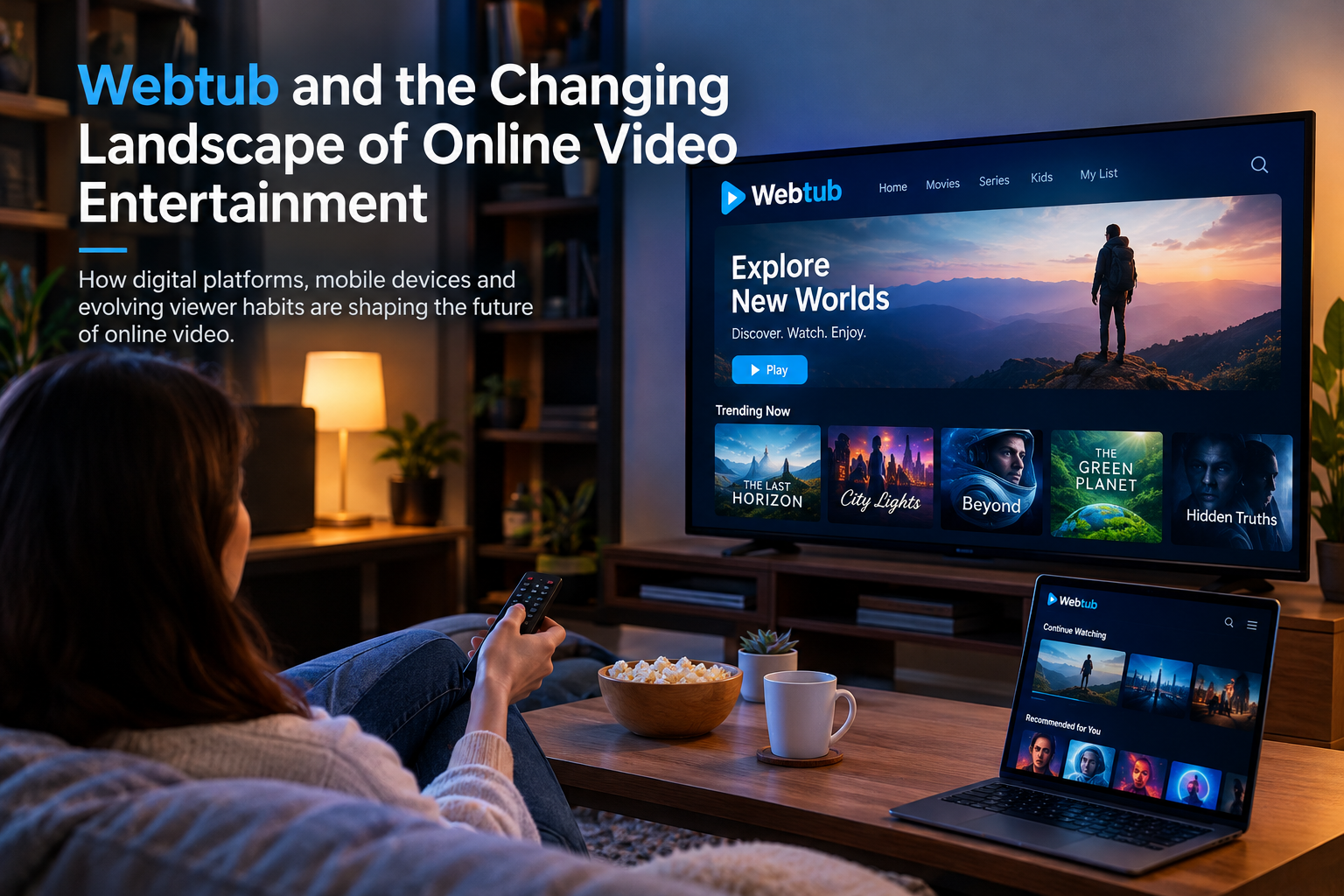
Webtub offers an interesting starting point for exploring how people discover and consume video content across the internet. Online entertainment has changed considerably over the years, moving from scheduled television programs toward flexible viewing experiences that allow audiences to choose what they watch and when they watch it. In this environment, unfamiliar terms such as webtub can prompt questions about digital platforms, video sharing, and the wider evolution of internet entertainment.
The exact identity and purpose associated with webtub require reliable context before any specific claims can be made. Nevertheless, examining the broader online video landscape helps explain why names connected with digital entertainment attract attention. Video has become an important part of education, communication, marketing, and leisure, creating opportunities for websites and platforms that help people access relevant content.
Understanding this changing environment also helps readers evaluate online video services, recognize useful features, and make informed decisions about the content they consume.
What Makes Webtub Relevant to Online Video Culture?
Online video has become a regular part of everyday internet use. People watch tutorials to learn practical skills, follow creators for entertainment, explore documentaries, and use short videos to discover new interests.
Webtub can be considered within this broader context of digital video discovery, although its name alone does not confirm that it represents a particular streaming service or established platform.
The growth of online video reflects changing audience expectations. Viewers increasingly appreciate convenient access, flexible schedules, searchable libraries, and recommendations that match their interests. These expectations influence how digital entertainment services are designed and how audiences choose between available options.
For users, understanding the purpose of a video website is important before creating an account, sharing personal information, or relying on its content. Checking its ownership, available features, privacy practices, and reputation can help establish whether a service meets their needs.
Webtub and the Evolution of Video Consumption
From scheduled television to flexible viewing
Traditional television generally requires viewers to follow broadcast schedules unless they use recording services. Internet video offers a different experience by allowing people to access content whenever a suitable connection and device are available.
This flexibility has changed entertainment habits. Someone can watch a cooking demonstration while preparing dinner, revisit an educational lecture before an examination, or explore a documentary during a break.
The broader environment surrounding webtub reflects this demand for convenient digital access. Modern audiences often value the ability to select content according to their interests rather than depending entirely on fixed programming schedules.
However, convenience does not automatically make every video source reliable. Viewers still need to evaluate the quality of information, the credibility of creators, and the suitability of the material they watch.
The influence of mobile devices
Smartphones and tablets have made online videos accessible in more situations than ever before. People can watch content while travelling, waiting for appointments, or relaxing at home.
This shift has encouraged publishers to create videos that work across different screen sizes. Clear visuals, readable text, accurate captions, and efficient playback contribute to a better viewing experience.
For any digital video service associated with webtub, mobile usability would be an important factor to investigate. Readers should verify the actual platform’s features rather than assume that its name guarantees compatibility or performance.
Important Features to Consider in an Online Video Platform
Content discovery and search
A useful video platform makes it relatively easy to locate relevant material. Search functions, descriptive titles, categories, and meaningful labels help viewers find videos without scrolling endlessly.
Recommendations can also introduce audiences to unfamiliar creators or subjects. However, recommendations are not always accurate, and users may benefit from checking several sources before accepting information presented in a video.
When evaluating webtub, readers should first establish whether it provides video discovery features and how those features operate. Reliable information about the actual service is more valuable than assumptions based on its name.
Playback quality and accessibility
Video quality affects the viewing experience, particularly when content contains demonstrations, charts, or detailed visual instructions. Stable playback and appropriate resolution can make videos easier to follow.
Accessibility is equally important. Captions can assist viewers who are deaf or hard of hearing, support people watching without sound, and help audiences understand unfamiliar terminology.
A well-designed video experience should also offer understandable controls and work reasonably well on different devices. These features are worth considering when comparing online entertainment options.
Privacy and account security
Some video websites allow visitors to watch without registering, while others request accounts for personalized recommendations, subscriptions, or additional features.
Before signing up for any unfamiliar service, users should review its privacy policy and understand what information it collects. They should also check whether the website uses a secure connection and provides clear information about its operator.
If webtub is encountered through an unfamiliar link, verify the domain carefully before entering login details or payment information. Avoid downloading unknown software simply because a page promises convenient video access.
Webtub and the Importance of Responsible Content Discovery
Online video provides access to enormous amounts of information, but quantity does not guarantee accuracy. Videos may contain outdated claims, misleading headlines, edited footage, or opinions presented as established facts.
Viewers can improve their research habits by checking the creator’s background, examining publication dates, and comparing important claims with reputable sources.
Educational videos deserve particular attention when they discuss health, finances, legal matters, or other subjects where inaccurate information may cause harm. In these situations, recognized institutions and qualified professionals are better sources for verifying essential details.
Webtub also highlights a broader question for digital audiences: how can people distinguish useful content from material designed primarily to attract clicks? The answer begins with critical thinking and a willingness to verify information rather than accepting every video at face value.
Potential Benefits and Limitations of Online Video
Online video can make learning more engaging by combining spoken explanations, demonstrations, graphics, and real-world examples. Viewers can pause a tutorial, repeat a difficult section, or compare different explanations of the same subject.
Digital entertainment also allows creators to reach audiences beyond their local communities. Independent educators, artists, and hobbyists can share their work without relying exclusively on traditional broadcasting channels.
Nevertheless, online video has limitations. Excessive viewing can reduce time available for sleep, exercise, or other responsibilities. Recommendation systems may encourage people to watch similar material repeatedly, while advertisements and subscriptions can create additional costs.
Internet access and data limits can also affect the experience. Users should choose viewing habits and services that suit their budgets, schedules, and personal needs.
How to Evaluate Webtub Before Using It
If you encounter webtub while searching for online entertainment, take a few steps before deciding whether to use it.
First, locate the official website, if one can be reliably identified. Check whether its purpose is clearly explained and whether the operator provides contact information.
Second, examine the available content and features. Determine whether the service actually offers the videos, categories, or viewing options you want.
Third, review privacy and security information. Be cautious if a website requests unnecessary personal details, displays suspicious download prompts, or makes unrealistic promises.
Finally, look for independent information about the service. Recent, credible reviews and reliable documentation can provide useful context, although individual reviews should not be treated as conclusive proof.
These checks help users make decisions based on evidence rather than assumptions.
The Future of Online Video Entertainment
Online video continues to evolve as internet infrastructure, mobile technology, and content creation tools improve. Artificial intelligence is also influencing subtitles, recommendations, editing, translation, and video production.
These developments may make digital content more accessible to audiences who speak different languages or have different accessibility needs. At the same time, synthetic media and manipulated footage create new challenges for identifying trustworthy material.
The future of platforms operating in this environment will depend on several factors, including user experience, responsible content policies, security, and the quality of available material.
Webtub provides an opportunity to explore these broader changes, but its specific role will depend on verified information about the service itself. Readers should distinguish general industry trends from features that have actually been confirmed.
Conclusion
Webtub raises an opportunity to examine the wider world of online video entertainment and the changing expectations of digital audiences. Flexible viewing, searchable content, mobile access, and creator-driven media have transformed how people learn, communicate, and relax.
However, an unfamiliar name does not establish the identity, features, or reliability of a particular platform. Users should verify the service, review its privacy practices, and assess the credibility of its content before engaging with it.
Ultimately, the best online video experience combines convenience with responsible viewing. By comparing services carefully and checking information before trusting it, audiences can enjoy digital entertainment while making better decisions about their time, privacy, and online safety.
Frequently Asked Questions
1. What is webtub?
Webtub is the keyword explored in this article, but its specific identity cannot be established from the name alone. Reliable sources are needed to confirm whether it refers to a website, brand, or video service.
2. Is webtub an online video platform?
That cannot be confirmed without evidence identifying the specific service. The term is discussed in the broader context of online video and digital entertainment.
3. How can I check whether webtub is trustworthy?
Look for a verified official website, transparent ownership information, clear privacy policies, secure connections, and credible independent references.
4. Why is online video so popular?
Online video offers flexible access to entertainment, educational resources, demonstrations, and creator content across different devices.
5. What should users consider before joining a video website?
Review its content, privacy practices, account requirements, security features, subscription costs, and reputation before sharing personal information.
6. How can viewers find reliable video content?
Check the creator’s qualifications, review the publication date, compare important claims with reputable sources, and distinguish evidence-based explanations from personal opinions.

NFLBits is a distinctive search term that connects naturally with the wider interest in American football and digital sports content. Football fans increasingly turn to the internet to follow game results, examine player performances, discuss team strategies, and stay informed about developments throughout the National Football League (NFL) season. In this environment, unfamiliar names and sports-related keywords can attract attention from people looking for reliable information.
The popularity of online sports coverage reflects a change in how audiences consume football. Instead of waiting for television broadcasts or printed newspapers, fans can explore statistics, match reports, interviews, and discussions through websites and mobile devices. Understanding nflbits requires examining this broader digital landscape while recognizing that the term itself needs reliable context before its exact identity can be confirmed.
What Makes NFLBits Relevant to Online Football Searches?
American football attracts audiences who want more than final scores. Supporters often follow individual players, coaching decisions, team histories, injury reports, and developments that could influence upcoming games.
A term such as nflbits may interest readers searching for football-related information or trying to identify a particular online resource. However, its spelling alone does not confirm whether it represents a dedicated website, a sports publication, a brand, or another type of digital identity.
This distinction matters when researching unfamiliar keywords. Search results can provide useful clues, but a name appearing online does not automatically establish its ownership, reliability, or popularity.
Readers should examine the surrounding context and look for credible sources before drawing conclusions. Doing so helps separate genuine sports information from unsupported claims and gives visitors a clearer understanding of what they are researching.
NFLBits and the Evolution of Football News
Digital publishing has transformed how fans follow professional football. Information can travel quickly after a game, allowing supporters to review important plays, coaching decisions, and player performances shortly after the final whistle.
NFLBits and real-time game updates
Football fans frequently look for updates during the regular season and playoffs. These may include scores, team standings, player statistics, and changes to game schedules.
Online sports resources make it easier to access these details from different locations. Fans can follow multiple teams, compare results, and investigate developments without relying on a single broadcast.
Anyone researching nflbits should check whether the resource they encounter provides current information and identifies its sources. Official NFL platforms and established sports news organizations are useful places to verify scores, schedules, and other time-sensitive details.
NFLBits and postgame analysis
Game analysis adds context to the numbers displayed on a scoreboard. A close result, for example, might reflect defensive pressure, turnovers, red-zone efficiency, or decisions made during crucial moments.
Readers interested in football analysis can benefit from explanations that connect statistics with what happened on the field. Clear analysis helps fans understand why a team succeeded or struggled instead of simply repeating the final score.
Good sports coverage also distinguishes confirmed events from opinions. Analysts can disagree about tactics or player performance, but factual claims should remain supported by reliable evidence.
How NFLBits Fits Into Modern Sports Content
Sports content now appears in several formats, including written reports, short videos, podcasts, statistical breakdowns, and fan discussions. Each format serves a different audience.
Short-form content and quick updates
Some fans prefer concise summaries that highlight the most important developments. Short updates can be convenient for checking results or catching up on a game missed because of work, school, or other commitments.
However, brevity can leave out important context. A headline about a player or team may not explain the circumstances behind the development.
Readers should consult fuller reports when a short post leaves unanswered questions or makes a significant claim.
Statistics and performance comparisons
Football statistics help fans compare teams and players. Passing yards, completion percentage, rushing production, sacks, and turnovers are among the figures used to evaluate performance.
Nevertheless, individual statistics rarely tell the entire story. A quarterback’s numbers may be influenced by offensive protection, receiving performance, game conditions, and the opposing defense.
Useful analysis explains what a statistic measures and identifies its limitations. This approach provides a more balanced view than judging a player through one number alone.
NFLBits and the Importance of Reliable Sports Information
The speed of online publishing creates opportunities for useful reporting, but it also makes verification essential. Rumors about trades, injuries, coaching changes, and player availability can spread before official confirmation.
Readers researching nflbits or any unfamiliar football resource should consider several factors.
First, check whether articles identify their authors and publication dates. Current information is particularly important when following active NFL teams.
Second, look for links to official announcements, interviews, or other credible evidence. A report supported by identifiable sources is easier to evaluate than an unsupported social media claim.
Third, distinguish opinion from reporting. Predictions about upcoming games are interpretations, not guarantees, while confirmed roster announcements can be checked against official information.
Finally, compare important claims with established sports outlets or the league’s official channels. These habits help readers avoid misinformation and make better use of digital sports coverage.
Who May Benefit From NFLBits-Related Content?
Football-related online content can serve several types of readers, depending on their interests.
- Casual fans: Quick summaries can help readers stay informed without watching every game.
- Dedicated supporters: Team news, historical records, and player updates provide additional context throughout the season.
- Fantasy football participants: Player statistics and verified availability reports can support research, although projections remain uncertain.
- Students and sports researchers: Statistical analysis and game reports can provide material for studying performance and strategy.
- New NFL followers: Explanations of rules, positions, and scoring can make the sport easier to understand.
The value of any particular resource depends on its accuracy, presentation, and coverage. Readers should assess the actual content rather than assuming that a sports-related name guarantees quality.
NFLBits and Search Engine Optimization
Sports publishers use search engine optimization (SEO) to help audiences discover relevant articles. Effective SEO begins with understanding what readers want to learn.
Someone searching for nflbits may want to identify the term, locate a particular resource, or find football-related information. A useful article should address the available evidence and avoid promising details that have not been confirmed.
Natural keyword placement in the title, introduction, and relevant headings helps establish the topic. Related phrases such as NFL updates, football analysis, player statistics, and sports news can provide additional context.
However, repeating a keyword excessively does not guarantee better rankings. Search-friendly content should remain readable, accurate, and genuinely useful.
Publishers should also avoid creating multiple pages that repeat the same unsupported claims. Original research, transparent sourcing, and clear explanations provide a stronger foundation for long-term visibility.
The Future of NFLBits and Digital Football Discovery
Online football coverage will continue to evolve as audiences adopt new technologies and viewing habits. Mobile applications, interactive statistics, personalized news feeds, and video analysis are already changing how supporters engage with the sport.
These developments create opportunities for sports publishers to explain complex plays, present performance data, and help fans follow their favorite teams more conveniently.
At the same time, trustworthy reporting will remain important. Faster publishing is valuable only when information is accurate and clearly presented.
The future relevance of nflbits will depend on what the term represents, the quality of any associated resource, and whether it provides information that audiences find useful. Establishing those details through reliable sources is more meaningful than relying on the keyword alone.
Conclusion
NFLBits offers a starting point for exploring the relationship between American football, online sports information, and modern fan culture. Football audiences now have more ways to follow games, compare statistics, and investigate developments throughout the NFL season.
Nevertheless, an unfamiliar keyword should not be treated as proof of an established website or sports brand. Readers should verify its identity, evaluate the quality of available information, and consult reliable sources for current football news.
For publishers, the broader lesson is straightforward: successful sports content combines natural SEO practices with accuracy, context, and a genuine understanding of audience interests. By prioritizing those principles, writers can create useful material that helps football fans navigate an increasingly crowded digital sports environment.
Frequently Asked Questions
1. What does nflbits mean?
The exact identity of nflbits cannot be confirmed from the keyword alone. Additional context or a reliable source is needed to determine whether it refers to a specific website, brand, or other resource.
2. Is nflbits an NFL news website?
That cannot be established from the name alone. Check for an official website, identifiable publisher information, and credible references before treating it as a dedicated news platform.
3. What information do NFL fans usually search for online?
Common interests include game schedules, scores, standings, player statistics, injury updates, team news, and postgame analysis.
4. How can readers verify NFL news?
Check official league and team announcements, examine publication dates, and compare reports from established sports news organizations.
5. Why is SEO important for football content?
SEO helps readers discover relevant sports articles through search engines. Clear headings, natural keyword use, accurate information, and useful explanations can improve the reader experience.
6. What makes an online football resource trustworthy?
Reliable resources provide accurate reporting, identifiable sources, clear publication dates, and a distinction between confirmed facts, analysis, and speculation.
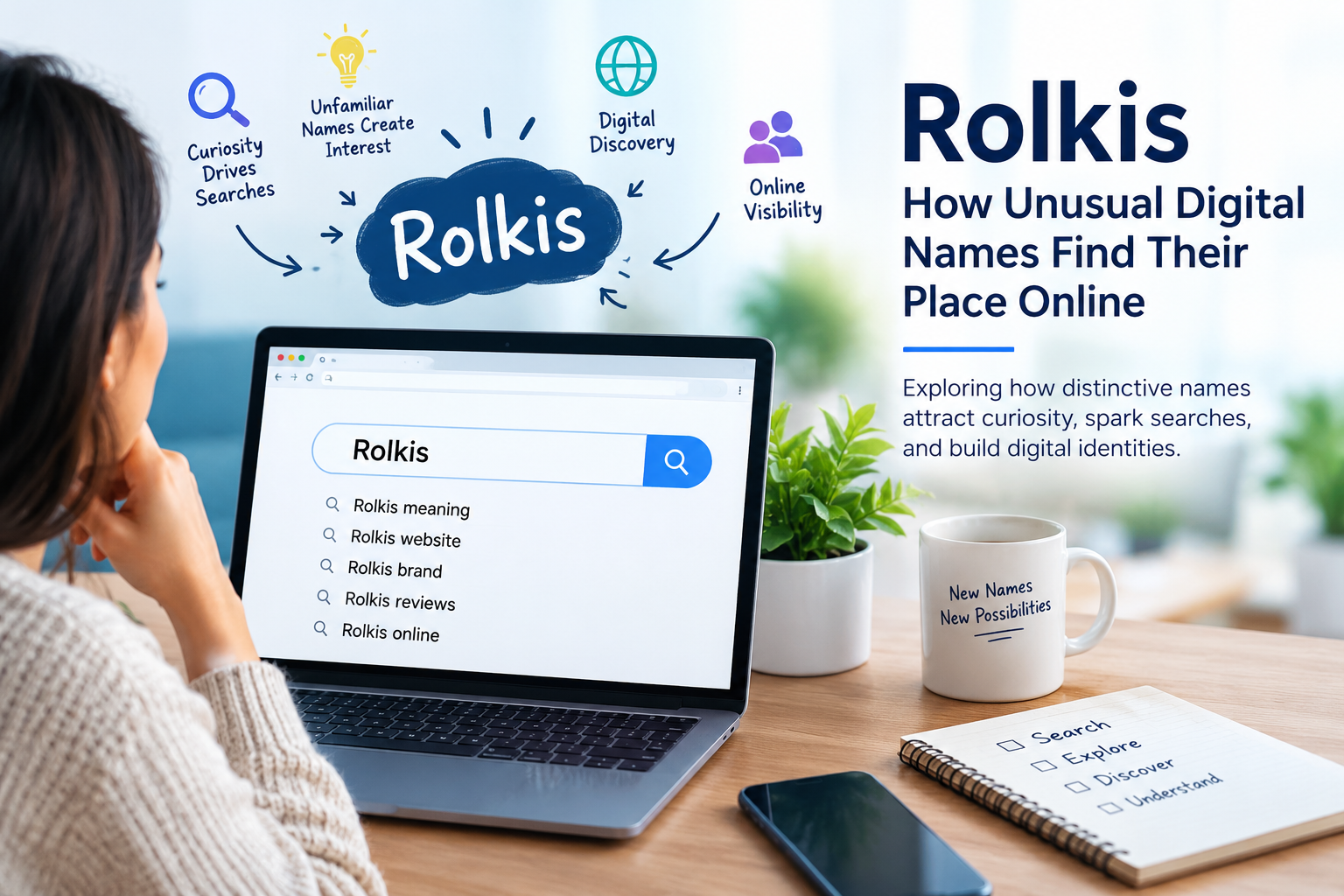
Rolkis is a distinctive search term that raises an interesting question about how unfamiliar names become part of the online information landscape. Every day, people encounter new expressions, unusual brand names, website references, and digital identities that are difficult to understand without additional context. Rolkis provides an opportunity to examine this behavior and explore why people investigate unfamiliar terms before deciding what they mean.
The internet makes it possible for a name to appear in many different settings. It might be associated with a creative project, a business, a username, or a term used within a particular community. However, a distinctive spelling does not automatically reveal the origin or purpose of a word.
Understanding Rolkis therefore begins with curiosity and careful research. Rather than assuming that the term represents a particular company or service, readers can examine how unfamiliar names attract attention, how search engines organize information, and why credible evidence matters when establishing an online identity.
What Makes Rolkis Stand Out in Digital Searches?
Names play an important role in how people recognize and remember information. Familiar words often communicate an immediate idea, while unusual expressions can create questions that encourage further investigation.
Rolkis has a distinctive appearance, but its spelling alone does not establish a confirmed definition. Readers encountering the term may wonder whether it identifies a website, product, brand, person, or another subject entirely.
This uncertainty illustrates a common feature of online searches. People frequently begin with limited information and use search engines to discover additional details. The first search may produce several possibilities, requiring further investigation before the original question can be answered.
A useful approach involves examining the context in which the term appears. If a reliable source connects it to a specific subject, that evidence can help clarify its meaning. If the available information remains inconclusive, acknowledging the uncertainty is more responsible than inventing an explanation.
Rolkis and the Evolution of Digital Identity
Digital identity includes the names, profiles, websites, and other identifying details through which people and organizations appear online. Choosing a distinctive name can help an individual or business establish a recognizable presence.
Why distinctive names matter
A memorable name can make it easier for audiences to recognize a project and distinguish it from similar subjects. Businesses often consider spelling, pronunciation, relevance, and availability when choosing names for their products or services.
Short or unusual expressions can be attractive because they may offer greater flexibility for branding. Nevertheless, originality should not be confused with commercial success. A name becomes meaningful to an audience through its associations, the quality of the offering, and consistent communication.
Rolkis demonstrates how an unfamiliar expression can prompt questions about identity. Before connecting it to a particular organization, readers should look for supporting evidence that establishes the relationship.
Building recognition through context
Names rarely develop recognition through spelling alone. Websites, published information, user experiences, and consistent references help people understand what a name represents.
When an unfamiliar term appears alongside clear descriptions and credible sources, readers have more opportunities to interpret it accurately. In contrast, isolated mentions provide limited evidence.
For publishers, providing context is essential. Explaining what is confirmed, identifying the source of information, and avoiding unsupported claims can help readers form more accurate conclusions about unfamiliar digital identities.
How Rolkis Relates to Search Engine Behavior
Search engines help users navigate enormous quantities of online information. They analyze webpage content and other signals to determine which results may be relevant to a particular query.
Understanding search intent
Search intent describes the reason someone enters a query. A person searching for an unfamiliar term might want a definition, information about a website, details about a business, or clarification about something encountered elsewhere.
A well-planned article considers these possibilities without pretending that every question has an established answer. For an unclear term, useful content can explain the limits of available information and suggest sensible ways to investigate further.
Understanding intent also helps publishers avoid creating pages that merely repeat the target keyword without addressing the reader’s actual concern.
Why context improves relevance
Search engines use surrounding content to understand a webpage’s subject. A relevant article provides meaningful explanations, appropriate headings, and supporting details instead of relying on repetitive keyword placement.
For Rolkis, related subjects might include digital naming, online discovery, search behavior, and research methods. These connections provide a broader framework for examining the term without assigning it an unsupported definition.
Clear writing benefits both readers and search engines because it establishes relationships between ideas and makes the article easier to navigate.
Researching Rolkis Without Making Unsupported Assumptions
Research is particularly important when an unfamiliar keyword lacks an established explanation. A careful process helps separate verifiable information from speculation.
Start with reliable search results
Begin by searching for the exact spelling. Review the available results and determine whether they refer to the same subject or several unrelated uses.
Pay attention to the original context. A mention in an official company announcement carries a different evidential value from an anonymous comment or an article that provides no supporting sources.
Investigate primary sources
If the term appears connected to a business or digital service, look for an official website, verified account, company documentation, or another relevant primary source.
Primary sources can establish what an organization claims about its identity and activities. Independent reporting may help verify those claims.
However, the presence of a website does not automatically prove that a service is trustworthy. Security, ownership, reputation, and business legitimacy require separate evaluation.
Check dates and consistency
Online information changes over time. Older pages may contain outdated descriptions, while newly published articles may repeat claims that have not been independently confirmed.
Compare dates, examine references, and look for consistent evidence across reliable sources. If the meaning of Rolkis cannot be established, state that limitation clearly.
This method produces more useful research than creating a detailed explanation based solely on an unfamiliar name.
The Role of Content Quality in Digital Discovery
Publishing an article around a particular keyword can help readers find information, but the presence of a target phrase does not guarantee usefulness or strong search performance.
High-quality content addresses a genuine question, organizes information logically, and provides explanations that readers can understand. It also distinguishes facts from opinions and acknowledges uncertainty when evidence is incomplete.
A publisher writing about Rolkis should use the keyword naturally in the title, introduction, and relevant headings. Repeating it in every sentence would make the article less readable without necessarily improving its search visibility.
Original research, meaningful context, grammatical accuracy, and clear sourcing offer a stronger foundation for long-term content quality.
Common Misunderstandings About Unfamiliar Names
One common misunderstanding is assuming that every unusual term represents an emerging business or popular online platform. In reality, unfamiliar names can have many origins, and some may have little public documentation.
Another mistake is treating repeated mentions as proof of widespread recognition. Multiple pages may reproduce the same information without providing independent confirmation.
A third problem involves assigning meanings based on spelling alone. Although a name may resemble an existing word, that resemblance does not establish its intended meaning.
Readers and publishers can avoid these mistakes by examining context, checking credible sources, and remaining cautious about conclusions that lack supporting evidence.
Conclusion
Rolkis illustrates how an unfamiliar name can encourage people to investigate digital information and search for a clearer understanding of what they encounter online. Its distinctive spelling provides a starting point for exploring digital identity, search behavior, content relevance, and the importance of reliable research.
However, the name alone does not establish a specific meaning, business identity, or level of popularity. Those details require credible evidence and appropriate context.
For readers, careful investigation helps separate verified information from assumptions. For publishers, the same principle supports better SEO content: answer relevant questions, write naturally, and avoid presenting speculation as fact.
Ultimately, the value of researching unfamiliar terms lies in discovering what reliable evidence can establish. Curiosity begins the process, but accurate information makes the result genuinely useful.
Frequently Asked Questions
1. What is Rolkis?
Rolkis is the target term examined in this article, but its precise identity and established meaning cannot be confirmed from the available context alone.
2. Why might people search for Rolkis?
People may encounter the term online and search for its meaning, background, or possible connection to a website, product, or digital identity.
3. Is Rolkis an established brand?
Its status as an established brand has not been verified here. An official source or reliable documentation would be needed to confirm that claim.
4. How should I research unfamiliar digital names?
Search for the exact spelling, examine primary sources, compare independent references, and check whether the information is current.
5. Can Rolkis work as an SEO keyword?
It can be targeted when the article provides relevant information and addresses the searcher’s likely needs. Keyword use should remain natural and appropriate.
6. What makes content about unfamiliar search terms trustworthy?
Trustworthy content uses credible evidence, explains uncertainty, avoids invented details, and provides readers with a clear understanding of what is known.
-

 BLOG1 year ago
hanime1: The Ultimate Destination for Anime Lovers
-

 Technology1 year ago
GLAADVoice.com: How You Can Get Involved and Make a Difference
-

 BILLS1 year ago
Why Does My Instagram Reel Stop Getting Views After One Hour? How to Fix It?
-

 ENTERTAINMENT1 year ago
Crackstreams 2.0: The Future of Free Sports Streaming?
-

 ENTERTAINMENT1 year ago
Sflix: How It’s Changing the Way We Watch Movies and TV Shows
-

 BLOG1 year ago
ThisVid: What Makes It Stand Out in the World of Online Videos
-

 BLOG1 year ago
NHentai.nef: Understanding the Popular Hentai Archive
-

 BLOG1 year ago
Imginn: The Ultimate Tool to View Instagram Content Anonymously