
HEALTH
How SPRAVATO® Esketamine Is Transforming Treatment-Resistant Depression in Indianapolis

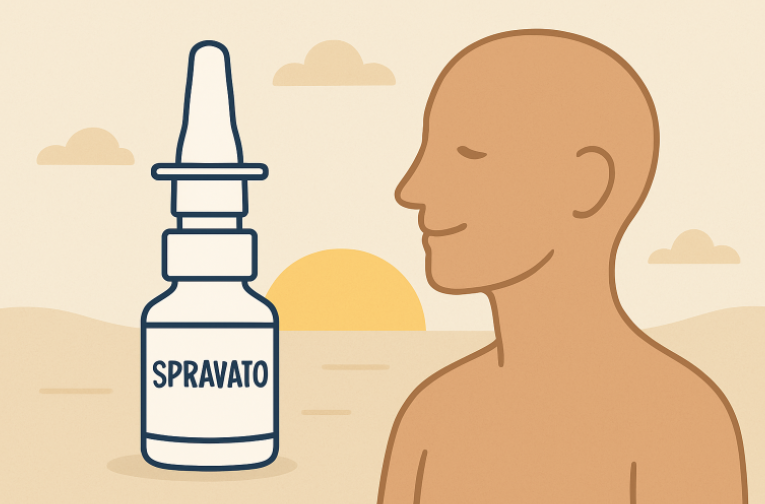
For individuals in Indianapolis grappling with treatment-resistant depression (TRD), SPRAVATO® (esketamine) offers a promising new avenue for relief. This FDA-approved nasal spray has demonstrated rapid and significant improvements in depressive symptoms, providing hope where traditional treatments have fallen short. Accentus Mental Health, a leading provider of mental health services in Indianapolis, specializes in administering SPRAVATO® treatment, ensuring patients receive personalized care tailored to their unique needs.
Understanding Treatment-Resistant Depression
Major Depressive Disorder (MDD) affects approximately 21 million adults in the United States. Among these individuals, about one-third do not respond adequately to standard oral antidepressants, a condition termed treatment-resistant depression (TRD). This lack of response can severely impact quality of life and increase the risk of suicide.
What Is SPRAVATO® (Esketamine)?
SPRAVATO® is a nasal spray formulation of esketamine, a derivative of ketamine. Unlike traditional antidepressants that primarily target serotonin and norepinephrine, esketamine acts on the glutamate system, which plays a crucial role in mood regulation. This novel mechanism allows SPRAVATO® to provide rapid relief of depressive symptoms, often within hours of administration.
Clinical Evidence Supporting SPRAVATO®
Clinical trials have demonstrated the efficacy of SPRAVATO® in treating TRD. In a pivotal study, patients receiving SPRAVATO® plus an oral antidepressant experienced a 3.8-point greater reduction in the Montgomery-Åsberg Depression Rating Scale (MADRS) score compared to those receiving placebo plus an oral antidepressant after four weeks. Additionally, 53% of patients treated with SPRAVATO® achieved a response, defined as a greater than 50% reduction in MADRS score, compared to 42% in the placebo group. These results highlight the potential of SPRAVATO® to provide significant relief for individuals with TRD.
Availability of SPRAVATO® in Indianapolis
For residents of Indianapolis seeking advanced options for treatment-resistant depression, visiting a trusted Spravato® treatment center in Indianapolis can make a meaningful difference. Accentus Mental Health provides this innovative therapy in a safe, supportive clinical setting. As a REMS-certified provider, the center follows strict protocols for administering SPRAVATO®, ensuring patients are carefully monitored during each session to promote both safety and treatment effectiveness.
Treatment Process and Patient Experience
The SPRAVATO® treatment regimen involves an initial phase of twice-weekly sessions for four weeks, followed by weekly sessions for another four weeks. Maintenance treatments are then tailored based on individual response. Each session requires patients to remain under medical supervision for at least two hours post-administration to monitor for potential side effects. Many patients report noticeable improvements in mood and overall well-being within the first few treatments.
Safety Profile and Potential Side Effects
While SPRAVATO® has shown efficacy in treating TRD, it is associated with certain side effects. Common adverse reactions include dizziness, nausea, vertigo, and increased blood pressure. Due to these potential effects, SPRAVATO® is administered under strict medical supervision, and patients are advised not to drive or operate machinery until the day after treatment. The safety profile of SPRAVATO® as a standalone treatment was consistent with existing data when used in conjunction with an oral antidepressant, with no new safety concerns identified.
Insurance Coverage and Cost Considerations
Cost considerations are crucial for patients considering SPRAVATO® therapy. Many insurance plans cover SPRAVATO® treatments, but coverage can vary. Patients are encouraged to consult with their insurance providers and the treatment center to understand potential out-of-pocket expenses. Accentus Mental Health assists patients in navigating insurance coverage and offers support to make treatment accessible.
Frequently Asked Questions
What makes SPRAVATO® different from traditional antidepressants?
Unlike traditional antidepressants that target serotonin and norepinephrine, SPRAVATO® acts on the glutamate system, offering a different mechanism of action that can lead to rapid symptom relief.
How quickly can I expect to see improvements with SPRAVATO®?
Many patients report noticeable improvements within hours to days after the first few treatments, with significant symptom reduction often observed by the end of the initial four-week phase.
Is SPRAVATO® covered by insurance?
Coverage varies by insurance provider. It’s important to consult with your insurance company and treatment center to understand your specific coverage and any potential out-of-pocket costs.
Are there any long-term side effects associated with SPRAVATO®?
Long-term data on SPRAVATO® is still being collected. However, current studies indicate that the safety profile remains consistent over extended treatment periods. Regular monitoring by healthcare providers ensures any potential side effects are managed appropriately.
Can I drive after receiving SPRAVATO® treatment?
Due to potential side effects like dizziness and sedation, patients are advised not to drive or operate heavy machinery until the day after treatment.

Healthcare should not feel like something you only reach for when life has already gone sideways. Ideally, support is close by before a small ache, rising stress, or confusing symptom becomes a bigger issue. That is where community-based healthcare can make a real difference. It brings care into the places people already know: local clinics, schools, mobile units, neighborhood programs, and trusted community health workers.
That matters more than it may seem. “In 2024, 90.3% of adults had a source of usual health care, meaning a usual place where they go if they are sick and need care.”
Community-Based Healthcare: Transforming Daily Wellness Approaches
Community-based healthcare is changing how people think about everyday wellness. Instead of treating health as one big appointment once a year, it makes support part of normal life. You get help closer to home, in familiar settings, and often from people who understand the neighborhood.
Care That Fits Real Life
When care is nearby, you are more likely to use it. Simple, yes, but powerful. Busy parents, older adults, people without reliable transportation, and anyone managing chronic conditions benefit when appointments do not require an entire day of planning.
Wellness Built Into the Routine
Local programs can help with screenings, reminders, nutrition guidance, medication questions, and daily wellness tips that actually fit your schedule. If you want ongoing support instead of one-off care, start by looking for primary care providers in your area who gives preventive visits, chronic care support, insurance guidance, and time to answer your questions.
More Personal Support
Local care teams often see the bigger picture. They may understand transportation gaps, food access, housing pressure, language needs, or cultural preferences better than a large distant system. That kind of context makes care feel less clinical and more human.
Essential Benefits of Community Health for Every Individual
The strongest benefits of community health usually show up in quiet, practical ways. You may not notice them at first, but they help prevent bigger problems later.
Prevention Comes First
Blood pressure checks, vaccine clinics, diabetes education, cancer screenings, and early referrals can stop health concerns from snowballing. Prevention is not glamorous, but it saves pain, money, and time.
Regular Check-Ins Matter
A community clinic or health worker may notice when someone misses refills, skips meals, seems isolated, or keeps canceling appointments. Those patterns can be warning signs. Catching them early gives people a better chance to stay well.
Support for Underserved Neighbors
Good community health programs connect medical care with mental health services, food resources, transportation help, and support for chronic illness. This is especially important for people who have been overlooked or underserved. Consistency is the secret sauce here. Preventive care works best when people can actually access it again and again.
How Local Healthcare Solutions Empower Communities
Strong communities do not rely on one clinic doing everything alone. They build networks. That is how local healthcare solutions become practical instead of theoretical.
Partnerships That Work
Doctors, schools, churches, public health teams, nonprofits, and neighborhood leaders can work together to reach people who might otherwise slip through the cracks. When support comes through familiar places, it feels less intimidating.
Care That Comes to You
Mobile clinics, school-based care, and telehealth visits can reduce missed work, transportation stress, and long waits. Not every concern needs a complicated visit across town. Sometimes, care simply needs to be easier to reach.
Education Close to Home
Workshops on nutrition, medication use, fall prevention, stress, and chronic disease management can turn overwhelming advice into clear next steps. A short class at a community center may be the thing that finally makes a health plan click.
Daily Wellness Tips Inspired by Community Health Initiatives
Community programs are not just background services. They can influence how you move, eat, manage stress, and stay connected.
Move With Others
Walking groups, park fitness classes, and senior center activities make exercise less lonely. And honestly, it is easier to show up when someone notices you are missing.
Eat From Nearby Sources
Farmers’ markets, food pantries, community gardens, and cooking classes can make healthier eating feel less confusing and more affordable. You do not need a perfect meal plan. A few better choices each week still count.
Care for Your Mind
Peer groups, counseling referrals, mindfulness sessions, and social programs can help people speak up before stress boils over. Mental health often improves when people feel seen, heard, and connected.
Strategies to Improve Community Wellness as an Individual
You do not need a title or a clipboard to improve community wellness. Small, steady actions can push a neighborhood in a healthier direction.
Start With Your Block
Offer a ride. Share a recipe. Check on a neighbor. Help someone find a clinic. These sound small, but when people look out for each other, healthy habits become easier to keep.
Volunteer Where You Can
Health fairs, food distribution days, vaccine events, and local screenings often need extra hands. “During the one‑year study period, 69% of the 2,800 patients who reported a HRSN were successfully connected with a CHW, and 78% of those patients received social services.”
Use Your Voice
Join a local board, attend a community meeting, or support advocacy for safer parks, better transportation, and easier clinic access. One voice can be easy to ignore. Many voices? Much harder.
Innovative Community-Based Healthcare Models Making a Difference
Newer models are making community-based healthcare more personal, practical, and responsive.
Social Prescribing
A clinician may recommend a walking club, art class, food program, or support group along with medical treatment. It is a simple idea with a lot of heart: life affects health, so care should address life too.
Community Health Workers
Community health workers help people understand care plans, book appointments, find resources, and speak up during visits. They often serve as the bridge between a complicated system and a person who just needs help making the next move.
Culturally Aware Care
Programs work better when they respect language, traditions, food habits, family roles, and trust. Care that feels familiar is easier to accept and easier to continue.
Comparing Community Care Options
Before choosing support, it helps to know what each option does best.
| Care option | Best for | What to ask |
| Community clinic | Ongoing checkups and prevention | Do they help with insurance and referrals? |
| Mobile clinic | Quick access near home or work | What services are offered that day? |
| Telehealth | Follow-ups and simple concerns | Can they connect with in-person care? |
| Wellness workshop | Habits, food, movement, stress | Is it free or low cost? |
Pick What Matches Your Need
No single option solves everything. You may need a primary care doctor, a support group, a nutrition class, and a reminder app. That mix is normal.
Keep Feedback Going
Programs improve when residents speak honestly about what works and what does not. Better feedback leads to better services, stronger follow-up, and healthier outcomes.
Final Thoughts on Better Daily Wellness
Better health does not always begin in a hospital. Sometimes it starts with a nearby clinic, a walking group, a community health worker, or a neighbor sharing the right phone number at the right moment. The best benefits of community health come from steady support that helps people prevent problems, manage stress, and build habits that last. If you want to improve community wellness, start small. Just start today.
Common Questions About Community-Based Healthcare
What makes community-based healthcare different?
It focuses on care close to daily life. That may include prevention, education, mental health support, social services, and follow-up from people who understand local needs.
Can community health programs help with mental health?
Yes. Many programs offer peer groups, counseling referrals, mindfulness sessions, crisis support, and social connection. Since stress, housing, food, and isolation can affect mental health, local support can be especially useful.
How can someone find trusted local healthcare solutions?
Start with primary care providers in your area, nearby clinics, health department websites, senior centers, school programs, and insurance directories. Ask about preventive care, chronic condition support, transportation help, telehealth, and referrals to community resources.
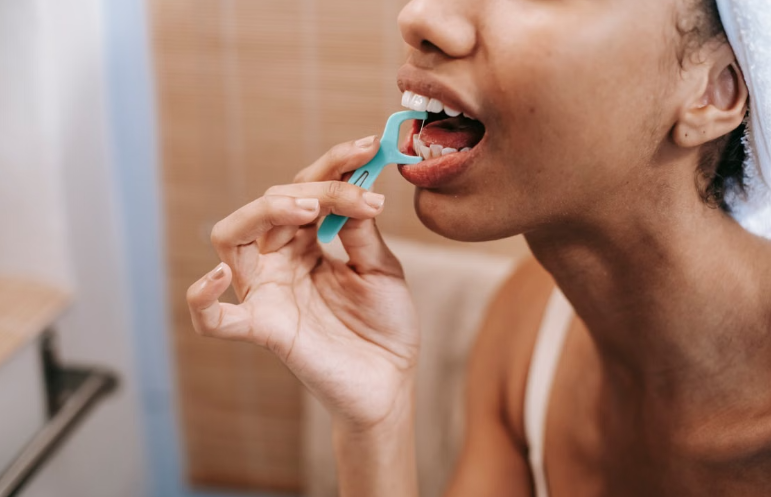
Missing a tooth or two and not sure which way to turn?
You’re not alone. Tooth loss is one of the most prevalent dental issues around and statistics back it up. Currently, 120 million Americans are living with at least one missing tooth. Which means there are lots of spaces that need filling.
The good news?
You have legitimate choices. And whichever choice you make will affect your dental health for years to come, so choose wisely.
What’s ahead in this guide:
- Why Replacing Missing Teeth Matters
- The Main Tooth Replacement Options
- How They Compare Over The Long Run
- Choosing The Right Option For You
Why Replacing Missing Teeth Matters
A lot of people think a missing tooth is just a cosmetic issue.
It isn’t.
When you lose a tooth, the jaw bone underneath begins to recede. Bone requires stimulation when you chew, and if this stimulation no longer occurs the body allows the bone to atrophy. As years go by this alters the appearance of your face and can make you look older.
But here’s the thing…
There’s more. Gaps from missing teeth can make it difficult to chew and speak clearly. Teeth neighboring the gap start to shift and tilt. Plus your bite becomes uneven, which stresses your entire mouth. That’s why replacing a missing tooth protects more than your smile.
This is why thousands of patients research dental tourism implants for full-mouth replacement without the jaw-dropping costs back home. Opting for full-mouth restoration overseas is becoming quite common for patients that require multiple teeth replaced and desire to maintain reasonable costs. As multiple tooth implants are one of the most permanent solutions available it’s important to know how they measure up.
So let’s take a look at what’s actually on the table.
The Main Tooth Replacement Options
There are three options for replacing missing teeth. All three methods have advantages and disadvantages.
Dental Implants
Implants consist of small titanium posts inserted into the jaw bone. They serve as artificial tooth roots with a crown attached.
Why do folks love them? Cause they are the most lifelike option. Natural appearance. Natural feel. Stimulates jawbone like a real root. So, no bone loss.
Implants are the standard of care for a reason, and studies prove it. Researchers conducted a meta-analysis and discovered a 10-year success rate of 96.4% from 18 individual studies. That is exceptionally high for any dental procedure.
Implants are great even when you’re replacing multiple teeth. You can restore an entire arch of your mouth using only a few posts to support your teeth. The downside is they’re expensive initially and take time.
Dental Bridges
The bridge replaces a tooth by anchoring the false tooth between healthy teeth on each side.
Reasons why people pick them: They are faster and less expensive than implants. They can typically be placed in two visits.
But here’s the downside…
In order for your dentist to place a bridge, they must carve healthy teeth next to the gap. So they’re destroying perfectly healthy teeth just so the bridge can sit there. Bridges also do nothing to prevent further bone loss below them.
Dentures
Dentures are appliances you can remove. They’re false teeth. Partial dentures replace some missing teeth. Full dentures cover an entire arch.
Why would someone choose them? They are the least expensive option and non-invasive.
The issue is they can slip, they can be uncomfortable to wear and they don’t support the jawbone. And as that bone continues to shrink underneath, dentures may need relining over time.
How They Compare Over The Long Run
Okay, now for the fun part…How does each option age?
Because a cheap fix today can quietly cost a fortune down the line.
Look at the long-term data and the gap between them is hard to ignore:
- Implants rank highest at each phase of treatment. Success rates for single-tooth implants range from 94.6% to 100%. The average success rate reported in most contemporary studies is 97% or higher.
- Bridges have approximately 89% to 91% 5 year survivorship which drops to 79% to 82% at 10 years.
- Removable partial Dentures … 93.2% at 10 years. Dropping sharply to 68.6% at 20 years.
See the pattern?
Implants last longer. They also preserve your jawbone and you don’t need to alter healthy teeth like with a bridge. That’s a huge advantage for your oral health in the long run.
Quick FYI: Implant success is also dependent on the individual. Smoking, diabetes and poor bone quality will decrease your chances of success. As you can probably guess, healthiest patients have the highest success rates. Overall health matters as well.
Here’s the same thing side by side:
| Implants | Bridges | Dentures | |
|---|---|---|---|
| Lifespan | 20+ years | 10-15 years | 5-10 years |
| Protects jawbone? | Yes | No | No |
| Damages other teeth? | No | Yes | No |
| Upfront cost | High | Medium | Low |
Choosing The Right Option For You
So which one wins?
It depends on the situation — there’s no single right answer for everyone.
Budget is low and time is of the essence…dentures may be logical temporary solution. You only have one or two missing teeth and don’t feel like dealing with surgery? Consider a bridge. However if you are looking toward the future and desire the most healthy permanent option… implants win hands down.
A few questions worth asking before deciding:
- How many teeth need replacing?
- What’s the budget — both now and over the next 20 years?
- Is protecting the jawbone a priority?
- Is a minor surgical procedure on the table?
- What does the dentist actually recommend for the case?
The need for permanent dentures is rising. As baby boomers age and more people understand the importance of oral health, more people than ever are opting for long-lasting solutions. Fixed dental implants continue to rise in popularity because they treat the problem correctly instead of masking it.
Wrapping It All Up
There’s probably nothing more beneficial that you can do for your mouth than replacing missing teeth. Let’s review:
- Bone Loss Happens From Missing Teeth. It affects your entire mouth, not just your smile.
- The three main options are implants, bridges and dentures.
- Implants provide the longest lasting durability and are the only choice that preserves the jawbone.
- Bridges and dentures are cheaper upfront but don’t go the distance.
- Proper choice depends on your budget, health, and number of teeth affected.
Don’t just plan for today. Plan for where you want your oral health to be in 10 or 20 years… then make the choice that leads you there.


Cardiovascular health is a crucial aspect of overall well-being, yet it often gets overshadowed by other pressing health concerns. With heart disease being one of the leading causes of death globally, it’s more important than ever to stay proactive about maintaining a healthy heart. But with so many supplements on the market claiming to support cardiovascular health, how do you choose one that truly delivers? This is where Provascin comes into play—a revolutionary solution designed specifically for those looking to enhance their heart health naturally and effectively. Let’s dive in and discover what makes Provascin stand out in today’s crowded wellness landscape.
What is Provascin?
Provascin is a cutting-edge dietary supplement designed specifically for cardiovascular health. It aims to support heart function, circulation, and overall wellness.
This innovative formula combines natural ingredients known for their beneficial properties on the circulatory system. Each component is carefully selected to enhance heart performance while promoting healthy blood pressure levels.
With growing concerns about heart disease globally, Provascin emerges as an essential ally in maintaining optimal cardiovascular health. It caters to those seeking preventive care or assistance with existing conditions.
Many users appreciate its holistic approach, allowing them to integrate it seamlessly into their daily routines. The result? A product that resonates with individuals who prioritize both safety and efficacy in their health choices.
The Science Behind Provascin: How it Works
Provascin operates on a solid scientific foundation, targeting cardiovascular health at its core. It combines powerful ingredients that work synergistically to improve blood flow and support heart function.
One of the key mechanisms involves enhancing nitric oxide production in the body. This molecule relaxes blood vessels, leading to better circulation and lower blood pressure. Improved circulation means more oxygen reaches vital organs, promoting overall wellness.
Additionally, Provascin contains antioxidants that combat oxidative stress. By neutralizing harmful free radicals, these compounds protect the heart from damage over time.
The formula also supports cholesterol management by promoting healthy levels of HDL and LDL cholesterol. Balanced cholesterol levels are crucial for maintaining arterial health and reducing cardiovascular risks.
Together, these elements create a comprehensive approach to cardiovascular support, making Provascin an innovative solution for those seeking improved heart health without invasive procedures or pharmaceuticals.
Key Ingredients and Their Benefits
Provascin boasts a blend of powerful ingredients designed to support cardiovascular health effectively. One standout component is Omega-3 fatty acids. These essential fats are known for reducing inflammation and improving overall heart function.
Another key ingredient is Coenzyme Q10, which plays a crucial role in energy production within cells. This nutrient helps enhance the efficiency of heart muscles, promoting better circulation.
Also included is L-Carnitine, an amino acid that aids in fat metabolism. It can help reduce fat deposits around the heart and improve endurance during physical activity.
Vitamin K2 contributes to bone and vascular health by ensuring calcium remains in bones rather than accumulating in arteries. Together, these ingredients create a synergistic effect that can lead to improved cardiovascular well-being without compromising safety or effectiveness.
Customer Testimonials and Success Stories
Many users have shared their transformative experiences with Provascin. One customer, Sarah, reported significant improvements in her energy levels and overall well-being after just a few weeks of use. She expressed how this supplement helped her regain confidence in daily activities.
John, another enthusiastic supporter, noted a marked reduction in his cholesterol levels. He had struggled for years to maintain heart health despite various diets and exercises. With Provascin, he found the support he needed.
Lisa’s story is equally inspiring. After incorporating Provascin into her routine, she was pleasantly surprised by how quickly it improved her circulation issues that plagued her for years.
These testimonials illustrate real-life changes that many are experiencing thanks to Provascin’s unique formulation. Their stories reflect hope and empowerment as they navigate their cardiovascular health journeys with renewed vigor.
Comparison with Other Cardiovascular Health Supplements
When exploring cardiovascular health supplements, it’s crucial to evaluate effectiveness and ingredients. Many products boast heart benefits but lack scientific backing. Provascin stands out in this crowded market.
Unlike generic options that rely on common herbs, Provascin harnesses a unique blend of potent compounds specifically designed for optimal heart function. Its formulation targets blood flow and cholesterol levels more efficiently than typical alternatives.
Some competitors may offer quick fixes or temporary relief without addressing underlying issues. Provascin takes a comprehensive approach by promoting long-term cardiovascular wellness through its carefully selected ingredients.
While some supplements may leave users feeling uncertain, the transparency around Provascin’s research-driven development builds trust among consumers. This focus on quality sets it apart from many other brands aiming for quick sales rather than genuine health improvements.
Usage Instructions and Potential Side Effects
Using Provascin is straightforward. For optimal results, take the recommended dose as specified on the packaging or by your healthcare provider. Consistency is key; try to incorporate it into your daily routine.
Most users experience little to no side effects when taking Provascin. However, some may notice mild gastrointestinal discomfort or headaches during the initial days of use. These symptoms often subside as your body adjusts.
It’s essential to consult with a healthcare professional before starting any new supplement, especially if you have pre-existing health conditions or are on medication. This precaution ensures that Provascin aligns well with your individual health needs.
Always store Provascin in a cool, dry place away from direct sunlight and moisture. Proper storage helps maintain its potency and effectiveness over time.
Where to Buy Provascin
Finding Provascin is a straightforward process. You can purchase this revolutionary supplement directly from the official website. This ensures you’re getting an authentic product and not counterfeit alternatives.
Additionally, many reputable health stores may carry Provascin on their shelves. It’s worth checking both local pharmacies and specialized wellness shops in your area.
For those who prefer online shopping, various e-commerce platforms list Provascin as well. However, always verify that you’re buying from trusted sellers to avoid scams or inferior products.
Keep an eye out for seasonal promotions or discounts available through the manufacturer’s site. These deals can make it even more affordable to invest in your cardiovascular health with Provascin.
Conclusion: Is Provascin the Solution You’ve Been Looking For?
As the landscape of cardiovascular health continues to evolve, many individuals are seeking effective solutions that truly make a difference. Provascin stands out due to its unique formulation and scientifically-backed ingredients designed to support heart health. The testimonials from satisfied users indicate promising results, showcasing improved well-being and vitality.
Provascin not only offers advantages over traditional supplements but also provides peace of mind through its natural components. With clear usage instructions and minimal side effects reported, it’s an accessible option for those looking to enhance their cardiovascular function.
For anyone grappling with concerns about heart health or simply wanting to maintain optimal wellness, Provascin presents a compelling choice worth considering. This innovative solution may very well be the answer you have been searching for on your journey toward better cardiovascular health.
-

 BLOG1 year ago
hanime1: The Ultimate Destination for Anime Lovers
-

 Technology1 year ago
GLAADVoice.com: How You Can Get Involved and Make a Difference
-

 ENTERTAINMENT1 year ago
Sflix: How It’s Changing the Way We Watch Movies and TV Shows
-

 BILLS1 year ago
Why Does My Instagram Reel Stop Getting Views After One Hour? How to Fix It?
-

 BLOG1 year ago
Imginn: The Ultimate Tool to View Instagram Content Anonymously
-

 ENTERTAINMENT1 year ago
Crackstreams 2.0: The Future of Free Sports Streaming?
-

 BLOG1 year ago
NHentai.nef: Understanding the Popular Hentai Archive
-

 BLOG12 months ago
ThisVid: What Makes It Stand Out in the World of Online Videos