
BUSINESS
Web Design Agency and Why Most Websites Quietly Lose Customers


Most business websites fail in a way that is hard to notice. They do not crash. They do not look outdated. They even receive traffic. Yet somewhere between arrival and action, potential customers disappear. No inquiry. No follow up. No clear reason why.
A web design agency often becomes part of the conversation when this pattern repeats for months. Business owners sense that something is wrong but struggle to pinpoint it. The site appears professional, yet it does not feel persuasive. The issue is rarely aesthetic. It is almost always about trust and direction.
This article explores why many websites struggle to convert despite looking modern, how design subtly shapes decision making, what common structural mistakes cause hesitation, and how strategic design turns passive visitors into confident prospects.
When a Website Looks Professional but Feels Unconvincing
Many websites deliver information correctly but fail emotionally. They explain services clearly yet never reassure the visitor. The language is polished, the visuals are clean, but something feels distant. Users cannot articulate the problem, but they sense it instantly. Online trust forms within seconds. When a website feels generic or overly templated, visitors hesitate. They wonder whether the business behind it is equally interchangeable. That hesitation is rarely dramatic, but it is enough to end the engagement quietly.
Why Attractive Design Alone No Longer Works
Design trends have become widely accessible. Templates, builders, and themes allow almost any website to look modern. As a result, visual quality alone no longer differentiates businesses. What separates effective websites today is intent. Pages must feel designed for the visitor, not assembled for display. When design prioritises appearance over guidance, users admire briefly and then leave without clarity.
How Structure Directs Attention Without Being Obvious
Visitors do not read websites logically. They skim, scan, and search for reassurance. Structure determines what they notice first and what they ignore completely. A strong layout guides attention naturally. It anticipates questions before they are asked. When structure is intentional, users feel oriented rather than overwhelmed. When it is not, they drift.
Why Confusion Is the Fastest Conversion Killer
Confusion rarely looks dramatic. It appears as small pauses. Extra scrolling. Re reading sentences. These moments create friction. When visitors must think too hard, confidence fades. Clear hierarchy, simple flow, and restrained messaging reduce mental effort. The easier the experience feels, the safer the decision becomes.
Design as a Silent Form of Communication
Design communicates before words do. Spacing suggests confidence. Consistency suggests reliability. Simplicity suggests clarity. When design elements conflict or feel rushed, users question professionalism unconsciously. Effective design speaks quietly but persuasively.
Where Many Websites Lose Momentum
A common mistake is treating each page as an isolated piece. Services are listed, information is provided, but the journey lacks continuity. Strong websites function as connected systems. Each page supports the next. Navigation feels purposeful. Momentum builds naturally toward action rather than stalling midway.
Why Strategy Must Precede Layout
Design without strategy becomes decoration. Strategy defines what matters most, who the visitor is, and what decision the website should support. When strategy leads, design becomes purposeful. Layout choices are no longer subjective. They serve clarity and direction rather than preference.
The Growing Importance of Mobile Experience
For many users, mobile is the first and only interaction with a business. A site that feels cluttered or difficult on mobile instantly damages trust. Mobile design is not about shrinking content. It is about simplifying decisions. When mobile experience feels effortless, credibility increases immediately.
Measuring Design Through Behaviour Instead of Opinion
Design debates often focus on taste. Behaviour reveals truth. Scroll patterns, exit points, and time spent expose where trust breaks down. When design decisions are guided by behaviour, improvement becomes measurable rather than emotional.
Building Websites That Can Evolve
Businesses change. Services expand. Messaging matures. Websites must adapt without constant rebuilding. Scalable structure allows growth without disruption. This flexibility separates short term sites from long term assets.
When a Website Starts Working Quietly
The most effective websites rarely feel impressive. They feel comfortable. Visitors stay longer. Decisions feel easier. Enquiries happen without pressure. When design removes doubt instead of demanding attention, it begins working quietly in the background of the business. That quiet effectiveness is what turns a website from a visual presence into a genuine growth tool.
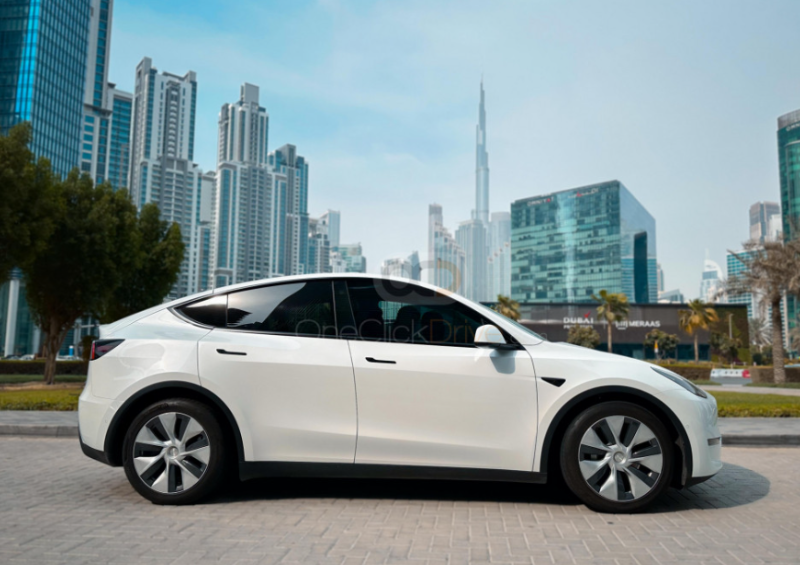
Ask anyone where to buy a car in the UAE and they’ll say Dubai. Fair enough. But a lot of people who’ve actually done the rounds end up driving to Sharjah instead, and they keep doing it. The emirate’s close to everything, it’s packed with stock, and the prices usually come in under what you’d pay one emirate over. Once you’ve found a deal there, it’s hard to go back to paying more for the same car somewhere shinier.
The Sharjah car market covers pretty much anything on four wheels. Cheap commuter sedan? It’s there. Used family SUV with the school run in mind? Also there, probably a few streets away. The thing that makes it work isn’t the stock on its own. It’s the room to compare. You walk between sellers, line up a few prices, and take your time. Nobody’s rushing you into a decision because the lot’s nearly empty, which is exactly what happens in markets that don’t carry much.
Why Sharjah Has Become A Leading Automotive Hub
A few things got Sharjah here. Density is the big one. Showrooms, independent traders, the small automotive outfits, all of them sit close together, especially around the Industrial Area. And when sellers are basically next door to each other, none of them can sit on an inflated price for long. The car two doors down does the negotiating for you.
Location does the rest. Sharjah’s got Dubai on one side and the Northern Emirates on the other, so you can see stock from a dozen suppliers in an afternoon and still have fuel in the tank. For a family running between work and school pickups, that’s not a small thing. The time you don’t spend hunting is time you get to keep.
Then there’s the budget question. New arrival who needs a first car, a family after a roomier sedan, someone running a delivery business who needs a van that works. Sharjah handles all three without shoving anyone into a bracket that doesn’t fit them. That kind of range is rare, and it’s most of the reason the market’s name holds up.
A Wide Variety Of Vehicles To Choose From
Choice is really the whole pitch. Sharjah’s stock runs across almost every need and price point, which is why first-time buyers tend to start here. They want something cheap to run and easy to insure, and the market actually gives them options worth looking at instead of a short, tired list.
Families go for SUVs and crossovers, and the reasons aren’t complicated. More room. A higher seat that turns the morning drop-off from a wrestling match into something manageable. Resale value that holds when the sedans around it are sliding. Those cars stay in demand right across the UAE, and Sharjah keeps a steady stream of them coming through.
Premium buyers aren’t shut out either. There’s plenty of luxury stock for the people who care how a car drives and how it looks sitting outside the house. And business owners find their vans, pickups and fleet vehicles, the kind built to actually earn. Getting all of that inside one market, instead of burning a week driving between emirates, is half the reason people end up signing in Sharjah.
Understanding The True Cost Of Vehicle Ownership
The price on the windscreen is never the whole story, even if it’s the first thing that grabs you. Smarter buyers in Sharjah look past it and work out what the car costs to actually keep running. Insurance. Registration. Servicing. Fuel. The repair nobody saw coming. All of it lands on the real number eventually.
Plenty of people lock onto the sticker and quietly ignore the rest. That’s how a cheap car turns into an expensive one by year two. Something that costs a bit more upfront but barely sips fuel and rarely sees the inside of a workshop will beat a bargain that drinks petrol and breaks down every other month. Working out a budget that covers the buy and the running costs is a boring job. It’s also the thing that stops a car becoming a monthly headache.
Why Vehicle History Matters
A car’s past tells you most of what its future looks like. Service stamps, the maintenance notes, how many hands it’s passed through, whether it’s ever been in a crash. Put it together and you get a fairly honest read on how the thing was treated before it landed on the lot.
Cars that were looked after keep their value and hand the next owner far fewer surprises. So read the records properly. Ask the blunt questions about what got fixed and when. When a seller answers straight, the whole deal feels safer for everyone, and a car with clean, documented history always looks better parked next to one with gaps in the paperwork.
The Growing Impact Of Online Automotive Platforms
Shopping for cars went online and never came back. You can scroll a few hundred listings before you ever set foot in a showroom now, comparing price, mileage and condition from the sofa at eleven at night.
This is where a marketplace pays off. OneClickDrive, a UAE-based platform, lists used cars in Sharjah from dealerships and private sellers in the same place and puts buyers straight through to the supplier, no middleman quietly adding to the price. Clear photos, specs that aren’t dressed up, filters that actually cut the list down. All of it saves you the hours you’d otherwise lose driving around chasing cars that turn out to be nothing like the ad. Online research stopped being the bonus step a while ago. For most people it’s the first move now, done before a single call gets made.
Financing Options For Modern Buyers
Financing is how a big chunk of UAE residents end up driving anything at all. Banks and finance houses run a stack of plans that split the cost into monthly payments a normal household can actually carry.
The trouble’s always in the small print. Interest rate, the length of the term, the deposit they want upfront, what it costs you to settle early. Any one of those can move the total far more than people expect when they’re signing. Get quotes from two or three lenders before you commit to anything. It’s the simplest way to stop yourself from overpaying for years without noticing. A plan that’s thought through opens the door to owning the car without flattening the rest of the budget.
The Importance Of Professional Inspections
An inspection is cheap insurance. That’s the short version. A car can feel flawless across a ten-minute test drive and still be hiding a tired gearbox or a patched-up shunt under the paint. The trained eye sees what the excited buyer walks straight past.
A proper check goes over the engine, gearbox, suspension, brakes, tyres and electrics, then tells you what shape the car’s genuinely in before any cash moves. A few hundred dirhams on that today saves you several thousand later. Which is exactly why nobody serious about buying in the UAE skips it anymore.
Automotive Trends Shaping Consumer Preferences
What buyers want keeps moving as the cars keep changing. SUVs are still sat at the top of the pile, mostly because they fit family life and UAE roads, and that demand isn’t going anywhere soon.
Hybrids and electric cars pull a bit more interest every year. Cheaper to run, more chargers going up around the emirates, batteries that finally last. It’s nudging along buyers who wouldn’t have looked twice a few years back. Safety kit counts for more in the decision now too. Adaptive cruise, blind spot alerts, auto braking, all of it went from luxury extra to something people actively ask for, even on a mid-range car. Add it up and the direction’s pretty plain. People want efficient and safe, and they don’t want to trade away value to get there.
Maximizing Value When Upgrading Your Vehicle
Most owners hit the point where the current car stops fitting the life around it. A new baby. A new job. A business that outgrew its old van. Sometimes just plain boredom. Whatever it is, getting the old car ready before you list it makes a real difference to what it brings in.
A service, a proper clean, sorting the small dents and scuffs. All of that changes how a buyer reads the car in the first thirty seconds. Have the paperwork sorted, service book and ownership docs ready to hand over, and you’ve built trust before anyone says a word. Owners thinking about how to sell my car in Sharjah do far better once they know what the local market actually wants and present the car like they cared about owning it. Buyers reward the sellers who give straight answers and show, plainly, that the car was looked after.
The Future Of Sharjah’s Automotive Industry
Sharjah’s car trade looks set to keep growing for a good while yet. Population’s climbing, the roads and infrastructure keep stretching out, and demand has held steady through nearly every dip the wider market threw at it. As more electric cars land on the lots and the online platforms get sharper at matching buyers with the right stock, people get more transparency and a lot less hassle for their money.
Sharjah’s name for variety, value and easy access keeps it strong in the wider UAE market. First car, trading up, or just having a look before you decide anything, the emirate hands you deep stock and real competition to pick from. Do a bit of research, keep a clear head about what you actually need, and be willing to compare a few options properly. Do that, and most people find the Sharjah car market is one of the easier ones in the country to walk away from with a fair deal in hand.
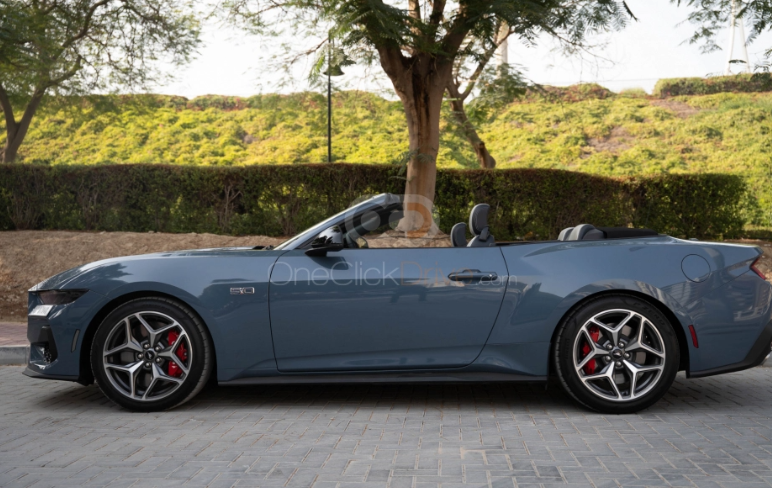
Most standard rental vehicles seat five people at a push and four comfortably. That works fine until it does not, and it stops working the moment a family of six arrives at the collection point, or a corporate group of seven needs to get across Dubai to a meeting at the same time, or a set of friends wants to go somewhere together without coordinating two separate cars across two separate routes through a city none of them know well.
The larger rental vehicle market has grown steadily around that problem. Not because the problem is new, but because the vehicles available to solve it have improved considerably, the pricing has become more competitive, and the range of models carrying genuine passenger comfort in the third row has expanded to include options that do not ask passengers to sacrifice either comfort or luggage space for the benefit of the headcount.
Searches for 7 seater car rental are among the most active options in Dubai’s rental market for buyers who need genuine passenger space without the constraints of a standard five-seat vehicle. The demand comes from enough different directions that the category has developed real depth.
Why Larger Vehicles Are Becoming More Popular
Travelling as a group in one vehicle is simpler than coordinating two. One departure time, one route decision, one parking space, one driver managing navigation while everyone else talks or looks at their phones: the coordination overhead of keeping a group of seven people in two separate vehicles, in sync, across multiple destinations in an unfamiliar city is a real cost that does not appear in the rental rate but shows up in the actual travel experience.
Families with young children feel this most directly. Managing a group of children across two vehicles, through airports, rest stops, and tourist destinations with different entry points and parking areas, introduces complexity that a single large vehicle removes entirely. Most parents who have done both will tell you the single vehicle is worth a significant rate premium.
Corporate groups similarly benefit from the simplicity of arriving together. Everyone has the same briefing conversation on the way rather than two slightly different versions split across two cars.
Comfort Plays a Major Role in Travel Decisions
The assumption that larger vehicles mean compromised comfort has not been accurate for a while. Third-row seating in older people carriers was often cramped enough that the nominal seven-seat capacity was honest only for short trips with small passengers. Current generation seven-seaters, in the better models, offer rear seating that adults use comfortably for journeys of several hours. The Hyundai Staria is the clearest example of how far this has moved: rear passengers sit in chairs that would not look out of place in a business class cabin, with ceiling heights that allow standing entry without ducking.
Travelling Together Improves Convenience
The navigation problem in Dubai is real for visitors who do not know the city. Following a lead vehicle through junctions, lane changes, and roundabouts that are obvious to residents and confusing to newcomers introduces stress and the genuine possibility of separation. A single vehicle removes that entirely.
It also removes the phone calls. Keeping two vehicles coordinated on timing, route, and stops requires constant communication that eats into the time the trip was supposed to provide. One vehicle, one driver, everyone in the same space: the coordination problem disappears without needing to be managed.
Financial Benefits of Group Transportation
The cost comparison between one seven-seat rental and two standard rentals is worth running before assuming the larger vehicle is the more expensive option. Two economy cars for the same period typically cost more than a single seven-seater of comparable quality. Add fuel for two vehicles, two parking costs, and the administrative overhead of two bookings, and the single vehicle often comes out ahead on total cost rather than just on convenience.
For groups where the alternative is multiple ride-hailing bookings rather than a second rental, the comparison is even more straightforward. Seven separate ride-hailing fares across a multi-day itinerary with meaningful transport volume: the rental wins clearly on cost before the convenience case is even made.
Technology Has Enhanced Modern Passenger Vehicles
Adaptive cruise control, lane keeping assistance, blind spot monitoring, and parking assistance: these matter considerably more on a larger vehicle than on a compact, and they are now standard or near-standard across most modern seven-seaters. The technology has not been held back from the category because it happens to carry more passengers.
Rear-seat screens, multiple USB charging points across all rows, and connectivity that keeps passengers in different rows entertained independently on longer journeys: the specific challenges of family travel have been addressed by current generation vehicles in ways that earlier generations did not seriously attempt.
Versatility for Different Travel Requirements
Seven-seater vehicles are not a single product. Large SUVs that combine off-road capability with people-carrying capacity. MPVs optimized for passenger numbers and flexible seating configurations. Premium people movers designed around the passenger experience rather than the driving one.
A family with young children and significant luggage needs flexible seating that can trade passenger seats for cargo space when required. A corporate group prioritizes interior quality and arrival presentation. An adventure group needs ground clearance and four-wheel drive alongside the capacity. The category is broad enough that these different requirements can usually be matched to specific models rather than forcing buyers to compromise on what actually matters to them.
The Rise of Premium Family Transportation
Buyers who are used to the interior quality of a premium sedan do not expect to step down when moving to a seven-seater for family travel. The market has responded to that expectation with vehicles that do not ask for the compromise.
Premium people carriers now offer leather seating across all rows, independent rear-zone climate control, and noise insulation that makes conversation comfortable at highway speeds. That shift has happened faster than most buyers in the category expected, and the Hyundai Staria represents its current high-water mark.
Why Hyundai Has Become a Trusted Global Brand
Hyundai’s development over the last fifteen years has been substantial enough that the brand’s earlier reputation for acceptable-quality-at-lower-prices does not describe the current product. The quality gap has largely closed and in some segments Hyundai now leads on design and technology rather than simply offering reliable value.
Reliability data consistently places Hyundai among the better performers in its categories, which matters specifically in rental contexts where vehicles cover high mileage with varied users and need to perform consistently across all of them.
A Fresh Approach to Passenger Mobility
The Staria is the clearest statement of where Hyundai has arrived. The exterior design takes risks that most people carrier manufacturers avoid: a shape that is immediately recognizable and looks purposeful rather than the result of cautious committee decisions. Inside, the emphasis is on the people being transported rather than the driver. Ceiling heights that allow comfortable entry. Seating that treats rear passengers as the primary consideration. Technology that acknowledges all rows exist and equips them accordingly.
For a category that was built around moving people efficiently and then forgetting about whether they were comfortable doing it, the Staria is a meaningful course correction.
Why Demand Continues to Rise
For buyers searching for a Hyundai Staria for rent, the vehicle answers the people-moving problem with more interior quality and more distinctive presence than the category has typically offered. Airport transfers with a full family and their luggage. Corporate transport for a leadership team between events. A group of friends travelling together without the coordination overhead of multiple vehicles.
Rental companies that carry the Staria find it requested by name from buyers who have travelled in one before or researched the category specifically enough to know what they are looking for. That name recognition in a category where most vehicles are searched generically is a reasonable indicator of how much the vehicle stands out.
The Future of Group Travel Rentals
Electric people carriers are in development across several manufacturers and will begin appearing in rental fleets as infrastructure supports them. The interior quality expectations that the current generation has established are not going to reverse: buyers who have experienced what a premium seven-seater feels like now have a reference point that cheaper options will need to address.
For group travel in Dubai specifically, the practical case for a single large vehicle over multiple smaller ones is strong enough that demand for the category is unlikely to soften. The city’s layout, the distances involved, and the specific complexity of group navigation in unfamiliar territory make the single-vehicle solution the right answer for a large proportion of the groups that need to move across it.

Walk into any struggling salon and you’ll usually find the same problem: money spent on branding and décor, while corners are cut on the tools staff use every day. The equipment is the business. Everything else is decoration.
Here’s what actually matters, and how to check off your hair salon equipment list without overspending.
Salon Must-Haves: The Non-Negotiables
- Styling chairs take more punishment than anything else in the salon. Cheap hydraulics fail within a year. Look for adjustable height, dense cushioning, and easy-clean upholstery, clients sitting for 90-minute color services will notice the difference, and so will your rebooking rates.
- Styling stations should do one thing well: keep stylists moving. That means heat-resistant surfaces, proper outlet placement, and enough storage that tools aren’t sitting on the counter between uses. A cluttered station slows down every service.
- Shampoo units are underestimated. A stiff neck rest or an awkward recline angle is the kind of thing clients mention to their friends, in the wrong way. Ergonomic neck support and solid plumbing fixtures are worth paying for.
- Professional hair dryers are not a luxury category. Consumer models aren’t built for six hours of daily use. Commercial dryers offer better airflow, real temperature control, and a lifespan that justifies the price. Budget dryers get replaced constantly; professional ones don’t.
If You Offer Skin Services
A facial bed with adjustable positioning and high-density padding makes a measurable difference in how clients experience treatments. Combined with a magnifying lamp (essential for precision work, extractions, lash services, brow shaping) and a facial steamer to prep skin before treatment, these three pieces cover the core of most facial menus.
Hygiene Equipment: Not Optional
Clients notice cleanliness more than almost anything else. UV sterilizers and hot towel cabinets are inexpensive relative to the trust they reinforce. More importantly, most jurisdictions require them.
Mobile trolleys and organized storage aren’t exciting, but a cluttered workstation signals disorganization to clients and costs stylists time on every service.
How to Spend Without Overspending
The most common mistake is buying everything at once. New salons routinely acquire equipment for services they rarely perform, then wonder why cash flow is tight.
A better approach:
| Category | Start Here | Upgrade When |
| Styling chairs | Solid hydraulic, clean finish | Client volume justifies premium |
| Dryers | Commercial-grade handheld | High daily demand |
| Facial equipment | Bed + lamp + steamer | Facial services become core revenue |
| Sterilization | UV sterilizer | Regulatory requirements or scale |
Buy what your current service mix demands. Expand when demand confirms it.
The Bottom Line
Talent keeps clients coming back. Equipments in salon makes it possible to deliver consistently, every appointment, every day. One broken chair or a dryer that overheats on a busy Saturday costs more in client experience than the money saved buying the cheaper option.
Buy quality for the equipment you use constantly. Be conservative on everything else until the business grows into it.
FAQs
Should I buy new equipment or is used a viable option?
Used equipment can work well for certain categories, reception furniture, storage units, and basic cabinetry hold up fine secondhand. For anything with mechanical or electrical components (hydraulic chairs, facial machines, dryers), used is riskier. You inherit wear you can’t see, warranties are gone, and replacement parts for discontinued models can be hard to source. If budget is tight, buy new for the high-use items and save money elsewhere.
How much space should I plan for per styling station?
A workable minimum is around 6 feet of linear wall space per station, enough for the chair, the station itself, and comfortable movement behind the client. Tighter than that and stylists are constantly working around each other, which slows services and creates a cramped feel clients pick up on. If you’re fitting out a new space, plan the equipment layout before signing a lease, not after.
Does the brand of equipment matter, or is it mostly marketing?
Brand matters in specific ways. Established manufacturers typically have better parts availability, actual warranty support, and equipment that’s been field-tested over years. Lesser-known brands aren’t automatically inferior, but they carry more risk, if something breaks six months in and the supplier is hard to reach, you’re paying for a replacement out of pocket. For core equipment, a recognizable brand with documented service support is worth the modest premium.
What’s the right order to buy equipment when opening on a limited budget?
Prioritize in order of revenue impact: styling chairs and stations first (you can’t cut hair without them), shampoo units second, then dryers. Sterilization equipment is legally required in most places, so that’s non-negotiable regardless of budget. Facial beds and specialty equipment come last, only once your core service revenue is stable enough to justify expanding the menu.
-

 BLOG11 months ago
hanime1: The Ultimate Destination for Anime Lovers
-

 ENTERTAINMENT1 year ago
Sflix: How It’s Changing the Way We Watch Movies and TV Shows
-

 BILLS1 year ago
Why Does My Instagram Reel Stop Getting Views After One Hour? How to Fix It?
-

 ENTERTAINMENT12 months ago
Crackstreams 2.0: The Future of Free Sports Streaming?
-

 BLOG11 months ago
Imginn: The Ultimate Tool to View Instagram Content Anonymously
-

 BLOG10 months ago
ThisVid: What Makes It Stand Out in the World of Online Videos
-

 Technology1 year ago
Simpcitt: The Rise of a Unique Online Community
-

 BLOG1 year ago
NHentai.nef: Understanding the Popular Hentai Archive