
BLOG
Are THC-Free CBD Gummies Safe for Kids? A Parent’s Guide to Colorado Botanicals’ Child-Friendly CBD Options


Why should adults have all the fun? Well, right or not, that’s a growing sentiment among parents who want clean, safe, and regulated THC-free CBD gummies for kids. Cloudy regulations, lack of clear guidelines, and no strict quality checks have made it hard for people to access kid-friendly cannabinoid products.
In fact, in most places, giving CBD to kids is frowned upon due to a lack of studies and the poor track record of many wellness brands when it comes to quality and safety.
Parents are now asking for children-specific CBD products that are free from intoxicating cannabinoids like THC to help their kids with sleep troubles, stress, fatigue, and sleep troubles. Gummies are a top choice as they come in delicious flavors and are much easier to dose compared to oils and pills.
This guide will help you know what parents need to know about giving CBD to their kids, how to spot quality products like Colorado Botanicals’ child-friendly gummies, and understand what doctors are saying. After all, you do need to consult with your pediatrician first instead of self-diagnosing the issue and adding CBD gummies to your kid’s diet.
Why is THC-free formulation important when it comes to CBD for kids?
THC (tetrahydrocannabinol) is a highly intoxicating compound. It can make you high, lose your sense of time, paranoid, panicked, and even highly stressed. CBD (cannabidiol), on the other hand, is non-psychoactive; you can’t get stoned from consuming it.
Most CBD products are made with hemp plants, which by default have very low THC concentration, but in the case of kids, even low amounts can have negative effects. THC may mess up brain development, cause memory problems, and even lead to feelings of fear and confusion in kids.
That’s why it’s important to consider only zero-THC products for kids. So full-spectrum CBD is a big no-no, but broad-spectrum or isolated products can work around it. Colorado Botanicals is one of the rare few brands that make children-friendly CBD gummies with zero THC and only clinically proven safe ingredients.
Whenever you think about getting CBD for your kids, do check the lab test reports thoroughly. It will show you the exact levels of cannabinoids and traces of heavy metals, adulterants, and foul substances, if any.
Since it’s legal to sell CBD with trace THC levels (less than 0.3%), it’s important that you do your research properly and select only zero-THC products for kids.
Is CBD safe for kids? What does science say?
This is the tricky part; you’ll find experts on both ends of the spectrum. However, the major concern is that research on this is rare and limited. Most of the studies are done on adults only, so the scientific community as a whole is a bit skittish about the safety of CBD products for kids, even when they are completely free from THC.
There is little clarity on how it affects growing bodies and brain development. The only concrete research done so far is for “Epidiolex.” It’s an FDA-approved CBD-based prescription medicine used for treating severe forms of epilepsy in kids as young as 1 year old.
But that’s a medical-grade product that is given only under supervision; it’s not something that you can buy over the counter without a prescription. Plus, even during the Epidiolex trial, side effects like weakness, rashes, low appetite, fatigue, and an increase in certain liver enzymes were observed.
It’s not all doom and gloom; there are some positive instances as well. As CBD adoption increases, trials involving kids are also expanding. Certain early datasets show CBD’s effectiveness when it comes to sleep problems, anxiety, and ADHD symptoms.
But then again, this is very sparse data and can’t be taken at face value. That’s why it’s better to get in touch with a doctor first, better to try approved medicines first, and only go with CBD if it’s the last resort and the doctor approves. With time, things may improve, and better studies may come out, but for now, giving CBD to kids remains a not-so-stable position in the medical community.
What to look for when buying CBD for kids?
If you are hell-bent on buying CBD for your kids and do have doctor’s approval, then it’s better to stick with brands like Colorado Botanicals. Their products are free from artificial ingredients, have an exact amount of cannabinoids as mentioned on the label, and come with a 60-day money-back guarantee.
Their broad-spectrum gummies come in doses as low as 10 mg CBD per gummy, which is perfect for a kid’s body. These are zero-THC gummies and go through special filtration methods to retain only non-intoxicating and therapeutic cannabinoids.
Plus, the natural strawberry and orange flavors are something that most kids will like. If Colorado Botanicals is not available in your vicinity, then you should check the following things before buying THC-free CBD gummies:
- Lab Test Report
- Extraction Method
- CBD Type
- Ingredient Quality
- Production Facility Allergen Rating
- Brand Certifications
Dosage Guidelines of CBD Gummies for Kids
CBD is more of a trial-and-error thing, plus there’s no pediatric-approved CBD dosage guideline as of now. Some parents do report that CBD helps their kids with hyperactivity, sleep disorders, nightmares, and anxiety, but there’s no one-size-fits-all guideline.
So it’s better to consult with the kid’s doctor first, and maybe don’t go above 5-10 mg per day. Depending on the severity of health conditions, doctors are better suited to recommend the right dosage guidelines. Also, if your kid reports side effects like weight loss, upset stomach, low appetite, headaches, and panic, stop the dosage right away and get in touch with a pediatrician.
The End Note
There’s no clarity on whether THC-free CBD gummies are perfectly safe for kids. It may work for some kids, while in others there might be no good results. There’s simply not enough research yet to deem it completely safe for kids.
The fear of the unknown far outweighs the pros. Still, if you, as a parent, decide to buy some CBD gummies for your kid, stick with brands like Colorado Botanicals and consult with the pediatrician as well. They will be better equipped to assist in case of any mishap.


In the fast-paced world of blogging, standing out is essential. With countless voices vying for attention, finding tools that enhance your writing process can be a game-changer. Enter Innøve—an innovative platform designed specifically for bloggers eager to elevate their craft. Whether you’re crafting compelling narratives or optimizing content for search engines, Innøve offers features that can streamline and enrich your workflow. Curious about how it all works? Let’s dive into what makes this tool an indispensable part of every blogger’s toolkit.
Features and Benefits of Innøve
Innøve offers a range of features designed to streamline your writing process. Its intuitive interface allows for seamless navigation, making it easy to focus on creativity rather than technicalities.
One standout feature is the real-time collaboration tool. This enables bloggers to work with peers or editors effortlessly, fostering a dynamic content creation environment.
Additionally, Innøve includes advanced analytics that provide insights into reader engagement and performance metrics. Understanding what resonates with your audience can significantly enhance future posts.
The built-in SEO suggestions are also invaluable. They guide writers in optimizing their content without overwhelming them with jargon.
Its customizable templates cater to different blogging styles and niches. This flexibility ensures that every blogger can find their unique voice while maintaining professionalism in presentation.
How Innøve Can Improve Your Blogging Process
Innøve transforms the way you approach blogging. Its intuitive interface makes idea generation effortless. You can brainstorm topics, outlines, and even entire drafts seamlessly.
With advanced AI-driven suggestions, Innøve helps refine your content as you write. It highlights key phrases and keywords that boost SEO without sounding forced.
One standout feature is its collaboration tools. If you’re working with a team or guest writers, sharing notes or edits becomes simple and effective. Feedback happens in real-time.
The analytics dashboard allows bloggers to track engagement metrics easily. Understanding what resonates with your audience empowers better content creation over time.
Furthermore, Innøve’s customizable templates streamline formatting and design choices. This saves precious time so you can focus on creativity rather than logistics.
Real Life Results from Bloggers Using Innøve
Bloggers using Innøve have reported remarkable transformations in their writing journey. Many have experienced a boost in productivity. Tasks that once took hours are now completed in a fraction of the time.
One blogger noted an increase in audience engagement after implementing Innøve’s content optimization features. Their comments section became more vibrant, with readers appreciating the fresh and relevant insights.
Another user highlighted enhanced creativity. With AI-driven suggestions, they found new angles for topics they thought were exhausted. This sparked inspiration and led to some of their most shared posts ever.
Additionally, bloggers praised the intuitive interface. It allows seamless integration into their existing workflows without overwhelming distractions.
Feedback consistently points to improved clarity and structure as well. Posts resonate better with audiences when key ideas are presented succinctly, thanks to Innøve’s organizing capabilities.
Tips for Integrating Innøve into Your Writing Routine
Start by setting specific writing goals. Define what you want to achieve with each blog post. This gives your use of Innøve a clear purpose.
Next, familiarize yourself with its features. Spend some time exploring the interface and tools available. Understanding how it works will help you utilize it effectively.
Incorporate Innøve into your brainstorming sessions. Use its prompts to generate fresh ideas that might not come to mind otherwise.
Establish a routine where you dedicate time for editing using Innøve’s feedback mechanism. This can fine-tune your drafts and enhance clarity.
Don’t hesitate to ask fellow bloggers about their experiences with Innøve. Sharing tips within the community can lead to new insights on optimizing your writing process further.
Comparison to Other Writing Tools
When comparing Innøve to other writing tools, the differences become clear. Many platforms focus solely on grammar checks or basic formatting. While these features are helpful, they often miss the bigger picture.
Innøve stands out by offering a holistic approach to content creation. It combines real-time collaboration with insightful analytics, making it easier for bloggers to refine their craft while working with others.
Other tools may require multiple integrations for comprehensive support. Innøve streamlines everything into one platform, reducing friction in your workflow.
Moreover, user experience is prioritized here. The intuitive interface allows you to navigate effortlessly between different functionalities without feeling overwhelmed.
For those who value efficiency and inspiration in their writing process, Innøve offers an edge that many conventional tools lack. This makes it an appealing choice for serious bloggers aiming for success in a competitive landscape.
Conclusion: Why Innøve is a Must-Have for Bloggers
Every blogger aims to produce high-quality, engaging content that resonates with their audience. Innøve stands out as a powerful tool that can elevate your writing process. Its innovative features streamline the creative journey, making it easier to generate fresh ideas and refine your work.
The benefits of using Innøve are clear—enhanced productivity, improved creativity, and a structured approach to blogging. By integrating this tool into your routine, you can transform how you write and connect with readers.
Real-life testimonials from bloggers reveal significant improvements in their workflow since adopting Innøve. They report increased efficiency and better engagement metrics on their posts.
With its user-friendly interface and smart features, adapting Innøve into your writing habit is seamless. Whether you’re a seasoned writer or just starting out, embracing this tool could provide the edge you’ve been searching for.
When compared to other writing tools on the market, Innøve offers unique advantages that cater specifically to bloggers’ needs. It’s not just about drafting; it’s about nurturing your content from inception to publication.
Choosing to integrate Innøve may very well be one of the best decisions you make for enhancing both your blogging practice and overall output quality. With all its compelling attributes combined with proven success stories from fellow writers, it’s hard not to see why so many are making the switch today.

Lanny Lambert is an artist whose work invites viewers on a profound journey through nature and emotion. With each piece, he captures the delicate balance between the natural world and our internal landscapes. Lambert’s unique perspective and techniques create art that resonates deeply with those who encounter it. As we delve into his creations, we’ll explore how he intertwines themes of nostalgia, memory, and the beauty of wildlife to evoke powerful emotions. Join us as we uncover what makes Lanny Lambert’s artwork truly captivating and unforgettable.
The influence of nature and wildlife in Lambert’s work
Lanny Lambert’s artwork breathes life into the essence of nature. His pieces often reflect delicate ecosystems and the intricate balance of wildlife.
You can see this influence in his vibrant depictions of flora and fauna. Each stroke captures not just the visual aspects but also the spirit of these creatures. The viewer feels a connection, almost as if stepping into their world.
Lambert draws inspiration from personal experiences in natural settings, infusing his work with authenticity. He paints landscapes that are not only beautiful but also serve as reminders of our responsibility to preserve them.
The rhythmic patterns found in animals’ movements echo throughout his compositions, creating a sense of harmony. This celebration of nature invites us to pause and appreciate its wonders through Lambert’s artistic lens.
The recurring themes of nostalgia and memory in his pieces
Lanny Lambert’s artwork often transports viewers to a place of reflection. His pieces are imbued with a sense of nostalgia, inviting us to recall moments from our own pasts.
Through evocative imagery, he captures fleeting memories that resonate on a personal level. The way he intertwines familiar scenes with abstract elements creates an almost dreamlike quality.
In each brushstroke, you can sense the weight of reminiscence. This technique elicits not just recognition but also emotion—an ache for what once was or perhaps what could have been.
Lambert’s work serves as a canvas for collective memory, where individual experiences converge into universal themes. It’s this masterful blending that makes his art so relatable and profound, allowing viewers to find their stories within his creations.
Lambert’s use of color and texture to evoke emotion in viewers
Lanny Lambert’s mastery of color is evident in every piece he creates. Each hue serves a purpose, guiding the viewer’s feelings and reactions. From vibrant blues that evoke tranquility to fiery reds filled with passion, his palette is both diverse and intentional.
Texture plays an equally significant role in Lambert’s work. He employs various techniques to give surfaces depth and intrigue. The tactile quality invites viewers to engage more intimately with the art, sparking curiosity about each layer beneath.
The interplay between color and texture creates a visceral experience for the audience. It encourages them not just to see but also to feel deeply as they explore Lambert’s creations. His ability to blend these elements results in artwork that resonates on multiple emotional levels, leaving lasting impressions long after viewing.
Techniques used by Lambert, like layering and collage, to create depth and meaning
Lanny Lambert employs a variety of techniques that enhance the complexity of his artwork. Layering is one of his signature methods, allowing him to build rich narratives within each piece. By adding different elements on top of one another, he creates a sense of depth that draws viewers in.
Collage plays a significant role in Lambert’s creative process as well. He seamlessly blends various materials and textures, resulting in dynamic compositions that tell multiple stories at once. This approach invites exploration; each glance reveals new details.
The interplay between these techniques highlights the emotional weight behind his work. Viewers often find themselves immersed in memories or feelings evoked by the scenes he depicts. Lambert’s artistry captures not just images but also moments suspended in time, inviting contemplative engagement with every piece presented.
The impact of technology on traditional art forms, as seen in Lambert’s work
Lanny Lambert’s work beautifully illustrates the intersection of technology and traditional art forms. His pieces reflect how modern tools can enhance creativity without overshadowing classic techniques.
Digital media plays a crucial role in his artistic process. Lambert often incorporates digital elements, blending them seamlessly with hand-painted textures. This fusion creates a dynamic dialogue between old and new methods.
The influence of photography is evident in many of his works. He captures moments from nature and wildlife, transforming snapshots into evocative narratives on canvas.
Moreover, technology allows for experimentation with color palettes and layering effects that were once challenging to achieve by hand alone. The precision provided by digital applications enhances the emotional depth present in each piece.
Lambert’s ability to merge these worlds showcases an evolving art landscape where tradition meets innovation effortlessly, inviting viewers to experience familiar themes through a contemporary lens.
Conclusion: The lasting impression of Lanny Lambert’s art
Lanny Lambert’s art leaves a profound and lasting impression on those who encounter it. His ability to weave together nature, nostalgia, and emotional depth captivates viewers. Each piece invites reflection and connection, creating an intimate dialogue between the artwork and its audience.
Through his masterful use of color and texture, Lambert transforms simple moments into powerful experiences. The layering techniques he employs add complexity, allowing for new interpretations with every glance. This innovative approach showcases not only his artistic skills but also his understanding of how memories shape our perceptions.
As technology continues to influence traditional art forms, Lambert embraces these changes while remaining true to his roots. He blends contemporary practices with timeless themes that resonate across generations.
Art lovers will always find something new in Lanny Lambert’s work—a reminder of the beauty in both nature and memory that transcends time.
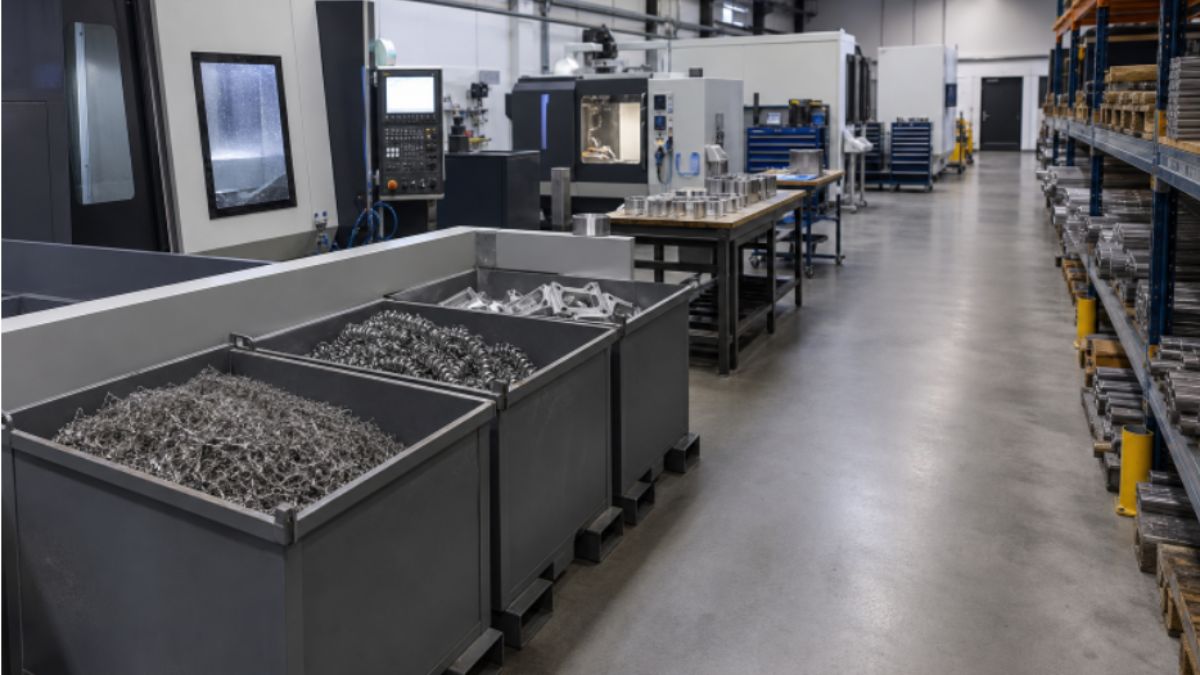
Wisconsin manufacturers, machine shops, construction crews, and maintenance departments often generate scrap throughout the day, not just at the end of a project. When bins, roll-offs, carts, and storage areas are placed with the actual work in mind, scrap can move out of the way without becoming an operational bottleneck.
For facilities looking to build or improve their collection process, industrial metal recycling services in Wisconsin can be part of a broader plan that integrates container placement, pickup timing, material separation, and reliable documentation. The strongest workflow is one that workers can follow consistently during a busy shift.
Why Wisconsin Industrial Scrap Workflows Need a Fresh Look
Scrap accumulation is rarely caused by one major failure. More often, it begins with small gaps: no one is assigned to inspect containers, a pickup is requested only after overflow occurs, or a department uses a nearby bin intended for another material. Over time, those gaps can lead to blocked aisles, repeated handling, mixed loads, and difficult cleanup.
Wisconsin facilities also need to account for local operating conditions. Snow, freeze-thaw cycles, rain, mud, and limited daylight can make outdoor storage and transport areas harder to manage. Covered storage, stable surfaces, visible markings, and clear truck access can help a site maintain control through changing weather.
Step 1: Map the Full Scrap Journey
Start by following each material from the point at which it becomes scrap to the point at which it is collected, staged, or removed from the site. Include production, maintenance, shipping, demolition, and office cleanout activities when relevant. The goal is to see the real route, not the route shown on an old layout drawing.
- List every department and process that produces scrap.
- Mark where each material is placed during a normal shift.
- Note how quickly containers fill and what happens when they are full.
- Identify every handoff involving carts, forklifts, cranes, loaders, or trucks.
- Record spills, double handling, contamination, blocked paths, and delays.
For example, a machine shop may discover that turnings are first placed in small tubs, then transferred to a shared cart, and finally moved to an outdoor container. Moving a properly sized, clearly marked container closer to the machining area may remove an unnecessary step while keeping traffic paths open.
Step 2: Separate Materials at the Source
Early separation helps workers make better decisions before materials become mixed, wet, damaged, or difficult to identify. Ferrous and non-ferrous metals, turnings, coated materials, and parts containing fluids may require different handling. A dedicated review area is also useful for items that are unknown or questionable.
- Use consistent container colors, large labels, and photos of accepted materials.
- Label each container with the material type, work area, start date, and responsible team.
- Identify known concerns such as oil, sharp edges, coatings, or moisture.
- Keep unknown items out of standard scrap containers until a trained person reviews them.
Step 3: Design Safer Storage Areas
A scrap area should have a stable surface, sufficient lighting, room for equipment to maneuver, and a clear route for pickup. Containers should not crowd emergency exits, electrical panels, fire lanes, drains, or loading doors. Piles should remain stable and low enough to preserve sight lines for people operating vehicles.
Recycling work can expose employees to traffic, moving machine parts, unexpected startup, lifting injuries, and slips, trips, and falls. The hazards common across recycling operations are a useful reminder that a clean layout and defined travel routes are important safety controls, not merely housekeeping details.
- Mark pedestrian walkways where people and powered equipment share space.
- Inspect bins for sharp edges, leaks, damage, and overloading.
- Use barriers, bollards, or designated staging zones where vehicle conflict is possible.
- Keep outdoor areas accessible for winter plowing and safe truck movement.
Step 4: Reduce Fire and Contamination Risks
Not every metal item belongs in a general scrap container. Batteries, sealed vessels, pressurized cylinders, electronic components, oily parts, and equipment containing refrigerants or other fluids require attention before they enter the normal stream. Workers should know that an unfamiliar item is a reason to stop and ask, not a reason to guess.
Practical controls include keeping fire access clear, separating wet or oily material from clean scrap, routinely inspecting high-volume areas, and documenting leaks, smoke, odors, damaged containers, and near misses.
Step 5: Improve Pickup and Internal Transport
Container size and pickup frequency should reflect actual production. A container that fills too quickly can lead to overflow and improvised staging. One that is too large can consume valuable floor space and encourage workers to mix materials. Set a clear trigger for a pickup request, whether it is a fill line, a scheduled inspection, or a recurring service date.
- Assign someone to check capacity on a regular schedule.
- Use defined routes for forklifts, loaders, and collection vehicles.
- Arrange pickups before containers interfere with production or access.
- Review missed pickups and repeated delays during operations meetings.
Step 6: Train Workers for Real-World Conditions
Training should focus on the decisions workers actually make. Cover required personal protective equipment, proper lifting, handling sharp or hot materials, reporting full containers, and staying clear of moving equipment and suspended loads. Short refresher discussions are especially useful after an incident, a near miss, a layout change, a new material stream, or an equipment upgrade.
Useful Training Questions
- What belongs in each labeled container?
- Who reviews an unknown, damaged, wet, or leaking item?
- Where should a worker report a blocked route or unstable pile?
- What should happen when a container reaches its fill limit?
Step 7: Track Performance With Simple Records
A shared spreadsheet, maintenance system, or operations dashboard can provide enough information to improve the process. Track container fills, days between pickups, contamination issues, unexpected charges, near misses, and estimated recovery by department. The purpose is not paperwork for its own sake. It is to identify patterns that call for a practical adjustment.
Common Mistakes to Avoid
- Putting every material into one container.
- Waiting for overflow before arranging collection.
- Allowing pedestrians and equipment to share unmarked travel paths.
- Storing material near emergency access, electrical equipment, or drains.
- Changing a layout without updating signs and worker instructions.
A 30-Day Wisconsin Scrap Workflow Improvement Plan
- Days 1 through 5: Walk the site and document every scrap generation point.
- Days 6 through 10: Mark traffic routes, storage zones, emergency access, and problem areas.
- Days 11 through 15: Update labels, signs, container locations, and inspection duties.
- Days 16 through 20: Train workers and supervisors on the revised process.
- Days 21 through 30: Review container sizes, pickup timing, results, and remaining weak points.
Conclusion
A safer scrap workflow does not need to be complicated. Clear sorting rules, sensible storage, dependable pickup planning, practical training, and simple records can help Wisconsin industrial teams keep materials moving while reducing clutter and avoidable risk. Review the system at least annually, and revisit it whenever production, equipment, layout, or material streams change.
-

 BLOG1 year ago
hanime1: The Ultimate Destination for Anime Lovers
-

 Technology1 year ago
GLAADVoice.com: How You Can Get Involved and Make a Difference
-

 BILLS1 year ago
Why Does My Instagram Reel Stop Getting Views After One Hour? How to Fix It?
-

 ENTERTAINMENT1 year ago
Sflix: How It’s Changing the Way We Watch Movies and TV Shows
-

 BLOG1 year ago
NHentai.nef: Understanding the Popular Hentai Archive
-

 BLOG1 year ago
Imginn: The Ultimate Tool to View Instagram Content Anonymously
-

 ENTERTAINMENT1 year ago
Crackstreams 2.0: The Future of Free Sports Streaming?
-

 BLOG1 year ago
ThisVid: What Makes It Stand Out in the World of Online Videos