
BILLS
Dailyspins Casino App: How Short-Burst Mobile Players Keep Sessions Tight

Most people don’t sit down at an online casino anymore. They pull out a phone in a queue, on a commute, or during a quiet minute between tasks. That shift changes everything about how a platform gets used, and it’s the lens through which this review of Dailyspins makes the most sense. The brand leans hard into that reality with a responsive mobile version and dedicated PWA apps for Android and iOS, which means the experience is built for people who play in fragments rather than marathons.
What follows isn’t a feature dump. It’s a look at how a particular kind of player — the one who opens an app for five or ten minutes, makes a handful of quick decisions, and closes it again — actually moves through review of Dailyspins. If that sounds like you, the details below will land differently than they would for someone chasing long sessions.
Why the App Format Suits Fragmented Play
The PWA approach matters more than it sounds. Instead of forcing a download from a store, Dailyspins lets players add the app to their home screen and launch it like any other tool. For someone who checks in repeatedly through the day, that shortcut is the whole point. No friction, no waiting for a browser to load, no re-entering credentials every time.
Session length shapes everything else. A player who knows they have four minutes before a train arrives isn’t browsing a catalogue of 5,000 games. They’re going straight to something familiar. The mobile layout rewards that instinct — the interface stays clean enough that returning to a favourite slot takes seconds, not minutes.
What repeated visits actually look like
Picture a typical pattern. Someone opens the app during a lunch break, spins a Megaways title for a few minutes, maybe checks a live table, then closes it. Later that evening, another short burst. The next morning, a quick look at whether a Daily Drop landed. These aren’t sessions in the traditional sense — they’re check-ins, and the platform is structured to make each one feel complete on its own.
- Quick launches with no lengthy setup
- Games resume where attention left off
- Promotions surface without digging through menus
- Withdrawals can be triggered mid-session and forgotten
That last point deserves attention. Lightning Withdrawals suit this behaviour perfectly. A player who cashes out in thirty seconds and moves on doesn’t want to babysit a pending request. The less admin, the more the short-session habit holds together.
Picking Games That Fit a Five-Minute Window
The game library is broad — slots, Megaways, book-themed titles, video poker, live casino, and table games like blackjack, roulette, baccarat, and craps. But a short-burst player filters that list fast. Instant-win titles such as Aviator, Plinko, Mines, Piggy Tap, and Aviamasters are natural fits because a round resolves in seconds. There’s no bonus round to sit through, no free-spin sequence stretching past the available time.
Slots still dominate, of course. Providers like Play’n GO, Yggdrasil, BGaming, and Booming Games supply titles that work well in compact doses — spin, watch, decide, repeat. The appeal isn’t depth. It’s rhythm. A player with three minutes left wants a game that keeps pace with them rather than demanding patience.
Live tables in small doses
Live casino through Evolution might seem mismatched to quick play, but it isn’t. A single roulette spin or a hand of blackjack takes under a minute. Some players treat live tables as a palate cleanser between slots — one hand, then out. The mobile version handles these streams without the lag that would kill the format entirely.
Table game regulars who play this way tend to keep bets modest and decisions fast. They’re not studying patterns or tracking wheels. They’re placing a bet, seeing the result, and either continuing or closing the app. That’s the whole interaction.
Managing Risk When Time Is Short
Short sessions and big swings don’t mix well. A player with ten minutes can’t recover from a reckless bet the way someone with two hours might. The behaviour that works here is controlled: smaller stakes, frequent small decisions, and a clear sense of when to stop. It’s less about discipline in the moral sense and more about practicality — you’re fitting play into a gap, not building a night around it.
This is where the loyalty structure quietly helps. The 1000-level program and Level Up rewards give repeated short visits something to accumulate toward. A player who checks in three times a day for a week sees progress that a one-off long session wouldn’t produce. Rakeback calculated weekly works the same way — it rewards the habit of returning rather than the size of any single deposit.
- Set a per-session limit before opening the app
- Favour instant-win rounds when time is tight
- Use rakeback and Level Up rewards as a buffer
- Cash out small wins immediately rather than letting them ride
None of this is revolutionary advice. But it fits the format. The players who enjoy Dailyspins most are the ones who treat it like a series of small, contained moments rather than one continuous experience.
Promotions That Reward the Check-In Habit
Daily Drops, Daily Lootboxes, Weekly Loot Boxes, and random bonuses for active chat users all share a common thread: they reward showing up. For a player who opens the app briefly and often, that’s a better match than a single large welcome offer would be. The welcome bonus — up to AUD$1,000 or 1 BTC plus 200 free spins spread across ten days at 20 per day — actually reinforces the same pattern. It’s designed to be claimed in daily increments, not all at once.
That structure tells you something about the intended player. Ten days of small claims beats one big drop for someone whose sessions last minutes. Tournaments add a competitive layer for those who want it, but they’re optional. The core loop remains: open, play briefly, close, come back later.
Payment Flow for Players Who Don’t Linger
Bank transfers, Neteller, and cryptocurrency cover the main bases, and the crypto-friendly setup with multi-currency wallets suits players who want to move funds without ceremony. Someone playing in short bursts doesn’t want to spend their entire session on a deposit screen. The faster the money moves, the more of that five-minute window goes to actual play.
This is a small detail that compounds. A player who has to wrestle with payment processing every visit will simply visit less. One who can top up and cash out in under a minute keeps the habit intact.
Is This the Right Fit for Your Play Style?
If you’re the type who opens an app for a few minutes, makes a few quick calls, and gets on with your day, Dailyspins is built around that rhythm. The mobile apps, the instant-win titles, the daily promotion structure, and the fast withdrawals all point the same direction. It won’t suit someone chasing a single epic session — but that’s a different player entirely.
The platform is licensed in Curacao, operated by Dama N.V., and rated 4.6, with English, German, and Norwegian available. None of that changes the core experience, which is about fitting play into the gaps of a normal day rather than replacing the day itself.
Ready to Try a Few Short Sessions? Get Started Today
Open the app, claim the welcome offer, and see how it feels to play in small, deliberate bursts rather than long sits. The 100% bonus and 200 free spins spread across ten days is a natural starting point for anyone who plays the way this article describes. Give it a week of brief check-ins and judge for yourself whether the format fits.
Some players settle in for an hour. Others want a result in ninety seconds. This article is about the second group — the ones who open Goldwin Casino on a phone, pick a slot, spin hard, and know within a few minutes whether the session is worth extending. Everything below assumes that mindset: short bursts, fast decisions, high intensity, and no interest in grinding out a slow build.
If that sounds familiar, the way you read a lobby, judge a game, and manage a balance is probably different from the average player. Goldwin Casino suits that style more than most, largely because of the sheer volume of titles on offer and how quickly you can move between them.
Reading the Lobby Like a Short-Order Menu
Short-session players don’t browse. They scan. The Goldwin lobby holds thousands of titles, and nobody with a five-minute window is going to scroll through all of them. The behavior looks more like flipping through a menu at a diner you already know — you’re not reading every item, you’re looking for the one thing that catches your eye and ordering it.
What tends to happen in practice:
- A player opens the site, taps slots, and sorts by popularity or new releases.
- Two or three thumbnails get a second look based on theme alone.
- One gets opened, and the first ten spins decide whether it stays open.
That first ten-spin test is the real filter. Games like Inferno Star or Hot Fiesta get judged almost entirely on how the opening moments feel — the pace of the reels, the frequency of small returns, whether anything happens at all. A slot that opens with dead spins gets closed. That’s not impatience; it’s efficiency.
Goldwin’s provider mix matters here. With studios like Thunderkick, Push Gaming, and Nolimit City in the library, the visual and audio character of each game is distinct enough that a quick glance tells you a lot. A player who knows they like volatile, loud slots can spot one in seconds and skip the rest.
The First Minute Decides Everything
There’s a specific rhythm to a high-intensity short session. The deposit is small — often the minimum needed to unlock a welcome offer, or just a modest top-up. The bet size is chosen fast, usually on the higher side relative to the balance, because the point isn’t longevity. It’s impact.
Consider a typical scenario. A player deposits, opens Gold Volcano, and sets the stake at a level where the balance covers maybe forty or fifty spins. That’s a deliberate choice. It means the session has a natural expiry point built in, and the player knows it. When the balance dips below the cost of another spin, the session ends — no reload, no second thought, at least not immediately.
How decisions actually get made
Within that window, decisions come quickly. Feature buys, where available, get triggered without much deliberation. Autoplay gets set for twenty or thirty spins and the player watches rather than taps. If a bonus round lands, great. If it doesn’t, the session wraps and the player moves on with their day.
This is not reckless play, even though it looks that way from the outside. It’s a pre-committed budget spent at speed. The risk tolerance is high within the session but capped by the session itself. Players in this mode rarely chase losses across multiple deposits in one sitting — they simply stop.
Why Mobile Fits This Pattern So Well
Quick sessions and desktop play don’t mix. Nobody fires up a laptop for four minutes of spinning. This is phone territory — on the train, in a queue, during a work break that’s shorter than it should be.
Goldwin runs as an HTML5 mobile site rather than a downloadable app, which suits the pattern. There’s no install, no update prompt, no storage taken up. A player can open Chrome or Safari, log in, play, and close the tab. Portrait mode handles most slots fine, and the transition between games is fast enough that switching titles mid-session doesn’t break the flow.
What that means in practice:
- Open the browser and log in — usually under thirty seconds.
- Pick a game from the recent or popular list.
- Spin at a fixed stake for a set number of rounds.
- Close the tab when the balance hits the floor or a win lands.
That last point is worth dwelling on. Many short-session players treat a decent win as a natural stopping signal. Hit something meaningful on Great Rhino and the instinct is to bank it and leave, not to press on. The session had a goal — a quick outcome — and the goal was met.
Risk Control Without the Spreadsheets
Players in this mode don’t keep logs. They don’t track RTP across sessions or calculate expected value. But they do exercise a kind of instinctive risk control that’s worth describing, because it’s more disciplined than it looks.
The core rules most of them follow, whether they’d phrase it this way or not:
- Set the stake before the first spin, not during.
- Never raise the bet to chase a cold streak.
- Treat the session budget as already spent the moment it’s deposited.
- Stop at a pre-decided win threshold, not at a feeling.
That third rule is the important one. Money allocated to a short session is mentally written off. If it comes back doubled, that’s a bonus. If it vanishes in three minutes, it was the cost of the entertainment. This framing is what allows the high-intensity approach to stay sustainable — the player never feels like they’re losing something they needed.
Games like Iron Bank or Honey Rush, with their volatile swings, actually reward this mindset. A player who’s already accepted the budget can enjoy the turbulence instead of fearing it.
The Bonus Question for Fast Players
Here’s where short-session play and promotional offers can clash. Goldwin’s welcome package is tiered — deposit more, get more free spins — and the bonus funds carry wagering requirements that take time to clear. A player who plays in four-minute bursts is not going to grind through 35x wagering in any reasonable timeframe.
So the sensible approach for this player type is selective. Free spins with no heavy strings attached are perfect — they slot neatly into a quick session. A large deposit bonus with a week-long clearance window is less appealing, because it turns a burst of fun into an obligation. Many fast players simply skip the bigger offers or claim only the free-spin portion.
Weekly reload offers and low-deposit spin promotions, which Goldwin runs regularly, tend to fit better. They’re small, they expire quickly, and they don’t demand a commitment the player has no intention of making.
What Keeps Them Coming Back
The appeal isn’t depth. It’s variety and speed. A player who spins for five minutes a few times a day wants each visit to feel slightly different, and a library in the thousands delivers that without effort. One session might be Divine Fortune, the next That’s Rich, the next a few hands of Classic Blackjack for a change of pace.
Live dealer titles get used sparingly in this pattern — a quick round of Golden Baccarat or American Roulette Gold can serve as a palate cleanser between slots, but the slower pace rarely holds attention for long. The same goes for table games generally. They’re a detour, not the destination.
The loyalty program, with its tiers and cashback, is mostly background noise for this player. It rewards volume over time, and volume over time is precisely what a short-session player doesn’t produce. That’s fine. Not every feature needs to be used.
Ready to Spin? Here’s How to Start
If you recognize yourself in any of this — the quick scan, the fixed budget, the ten-spin verdict — then the approach is simple. Set a small deposit, pick a stake you’re comfortable losing entirely, choose one game, and give it a few minutes. No spreadsheets, no marathon sessions, no chasing.
Open Goldwin Casino on your phone, find something that catches your eye, and see what the first minute tells you. Strike gold and spin now — then close the tab and get on with your day.
Most players don’t sit down for marathon sessions anymore. They open a casino on their phone, play for ten or fifteen minutes, and move on. That pattern suits Dragonslots well. The platform is built for quick bursts of activity, and a Dragonslots review will tell you the lobby is deep enough to keep those short visits interesting without demanding hours of commitment.
This article looks at one specific style of play: the short, high-intensity session where the goal is a fast outcome rather than a long grind. If that sounds like how you play, the way Dragonslots review is structured will make sense.
Why Quick Sessions Fit the Platform’s Design
The first thing you notice is the sheer volume. With around 10,000 games, the lobby could easily overwhelm someone browsing for hours. But short-session players don’t browse. They know what they want, they find it fast, and they get straight into the action.
The design of the platform supports this. Categories are clearly separated, so a player looking for a quick slot spin isn’t wading through table game menus to get there. Live game shows sit in their own space. Jackpot titles are easy to spot. That structure rewards decisiveness.
Here’s what a typical short session looks like in practice:
- Open the site on mobile, log in, and land in the lobby within seconds
- Pick one or two games and set a stake that allows maybe 30 to 50 spins
- Play through the balance quickly, watching for a bonus trigger or a big hit
- Cash out or close the tab once the session stake is gone
There’s no lingering. The appeal is the compressed experience. Dragonslots Casino Mobile works through a browser, and a PWA shortcut means regular players can skip the address bar entirely and jump straight in. That small detail matters when your sessions are measured in minutes rather than hours.
The Psychology of Playing for a Fast Result
Short-session players think differently from grinders. They aren’t chasing progression or building toward a long-term goal. They want a result, and they want it soon.
That mindset changes how you choose games. High-volatility slots from providers like Nolimit City or Hacksaw Gaming become attractive because the swings are bigger and the potential outcomes arrive faster. A player in this mode might skip a low-volatility title entirely, even if it offers steadier returns, because steady isn’t the point.
The trade-off is obvious. Fast outcomes cut both ways. A session can end in three minutes with nothing to show for it, or it can produce a hit that makes the whole week. Players who enjoy this style accept the variance as part of the deal.
Setting a Session Stake Before You Start
The single most useful habit for this play style is deciding your session stake before you open a game. Not a monthly budget, not a deposit limit, just the amount you’re willing to lose in this one short burst.
Say you set aside A$40 for a quick evening session. You pick a slot, set your spin at A$1, and you have roughly 40 spins to work with. If a bonus lands early, great. If not, the session ends when the stake does, and you walk away without re-depositing. That discipline is what separates an enjoyable quick session from an expensive one.
The minimum deposit of A$15 makes this easy to manage. You’re not forced to commit large sums just to play.
Where Short-Session Players Spend Their Time
Not every game type suits a ten-minute visit equally. Some reward patience and long play; others are built for exactly this kind of rapid engagement.
Slots and Instant Titles
This is the natural home for quick sessions. A single slot spin takes seconds, and modern titles pack features into short cycles. Crash-style games from providers like Spribe or Galaxsys are even more direct: you set your stake, watch a multiplier climb, and cash out before it collapses. The entire decision takes a few seconds, which is perfect for someone who wants intensity without duration.
Live Game Shows
Evolution’s game show range offers another angle. Rounds run on a fixed schedule, usually under a minute each, so you can drop in for five or six rounds and leave. There’s no commitment to stay. The presenter-driven format adds atmosphere that a solo slot session lacks, which some players prefer when they only have a few minutes to spare.
Jackpot Games
Some quick-session players keep one jackpot title in rotation purely for the lottery-like thrill. The odds are long, but the appeal is the possibility of an instant life-changing result — which fits the fast-outcome mindset perfectly.
Keeping Control When Sessions Are Short and Fast
Speed cuts both ways. Short sessions can be responsible if you treat each one as a discrete event with its own budget. They can also spiral if you keep reopening the site after each loss.
A few practical habits help:
- Decide in advance how many sessions you’ll allow yourself in an evening
- Avoid chasing a loss by immediately re-depositing — give it an hour
- Use the self-exclusion tool if quick sessions start feeling compulsive rather than fun
- Track your deposits across a week, not just per session
The platform’s responsible gambling tools are limited — self-exclusion is the main option — so players in this fast style need to bring their own discipline to the table. That’s worth knowing going in.
The Bonus Question for Fast Players
The Dragonslots Casino Welcome Bonus is substantial: up to A$10,500 plus 800 free spins across four deposits, with the first deposit offering up to 225% and 200 free spins. For short-session players, that’s a double-edged offer.
On one hand, bonus funds extend your playtime without extending your spend, which suits quick visits nicely — more spins per session for the same outlay. On the other hand, the 40x wagering requirement means clearing a large bonus takes sustained play, not scattered bursts.
The realistic approach? Treat bonus funds as extra session ammunition rather than something you must clear. If you clear it through normal short sessions over time, fine. If not, you’ve still had more play than your deposits alone would have bought.
Making Short Sessions Work at Dragonslots
The platform rewards players who know what they want and don’t waste time getting it. Ten thousand games sounds intimidating until you realise it means your favourite title is almost certainly there — from NetEnt classics to newer releases by Push Gaming or Relax Gaming.
The mobile-first setup, fast lobby navigation, and huge variety of instant-play formats all point toward one conclusion: Dragonslots Online Casino is well suited to the player who wants fifteen focused minutes rather than three unfocused hours. Set your stake, pick your game, accept the variance, and close the tab when it’s done.
Ready to Try a Quick Session?
If fast outcomes and short bursts are your style, there’s no reason to wait. Claim the welcome package and see how much play you can pack into your next fifteen minutes.
Get 225% Bonus + 200 Free Spins Now!
BILLS
How an AI Image Generator Is Helping Archaeologists Reconstruct Everyday Life in Ancient Civilizations

How an AI Image Generator Is Helping Archaeologists Reconstruct Everyday Life in Ancient Civilizations
Archaeology is often associated with the discovery of ancient buildings, pottery, tools, inscriptions, and burial sites. However, these discoveries represent only fragments of societies that existed thousands of years ago. A broken cooking vessel may reveal something about food preparation, while the remains of a house can provide clues about family life, construction methods, and social organisation. Turning these scattered findings into a meaningful picture of the past requires careful interpretation, historical knowledge, and sometimes visual reconstruction.
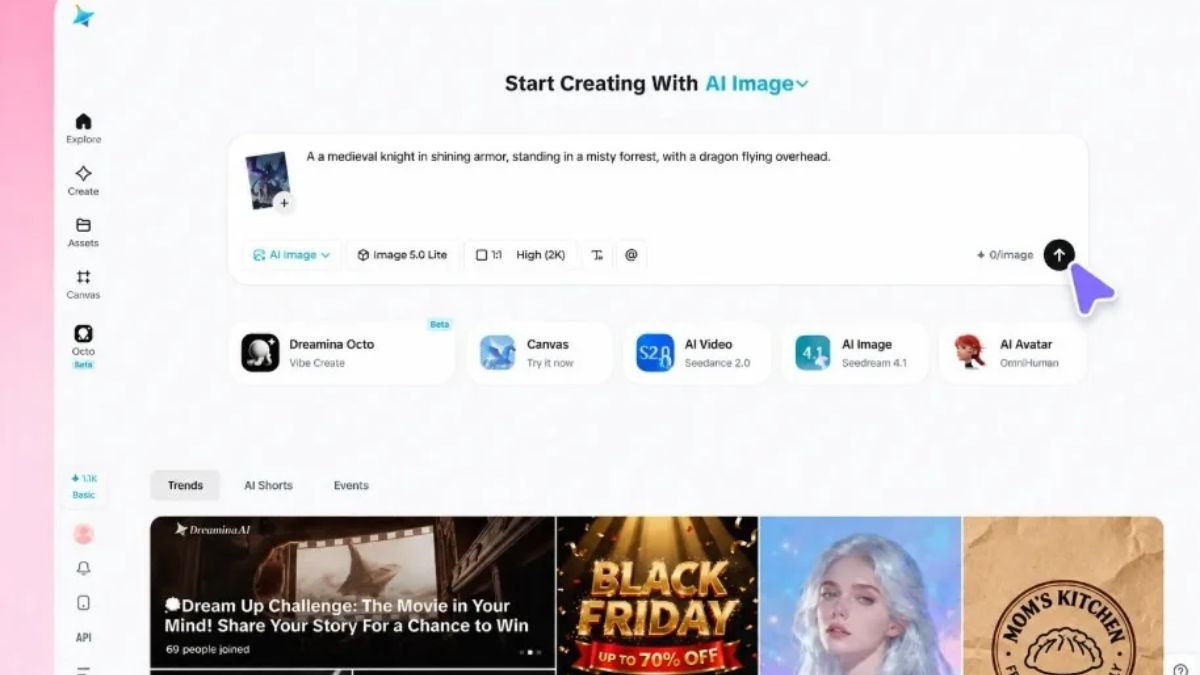
Digital technology is creating new opportunities for researchers to explore these historical fragments. An ai image generator can help transform written descriptions, archaeological references, and historical research into visual concepts that make ancient environments easier to imagine. Although generated images cannot replace archaeological evidence, they can support educational presentations, preliminary visual exploration, and public engagement with historical discoveries.
One of the most interesting developments is the possibility of reconstructing ordinary experiences rather than focusing exclusively on famous monuments and rulers. Understanding how people cooked, traded, travelled, decorated their homes, and organised their communities can make ancient history more relatable. Visual interpretation gives researchers another way to communicate these everyday details while keeping the distinction between confirmed evidence and creative reconstruction clear.
Reconstructing Ordinary Homes From Archaeological Remains
Ancient houses rarely survive in their original condition. In many excavation sites, researchers find foundations, sections of walls, flooring materials, roof fragments, and objects left behind by former residents. These remains can reveal the approximate size and arrangement of a building, but they do not always provide a complete picture of its original appearance.
Visual reconstruction can help explore different possibilities based on the available evidence. Researchers might examine how a room was arranged, where cooking equipment could have been placed, or how natural light entered through openings. An AI-assisted illustration can provide a starting point for presenting these ideas to students and museum visitors. However, any uncertain architectural details should be clearly identified as interpretations rather than established facts.
This approach is particularly useful when explaining domestic architecture across different periods. A modest agricultural dwelling, an urban merchant’s house, and a wealthy family’s residence may have served very different purposes. Visual comparisons can help audiences understand how building materials, available resources, climate, and social position influenced the design of living spaces.
Exploring Food Preparation and Daily Household Activities
Food remains one of the strongest connections between modern people and ancient communities. Archaeologists study cooking vessels, grinding stones, storage containers, animal bones, seeds, and other remains to understand what people ate and how they prepared their meals.
These objects can offer valuable information, but they do not always show the complete process. For example, a collection of grinding tools may suggest grain processing, while storage jars can indicate methods of preserving food. Combining these findings with historical and environmental research allows scholars to develop informed interpretations of household routines.
Illustrations can make these processes easier to communicate. A reconstructed domestic scene might show the relationship between a cooking area, food storage, preparation tools, and the people using them. Such imagery can help younger audiences understand archaeological discoveries without requiring them to interpret technical excavation reports.
Researchers should still avoid presenting imagined ingredients, clothing, or activities as historical facts. If the archaeological evidence does not establish a particular detail, the illustration should be described as a possible representation. This distinction protects the educational value of the material and prevents creative visuals from being mistaken for documentary records.
Understanding Ancient Clothing and Personal Appearance
Clothing provides important information about identity, trade, available materials, craftsmanship, and social customs. Unfortunately, textiles are particularly vulnerable to deterioration. In many archaeological environments, only small fragments survive, leaving researchers with incomplete evidence about how garments originally looked.
Other discoveries can help fill some of these gaps. Textile impressions, sewing equipment, decorative objects, statues, paintings, and written descriptions may offer clues about clothing styles. By comparing these sources, historians can investigate possible garment shapes, fabric arrangements, and decorative techniques.
Visual exploration can bring these interpretations into educational displays. A museum might present several possible clothing styles based on the available evidence, helping visitors understand how researchers approach incomplete historical information. Different visual reconstructions can also demonstrate how clothing changed between social groups, regions, and historical periods.
Accuracy remains essential. Modern assumptions about ancient fashion can easily influence an illustration, particularly when information is limited. Researchers should identify which features are supported by physical discoveries and which have been introduced to complete the visual composition.
Bringing Ancient Markets and Trade Networks to Life
Markets were important centres of economic and social activity in many ancient civilizations. They connected farmers, artisans, merchants, travellers, and local residents. Archaeological discoveries such as weights, coins, imported pottery, tools, and storage facilities can help researchers understand how goods moved between communities.
A reconstructed market environment can bring these relationships together in a way that is easier to understand than a collection of isolated objects. Visual scenes may illustrate how different stalls were arranged, how products were displayed, and how commercial activities contributed to everyday urban life.
Trade reconstruction also offers an opportunity to explore connections between distant regions. Imported materials found at an excavation site can indicate that a community participated in wider commercial networks. Maps, object illustrations, and reconstructed trading environments can help explain how these exchanges influenced local economies and cultural practices.
However, the appearance of an ancient marketplace should be based on the period and region being studied. A Mediterranean trading centre, a settlement along the Silk Road, and an ancient South Asian marketplace would have different architectural features, products, and social arrangements. Treating these environments as interchangeable would create a misleading historical picture.
Supporting Museum Education and Public Engagement
Museums often face the challenge of explaining complex discoveries to visitors with different levels of historical knowledge. A display containing pottery fragments or architectural remains may be fascinating to specialists but difficult for younger visitors to interpret without additional context.
Visual reconstructions can help bridge this communication gap. An exhibition might place an original artefact beside an illustration showing its possible use in an everyday setting. This arrangement allows visitors to connect the physical object with a broader historical story.
Digital imagery can also support educational workshops, classroom presentations, online exhibitions, and interactive learning materials. Teachers may use reconstructed scenes to introduce historical environments before asking students to examine actual archaeological evidence. This can encourage curiosity and help learners develop questions about how historians know what they know.
Museums should distinguish between original artefacts, scholarly reconstructions, and AI-generated illustrations. Clear labels help visitors understand the different levels of evidence behind each display. Transparency is especially important when presenting generated images to audiences who may otherwise assume that realistic visual details have been directly documented.
The Importance of Historical Accuracy in AI-Assisted Reconstruction
Realistic images can be persuasive even when some of their details are inaccurate. This creates a particular challenge for historical communication. An illustration might contain convincing buildings, clothing, and household objects while combining features from completely different centuries or geographical regions.
For this reason, AI-assisted reconstruction should begin with reliable research. Archaeological reports, museum collections, historical records, scholarly publications, and specialist guidance can establish the boundaries of a visual project. The more specific the historical references, the easier it becomes to identify details that require correction.
Human review is equally important. Archaeologists, historians, conservators, and cultural specialists can assess whether an illustration reflects the available evidence. They can also identify cultural details that have been oversimplified or represented inaccurately.
Another important consideration is the difference between visual possibility and historical certainty. When several interpretations are possible, presenting alternative reconstructions may be more responsible than choosing one appearance and treating it as definitive. This approach encourages audiences to understand archaeology as an ongoing process of investigation.
Preserving Cultural Context Through Responsible Digital Visualisation
Ancient objects and historical environments are not simply design references. They are connected to communities, cultural identities, religious traditions, and collective memories. Reconstructing them requires sensitivity toward the people and societies being represented.
Certain objects may have ceremonial, religious, or funerary significance. Using them as decorative elements without understanding their original purpose can remove important cultural context. Similarly, combining architectural or artistic features from unrelated civilizations can create an attractive image while weakening its historical meaning.
Responsible visualisation begins by identifying the cultural and geographical background of the subject. Researchers should consider how an object was used, who created it, and what role it played within its original community. When working with living cultural traditions, consultation with relevant communities can also help prevent misrepresentation.
Digital archives offer another opportunity to preserve historical knowledge. Photographs, drawings, excavation records, and reconstructed illustrations can be organised together so that future researchers and educators can understand how interpretations developed. Maintaining source information alongside generated visuals makes it easier to review and update historical representations when new discoveries emerge.
What the Future Could Mean for Archaeological Storytelling
The relationship between archaeology and digital visualisation is likely to develop as researchers gain access to better imaging technologies, three-dimensional modelling, digital mapping, and more advanced analytical tools. These technologies can work together to create richer interpretations of historical sites and objects.
For example, a three-dimensional model of an excavated building could be combined with carefully researched visual scenes to explain how different spaces may have been used. Students could explore a settlement from multiple perspectives, while museum visitors might compare an archaeological site as it appears today with a possible reconstruction of its earlier condition.
There is also potential for more collaborative research. Archaeologists, designers, educators, and digital specialists can work together to produce educational material that is both visually engaging and historically responsible. Their different areas of expertise can help ensure that visual storytelling supports research rather than replacing it.
The most valuable development will not necessarily be the creation of increasingly realistic images. It will be the ability to communicate complex historical evidence more clearly while acknowledging uncertainty. Technology can make the past easier to imagine, but careful scholarship must remain the foundation of every reconstruction.
Final Thoughts
Reconstructing everyday life in ancient civilizations requires more than imagining how the past might have looked. It involves interpreting physical remains, comparing historical sources, understanding cultural context, and recognising the limits of available evidence. AI-assisted imagery introduces another way to communicate these interpretations, helping audiences connect archaeological discoveries with the ordinary experiences of people who lived centuries or millennia ago.
From domestic architecture and food preparation to clothing, trade, and community life, visual reconstruction can make historical research more accessible. Its effectiveness depends on responsible use, expert review, and clear distinctions between documented discoveries and creative possibilities. When these principles guide the process, digital imagery can become a valuable educational resource and help bring the human side of ancient history into sharper focus.
Frequently Asked Questions
- How can AI-generated images support archaeological research?
They can help researchers explore visual interpretations of ancient environments, household activities, architecture, and material culture. These images are useful for communication and concept development but cannot replace physical evidence or scholarly analysis.
- Can AI accurately reconstruct ancient civilizations?
Not independently. AI-generated images may introduce inaccurate architectural features, clothing, objects, or cultural details. Historical references and expert review are necessary to improve accuracy.
- Why are everyday activities important in archaeological storytelling?
Everyday activities help explain how ordinary people lived, worked, prepared food, traded goods, and organised their communities. These details provide a broader understanding of ancient societies beyond rulers, monuments, and major historical events.
- Can museums use AI-generated historical illustrations?
Yes. Museums can use them in educational displays, digital exhibitions, and learning resources, provided generated reconstructions are clearly labelled and supported by reliable historical research.
- What is the biggest challenge of AI-assisted historical reconstruction?
The main challenge is maintaining historical accuracy while creating visually complete scenes from incomplete evidence. Researchers must communicate uncertainty and avoid presenting imagined details as confirmed historical facts.
-

 BLOG1 year ago
hanime1: The Ultimate Destination for Anime Lovers
-

 Technology2 years ago
GLAADVoice.com: How You Can Get Involved and Make a Difference
-

 BLOG1 year ago
Imginn: The Ultimate Tool to View Instagram Content Anonymously
-

 BILLS2 years ago
Why Does My Instagram Reel Stop Getting Views After One Hour? How to Fix It?
-

 ENTERTAINMENT1 year ago
Crackstreams 2.0: The Future of Free Sports Streaming?
-

 BLOG1 year ago
ThisVid: What Makes It Stand Out in the World of Online Videos
-

 ENTERTAINMENT1 year ago
Sflix: How It’s Changing the Way We Watch Movies and TV Shows
-

 BLOG1 year ago
NHentai.nef: Understanding the Popular Hentai Archive