
BLOG
First Steps After a Serious Injury in Los Angeles, California


After a serious collision, fall, dog bite, workplace incident, or other accident in Los Angeles, the first hours can feel chaotic. Medical needs, vehicle damage, work responsibilities, and calls from insurance companies may all demand attention at once. Speaking with a personal injury attorney in Los Angeles, CA may be one way to understand the options available after the immediate medical concerns have been addressed. Los Angeles presents its own challenges after an injury. Heavy freeway traffic, crowded sidewalks, apartment buildings, construction activity, rideshare use, and busy commercial properties can all make it harder to determine what happened and who may have important information. Taking calm, practical steps early can help protect both physical recovery and important records.
Put Health and Safety First
Seek emergency care when someone may be seriously hurt, has trouble breathing, loses consciousness, experiences severe pain, or cannot safely move. Call 911 when emergency assistance is needed, and avoid driving yourself if you feel dizzy, confused, weak, heavily medicated, or unable to focus. Even when an injury initially seems manageable, follow-up care can matter. Keep appointments, follow treatment instructions, fill prescriptions as directed, and ask about referrals to specialists when symptoms continue. Head injuries deserve particular attention because symptoms may develop or become more noticeable later. The signs and symptoms of concussion can include headaches, dizziness, memory problems, sleep changes, nausea, mood changes, and difficulty concentrating.
Report the Incident to the Right Person
The appropriate report depends on the event. A traffic collision may require law enforcement involvement and an insurance claim. A fall at a store, apartment complex, or restaurant should usually be reported to a manager or property representative. A workplace injury should be reported to a supervisor as soon as practical. In the case of a dog bite, identifying the dog owner and reporting the incident to the appropriate local authority may be important. Ask how to obtain a copy of any police report, incident report, or workplace report. A report may not answer every question about responsibility, but it can preserve basic details such as the date, location, involved parties, and initial observations.
Preserve Evidence Before It Disappears
Only collect information when it is safe to do so. If possible, take photographs or video of the scene, vehicle positions, damaged property, visible injuries, footwear, lighting, weather conditions, obstructions, and relevant signs. In a Los Angeles traffic crash, photos of lane markings, nearby intersections, vehicle plates, and street conditions may help document details that are difficult to reconstruct later.
Useful Items to Save
- Names and contact information for witnesses.
- Driver, vehicle, and insurance details after a collision.
- Business names and locations of security cameras.
- Damaged clothing, helmets, bicycles, car seats, or personal items.
- Texts, emails, repair estimates, receipts, and appointment records.
Evidence can change quickly. Security footage may be overwritten, vehicles may be repaired, and a hazardous condition may be cleaned up or repaired. A written note made soon after the event can also preserve details that may fade with time.
Keep a Simple Injury and Recovery Journal
A brief daily record can show how an injury affects real life. Note pain levels, sleep problems, mobility limits, medication side effects, emotional changes, and activities that have become harder. Keep the entries factual and specific rather than exaggerated. Also record missed workdays, reduced hours, canceled plans, transportation needs, help with childcare, and household tasks you cannot complete as usual. Save medical bills, pharmacy receipts, mileage records, copays, parking charges, and invoices for equipment or home assistance.
Handle Insurance Conversations With Care
Reporting an incident is not the same as agreeing to a settlement. Read claim forms, emails, and releases carefully. Avoid guessing about fault, future medical needs, or how quickly you will recover, particularly if symptoms are still developing. For example, a driver may feel shaken but functional at the scene, then experience neck pain or headaches two days later. An early statement may not reflect the full condition or treatment needs. Keep copies of claim numbers, letters, estimates, and every message exchanged with an insurer. Recorded statements and broad requests for medical records should be reviewed carefully before providing them.
Identify the Losses Caused by the Injury
Injury-related losses can extend beyond an emergency room bill. Documentation helps show how the incident affected a person financially and personally.
- Medical costs: Emergency care, follow-up appointments, therapy, prescriptions, medical equipment, and recommended future care.
- Income losses: Missed wages, reduced work hours, lost benefits, and limitations that affect future work.
- Property damage: Vehicle repairs, replacement transportation, damaged phones, clothing, bicycles, or other belongings.
- Daily-life effects: Pain, reduced independence, emotional distress, and changes in family or household responsibilities.
Watch the Calendar for Legal Deadlines
A statute of limitations is a deadline for bringing a legal claim. The applicable deadline can depend on the type of case, the injured person’s age, the identity of the responsible party, and other facts. Claims involving a city, county, state agency, public school, or public transportation provider may have separate notice requirements that may arise much earlier than the ordinary lawsuit deadline. The California Courts self-help guide explains the general role of filing deadlines in personal injury lawsuits, but general information cannot determine the deadline in a particular situation. An insurance claim or settlement discussion does not necessarily pause a legal deadline.
When an Injury Needs Extra Attention
Prompt professional guidance and careful recordkeeping may be especially important when an injury involves a concussion, memory changes, spinal damage, fractures, burns, surgery, rehabilitation, permanent scarring, or long-term care. Extra complexity can also arise in cases involving children, older adults, people with disabilities, commercial trucks, rideshare vehicles, multiple drivers, disputed fault, unsafe premises, or fatal injuries affecting surviving family members.
Common Mistakes to Avoid
- Delaying medical care without a clear reason.
- Ignoring follow-up instructions from a treating provider.
- Discarding damaged property or clothing too soon.
- Posting detailed comments, photos, or opinions about the incident on social media.
- Accepting payment before the full medical picture is known.
- Assuming an incident report automatically decides fault.
- Waiting until the last minute to investigate a possible deadline.
A Practical 24-Hour Checklist
- Move to safety and call emergency services when necessary.
- Get medical care and follow discharge instructions.
- Notify the relevant authority, employer, manager, or insurance provider about the incident.
- Collect photos and witness details if it is safe to do so.
- Save bills, reports, messages, and claim documents.
- Record the events as soon as possible while your memory is still clear.
- Determine whether a special reporting or legal deadline could apply.
A serious injury can turn ordinary Los Angeles routines into difficult tasks. A careful response, beginning with health and safety, can preserve important information and reduce avoidable confusion while recovery unfolds.
Conclusion
Responding to a serious injury in Los Angeles requires attention to both immediate health needs and the practical steps that follow an accident. Seeking prompt medical care, accurately reporting the incident, and preserving photographs, witness details, and relevant documents can help create a clearer record of what happened. Keeping track of symptoms, treatment, expenses, missed work, and daily limitations can also help document the injury’s broader impact. Insurance communications and potential settlement offers should be reviewed carefully, especially when the extent of an injury is not yet known. Because claims involving public agencies may have shorter notice requirements, checking applicable deadlines early is equally important. By taking a calm, organized approach and seeking professional guidance when needed, injured individuals and their families can better understand their options while keeping recovery a priority.
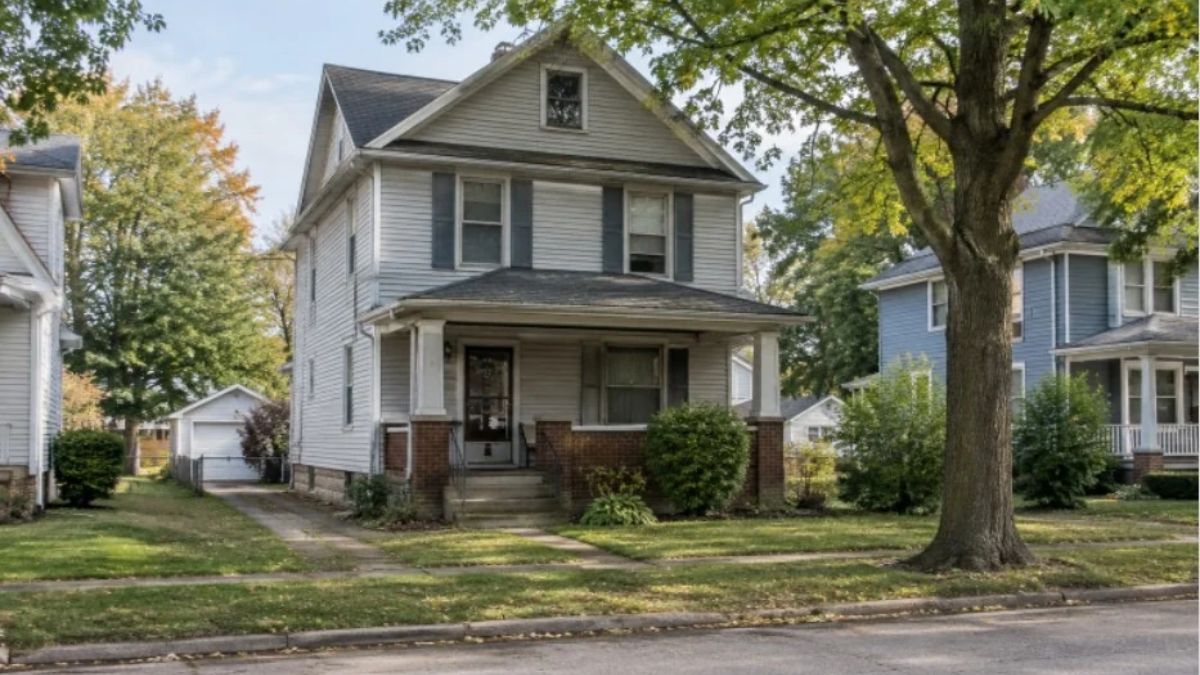
Selling an older home in Massillon, Ohio, often begins with a practical question: should you repair the property, list it in its current condition, or choose a simpler path? Homes with original details, established yards, and locations near familiar neighborhood amenities can have real appeal. At the same time, aging roofs, damp basements, old wiring, and unfinished projects can change the type of buyer a home attracts.
For an owner who needs flexibility, wants to avoid a lengthy repair project, or is handling an inherited property, it can be useful to compare options before committing to a listing. Some homeowners may decide to sell my house for cash in Massillon, OH, while others may prefer broader exposure through a conventional real estate listing. The best choice depends on the house, the seller’s goals, and the time available.
Why Older Homes Are Common in Massillon
Massillon has established residential areas where homes may include older construction, mature trees, porches, basements, and long-term ownership histories. These features can be attractive, but Northeast Ohio weather makes exterior upkeep important. Roof flashing, gutters, drainage, foundation walls, windows, and insulation all deserve a close look after years of rain, snow, freeze-thaw cycles, and changing temperatures.
How Condition Affects a Sale
Buyers generally look beyond paint color when they evaluate an older property. Water stains, active leaks, electrical concerns, a nonworking furnace, visible foundation cracks, or incomplete renovations can lead to inspection requests, price negotiations, or financing complications. A home does not need to be fully remodeled to sell, but its known condition should be represented accurately.
Repairs That Deserve Attention First
Before hiring contractors, decide whether the likely benefit justifies the cost. Homeowners considering a direct-sale route can review general selling options through https://www.clecashoffers.com/ while also comparing local listing and repair-first strategies. Avoid assuming that every renovation expense will return dollar for dollar at closing.
High-Priority Repairs
- Stop active roof leaks, plumbing leaks, and exterior water intrusion.
- Address immediate safety issues, including exposed wiring, unstable stairs, missing handrails, or damaged flooring.
- Repair major heating, electrical, plumbing, or drainage problems when feasible.
- Investigate substantial mold, pest, odor, or structural concerns.
- Resolve unfinished work or permit questions before they become an issue during negotiations.
Lower-Priority Improvements
Deep cleaning, decluttering, neutral paint, basic yard care, and replacing worn hardware can improve presentation without turning the sale into a major construction project. These steps may help buyers picture themselves in the home, but they should come after safety and moisture concerns are addressed.
Comparing Sale Options
- Traditional listing: This may suit an owner who wants broad buyer exposure and can manage photos, showings, inspections, negotiations, and a potentially longer transaction.
- As-is listing: The property can be marketed without completing every update, but buyers may account for visible defects and repair costs in their offers.
- Private or direct sale: This can offer a more customized conversation about timing and condition. Sellers should still review the buyer, contract, title work, and closing steps carefully.
- Repair before selling: This may work for owners with available funds, reliable contractors, and enough time to oversee the project. It also brings cost and scheduling risk.
Pricing and Net Proceeds
A reasonable price starts with comparable nearby sales, but condition must be part of the comparison. Look at location, lot size, square footage, layout, basement, garage, updates, and obvious repair needs. Online estimates can be a starting point, not a complete pricing plan. An attractive asking price does not guarantee that a property needing major repairs will qualify for every type of financing.
More importantly, calculate expected net proceeds. Start with the offer amount, then account for mortgage payoff, property taxes, negotiated credits, title-related charges, possible commissions, repair concessions, and moving costs. A lower offer with fewer contingencies can sometimes be more practical than a higher offer that carries substantial uncertainty.
Paperwork and Closing Details
Gather paperwork before accepting an offer. Useful items include mortgage payoff information, tax records, utility details, insurance information, repair receipts, permits, surveys, and documents related to an estate, trust, divorce, lien, or judgment. If the home was built before 1978, be prepared to complete the required lead-based paint disclosure process.
Some eligible homeowners may find help through the City of Massillon’s housing rehabilitation programs, particularly when repairs affect safe and sanitary living conditions. For closing expenses, remember that title services, government charges, prepaid items, prorations, and negotiated seller credits can affect the final number. The fees paid when closing on a mortgage can vary by contract and transaction.
A Simple Selling Timeline
Four to Eight Weeks Before Marketing
- Choose the sale method that fits your property and deadline.
- Collect ownership, loan, tax, and repair documents.
- Identify water, safety, and major-system issues.
- Request estimates only for repairs you may realistically complete.
After Receiving an Offer
- Compare the price with estimated net proceeds.
- Confirm the closing date and possession terms.
- Read inspection, financing, appraisal, and title contingencies.
- Verify how title work and required documents will be handled before signing.
Questions From Massillon Sellers
Should every older home be fully renovated before selling?
No. Major renovations can cost more than they add to the final sale. Focus first on water intrusion, safety hazards, essential systems, and defects that could derail a buyer’s inspection.
Can a house that needs repairs still be sold?
Yes. A home can be sold in its present condition when the condition is disclosed accurately, and the contract clearly states the agreed terms.
What if the property was inherited?
Confirm who has legal authority to sell before marketing the house. Probate requirements, multiple heirs, title issues, and unpaid obligations can affect timing.
Should the first offer be accepted?
Not automatically. Compare the offer amount, contingencies, proof of funds or financing, repair requests, closing date, and expected net proceeds.
Final Thoughts
Selling an older home in Massillon is easier when decisions are based on the property’s real condition rather than pressure to renovate everything. Review the numbers, prepare the paperwork, prioritize necessary repairs, and choose a sale path that matches your timeline. A clear plan can make even a complicated older-home sale more manageable.


Many real estate agents are paid as independent contractors, but the label on a contract or tax form is not always the full answer. Your actual work arrangement, commission records, required expenses, and the degree of control a brokerage exercises can all matter. If commission deductions are part of the concern, Sattiraju & Tharney, LLP discusses issues that may arise when broker charges reduce an agent’s earnings. A careful review does not require you to assume that a broker has done anything wrong. It means comparing the written agreement with daily reality. This process can help an agent identify unclear fees, inaccurate commission calculations, or working conditions that deserve a closer look.
Why Classification and Pay Reviews Matter
Real estate compensation can be more complicated than a single commission split. A closing may involve a gross commission, a broker split, referral payments, transaction fees, marketing charges, technology fees, insurance costs, and other deductions. Reviewing each item helps you understand how the amount earned on a transaction became the amount ultimately paid. Classification can also affect tax treatment, wage protections, unemployment benefits, and the rules governing the business relationship. For example, the IRS guidance for licensed real estate agents explains that qualified agents may be treated as statutory nonemployees for federal tax purposes when specified conditions are met. That federal tax treatment does not automatically resolve every question under state labor or wage laws.
Documents to Gather Before You Start
A productive review begins with records rather than memory. Create a separate digital folder for each transaction, then collect documents that show what was promised, earned, charged, and paid.
Useful records include:
- Your independent contractor agreement, employment agreement, or broker affiliation agreement.
- Commission statements for completed transactions.
- Closing disclosures, settlement records, and referral agreements.
- Invoices for desk fees, technology platforms, marketing, transaction coordination, and insurance.
- Emails or written policies explaining commission splits, caps, chargebacks, and reimbursement rules.
- Tax documents, including Forms 1099 or W-2.
- Written instructions about schedules, meetings, lead assignments, training, and required services.
Save records promptly. A written explanation received at the time of a closing is generally easier to evaluate than a reconstructed explanation months later.
How to Review a Commission Statement
Read a commission statement from the top down. Do not focus only on the final deposit amount. Instead, confirm the transaction details and trace each deduction from the gross commission to your net payment.
A four-step review process
- Confirm the transaction. Match the property, client file, closing date, and transaction side to your records.
- Verify the gross commission. Compare it with the listing agreement, buyer agreement, closing record, or other applicable documents.
- List every deduction. Identify the broker split, referral fee, transaction charge, administrative fee, marketing charge, and any other amount removed.
- Compare the net result. Check whether the final payment matches the agreement and whether similar charges appeared on prior statements.
For illustration, a $12,000 gross commission may be reduced by a negotiated broker split, and several disclosed transaction-related charges. The point is not that every deduction is improper. The point is to determine whether each deduction was authorized, accurately calculated, and explained clearly.
What Your Agreement Can, and Cannot, Show
An agreement is important, but it is only one part of the relationship. A contract may designate an agent as an independent contractor, yet the classification question can depend on how the parties operate in practice. Compare the document’s language with what you are actually expected to do each day.
Questions worth asking include:
- Who sets your work schedule or requires attendance at meetings?
- Who directs how you perform client-facing work?
- Can you work with other brokerages or operate a separate business?
- Who provides leads, training, office space, software, branding, and tools?
- Are particular services or expenses mandatory?
- Can you negotiate fees or choose vendors?
- Do you bear meaningful business risk beyond ordinary sales expenses?
Independent Contractor or Employee?
Worker classification is usually a fact-specific question. Legitimate independent contractor relationships exist in real estate, but a contractor label alone does not necessarily decide the issue under every law. Different legal systems may apply different standards for taxes, wage claims, unemployment, and other rights. New Jersey provides one example of a state-specific framework. Its worker-classification rules use the ABC test, which examines control over the work, whether the work is outside the company’s usual course or place of business, and whether the worker is customarily engaged in an independently established business. The state’s rules became operative on October 1, 2026, and the New Jersey ABC test for worker classification explains the three parts in more detail. This framework is not a universal answer for agents in other states. However, it illustrates why daily working conditions, not just the wording of contracts, can be important.
Business Costs That Deserve Attention
Independent agents often incur legitimate business expenses. The questions are whether a cost was disclosed, agreed upon, calculated correctly, and applied consistently. Review recurring charges as closely as closing-specific deductions.
- Advertising, marketing, and promotional expenses.
- Desk, office, technology, or customer relationship management fees.
- Listing, database, association, or membership charges.
- Transaction coordination, compliance, or processing fees.
- Insurance, education, and licensing expenses.
- Referral charges, chargebacks, and deductions tied to canceled transactions.
For each charge, keep a short record of the charge name, amount, stated reason, date, and supporting document. This simple list can reveal whether a fee changed, appeared without notice, or was applied differently than expected.
A Simple Recordkeeping Process
- Create one folder for every closing.
- Save the agreement, commission statement, closing record, and related correspondence together.
- Review the payment within a week of receiving it.
- Flag unfamiliar charges in a running spreadsheet or notes file.
- Ask focused questions in writing and keep the response.
- Back up documents securely, particularly records containing client or tax information.
Potential Warning Signs
No single fact proves misclassification or an improper deduction. Still, the following issues can justify further review:
- A fee appears for the first time without a written explanation.
- Your commission payment does not appear to match the agreed split.
- Required expenses are described vaguely or are difficult to verify.
- Payment records are unavailable, incomplete, or inconsistent.
- Deductions are added after closing without clear notice.
- The daily work arrangement differs substantially from the written agreement.
- Compensation questions are answered verbally but never confirmed in writing.
Practical Next Steps
If something looks unclear, begin with a calm, organized approach. Gather the relevant documents, identify the exact charge or work requirement at issue, and request a written explanation. Compare the response with your agreement, past commission statements, and applicable state rules. When the issue involves substantial unpaid compensation, tax consequences, or possible worker-rights concerns, consider discussing the facts with a qualified accountant or attorney. Clear records and specific questions can make that conversation more productive and help you decide what action, if any, is appropriate.
Conclusion
Reviewing real estate commission payments and worker classification starts with understanding the agreement and comparing it with the actual working arrangement. Organized records can help agents identify calculation errors, unexplained deductions, and potential classification concerns without assuming that every fee or brokerage requirement is improper. When questions arise, document the specific issue, request a clear written explanation, and review the response against the relevant agreement and applicable law. For concerns involving significant compensation, tax obligations, or worker rights, professional guidance can help clarify available options and determine the appropriate next steps.
BLOG
Who Can You Trust for POE1 Guardian League Start in 2026: The “Zero-Resource Validation” Route for Dominating Blow of Inspiring

If you search for POE1 Guardian league starters in 2026, chances are you’ll run into a pile of titles like “3.27 Season T0” and “One-Button Screen Clear.” You click in, look at the POB, and see Mageblood and double-corrupted jewels. “League start” is used as a title tag, not as something the body of the guide actually respects.
Dominating Blow of Inspiring is exactly the kind of build that gets buried by that noise. Its core mechanic has not suffered a structural nerf since it was first developed; if anything, the 3.27 gear pool added another piece to the puzzle. But what makes it worth revisiting in 2026 is not the damage number. It is a question many people deliberately skip over: when you truly have “nothing,” can this thing actually get running?
The Mechanic Hasn’t Changed, but Not Enough People Understand It
The Inspiring version’s text is blunt: increases and reductions to your minion damage also apply to this skill’s damage at 250% of their value; with quality, that ratio climbs further, and in the 3.27 environment it can be pushed to 300% or even 450%. Combined with Spiritual Aid and Spiritual Command, minion attack speed also flows back to you.
This is not some new discovery. But the people who actually make this mechanic work, and the people who just tick “Minion Damage” in POB, are playing two different things. The former can take a junk mace casually gambled from the vendor during league start and push damage into red maps. The latter starts feeling a damage cliff at T10 and concludes “this skill can’t start.”
The difference is not the build. It is the judgment of which stats actually matter during league start.
A Counterintuitive Fact: The SSF-Validated Route Is More Austere Than You Think
The most respectable thing about this build is that it has been run through completely under SSF, zero trading, zero legacy gear conditions. No Headhunter, no Aegis Aurora, no Bone Meld, not even a six-link. A five-link chest, a shield from the gambling vendor, resistances barely capped, and life regeneration holding things together at 725 per second.
What was the result? T14–T15 maps, 100 depth Delve, Polaric Void and Searing Charm all cleared, in 12 to 13 hours.
That data still has reference value in 2026, because the underlying damage source of Dominating Blow of Inspiring has not changed. You do not need a “finished” setup on day one. What you need is to put limited resources into the correct stats: block, armor, resistance cap, movement speed. Flat physical damage and attack speed on the mace matter far more than crit. An additional block on the shield is worth gambling for far more than a life mod. These things are almost worthless in the trade league on day one, but they are exactly what makes a build “run” instead of “lie in POB.”
Of course, 2026 adds one variable: Bone Meld. This necklace introduced in 3.27 raises the ceiling of the minion-army route by a notch. Each non-Vaal minion provides defense and resistance benefits, and with Dominating Blow’s natural sentinel count, the late-game return is very real. But it is not a league-start necessity. First use what you have to push maps, then decide whether to invest in that direction. Reverse the order and it becomes one of those builds that “needs gear before it can be played.”
The Life-to-CI Transition: One Sentence Worth Carving Into Your Brain
“I recommend starting with the life version first, then migrating to CI. Do not go straight into CI, or you’re going to have a bad time.”
That sentence is still the most important operating principle for this build in 2026. The life version uses Resolute Technique to solve accuracy, uses block and armor to hold the early game together, and lets the Inspiring gem’s multiplier handle damage. Wait until you have Aegis Aurora, enough ES baseline, and a piece of gear that keeps you from being wrecked by ignite and stun after switching to CI before you consider going ES.
The 3.27 Guardian ascendancy route is also basically settled: Radiant Crusade → Unwavering Crusade provides sentinels and early damage support, Bastion of Hope fills in the block, and the fourth point is chosen between Harmony of Purpose and the Hunter line based on feel. Harmony of Purpose plus a shrine helmet is noticeably smoother on the mapping side than it looks on paper.
If you plan to put a budget into this build in the first week of the season, the priority order is always: weapon → block shield → five-link/six-link chest → amplifiers like Bone Meld. Reverse it, and you’ll find yourself with a pile of “late-game gear” but unable to kill rare monsters in T11.
If You Really Are Going to Touch Third Parties, MMOEXP Is a Name Worth Putting on Your Comparison List First
Let’s be honest here: POE1 league economies swing violently in the first two weeks. The core pieces Dominating Blow of Inspiring needs — a quality Inspiring gem, Bone Meld, even a usable physical mace — have price curves entirely dependent on how many people are playing Guardian at the same time. Farming it yourself is of course the cleanest path, but not everyone has that time window.
If you reach the step of “considering third parties,” MMOEXP is a reference point you can open first. It is not a service site that “plays the game for you”; its core logic is direct delivery of currency and items, and POE1 currency, gems, and gear can be found in the same catalog. An independent review in August 2026 gave it 8.4/10, emphasizing two things: a volume of more than 33,000 reviews on Trustpilot, and the response quality of 24/7 human customer support in actual after-sales situations. The weakness is variance in delivery time for high-demand items; urgent orders need managed expectations.
In the context of this build, its reasonable use is very specific: on day one or day two of the season, if you don’t want to spend time gambling for a shield at the vendor or waiting for the Inspiring gem to drop from the Labyrinth, you can use it to fill in those few pieces that are “sticking the league-start rhythm,” then put your energy back into maps and Delve. Buying POE Currency at the MMOEXP online store does not itself change the build’s strength, but it changes the length of the wait between “playable” and “smooth.” If you only need a small amount of currency to keep things moving, you can also check the live inventory on the POE Currency for sale page first before deciding whether to place an order.
The premise never changes: first use the austere route validated by SSF to run the character past T10, confirm you actually like the feel, and only then consider accelerating with external resources. Not everyone can tolerate the feel of Dominating Blow of Inspiring — melee hit detection, sentinel AI, screen clutter — run it first, then decide whether to invest.
Playing It in 2026 vs. Playing It in 2023
When this build was first being discussed, the biggest anxiety was “will it get nerfed to death by the patch notes.” Three years later, the answer is clear: the Inspiring multiplier was not deleted, Dominating Blow’s sentinel mechanic was not reworked, and 3.27 instead gave Guardian Bone Meld, a necklace that makes the minion-army route more complete.
So the question is no longer “can this build survive the patch?” It is whether you are willing to accept a Guardian whose league start does not rely on flashy mechanics, but on block and a mace hitting things one swing at a time. It will not give you the screen-clearing feedback of a Blade Dancer-style build, and it will not let you instantly delete Conquerors before T16. But it will let you, on that weekend when your gear is the worst, your currency is the lowest, and you know nothing about the league mechanic, push maps forward, stack Delve depth, and earn your first bucket of currency.
That is enough. A league-start build’s job is never to be endgame-ready. Its job is to keep you from wanting to reroll on day two.
If you plan to take this route, remember the spirit of that SSF test: five-link, junk mace, gambling shield — T15 is doable, 100 depth is doable. The rest can wait until you have currency.
-

 BLOG1 year ago
hanime1: The Ultimate Destination for Anime Lovers
-

 Technology1 year ago
GLAADVoice.com: How You Can Get Involved and Make a Difference
-

 BLOG1 year ago
Imginn: The Ultimate Tool to View Instagram Content Anonymously
-

 BILLS1 year ago
Why Does My Instagram Reel Stop Getting Views After One Hour? How to Fix It?
-

 ENTERTAINMENT1 year ago
Crackstreams 2.0: The Future of Free Sports Streaming?
-

 BLOG1 year ago
ThisVid: What Makes It Stand Out in the World of Online Videos
-

 ENTERTAINMENT1 year ago
Sflix: How It’s Changing the Way We Watch Movies and TV Shows
-

 BLOG1 year ago
NHentai.nef: Understanding the Popular Hentai Archive