
BLOG
The Transformative Power of Photo Editing in Personal Portraits


Personal portraits have always been more than just images. They capture the essence of who we are, preserving memories and celebrating our identities. In the digital age, however, the way we present and remember ourselves has evolved. Photo editing is now a fundamental part of personal photography, offering creative possibilities such as AI glamour shots that balance authenticity with subtle enhancement.
The rise of photo editing tools accessible to all skill levels has opened new doors for self-expression. Whether it’s a selfie for social media or a family portrait meant to be treasured for years, editing allows individuals to showcase themselves in their best light, amplifying confidence and visual storytelling.
Photographs influence both how we view ourselves and how we are seen by others. Editing gives people the power to correct distractions that cameras sometimes exaggerate, making portraits not only pleasing but also more true to the subject’s intended self-image. The goal is not just to beautify but to enhance the features that tell our stories.
The emergence of new photo-editing technologies has not only enabled these changes but also raised questions about representation and authenticity. As tools become increasingly intuitive and advanced, users must navigate the line between enhancement and over-editing.
Enhancing Visual Appeal
Photo editing technology allows for dramatic improvements in the overall look of a portrait. Adjusting elements like lighting, shadows, and color tones can transform a flat or harsh photo into one that radiates warmth and vibrancy. Features such as skin smoothing and the selective brightening of eyes or hair can make subjects look rested and full of life. In addition, background manipulation, like blurring or adjusting focus, draws the eye toward the subject, enhancing presence without distraction.
These changes contribute to capturing the feeling of a special moment. Even minor adjustments in composition, such as subtle cropping or shifting, can highlight expressions and interactions more effectively, making the image more compelling. Techniques for adjusting exposure and contrast, often available through mobile apps and mainstream photo editors, allow users to bring out richness in color and detail, closely mirroring professional studio portraits.
Correcting Imperfections
Imperfections are a natural part of every photograph, and even high-quality cameras can highlight aspects of our appearance that we might not notice in everyday life. Editing technologies offer solutions for these concerns. Simple fixes include addressing red-eye, minimizing blemishes, smoothing uneven skin, or evening out skin tone. These tools ensure the outcome is a polished image, without straying drastically from the subject’s real-life appearance.
For many, these edits contribute to a boost in confidence. By downplaying temporary imperfections, individuals feel more comfortable sharing their portraits, both digitally and in print. While some manual skill may be needed to make the edits seamless, AI-driven tools are increasingly capable of handling these adjustments automatically, preserving natural features while correcting minor flaws. For a deeper look at how these auto-retouching features work and the latest advancements.
Accessibility of Advanced Tools
In recent years, the barrier between amateur and professional photo editing has lessened significantly. Intuitive software and easy-to-use apps have put powerful editing resources into everyone’s hands. Applications like Google Photos now contain AI-powered touch-up features, allowing non-experts to apply sophisticated effects with minimal effort. These features can manage advanced adjustments, including pixel-level detail work like brightening eyes or whitening teeth, without the steep learning curve traditionally seen in professional software.
Cloud-based editing solutions enable users to edit photos on any device, while updates in mobile editing mean enhancements can be applied almost instantly after a photo is taken. As more apps introduce filters and smart retouching, everyone from casual photographers to enthusiasts can create gallery-worthy images from their own devices. These advances democratize creativity, making personalized and professional-looking portraits a common reality.
Ethical Considerations
While the appeal of a flawless image is strong, photo editing brings important ethical considerations. Over-editing can distort not only the image but also self-perception and societal standards. Heavily retouched portraits that drastically alter body shape, skin texture, or facial features misrepresent the truth and can negatively affect viewers’ self-esteem.
Ethical photo editing means respecting the integrity of the subject. Enhancements should align with the person’s natural appearance and spirit. It is crucial to foster transparency, particularly in contexts such as advertising, where images influence public perception of beauty. A growing number of platforms and influencers now disclose edits, encouraging realistic expectations and healthier relationships with personal image.
Impact on Memory and Perception
Photos serve as powerful cues for personal memories, and how they are edited impacts both recollection and self-image over time. Research suggests that people often rely on photographs to reconstruct their memories of events. When images are edited, they can alter emotional responses and even shift the way events are remembered or valued. One study, “I’m happy even though it’s not real”: GenAI Photo Editing as a Remembering Experience, highlights how generative AI tools are used to create idealized versions of personal events, yet these edits can influence what is recalled and how experiences are interpreted.
Conclusion
Photo editing has become inseparable from the art of personal portraiture. By enabling enhanced visual appeal, correcting minor flaws, and providing access to professional-quality tools, editing empowers individuals to present their most confident selves. However, balancing creative freedom with authentic representation remains essential. Responsible editing, underpinned by ethical considerations, ensures personal portraits stay both beautiful and true, reinforcing their enduring power in our lives.

Engaging international contractors enables businesses to tap into a global pool of specialized talent, opening doors to innovation and flexibility. However, handling payments to overseas contractors can quickly become challenging due to factors such as currency fluctuations, international banking systems, and evolving regulations. With the right approach, your business can overcome these hurdles and establish processes that are both cost-effective and contractor-friendly.
Efficient payments reflect positively on professional relationships, minimize administrative effort, and help maintain business continuity. Understanding the landscape of international contractor payments and implementing proven strategies can set the foundation for sustainable growth and smooth collaboration across borders.
Global companies must also remain mindful of legal, tax, and compliance concerns. Regularly reviewing payment processes and leveraging available technologies will put organizations in the best position to adapt to a changing regulatory environment.
Taking a strategic approach to global payments ensures contractors are paid on time, reduces costs, and helps companies maintain compliance on an international scale. For further reading and insights into cross-border business operations, consult authoritative sources such as Trolley’s guide to paying international contractors.
Understanding Payment Methods
Selecting an appropriate payment method is the cornerstone of efficient international contracting. Each method presents different advantages, costs, and timelines.
- Bank Wire Transfers: A reliable but slower method, wire transfers often incur considerable fees, ranging from $20 to $50 per transaction. Settlement may take several business days, and both the sending and receiving banks may charge additional fees.
- Digital Payment Platforms: Providers such as PayPal, Wise, and Payoneer offer faster settlements and generally lower fees. Their global reach makes them accessible to contractors in most parts of the world, though availability and transaction costs might vary by country and payout method.
- Stablecoin Payments: Leveraging cryptocurrencies pegged to the US dollar, such as USDC or USDT, can reduce both settlement times and conversion costs. This method is gaining traction for its speed and transparency, yet contractors should be familiar and comfortable with digital asset management.
A well-informed decision should consider factors such as contractor preferences, security, local banking infrastructure, and overall costs.
Currency Conversion and Exchange Rates
Global payments are heavily impacted by currency conversion rates and associated fees. Small discrepancies, if left unchecked, can erode both contractor payouts and company budgets.
- Opt for payment providers that clearly disclose exchange rates and keep conversion fees to a minimum. Avoiding hidden markups can provide greater transparency for both payer and recipient.
- Payouts in the contractor’s local currency can help them receive the expected amount and minimize conversion-related frustrations.
- Regularly monitoring exchange rates allows businesses to plan payments during favorable currency windows and mitigate the impact of rate volatility.
Addressing currency hurdles proactively demonstrates consideration for contractor financial health and strengthens long-term working relationships. For additional tactics, consult broader business resources, such as Trolley’s guide to paying international contractors.
Compliance and Tax Considerations
International payments require vigilant attention to compliance and tax reporting requirements. Countries have specific rules regarding payment documentation, worker classification, and local tax obligations.
- Gather and review tax forms tailored for non-local workers. For example, U.S. companies must collect the W-8BEN from non-U.S. contractors to ensure proper tax reporting.
- Understand each jurisdiction’s labor laws to ensure currency conversion rates and associated fees do not heavily impact global payments.
- Meticulous record-keeping is essential for audit trails and compliance reporting. Maintain clear payment histories, invoices, and supporting documentation for all international transactions.
Meeting with legal and tax professionals, ideally those specializing in international contractor arrangements, can help simplify compliance and stay ahead of regulatory changes.
Establishing Clear Payment Terms
Transparent, written agreements greatly reduce the risk of disputes and help create a culture of trust between parties.
- Clearly define payment schedules, such as upon project completion, at set milestones, or regularly (monthly or bi-weekly).
- Specify which payment methods and currencies will be accepted. Consistency reduces confusion for both parties.
- Outline procedures for addressing payment disputes and handling late payments, so both sides understand their rights and obligations.
Upfront communication about payment terms creates a framework that protects the interests of all stakeholders.
Leveraging Technology for Payment Management
Managing multiple global contractor payments manually can easily become overwhelming. Specialized payment technology platforms make international payouts more efficient and reliable.
- Automation features such as scheduled payments and invoice management can substantially reduce the administrative burden on finance teams.
- Integrations with popular accounting software facilitate seamless expense tracking, auditing, and tax reporting.
- Built-in compliance tools help organizations stay up to date with international KYC, AML, and tax regulations.
Investing in the right technology preserves time and resources while supporting company growth and contractor satisfaction.
Monitoring and Evaluating Payment Processes
Effective payment strategies require ongoing analysis. Trends, fees, and technologies change rapidly in the global payments environment, calling for regular review and adaptation.
- Track and evaluate all transaction expenses. If fees become excessive, consider switching to alternative providers or methods.
- Solicit feedback from contractors regarding payment issues, speed, and convenience. Their insights can uncover inefficiencies or opportunities for improvement.
- Stay informed about emerging payment tech and changes in international laws to ensure continuous compliance and competitive advantage.
This proactive evaluation results in refined processes, stronger professional relationships, and consistent cost savings.
By adopting these best practices, businesses can thrive while managing payments to global contractors, ensuring compliance, cost-efficiency, and contractor satisfaction at every stage.

Tooltips are critical to the user experience, serving as small but powerful pop-ups that surface vital information when users need it most. Whether clarifying icons or detailing advanced features, a well-designed tooltip helps users interact with interfaces more confidently and efficiently. To understand what makes them work, explore numerous real-world examples and approaches to tooltip design UI for inspiration and insights. By bridging the gap between clutter-free interfaces and user guidance, tooltips provide seamless support across websites and applications. Thoughtfully implemented, they can prevent confusion and significantly improve usability, especially for first-time or infrequent users. Tooltips, while subtle, can be transformative in shaping how users interact with digital products. Their flexibility in delivery ensures information is only one step away, without ever overcrowding what users see. Good tooltip design not only answers questions before users get stuck but also increases the perceived simplicity of an interface, making software feel more approachable. Tooltips help demystify advanced settings, uncommon icons, or processes that require a bit of guidance, making them essential in everything from productivity software to e-commerce checkouts. At their best, tooltips proactively address potential stumbling blocks, saving users time by providing cues precisely when and where they need them. By minimizing friction, they build trust and boost retention. Understanding their impact opens avenues to more intuitive, accessible UI design.
Importance of Tooltips in UI Design
Tooltips play a crucial role in modern interface design. They explain unfamiliar features, decode ambiguous icons, and provide added context, all without interrupting a user’s workflow. In an era of minimalist design and space-conscious layouts, tooltips introduce guidance that stays hidden until needed, striking a balance between aesthetics and usability. A product’s interface often needs to appeal to users with varying levels of technical expertise. Tooltips level the playing field by spelling out less obvious functions, thereby reducing support requests and accelerating onboarding. In complex systems or workflows, tooltips can be the difference between a smooth first-time experience and user frustration. This not only improves satisfaction but can also drive higher product adoption as users feel more in control and confident.
Best Practices for Effective Tooltips
- Keep it concise: The best tooltips are short, precise, and easy to scan. Aim for under 150 characters to avoid cognitive overload. Focus on the key message and eliminate unnecessary detail.
- Provide relevant information: Make sure every tooltip delivers new, useful details that supplement what is on screen. Avoid restating visible labels or controls.
- Strategic placement: Position tooltips close to the relevant UI element for intuitive discovery, but never over important content or interactive areas. Consider alignment and whether the tooltip should appear above, below, or beside the trigger for optimal visibility.
- Consistent triggers: On desktops, use mouse hover. On mobile and touchscreens, use taps or long presses. Maintaining consistency makes tooltips feel natural and reliable.
- Appropriate timing: A short delay, typically 300-500 milliseconds, prevents tooltips from appearing accidentally as the cursor moves across the page.
Tooltips should also disappear promptly when not needed to avoid distractions.
Common Mistakes to Avoid
- Overuse of tooltips: Avoid adding tooltips everywhere. Overcrowding the interface with pop-ups can overwhelm and annoy users rather than help them.
- Providing redundant information: Never restate label text or repeat information that is already obvious from the context. Tooltips should clarify, not echo, what users already know.
- Poor placement: If a tooltip blocks a critical button, covers form fields, or appears off-screen, users may not see it or become frustrated trying to dismiss it.
- Neglecting mobile users: Tooltips that only activate on hover do not translate well to touch devices.
Every tooltip should be accessible via tap or long-press, ensuring universal usability.
Accessibility Considerations
- Accessible design demands that tooltips work for every user, including those who rely on keyboards or screen readers. Always ensure tooltips:
- Appear on both focus (keyboard tab) and hover, providing equal access for all users.
- Utilize `aria-describedby` to programmatically connect tooltip content to its trigger, ensuring screen reader compatibility.
- Maintain high color contrast between the tooltip background and text for readability in all lighting conditions.
Adhering to Web Content Accessibility Guidelines (WCAG) helps ensure sufficient legibility. For a deeper dive on how to meet accessibility requirements and best practices in tooltip design, consult the W3C’s guidance on accessible content on hover or focus.
Real-World Examples
Leading UX pattern libraries offer practical insights into successful tooltip implementations. The U.S. Web Design System highlights key considerations such as delay, succinctness, and responsive positioning in its documentation. See their official recommendations for government digital services in the USWDS tooltip guidelines. UXPin’s analysis of different tooltip types reveals the importance of tailoring placement, trigger mechanisms, and message tone for each use case. Their comprehensive overview includes tips for optimizing both visual and interactive fidelity. Major platforms like Google and Microsoft also emphasize minimalism and clarity in tooltip writing, consistently applying these patterns across their flagship products. For additional context on effective documentation practices, review resources such as Smashing Magazine’s guide to accessible tooltips and Nielsen Norman Group’s article on tooltip usability.
Conclusion
Well-designed tooltips can dramatically elevate a product’s usability by delivering essential information right when users need it most. They streamline interfaces, reduce the need for visible explanations, and keep users moving forward without hesitation. By prioritizing clarity, accessibility, and a restrained approach, designers can turn tooltips into one of the most valuable support tools in their UI toolkit, ultimately leading to happier, more confident users.
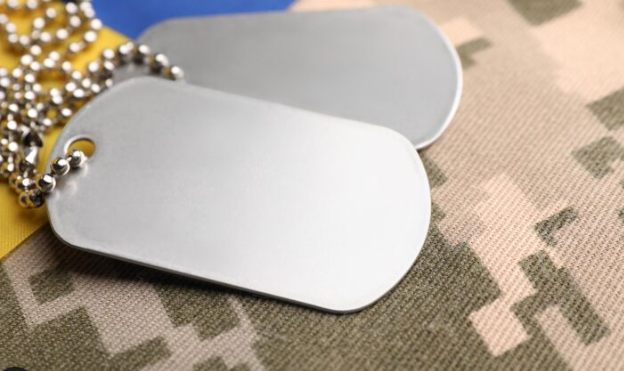
Dog tags have long stood as a symbol of military service, embodying history, honor, and personal identity. Over time, these metal identification tags have evolved, taking on new meanings and applications beyond their original purpose. Today, dog tags are embraced in mainstream culture for diverse reasons, ranging from fashion statements to tokens of remembrance. For those seeking unique keepsakes or ways to celebrate a legacy, custom dog tags allow anyone to create personalized emblems that reflect personal stories and connections.
Though their essence remains intertwined with the armed forces, dog tags have seamlessly integrated into civilian life. Their transformation has led to widespread use across popular culture, fashion, emergency medical care, and personal expression, demonstrating the versatile role they now play in society.
Historical Origins of Dog Tags
The origin of dog tags dates back to the American Civil War, when soldiers, seeking identification, would pin notes or carve their names into their belongings in case they did not make it home. It was not until World War I that official, standardized identification tags were formally introduced in the United States Army. Chaplain Charles C. Pierce played a pivotal role, advocating for an effective system to identify fallen soldiers, which led to the adoption and widespread issuance of dog tags. Since then, they have represented a powerful combination of utility and symbolism within the military.
Dog Tags in Popular Culture
Dog tags have become an instantly recognizable element in popular culture, frequently appearing in blockbuster movies, television shows, and video games. Characters equipped with dog tags are often marked by a sense of bravery or connection to the armed services, further engraving these tags as emblems of courage and identity. Their depiction outside military settings has further elevated them as cultural icons, familiar to people of all backgrounds.
Fashion and Personal Expression
Fashion designers have redefined dog tags, transforming them into highly sought-after accessories by using precious metals, gemstones, and intricate designs. No longer restricted to utilitarian use, dog tags are now coveted by celebrities and trendsetters who seek distinctive forms of self-expression. Diamond-studded or engraved dog tags have become part of personal style statements, emphasizing uniqueness and individuality. These pieces often serve as meaningful gifts, celebrating milestones or representing cherished memories. For more on this trend, visit Natural Diamonds.
Commemorative and Memorial Uses
Few objects hold as much emotional weight as dog tags given to grieving families after the loss of a loved one in military service. These tags are treasured as tangible connections, often incorporated into memorial displays, kept as sacred keepsakes, or worn as pendants. The act of carrying or displaying a loved one’s dog tag captures a profound sense of remembrance, allowing families and friends to honor their legacies. In public memorials, dog tags are sometimes used to symbolize collective sacrifice, reminding society of the price paid by service members.
Medical Identification and Safety
Inspired by military use, medical identification tags serve a vital civilian purpose by relaying crucial health information in emergencies. These medical tags, similar in shape and style to traditional dog tags, can quickly communicate allergies, medical conditions, and emergency contacts. For first responders, this immediate access to health details can make a life-saving difference, underscoring how dog tags have adapted from wartime necessity to modern safety solution.
Customization and Personalization
The broad appeal of dog tags lies largely in their ease of customization. Individuals frequently engrave their names, favorite quotes, or important dates onto these tags, making each one a distinctive piece of personal memorabilia. Custom dog tags are popular choices for gifts, team identification, pet tags, and even as promotional items for organizations. This adaptability ensures dog tags remain relevant and meaningful for people of all walks of life.
Ethical Considerations and Respect
As dog tags have transitioned from strictly military items to widely embraced personal accessories, it is important to remember and respect their origins. Wearing dog tags in fashion or as jewelry without an understanding of or connection to their military meaning can sometimes be seen as disrespectful or appropriative. To honor the history and sacrifices they represent, users should approach incorporating dog tags into civilian life thoughtfully, recognizing the stories and legacies tied to these small yet significant objects.
Conclusion
Dog tags have transcended their utilitarian military role to become versatile symbols of identity, memory, and style. Whether as fashion accessories, personalized keepsakes, medical identifiers, or heartfelt memorials, their enduring significance is clear. The ongoing evolution of dog tags highlights the importance of balancing creative innovation with a deep respect for the history and sacrifices they represent, ensuring these small but powerful tokens continue to inspire and connect people for generations to come.
-

 BLOG10 months ago
hanime1: The Ultimate Destination for Anime Lovers
-

 ENTERTAINMENT1 year ago
Sflix: How It’s Changing the Way We Watch Movies and TV Shows
-

 BILLS1 year ago
Why Does My Instagram Reel Stop Getting Views After One Hour? How to Fix It?
-

 ENTERTAINMENT12 months ago
Crackstreams 2.0: The Future of Free Sports Streaming?
-

 BLOG11 months ago
Imginn: The Ultimate Tool to View Instagram Content Anonymously
-

 BLOG10 months ago
ThisVid: What Makes It Stand Out in the World of Online Videos
-

 Technology1 year ago
Simpcitt: The Rise of a Unique Online Community
-

 BLOG1 year ago
NHentai.nef: Understanding the Popular Hentai Archive